WePlanify logo
Country guide · Asia

Vietnam
travel guide

Real Vietnam travel guide for 2026: best season, Hanoi to the Mekong, regional food, honest budgets, cultural do's and don'ts. First and repeat trips.

AsiaVND30200 /day

Build your itinerary with your group — free, 30 seconds.

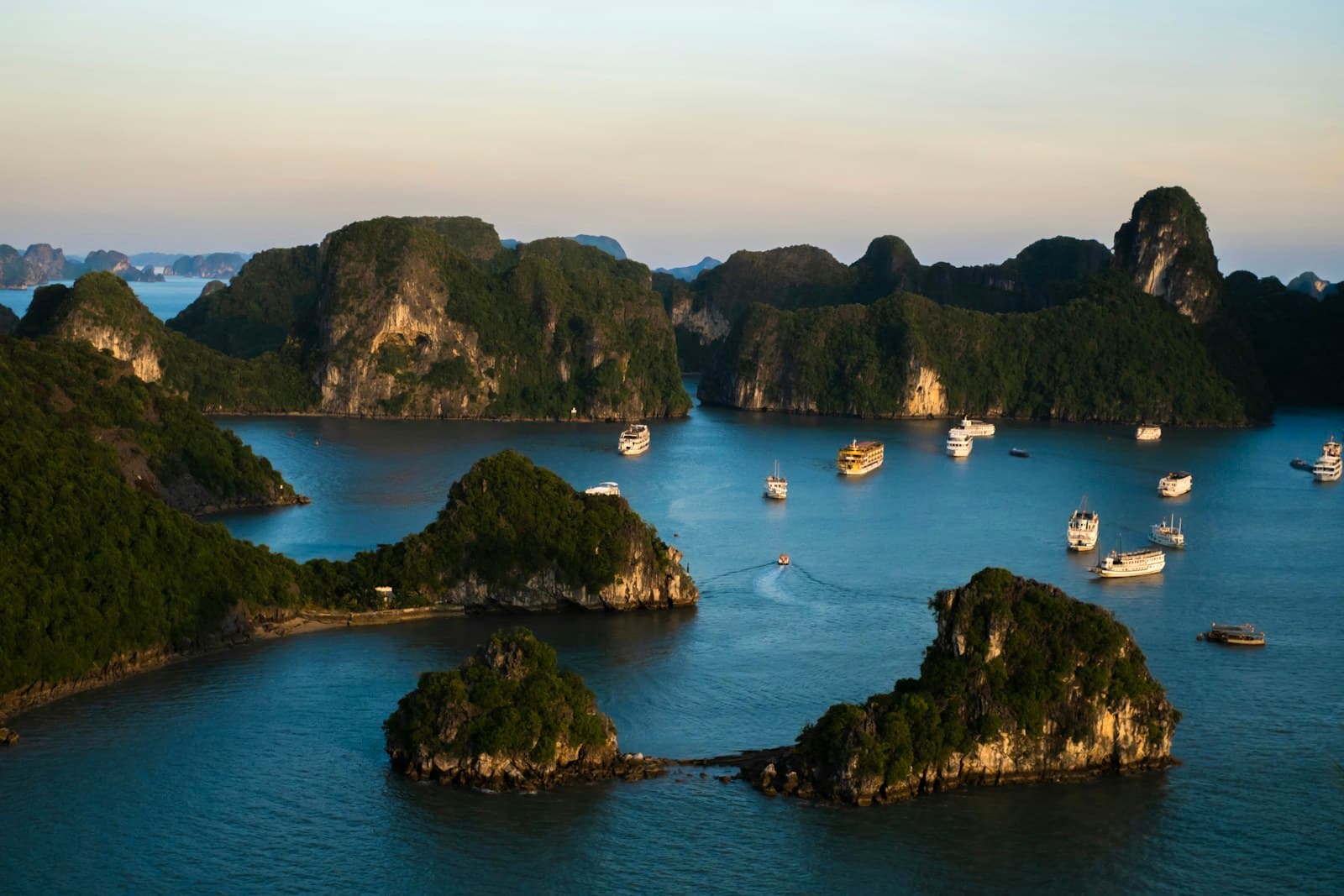
Limestone karsts and traditional junk boats in Halong Bay

Vietnam is a 1,650km strip of country with three weathers happening at once. The north (Hanoi, Halong, Sapa) has four real seasons. The center (Hoi An, Hue, Da Nang) has a wet and a dry. The south (Saigon, Mekong) is hot year-round with a monsoon. Pho costs €2, the coffee is among the world's best, and you'll cross a Saigon street through 5,000 scooters and somehow not die.

First trip: top-to-bottom in 2–3 weeks. Hanoi (2 days) + Halong Bay cruise (2 days) + Sapa or Ninh Binh (2 days) + flight to Hoi An (3 days) + Hue (1 day) + flight to Saigon (3 days) + Mekong Delta (1–2 days). Second trip: Phu Quoc beaches, the central highlands, the far north (Ha Giang loop by motorbike).

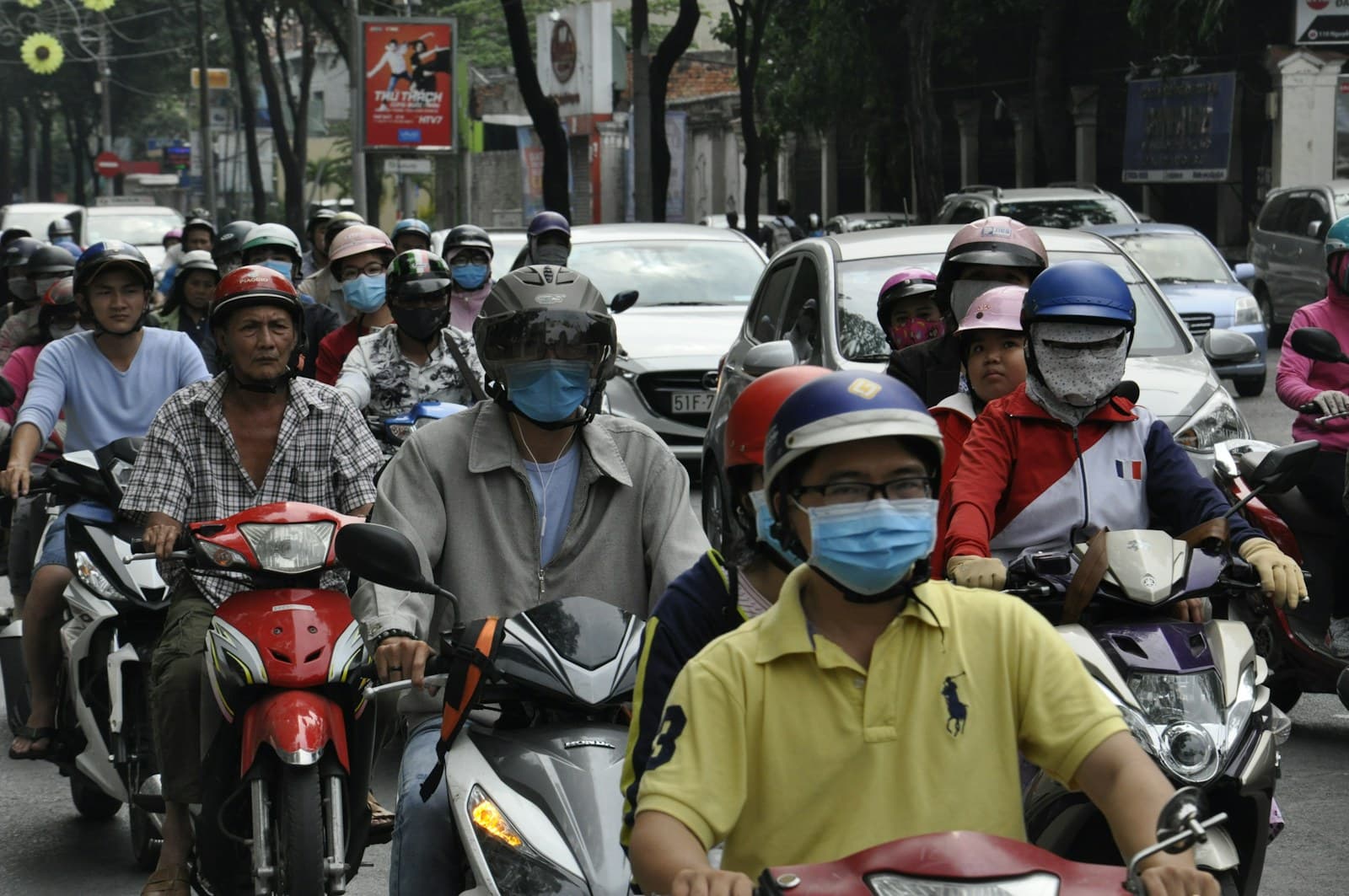
Two things to know. The country runs on motorbikes — 45 million of them. Crossing Saigon traffic on foot is a meditation: walk slow and steady, never stop, never run; they part around you. And the SIM-card 4G data plan is essential — Grab (Uber for taxis and motorbikes) is how you move anywhere, and Google Translate's camera mode is how you read menus.

Quick facts

CapitalHanoi
LanguageVietnamese
CurrencyVND ₫
TimezoneICT (UTC+7)
PlugType A / C · 220V
DrivingRight
Visa

E-visa (90 days, single or multi-entry) for most Western passports — apply online 3–5 days ahead at evisa.xuatnhapcanh.gov.vn. About US$25.

When to go

Three windows to know: best, shoulder, and the one to avoid.

Best window

March – April · October – November

Mild and dry across the entire country — a rare window. Halong Bay calm seas, Hoi An lantern festivals, Mekong rivers full but not flooding. Book Halong cruises 3–4 weeks ahead.

Shoulder

December – February

Cool in the north (10°C in Hanoi, snow in Sapa), perfect dry in the south. Christmas-New Year is busy in Saigon and Hoi An; Tet (Vietnamese New Year, late Jan – mid Feb) shuts everything for 5+ days — book around it carefully.

Avoid

May – September (south + center) · July – August (north)

Monsoon in the south and center, with daily downpours and occasional typhoons (Hoi An sometimes floods). The north is humid and 35°C+ in July-August. If you must go in summer, stay in the cooler highlands (Sapa, Da Lat).

Must-see places

Spots that justify the trip on their own. Tap to open in Maps.

Junk boats among limestone karsts in Halong Bay
Quang Ninh, North

Halong Bay

1,600 limestone karsts rising out of emerald sea — UNESCO since 1994. Take an overnight cruise (not a day trip; the day trip skips the best spots). Better yet, go to Bai Tu Long Bay or Lan Ha Bay just south — same scenery, a tenth of the boats.

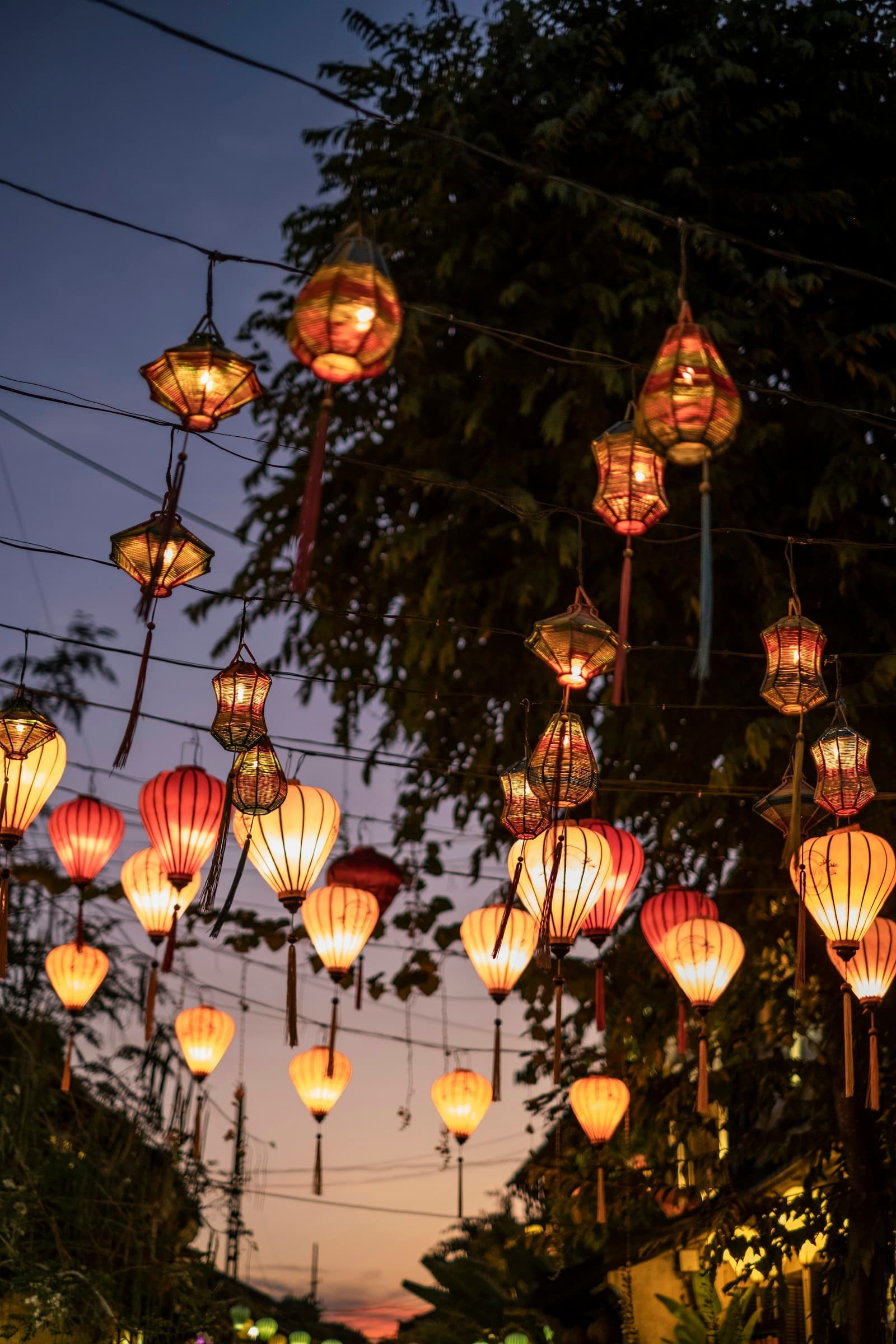
Lit-up lanterns reflecting on the river in Hoi An
Quang Nam, Centre

Hoi An ancient town

A perfectly preserved 16th-century trading port — UNESCO, lantern-lit, motorbike-restricted in the old quarter. Get a custom-made suit or áo dài (24-hour turnaround, €60–150). Take a cooking class in the morning, cycle to An Bang beach in the afternoon.

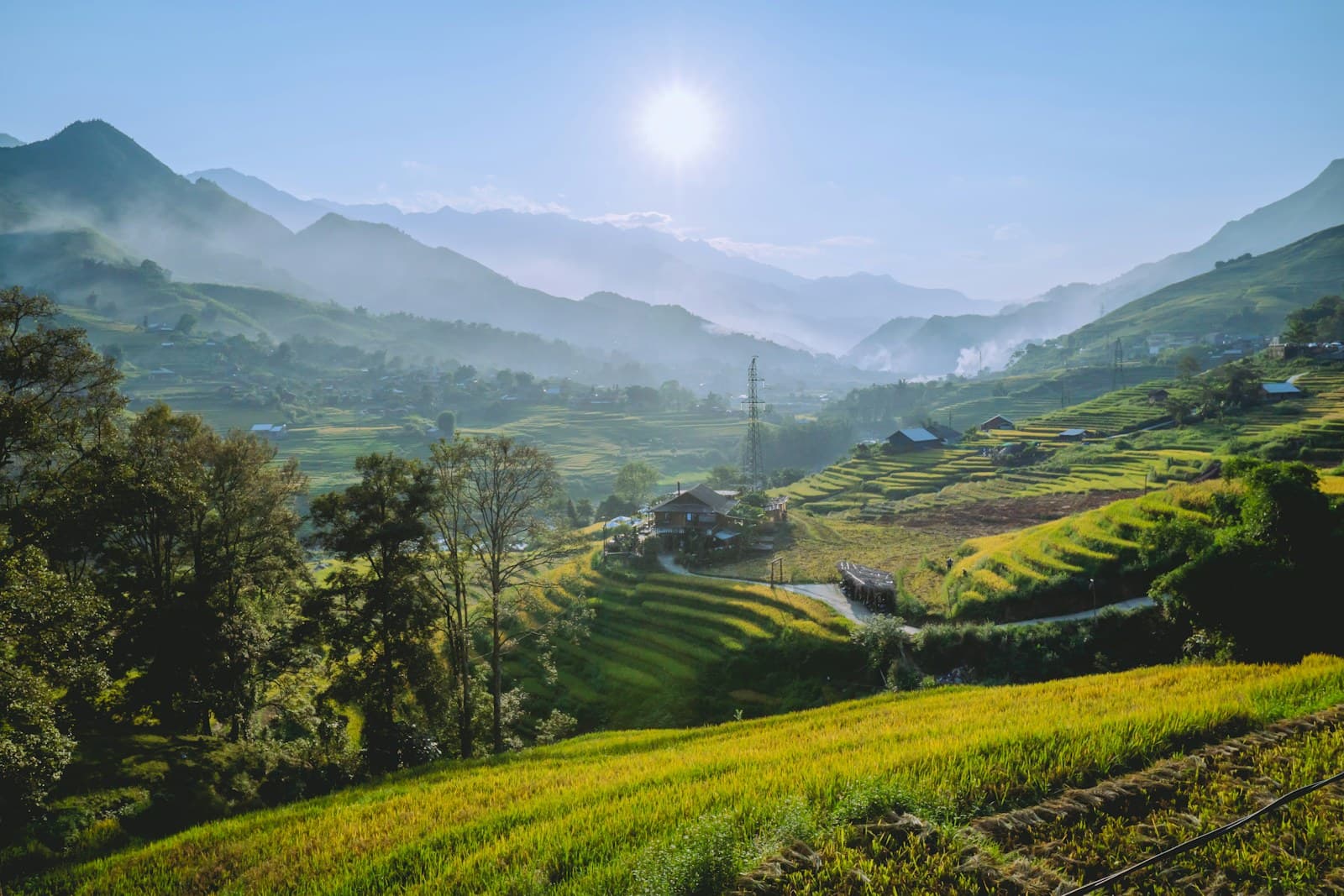
Terraced rice paddies in Sapa, Vietnam
Lao Cai, North

Sapa & the rice terraces

Mountain town in the far north, surrounded by terraced rice paddies of the Hmong and Dao ethnic minorities. Trek between villages with a local Hmong guide (€20/day). Best in September (rice golden before harvest) or May (paddies flooded, mirror-like).

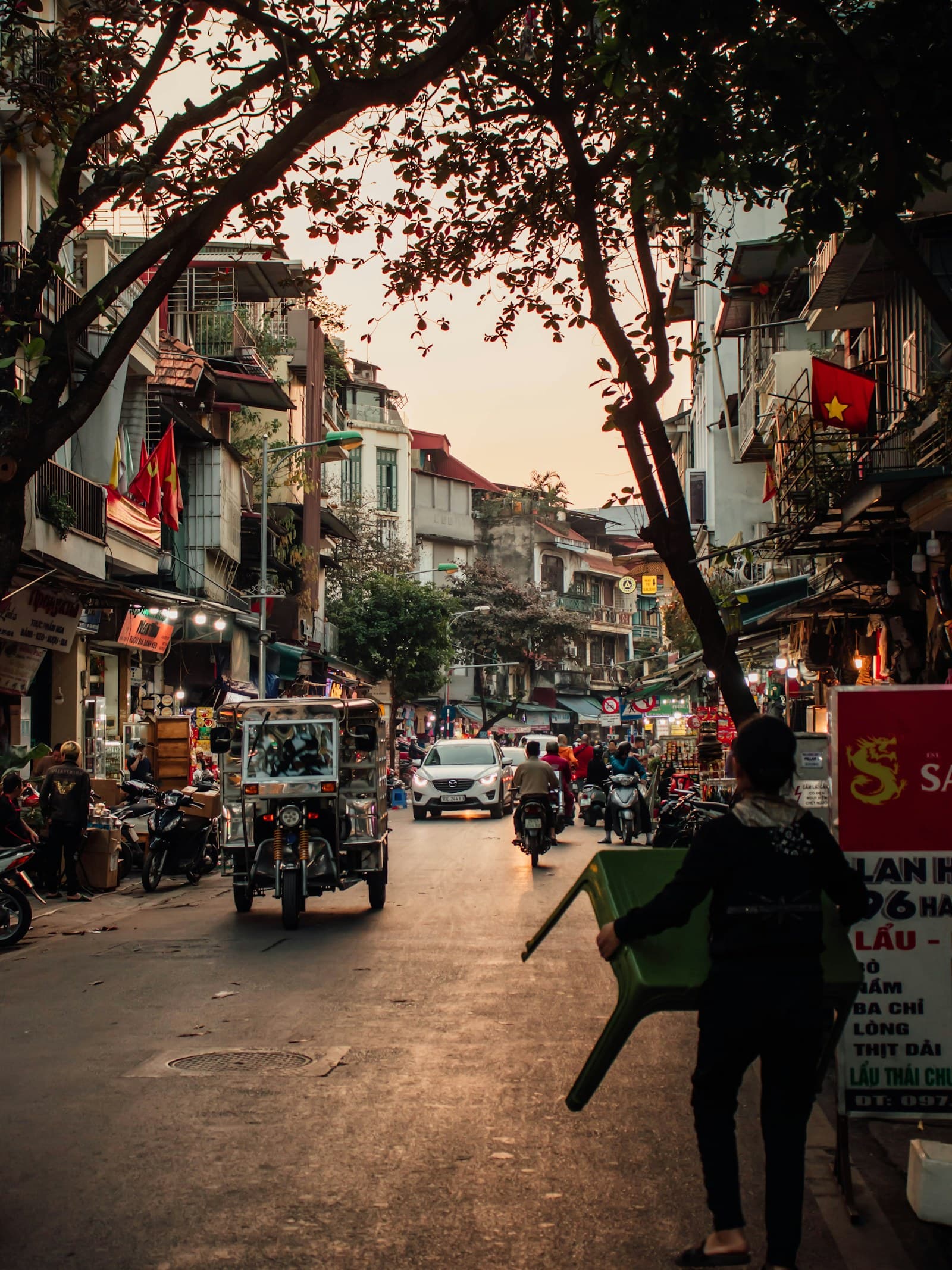
Street scene in Hanoi's Old Quarter with scooters
Hanoi

Hanoi Old Quarter

36 streets, each historically named for a craft (Silk Street, Silver Street, Conical Hat Street). Walk it on foot — no point with a car. Egg coffee at Cafe Giang (the original, since 1946), bún chả on plastic stools (Obama and Anthony Bourdain ate at Bun Cha Huong Lien, May 2016).

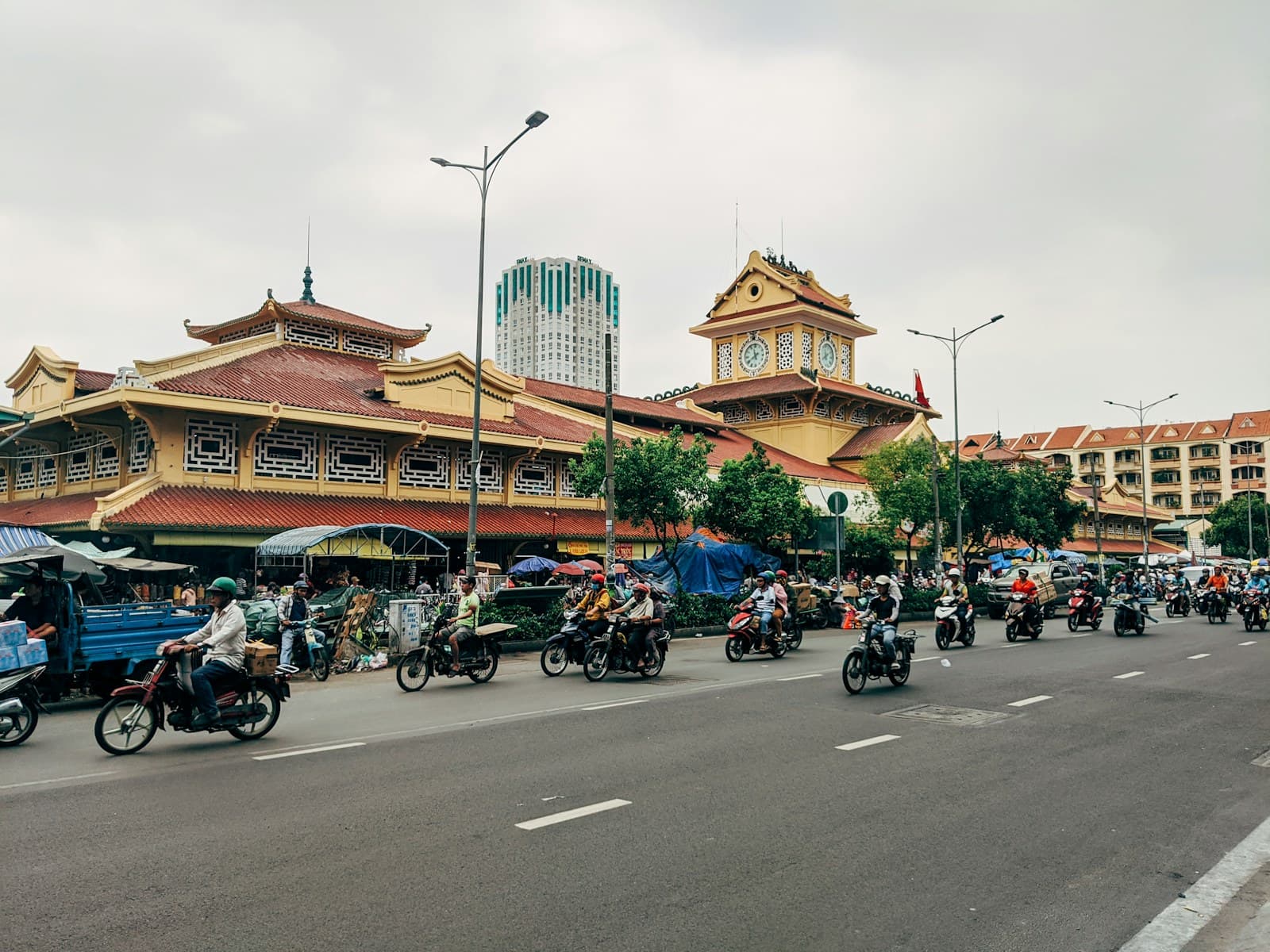
Saigon street scene with dense motorbike traffic
South

Saigon (Ho Chi Minh City)

Vietnam's economic engine — chaotic, ambitious, capitalist. War Remnants Museum (heavy but essential), the Reunification Palace (where the tanks came in 1975), Notre-Dame Saigon (French colonial). Cu Chi Tunnels day trip 60km north. Eat on plastic stools everywhere.

Boats at a floating market in the Mekong Delta
South

Mekong Delta

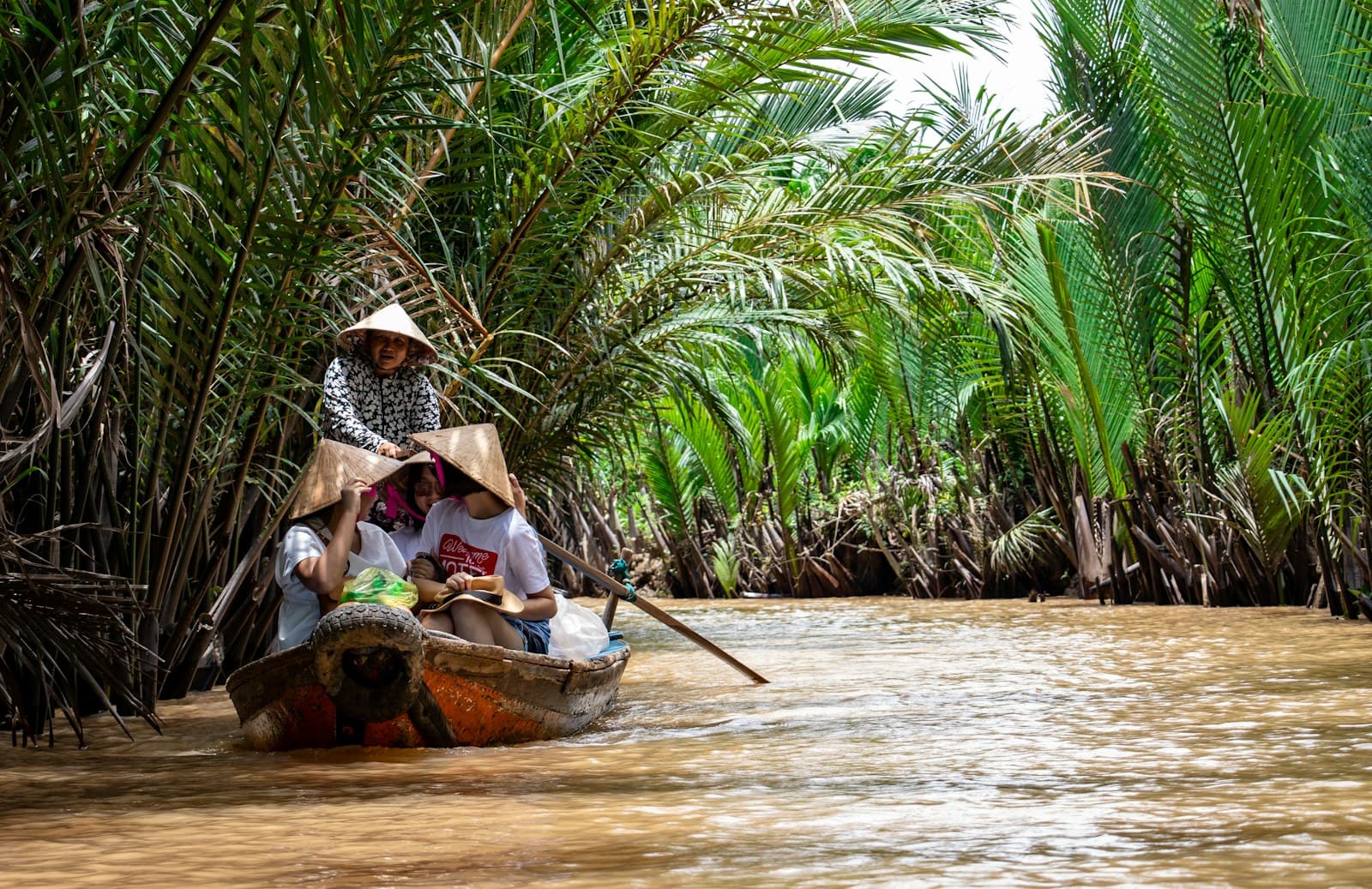
The 'rice basket of Vietnam' — a flat, lush, water-everywhere region southwest of Saigon. Cai Rang floating market at dawn (Can Tho is the base). Day trips are touristy; stay overnight in a Ben Tre homestay for the real version. Coconut candy factories, sampan rides, river-life.

Limestone karsts and river boats at Ninh Binh
Ninh Binh, North

Ninh Binh — Tam Coc & Trang An

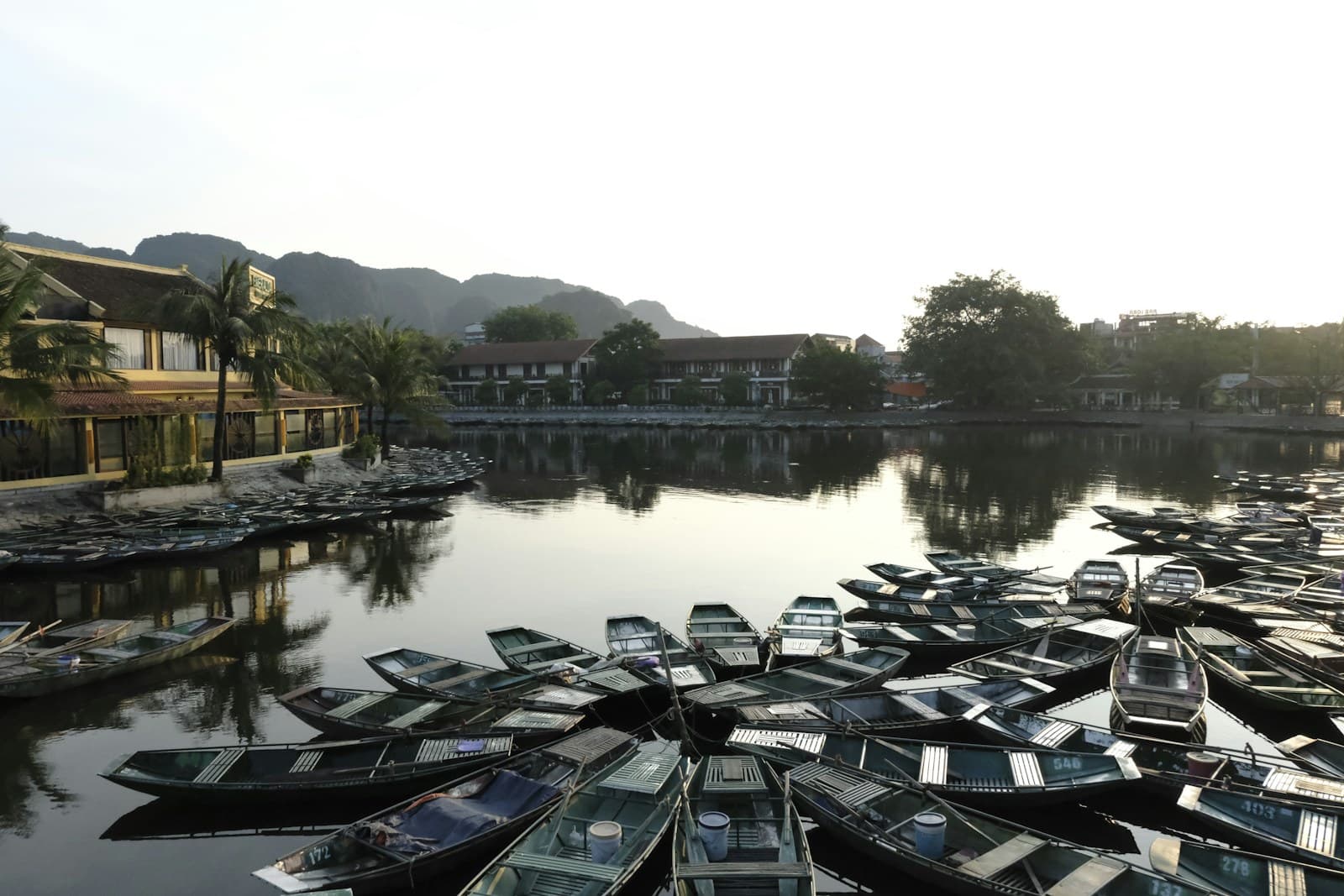
The 'Halong Bay on land' — limestone karsts, but instead of sea, rice paddies and a river. Take a 2-hour rowboat through caves at Tam Coc, climb Hang Mua's 500 steps for the postcard view. 2 hours by train from Hanoi; do as a day trip or overnight.

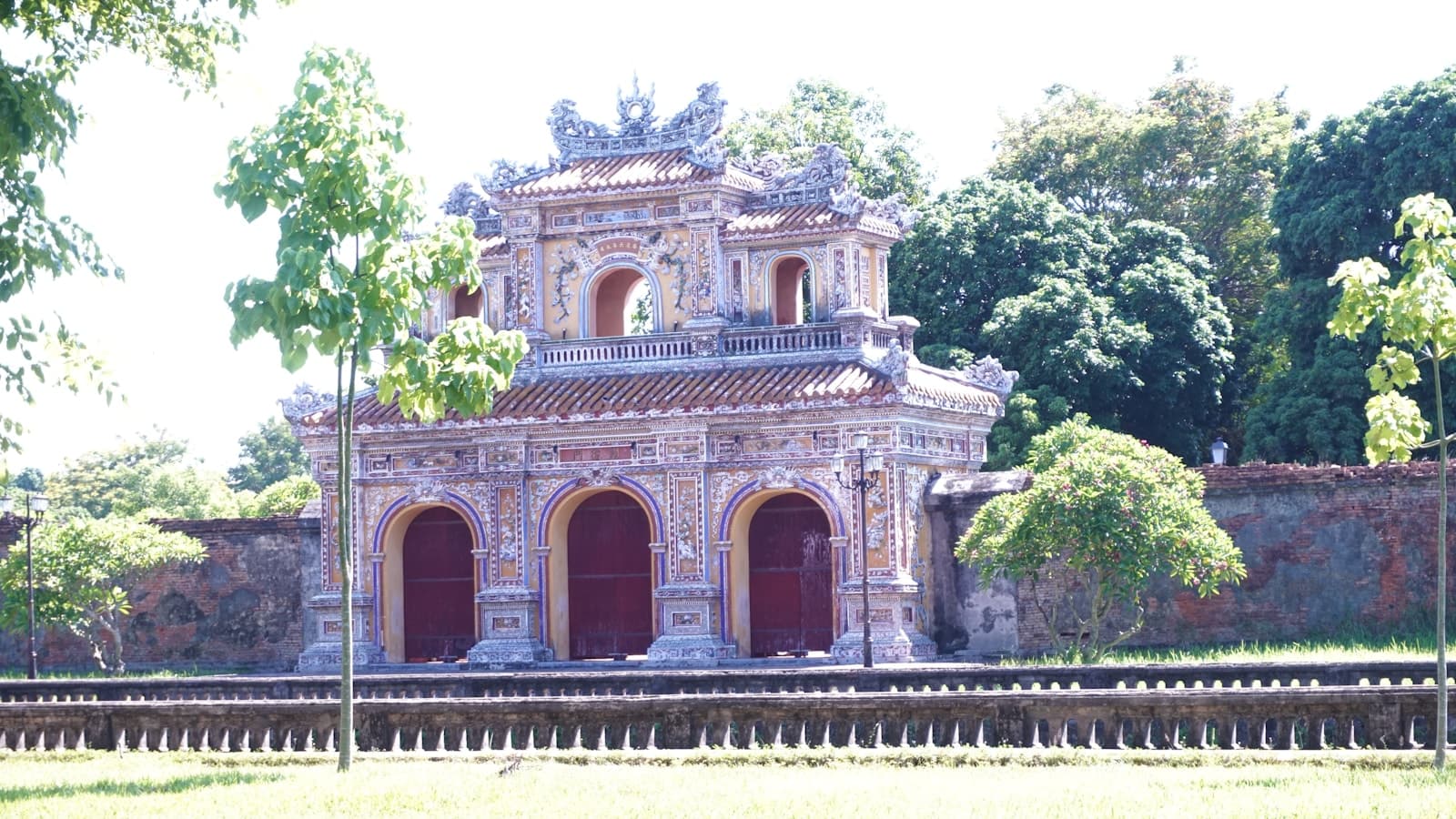
Imperial gate of Hue citadel in central Vietnam
Thua Thien-Hue, Centre

Hue Imperial City

The walled Imperial Citadel of the Nguyen dynasty (1802–1945) — heavily damaged by US bombing, partially restored, still huge. Pair with the royal tombs scattered along the Perfume River south of the city (best by motorbike or hired car).

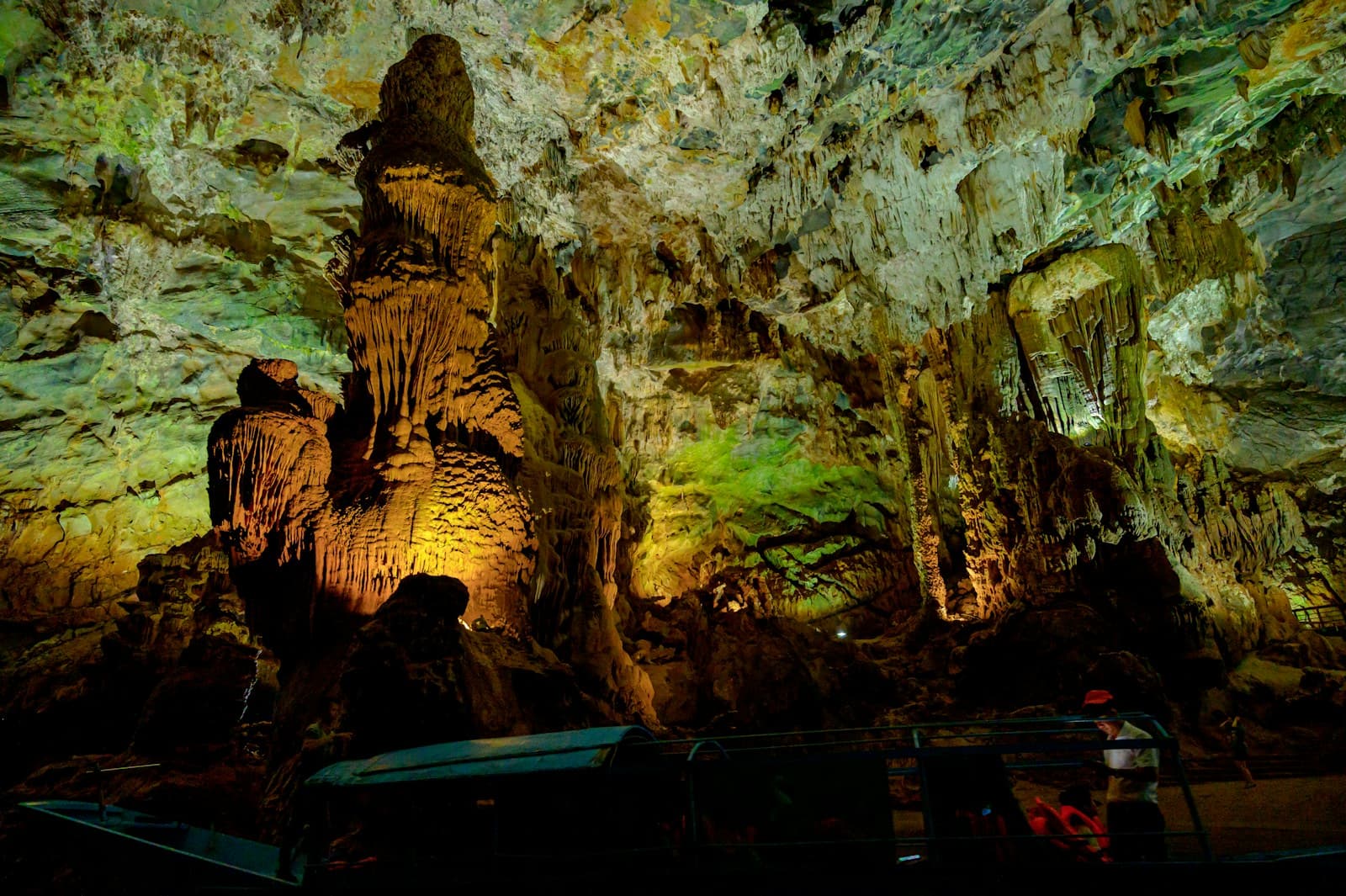
Interior of Phong Nha cave with stalactites
Quang Binh, Centre

Phong Nha caves

The world's largest cave system — Hang Son Doong, big enough to fit a 747, requires a €3,000 4-day permit. For mortals: Paradise Cave (31km, easy walkway) and Hang Va (camp inside, 2-day adventure). Phong Nha town is rough-edged but charming, and largely untouched by tourists.

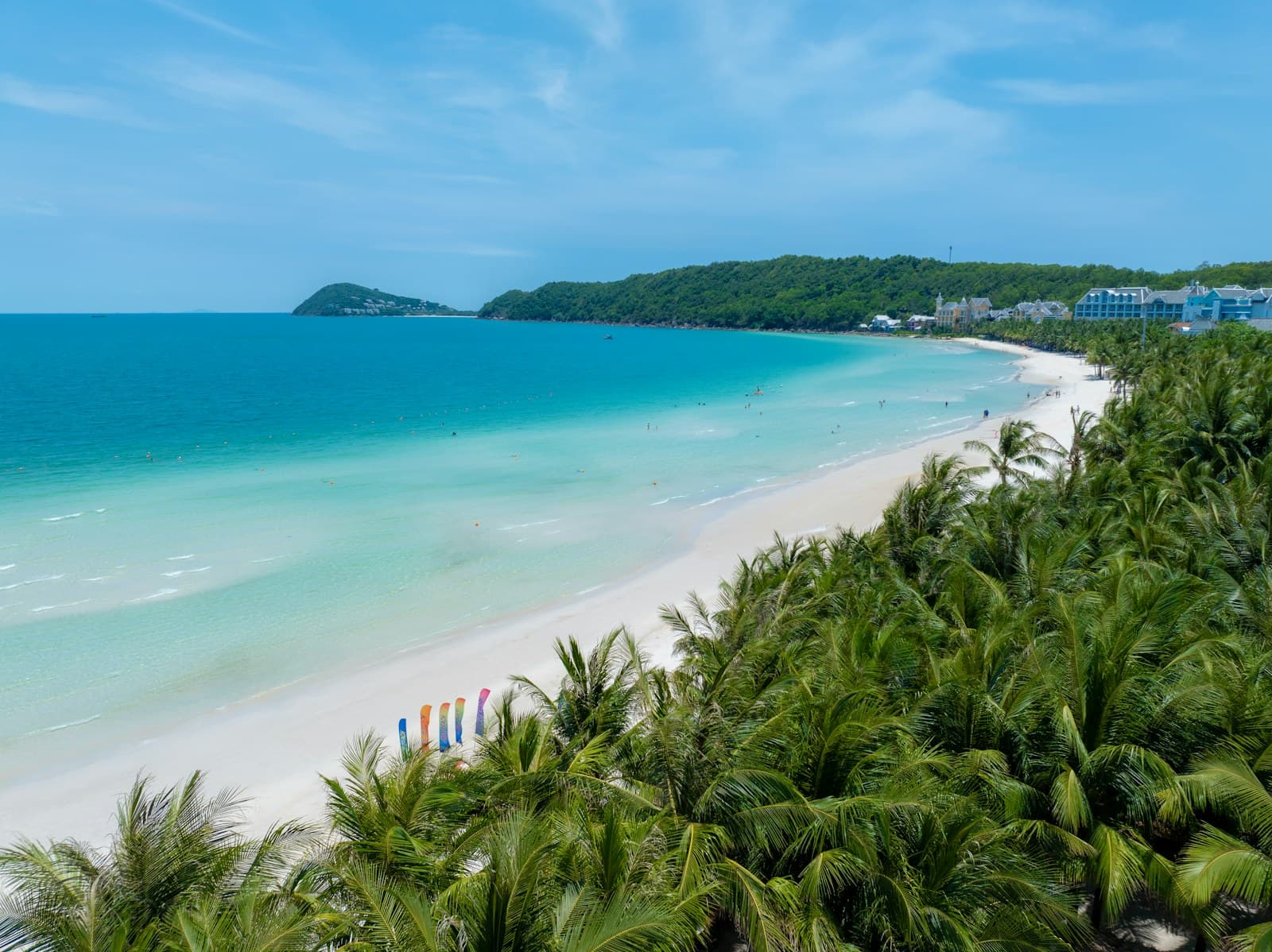
Tropical beach with palm trees on Phu Quoc island
Kien Giang, South

Phu Quoc

Vietnam's largest island, off the south coast in the Gulf of Thailand. White-sand beaches, fish-sauce factories (Phu Quoc nuoc mam is the premium grade), the Vinpearl resort empire on the north tip. Best November–April. Skip if you have only 10 days; great for a final wind-down.

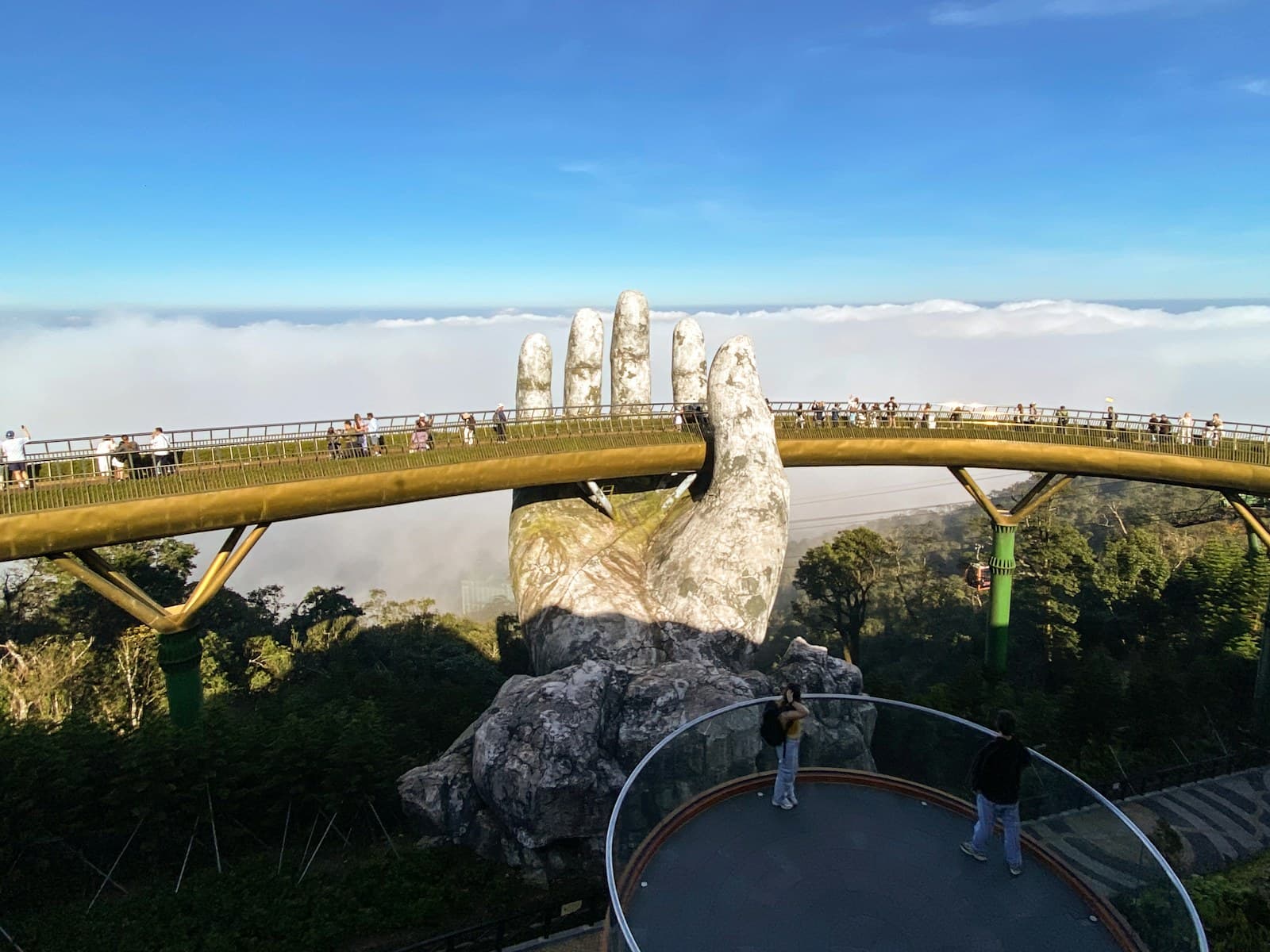
Golden Bridge held up by giant stone hands at Ba Na Hills
Da Nang

Golden Bridge (Cau Vang)

The 150-metre pedestrian bridge held up by two giant stone hands, at the Ba Na Hills resort outside Da Nang. Built in 2018, instant Instagram star. The cable car ride up is the longest in Asia (5km). Touristy, photogenic, worth the half-day from Da Nang or Hoi An.

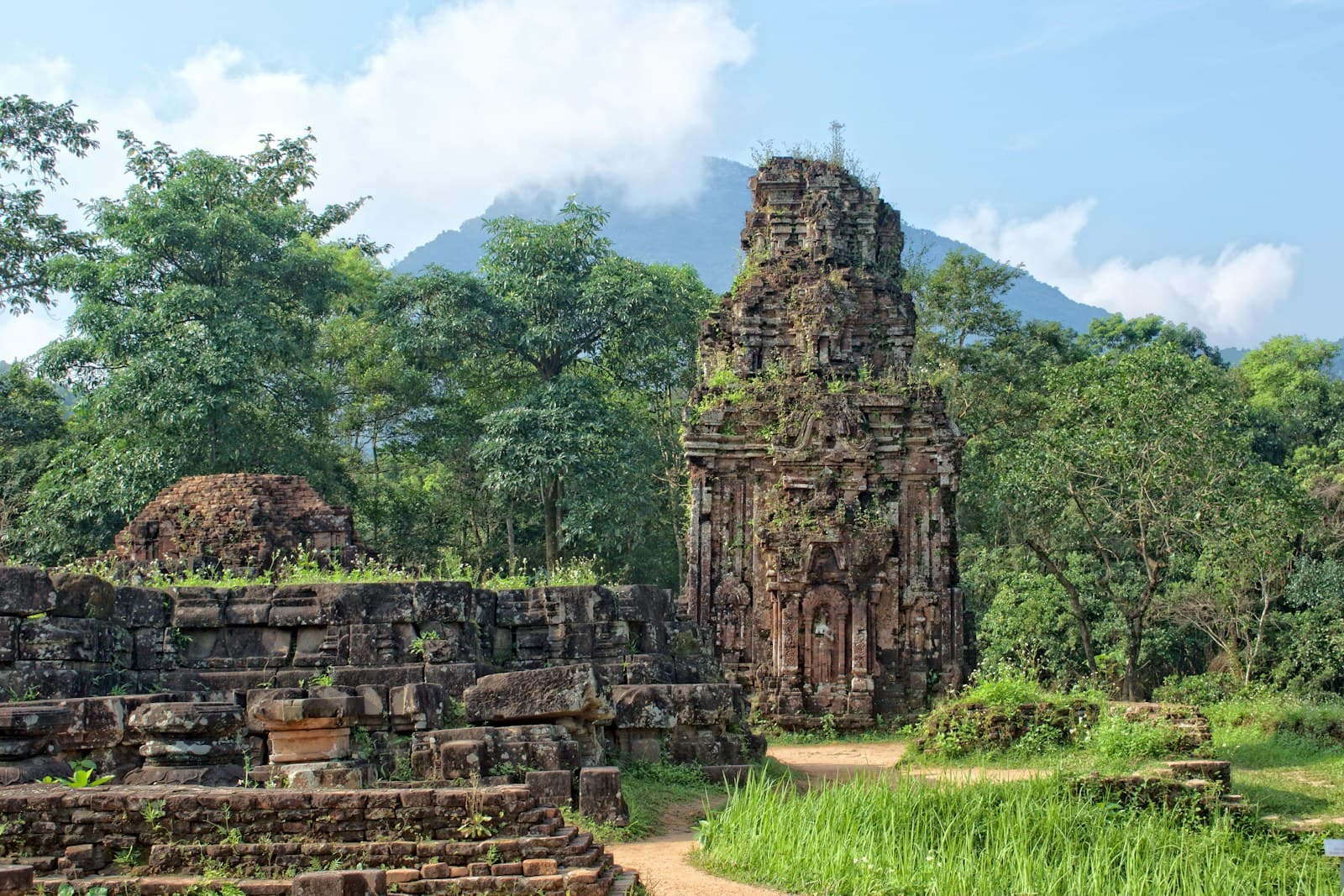
Ancient red-brick Cham towers at My Son sanctuary
Quang Nam, Centre

My Son sanctuary

Hindu Cham temple ruins from 4th–14th century, 40km from Hoi An. UNESCO, ruined by American bombing in the war but still atmospheric — red-brick towers in jungle. Best at sunrise (open 6am) before the tour buses arrive at 9.

Specialties worth trying

Food, drinks, and experiences this country does better than anywhere else.

Bowl of Vietnamese pho with beef and herbsFood

Pho

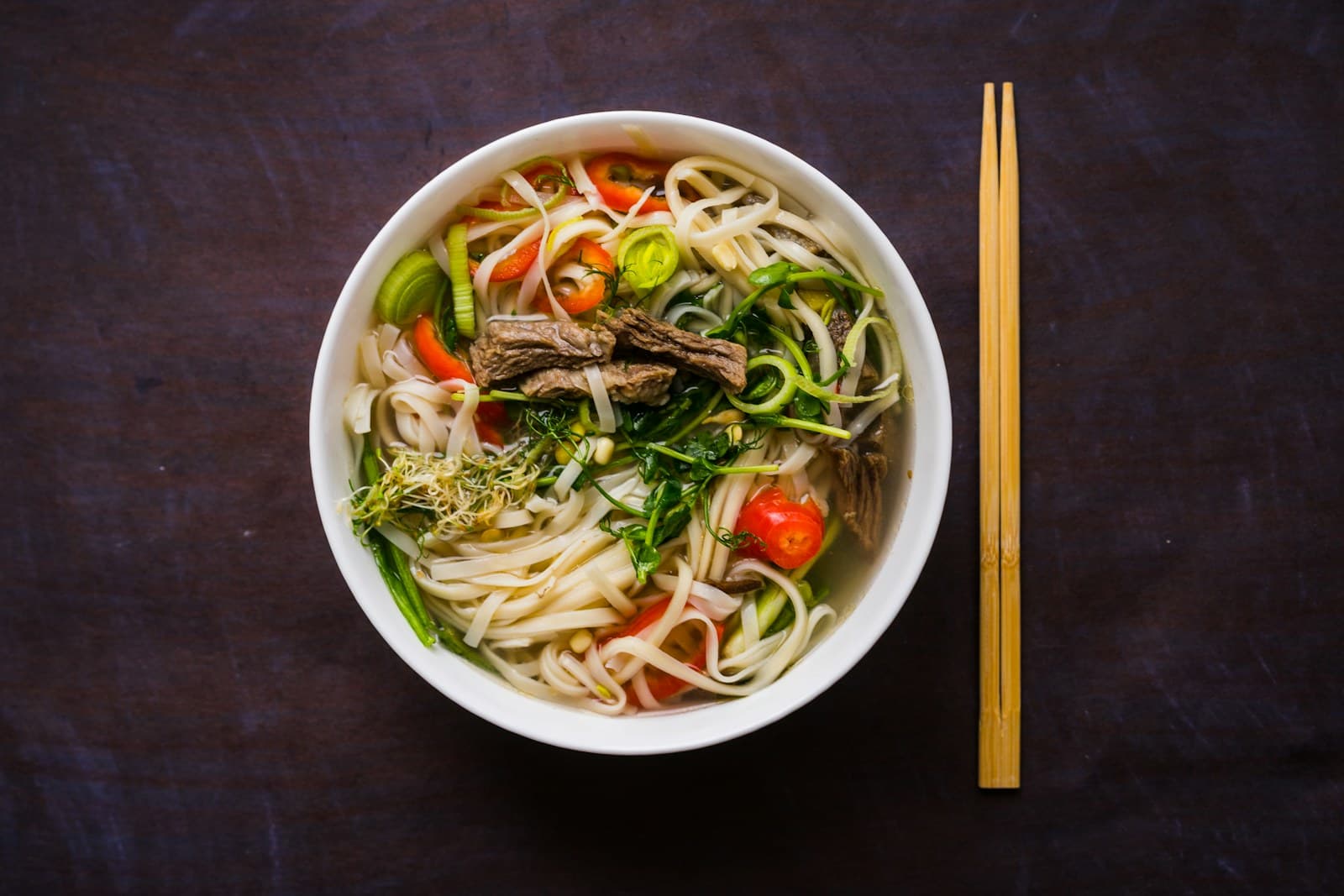
The national dish. Beef or chicken broth simmered 8+ hours with star anise and cinnamon, flat rice noodles, fresh herbs piled on top (basil, cilantro, lime, chili). Best in the north (pho bac is the original — clearer, less sweet). 30,000–60,000 VND (€1.20–2.50) at any street stall.

Vietnamese banh mi sandwich filled with grilled meat and herbsFood

Banh mi

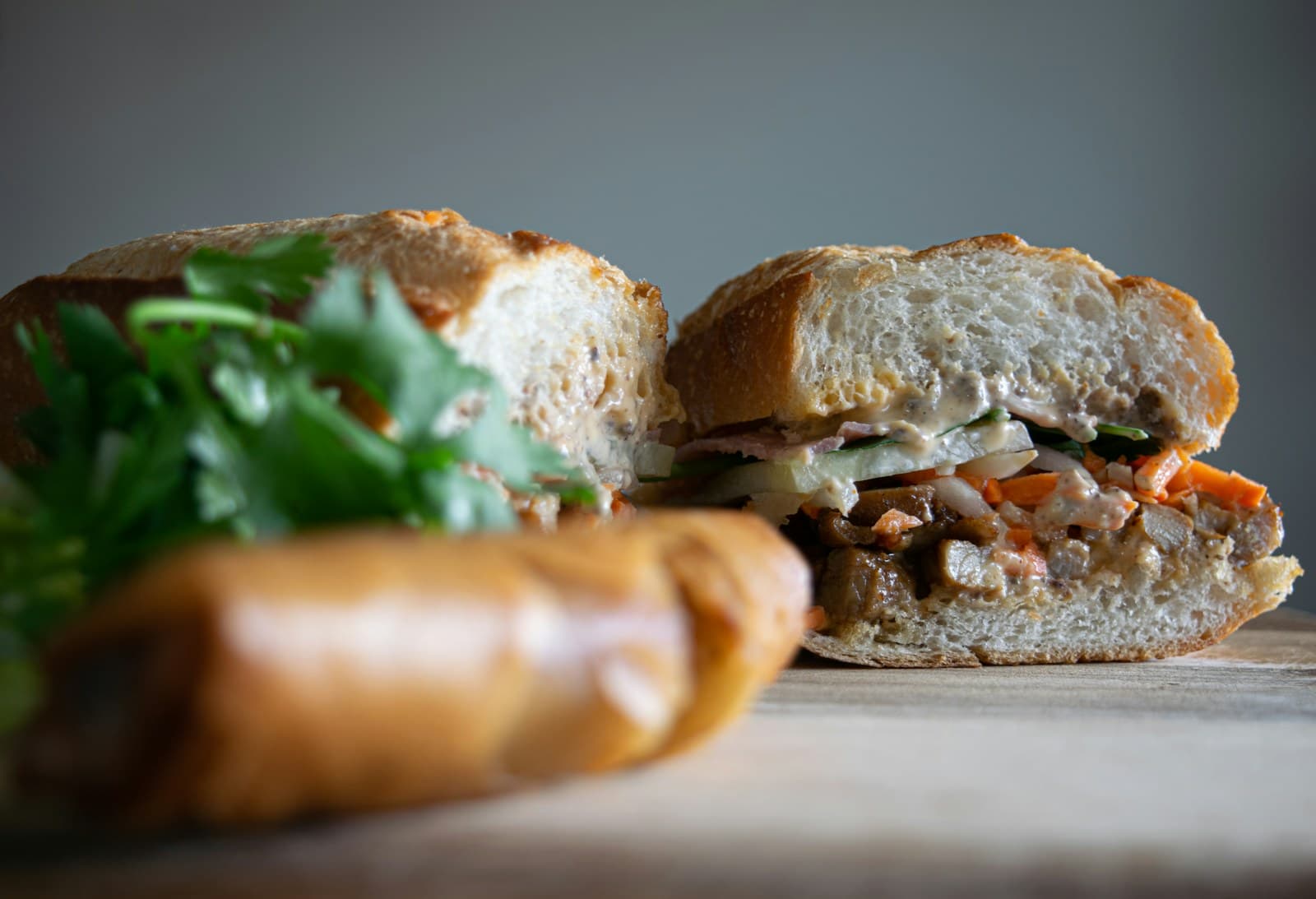
The colonial French baguette adopted, lightened, and stuffed: pâté + cold cuts or grilled meat + pickled daikon and carrot + cucumber + cilantro + chili + Maggi sauce. Saigon's Banh Mi Huynh Hoa is the holy grail (€2). Hoi An's Banh Mi Phuong was Bourdain's pick. Either is a religious experience.

Vietnamese fresh spring rolls with peanut dipping sauceFood

Fresh spring rolls

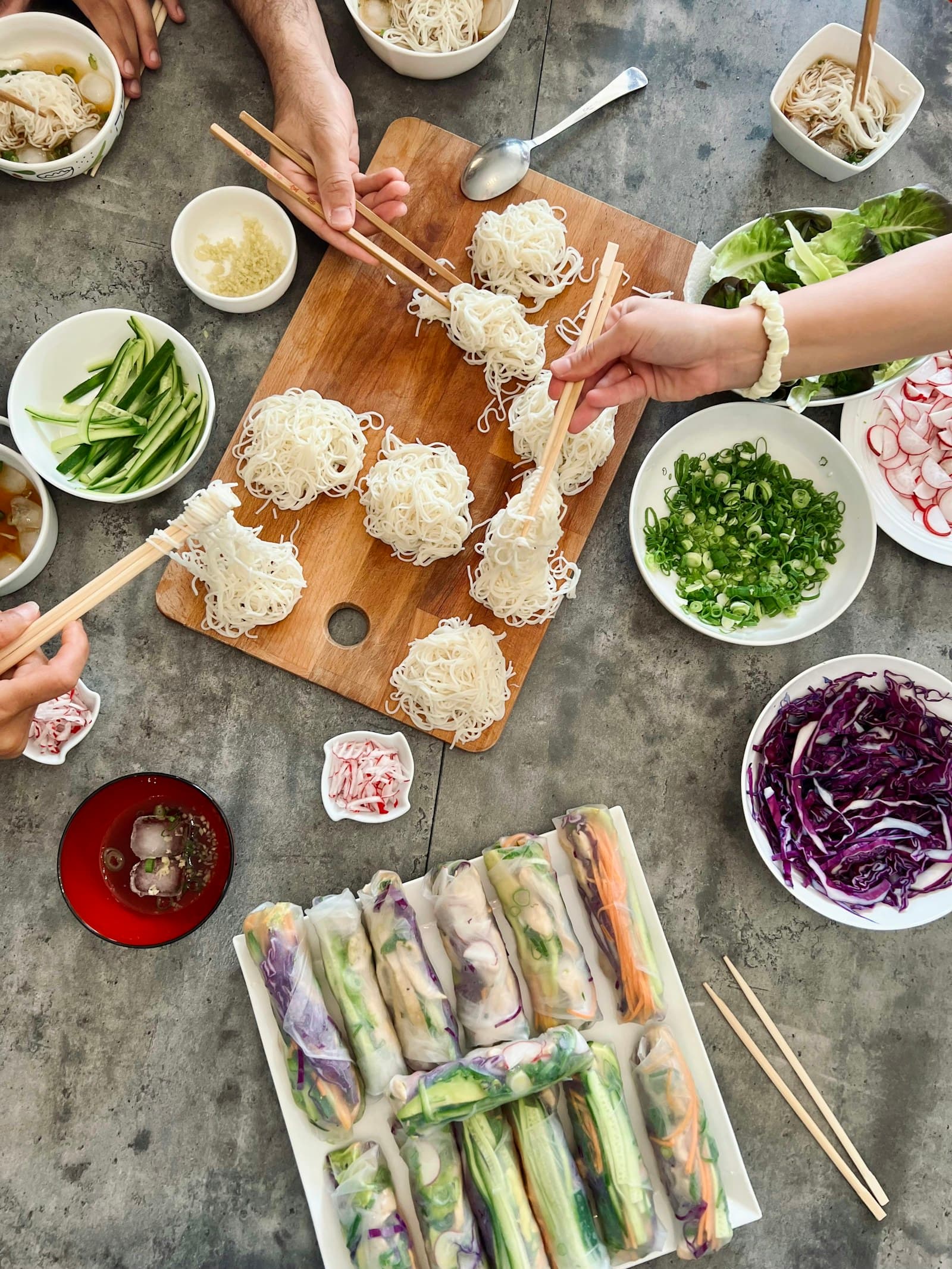
Goi cuon — rice paper rolls with shrimp, pork, vermicelli, lettuce, mint — eaten cold, dipped in peanut sauce. Distinct from the fried cha gio (egg-roll style). The cheapest, lightest, freshest €1.50 meal on earth.

Bowl of Vietnamese bun cha with grilled porkFood

Bun cha & noodle bowls

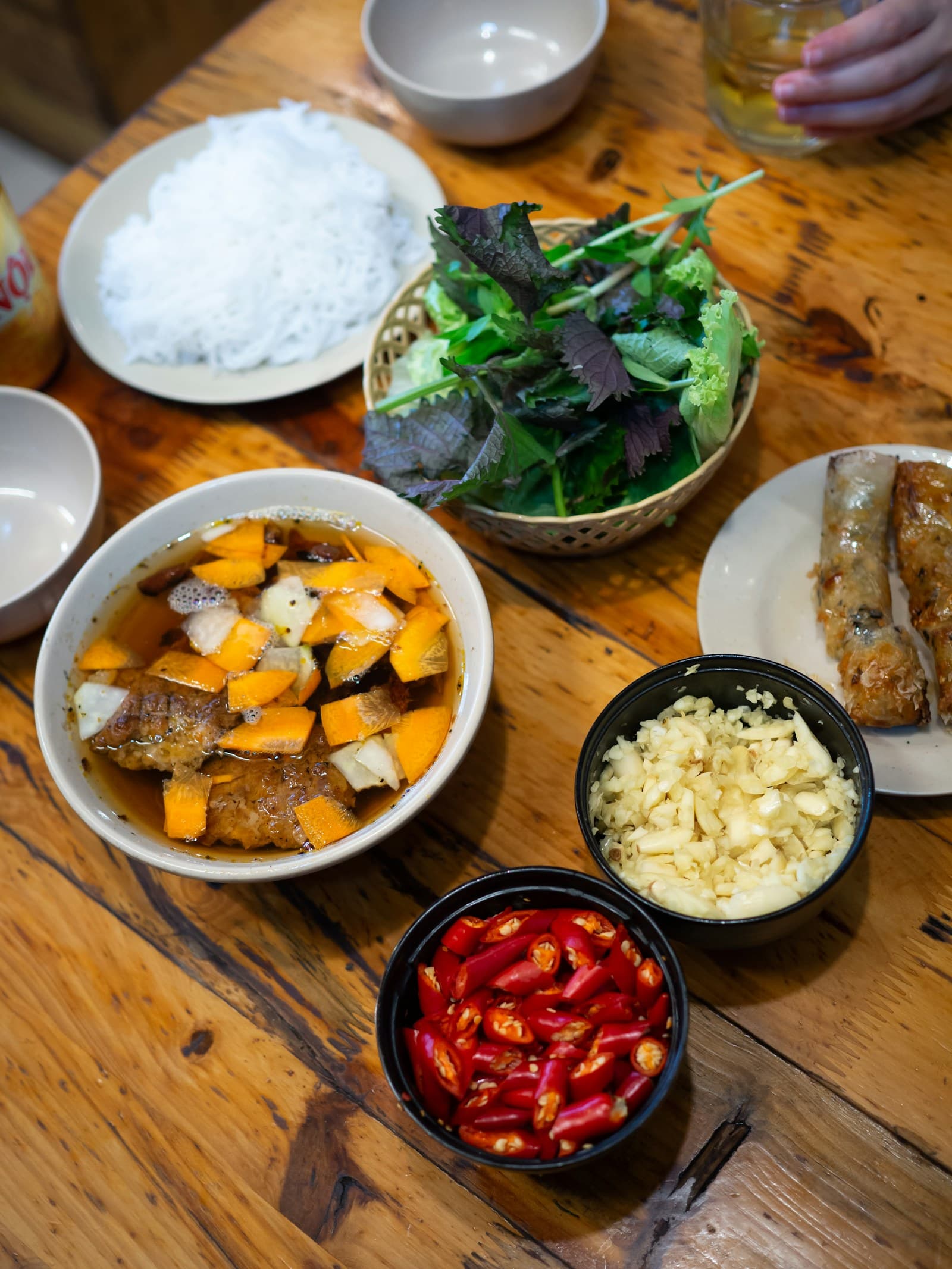
Bun cha is Hanoi's signature — grilled pork patties + cold rice vermicelli + dipping broth with carrots and herbs. Cao lau is Hoi An's (noodles served only there, made with water from a specific well). Mi quang is Da Nang's. Every region has its own.

Vietnamese iced coffee in a glassDrink

Vietnamese coffee

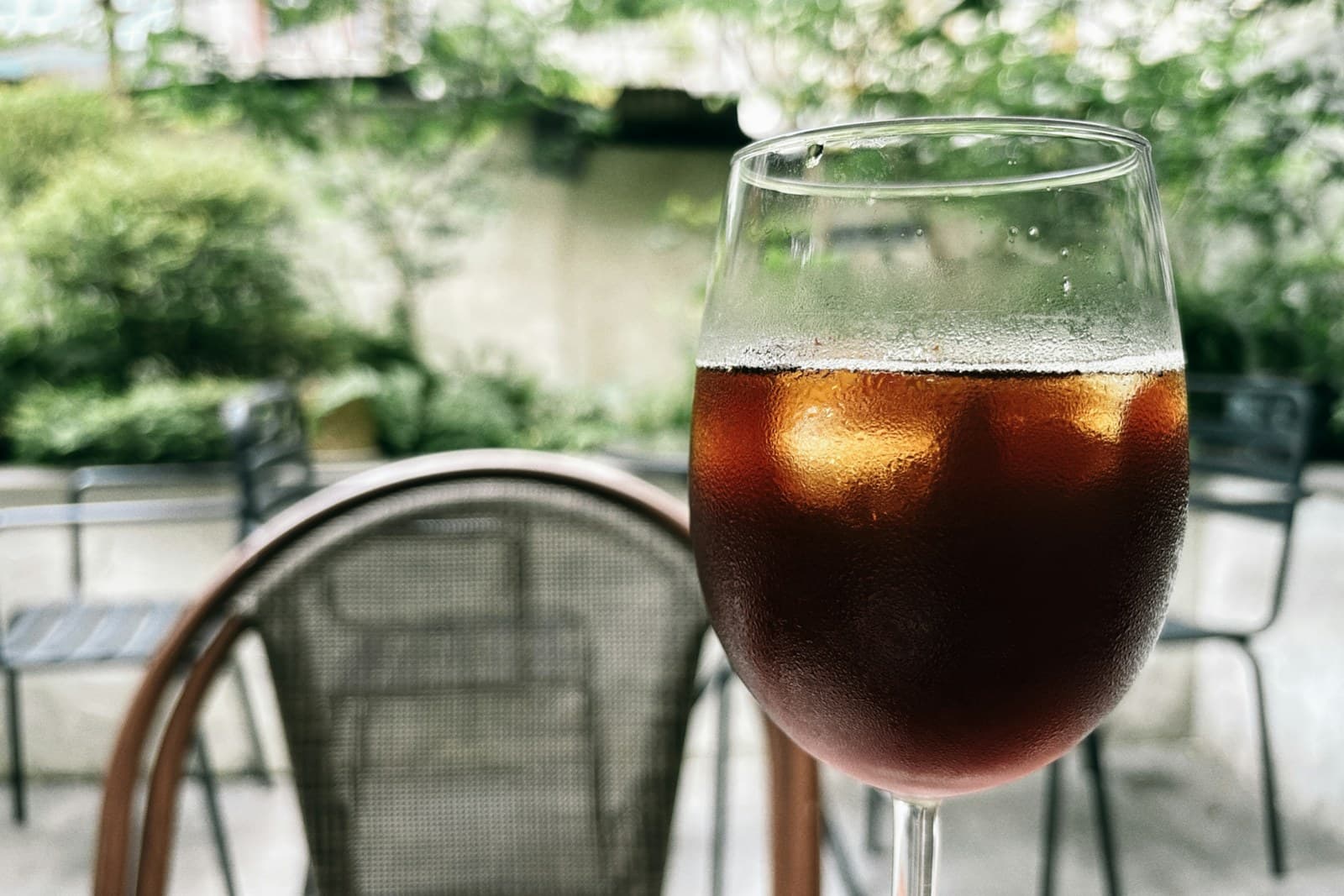
World's second-largest coffee producer (robusta). Cà phê sữa đá: dark drip-coffee + condensed milk + ice = jet fuel. Egg coffee (Hanoi): cà phê + whipped egg yolk + sugar = liquid tiramisu. Coconut coffee (Saigon): cà phê + coconut milk + ice. The whole country runs on it.

Dense Vietnamese motorbike traffic in a city streetExperience

Motorbike culture

45 million scooters for 100 million people. Crossing Saigon traffic on foot is a Zen exercise — walk steady, don't stop, don't run; the bikes flow around you. For more, rent one (€8/day) and do the Hai Van Pass between Da Nang and Hue, or the Ha Giang loop in the far north (4 days).

Vietnamese woman in traditional ao dai with conical hatCraft

Ao dai & silk

The áo dài is the silk tunic-and-pants worn over silk trousers — Vietnam's national dress, formal but not fussy. Hoi An is the tailoring capital: 200+ shops will custom-make one in 24 hours (€60–150 for silk; €100–250 for a suit). Yaly, BeBe, A Dong are the higher-end picks.

Regions to know

To frame your trip by what you have time for and what you're after.

North (Hanoi, Halong, Sapa)

Hanoi, Halong Bay, Sapa, Ninh Binh, Ha Giang loop

Most flights from Europe and Asia land at Hanoi (HAN) or Saigon (SGN). The north has four real seasons — autumn (Oct–Nov) is the prettiest. Halong, Sapa, and Ninh Binh are all within 2–6 hours by bus or train from Hanoi.

Centre (Hoi An, Hue, Da Nang)

Hoi An, Hue, Da Nang, Phong Nha

The country's tightest tourist zone — Hoi An (lanterns + tailoring), Hue (imperial), Da Nang (beach + bridges + airport), Phong Nha (caves). Fly into Da Nang (DAD) for direct access. April–August is the dry window; September–November can flood.

South (Saigon, Mekong)

Ho Chi Minh City, Mekong Delta, Cu Chi tunnels, Vung Tau

Tropical year-round, with a May–September monsoon. Saigon (HCMC) as base. Day trips to Cu Chi tunnels (90 min north) and the Mekong Delta (1–3 days southwest). Cooler in the central highlands (Da Lat) 6 hours northeast.

Central highlands

Da Lat, Kontum, Pleiku, coffee plantations

Cooler, mountainous, the source of most of Vietnam's coffee. Da Lat is a French-built hill station with pine forests and waterfalls. Off the standard tourist circuit — best for a second trip or a slow extension.

Phu Quoc & islands

Phu Quoc, Con Dao, Nam Du

Phu Quoc is the biggest and easiest (direct flights, resorts, beaches). Con Dao is the off-the-radar one — former prison island, now a marine reserve. Best November–April; closed-feeling May–October.

Far north (Ha Giang loop)

Ha Giang, Dong Van karst plateau, Meo Vac

A 350km motorbike loop on the Chinese border — limestone karsts, Hmong markets, hairpin passes. Done in 3–5 days, usually with an Easy Rider (local biker who drives you). Cooler year-round, snow in winter. The Vietnam few tourists ever see.

Suggested itineraries

Three lengths, depending on time. Fork any of them into WePlanify.

7d

North highlights — 7 days

Hanoi + Halong + Sapa OR Ninh Binh. Tight but doable if you don't add the south.

  • Day 1–2: Hanoi (Old Quarter, egg coffee, bun cha)
  • Day 3–4: Halong Bay overnight cruise
  • Day 5–7: Sapa OR Ninh Binh (trekking or boats), back to Hanoi
14d

Full Vietnam top-to-bottom — 14 days

Two internal flights (HAN → DAD, DAD → SGN). The canonical first-trip itinerary.

  • Day 1–2: Hanoi
  • Day 3–4: Halong Bay overnight cruise
  • Day 5–6: Ninh Binh
  • Day 7: Fly Hanoi → Da Nang
  • Day 8–10: Hoi An (lanterns, tailor, beach, cooking class)
  • Day 11: Hue or Golden Bridge day trip
  • Day 12: Fly Da Nang → Saigon
  • Day 13: Saigon + Cu Chi tunnels
  • Day 14: Mekong Delta day trip, fly home from SGN
21d

Vietnam deep — 21 days

Add Sapa, Phong Nha, and Phu Quoc to the 14-day frame. Three weeks is the right format for the country.

  • Day 1–3: Hanoi + day trip
  • Day 4–5: Sapa (overnight train from Hanoi, trekking)
  • Day 6–7: Halong Bay cruise
  • Day 8–9: Ninh Binh
  • Day 10–11: Phong Nha (caves)
  • Day 12–14: Hoi An + Hue
  • Day 15–16: Saigon
  • Day 17: Mekong Delta
  • Day 18–21: Phu Quoc

Daily budget

Per person, excluding flights. Three comfort tiers.

Backpacker
30/day

Hostel dorm or basic hotel (€8), street food (€8), local buses + Grab bike (€5), one paid activity (€9). Vietnam on a backpacker budget is one of Asia's biggest bargains — pho for €2, hotels for €8.

Mid-range
80/day

Boutique hotel or 4-star (€45), one sit-down dinner + casual meals (€20), domestic flights averaged + Grab (€10), entries + activities (€5). The right tier — Vietnam mid-range is what European budget would be.

Comfortable
200/day

Resort or luxury heritage hotel (€130), one fine-dining dinner (€50), private driver + business-class domestic (€15), guide / private boat (€5). Honeymoon and resort-trip tier.

Per person, excluding international flights. The dong (VND) has many zeros (24,000+ to €1) — easy to miscount. ATMs everywhere; cards work in cities, cash for street food and rural areas. Vietjet and Bamboo Airways internal flights run €25–70 booked 2–4 weeks ahead.

Cultural do's & don'ts

Small moves that matter — and the ones that make everyone uncomfortable.

  • Get the e-visa online 3–5 days before your trip at evisa.xuatnhapcanh.gov.vn. About US$25; e-visas are now 90 days, single or multi-entry. The visa-on-arrival scheme still exists but is slower and only saves you a few dollars.

  • Get a SIM card on arrival (Viettel or Mobifone, 100,000–200,000 VND for 30 days unlimited). Grab (the regional Uber) needs a working number to verify; it's the only way to move around cities reliably.

  • Walk slowly across Saigon and Hanoi traffic. Don't stop, don't run, don't change pace. The bikes are looking for your trajectory and will go around you. Hesitating is what gets people hit.

  • Don't take a metered taxi without explicitly using Vinasun or Mai Linh in the south, or G7 / Taxi Group in the north. Other 'metered' cars run rigged meters. Grab is safer end-to-end — fixed price, no haggling, no rip-offs.

  • Carry cash. Street food, small hotels, taxis, and rural Vietnam are all cash-only. ATMs are everywhere in cities but charge 30,000–55,000 VND per withdrawal — take out the max (3M VND) at once.

  • Don't drink tap water. Bottled water is 5,000–10,000 VND a bottle everywhere. Ice in proper restaurants is safe (commercial machines); street-stall ice is questionable in rural areas.

  • Eat where the plastic stools are full. Empty street-stalls are empty for a reason. Vietnamese street food is one of the world's safest — hot, just-cooked, turnover is high.

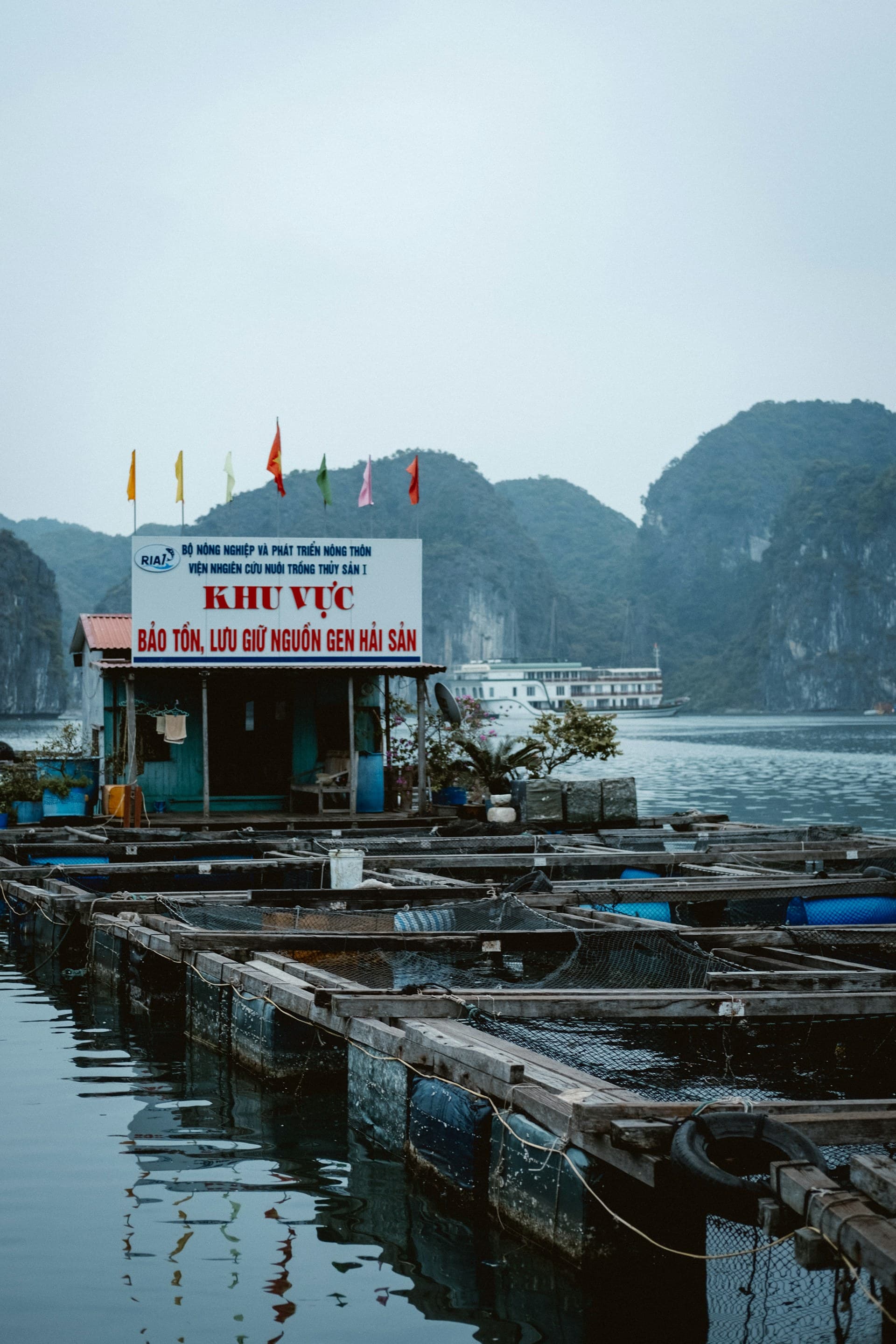
  • Don't book a Halong Bay day trip. It's the most rushed, least scenic version of the experience. Overnight cruises (€80–200/person) include meals, kayaking, cave visits, sunset and sunrise on the water. The day trip is regret.

Plan your Vietnam trip with your crew

Bring this guide into WePlanify, invite the group, and build the trip together. Shared map, polls, shared budget — all free.