WePlanify logo
Country guide · Europe

Spain
travel guide

Opinionated Spain travel guide for 2026: best season, Barcelona to Sevilla, regional food, honest budgets, cultural do's and don'ts. For first and repeat trips.

EuropeEUR80340 /day

Build your itinerary with your group — free, 30 seconds.

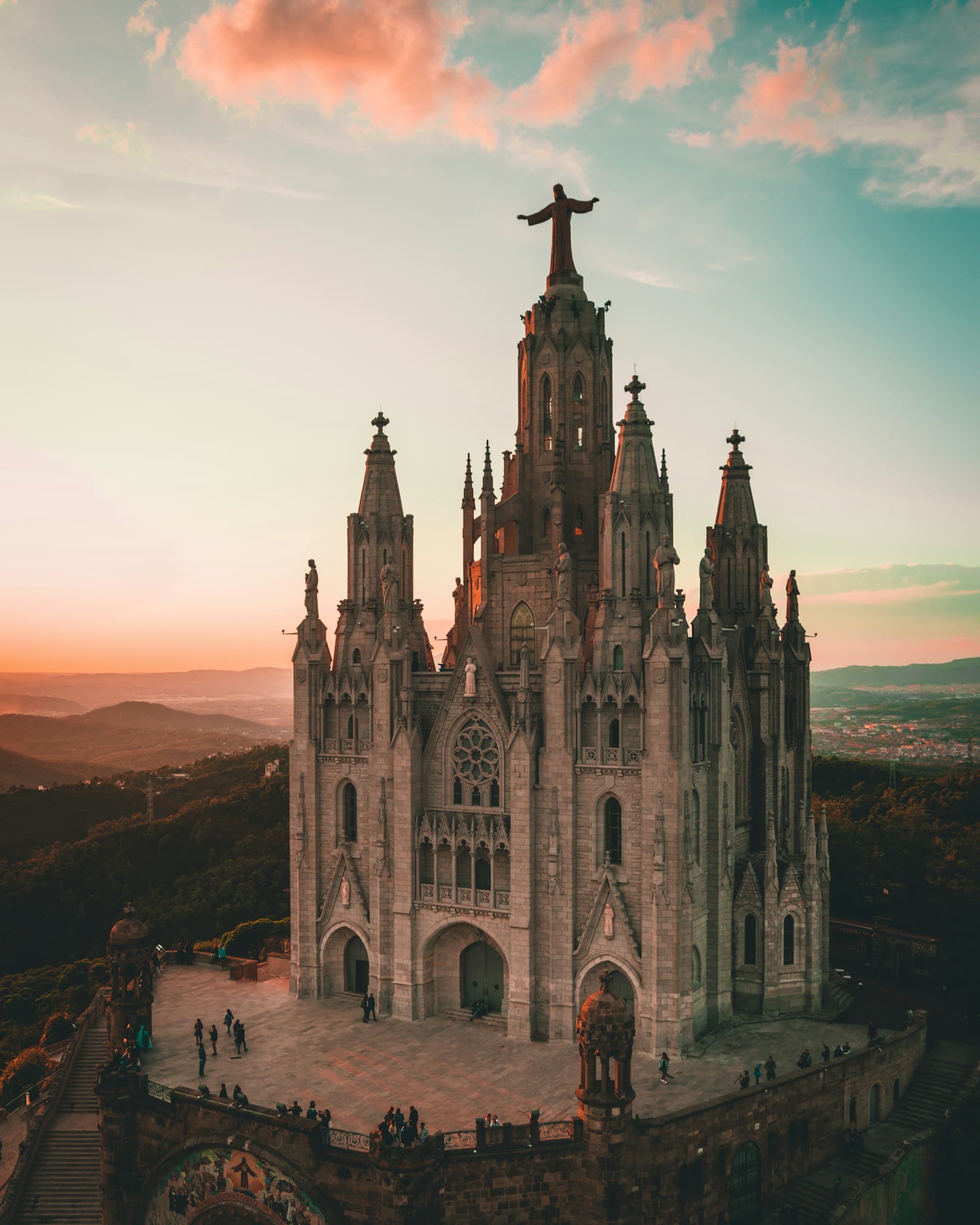
Tibidabo basilica above Barcelona at sunset

Spain is way more regional than people expect. Catalonia, the Basque Country, Andalusia, Galicia — different languages, different food, different identities under one passport. 'Tapas' in Madrid mean something different from 'pintxos' in San Sebastian, and paella isn't really a Madrid thing at all (it's Valencian).

First trip: Madrid, Barcelona, maybe Sevilla — high-speed train (AVE) links them in 2–3 hours. Second trip: the Andalusia loop — Sevilla, Cordoba, Granada, Ronda — for the Moorish history and white hill towns. Third trip: the north — San Sebastian for the food, Bilbao for the Guggenheim, the Camino de Santiago for the long walk.

Two practical things. Dinner is at 9–11pm, lunch at 2–4pm. Restaurants outside tourist zones are closed 4–8pm; show up at 7pm and you'll be eating alone with other tourists. And the south is brutal in summer — Sevilla and Cordoba sit at 40°C through July and August. October is the secret best month: warm, calm, cheap.

Quick facts

CapitalMadrid
LanguageSpanish (Castilian) · Catalan / Basque / Galician regionally
CurrencyEUR €
TimezoneCET (UTC+1)
PlugType C / F · 230V
DrivingRight
Visa

Schengen — visa-free up to 90 days for EU, UK, US, Canada, Australia passports.

When to go

Three windows to know: best, shoulder, and the one to avoid.

Best window

April – June · September – October

Warm without being punishing, the sea is swimmable from mid-May, and the post-Easter / pre-school-break windows are the calmest. Spring fiestas (Sevilla's Feria de Abril, Valencia's Las Fallas) fall in here — book months ahead if you want to align.

Shoulder

March · November – early December

Mild in Andalusia (15–20°C), cool in Madrid and the north. Very few crowds, lower prices, restaurants take you seriously. Beach towns largely shut.

Avoid

Mid-July – August · Christmas / New Year

Sevilla and Cordoba sit at 40°C+ through summer; locals leave. Coastal resorts triple-price. Christmas in Madrid and Barcelona is packed, hotels at peak; the same in Sevilla for Semana Santa (movable, usually March/April).

Must-see places

Spots that justify the trip on their own. Tap to open in Maps.

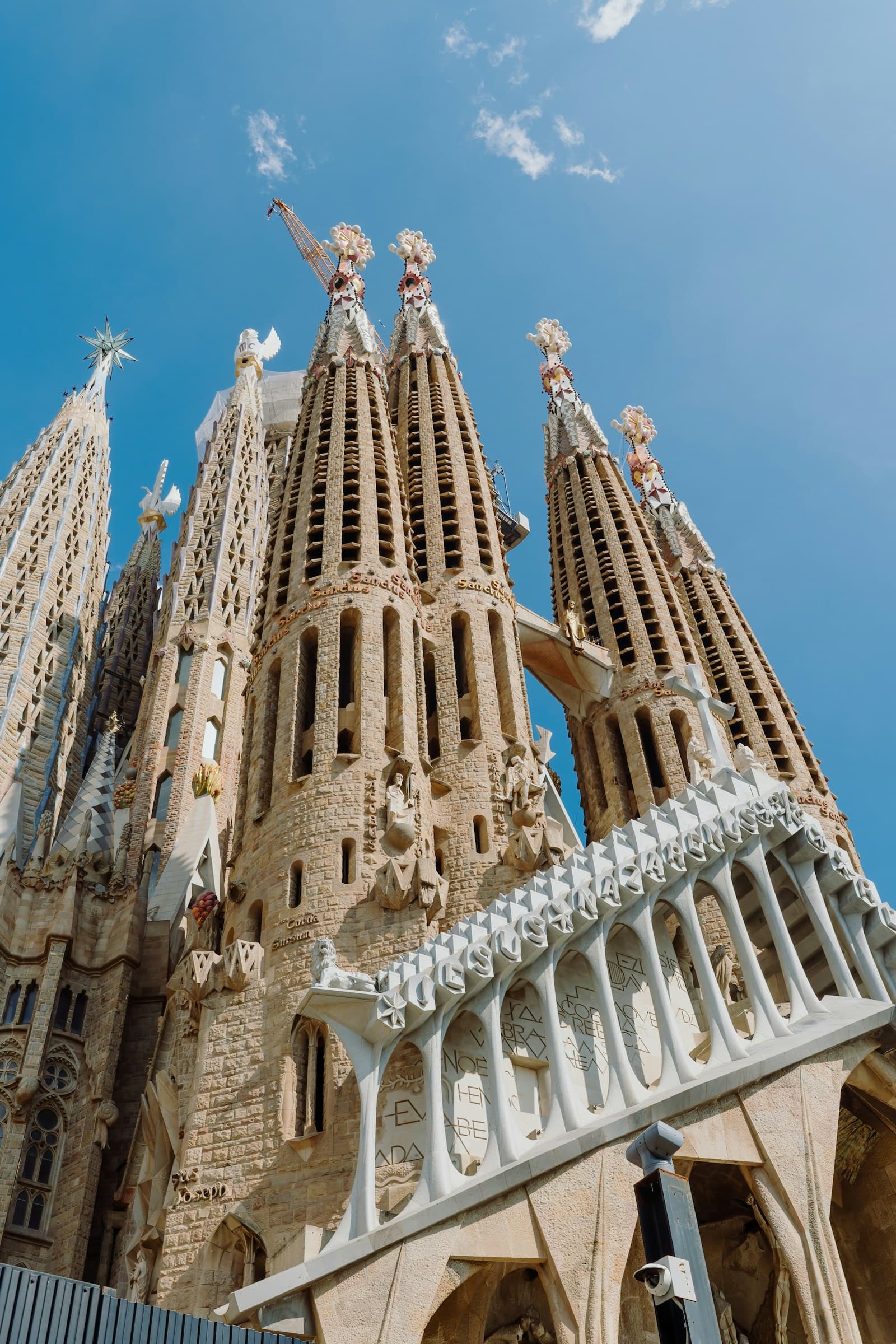
Sagrada Familia exterior with Gaudí's organic spires
Barcelona, Catalonia

Sagrada Familia

Gaudí's unfinished basilica is the visit that justifies the trip. Book online 2–4 weeks ahead with the tower-access add-on for the Nativity facade — the view down into the nave through the stained glass is the moment.

Gaudí's mosaic serpent bench at Park Güell with city view
Barcelona, Catalonia

Park Güell

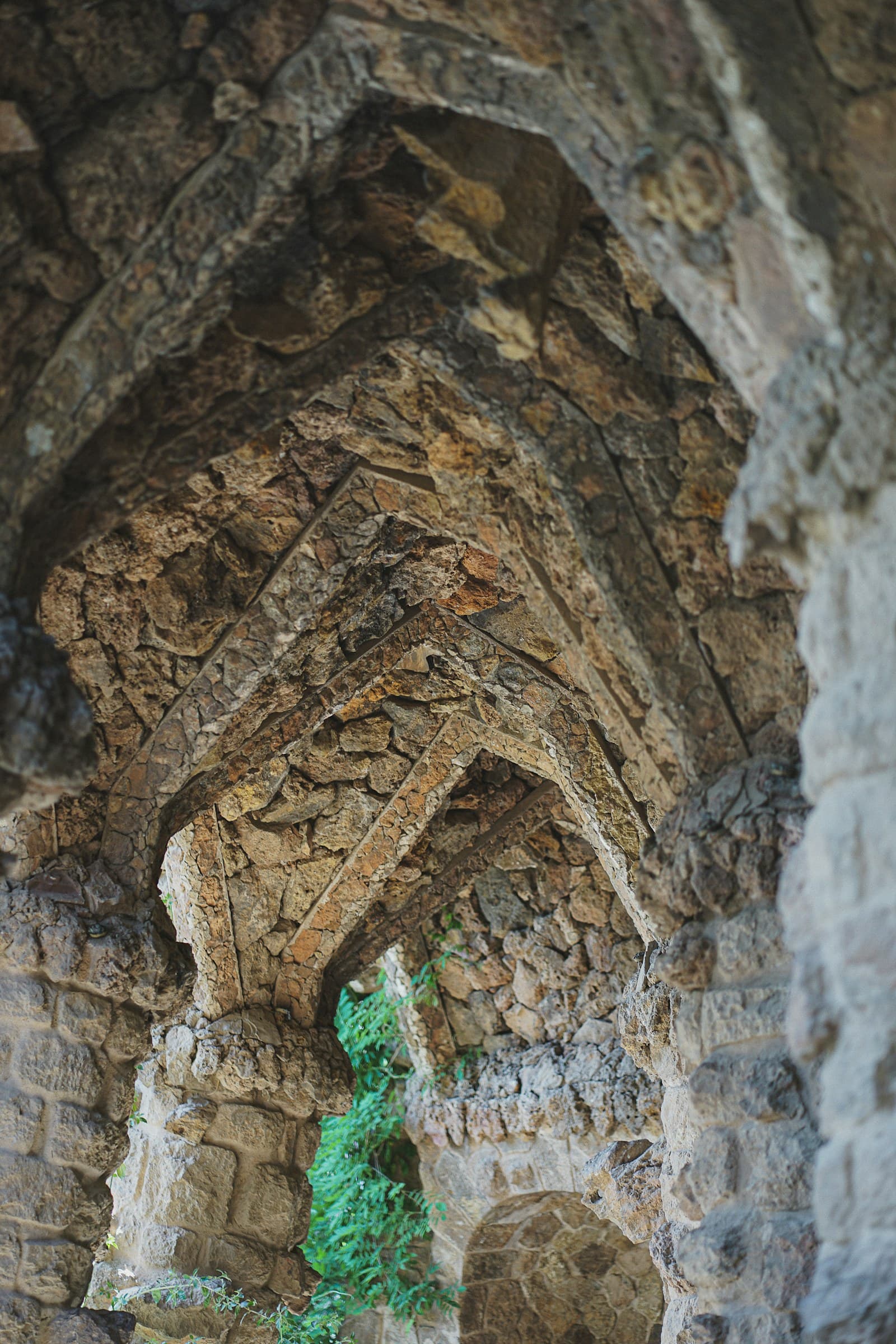
The Monumental Zone (with the mosaic dragon and serpent bench) requires a timed ticket — book a week ahead. Arrive at the 8am slot for the view down to the sea without the crowd.

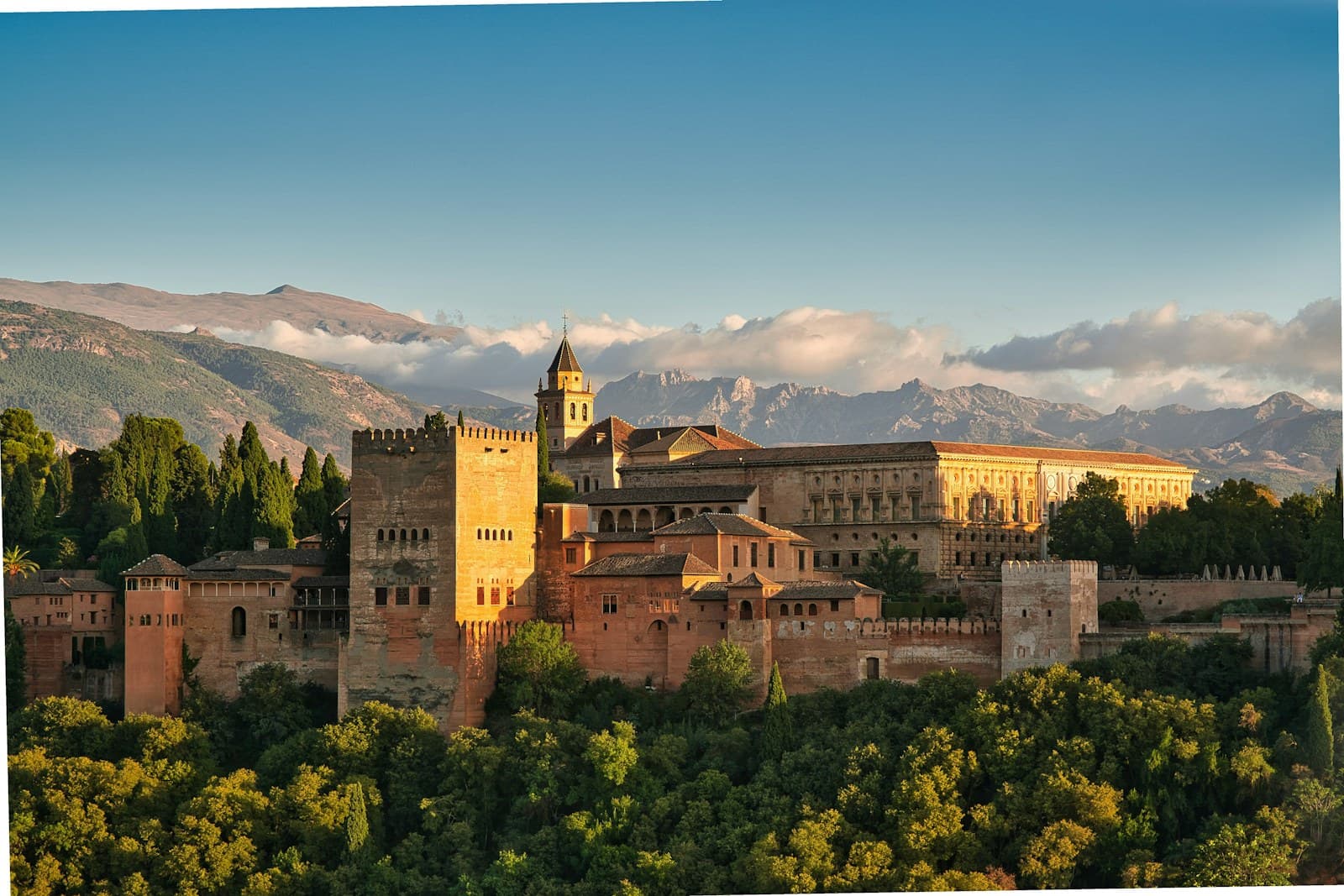
Alhambra palace overlooking Granada at sunset
Granada, Andalusia

Alhambra & Generalife

The Nasrid Palaces sell out 2+ months ahead in high season — the moment they release tickets at 8am Granada time, buy. Twilight visit (the last entry) is the best light, fewest people.

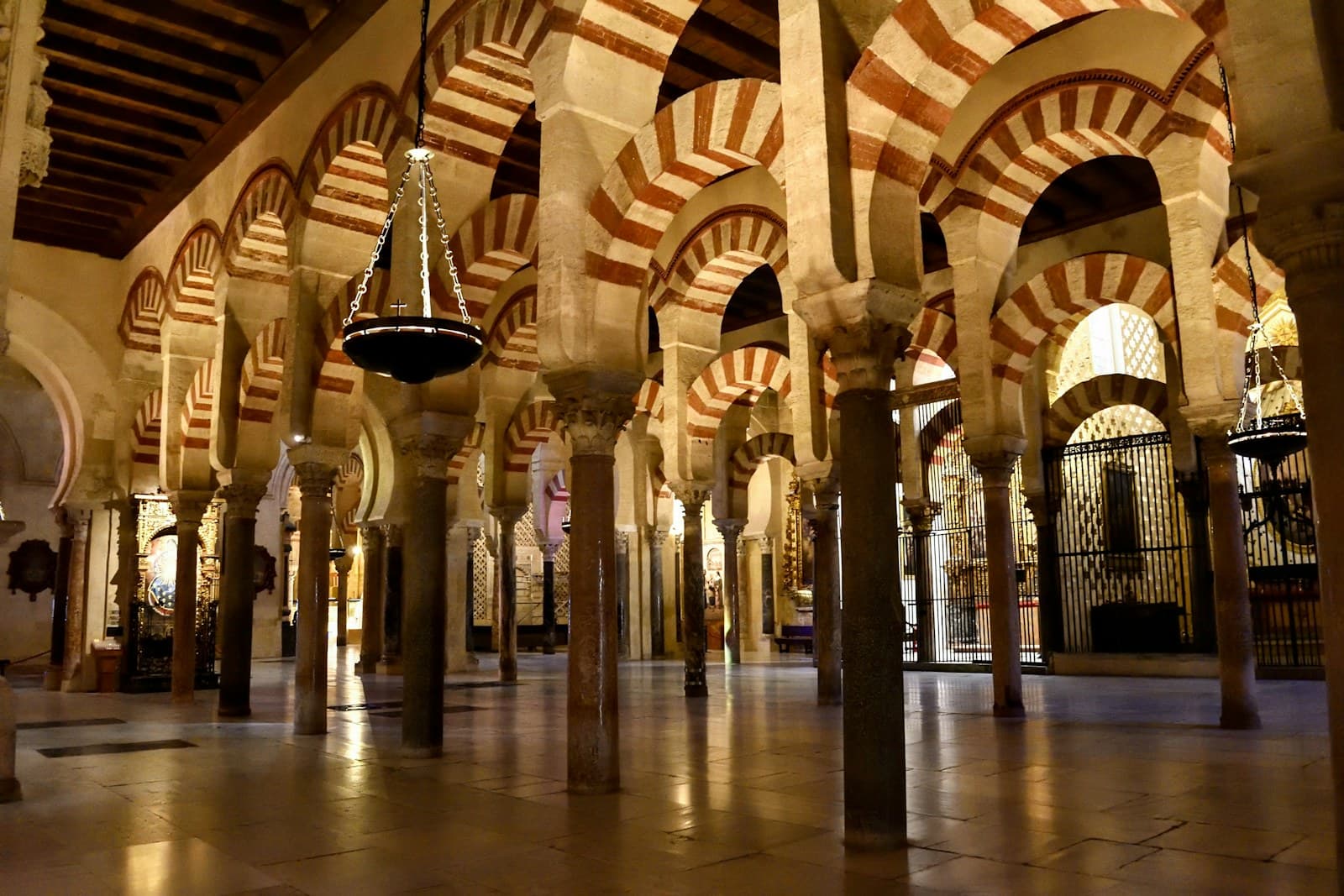
Horseshoe arches of the Mezquita-Cathedral in Córdoba
Córdoba, Andalusia

Mezquita-Cathedral of Córdoba

856 red-and-white horseshoe arches inside a mosque inside a cathedral — the most visually surreal religious building in Europe. Free entry between 8:30 and 9:30am Mon–Sat; full ticket the rest of the day.

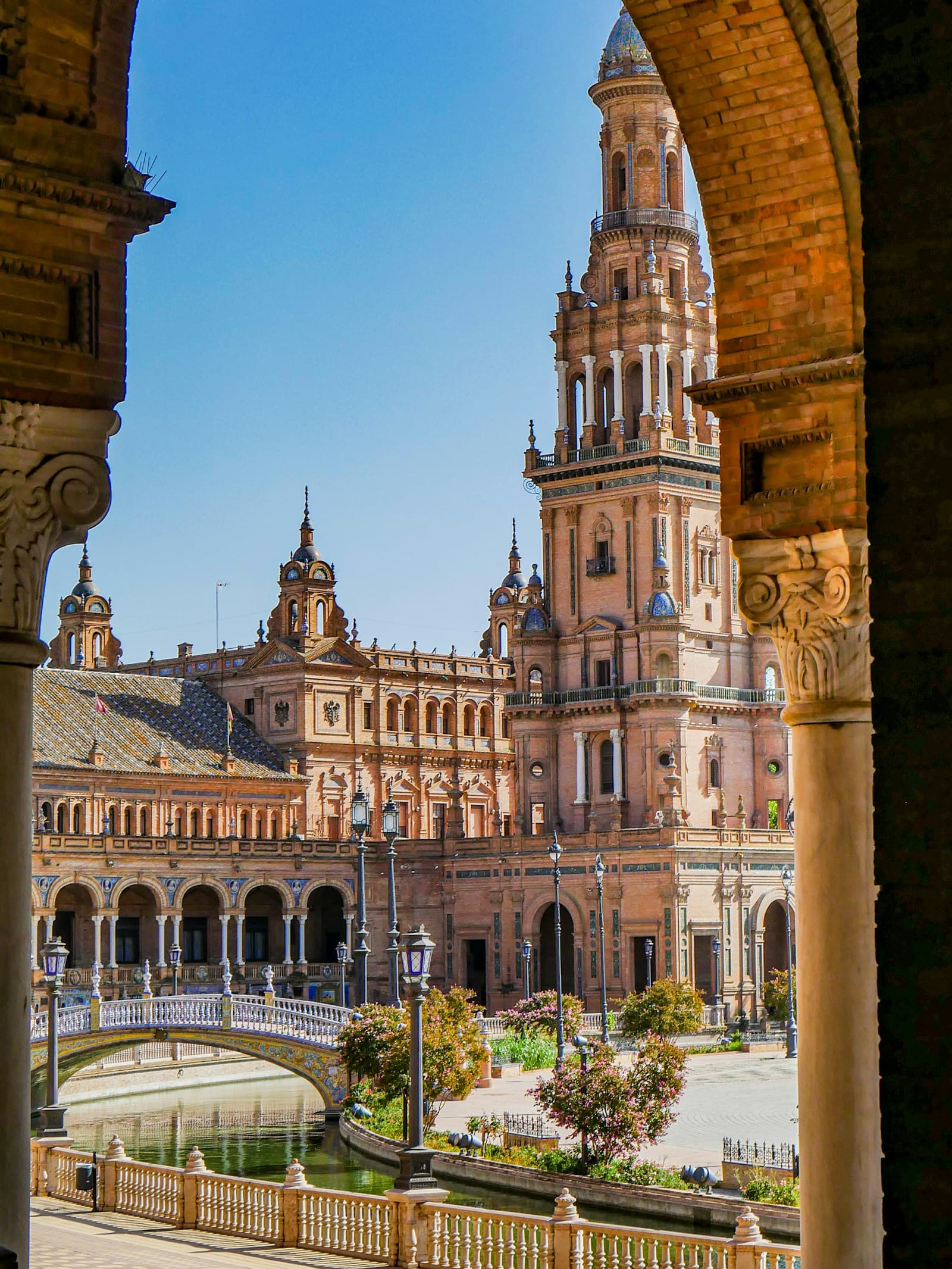
Tiled bridge and curved colonnade of Plaza de España in Sevilla
Sevilla, Andalusia

Plaza de España & Real Alcázar

Plaza de España is free and was Naboo in Star Wars Episode II. The Alcázar nearby is Game of Thrones' Dorne (Sunspear). Pair them with the Cathedral's Giralda tower climb for a half-day Sevilla classic.

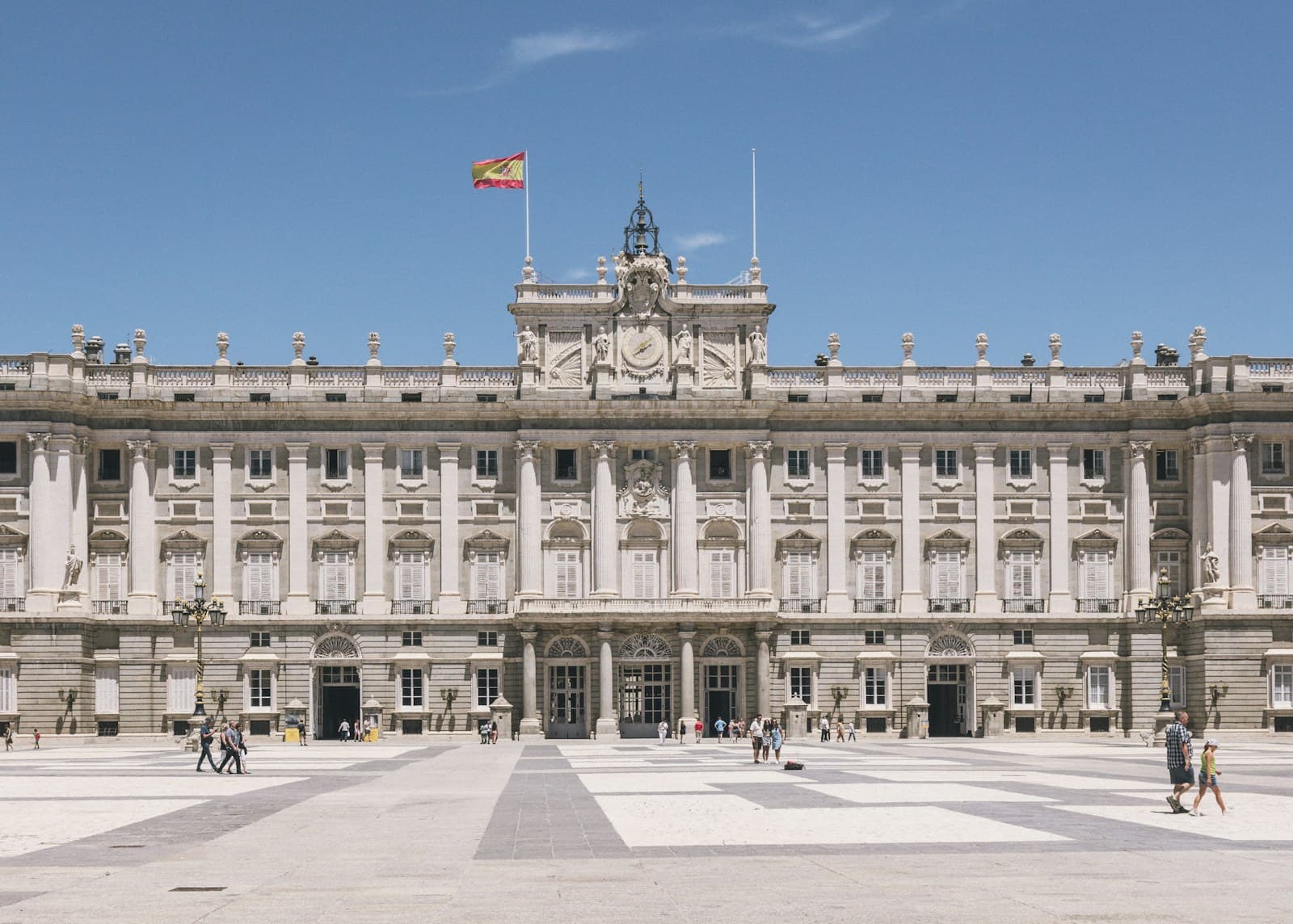
Madrid Royal Palace facade with cathedral in the foreground
Madrid

Madrid — Prado, Royal Palace, Retiro

The Prado for the Velázquez and Goya rooms (free 6–8pm weekdays, 5–7pm Sunday). Royal Palace second-largest in Europe by floor space. Walk the Retiro at dusk like every madrileño does.

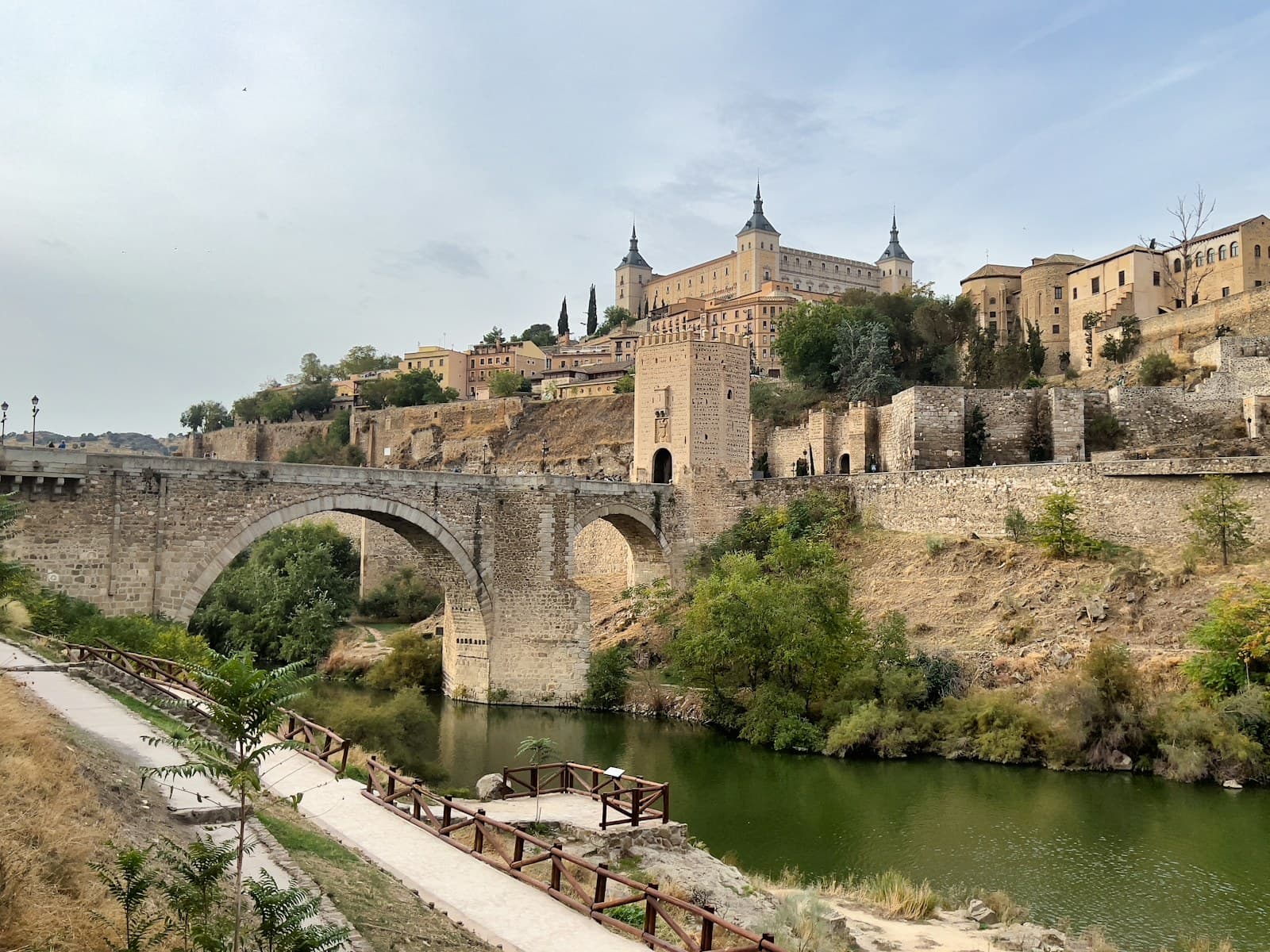
Medieval Toledo cityscape with cathedral and Alcázar on a hill
Castilla-La Mancha

Toledo

30-minute AVE from Madrid — the day trip almost everyone underestimates. Three cultures (Christian, Jewish, Moorish) layered on a hilltop. Stay one night to see it empty after the day-trippers leave.

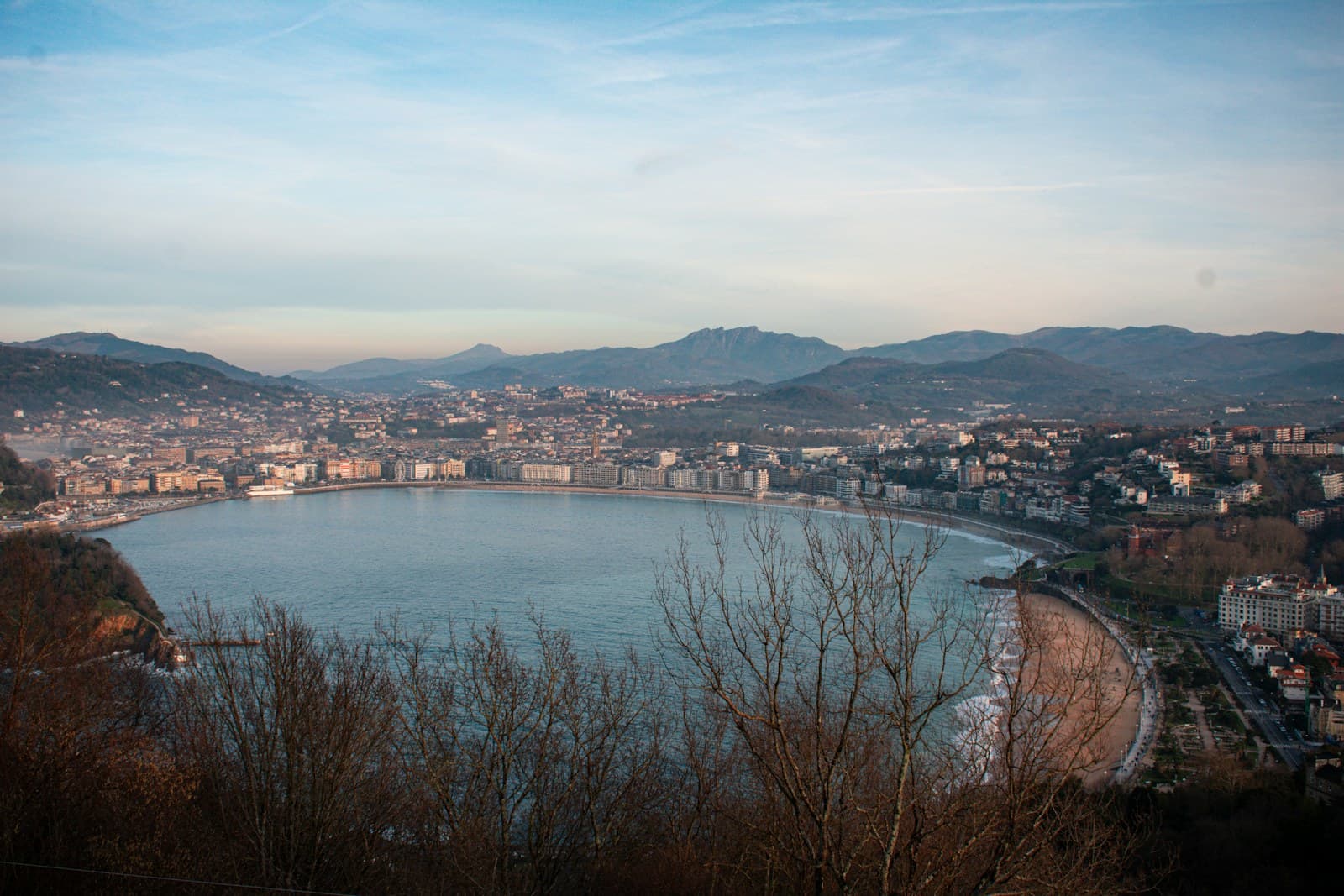
La Concha bay in San Sebastián with golden sand and surrounding hills
Basque Country

San Sebastián (Donostia)

La Concha is one of Europe's most perfect city beaches; Parte Vieja has the densest pintxo crawl on earth (Bar Goiz Argi, Borda Berri, La Cuchara de San Telmo). Three Michelin three-stars within an hour — the world's highest density.

Turquoise cove on the Mallorca coast with limestone cliffs
Balearic Islands

Mallorca

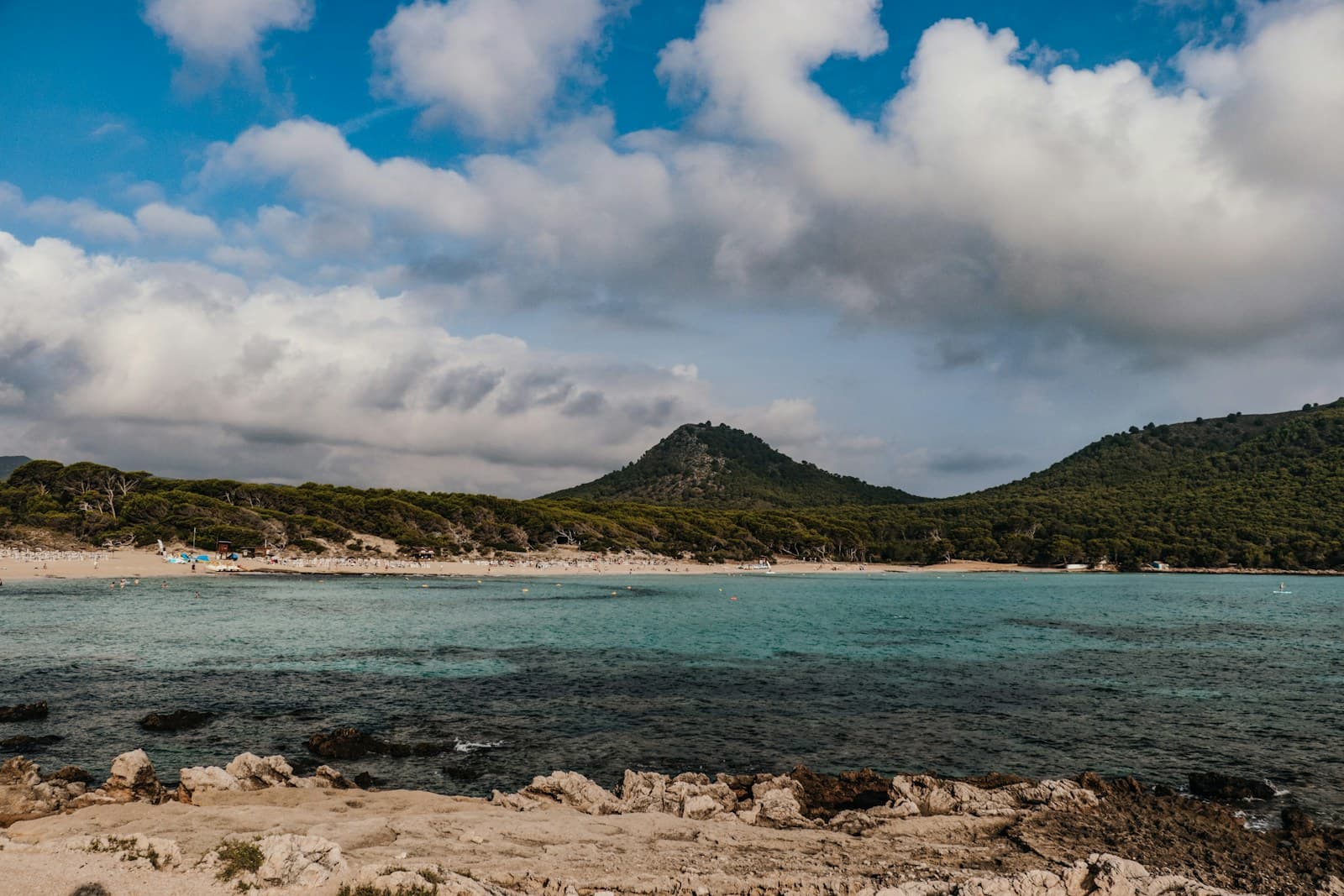
Skip the package-holiday south coast — go for the Tramuntana mountains (Deià, Sóller, Pollença) or the calas (turquoise coves) of the east. Best in May–June or September.

Puente Nuevo bridge over El Tajo gorge in Ronda
Málaga, Andalusia

Ronda

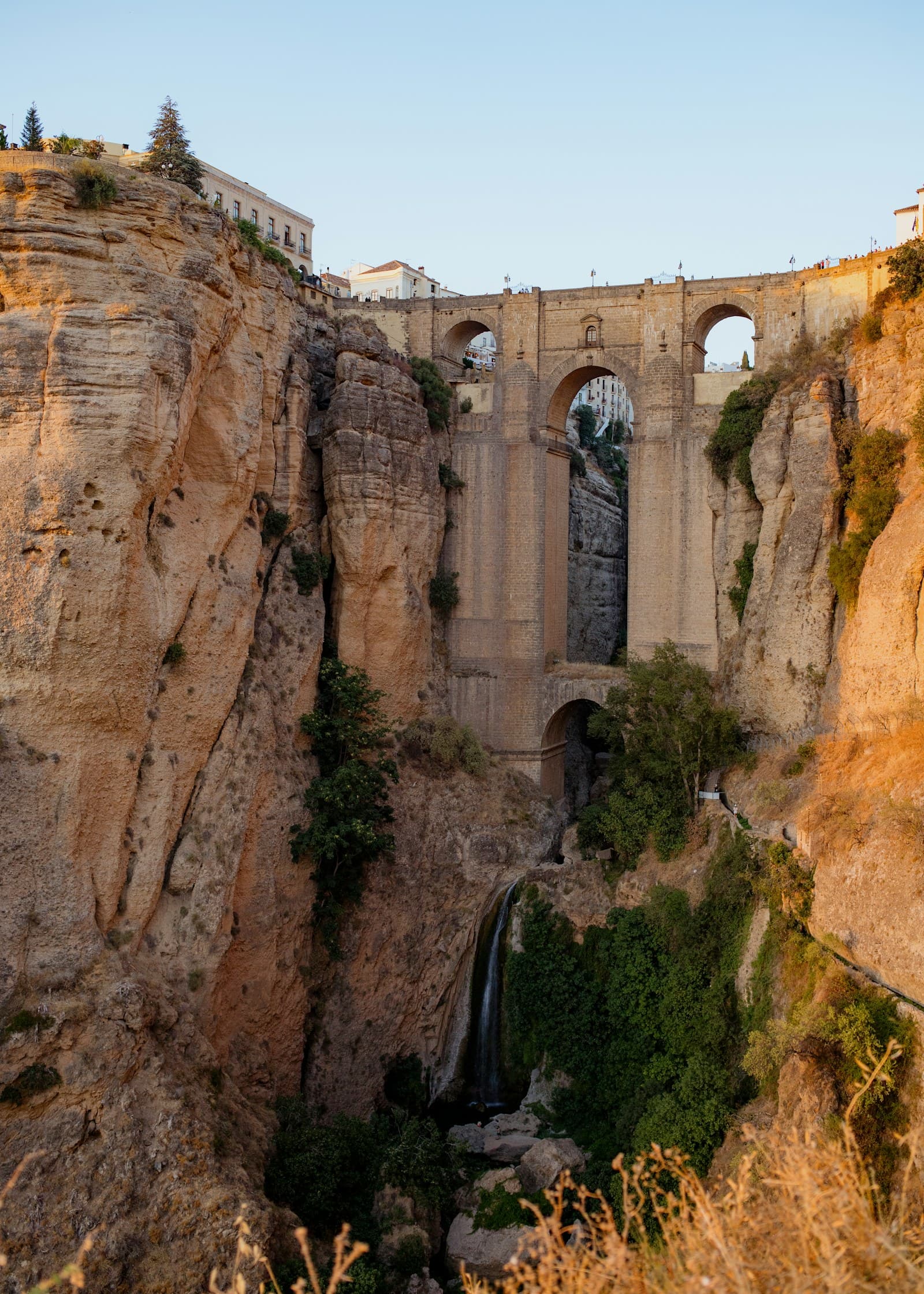
A white town on a cliff split by the Puente Nuevo — a 120m bridge spanning the El Tajo gorge. Half-day from Sevilla or Málaga, but stay overnight to see the bridge lit and empty.

Whitewashed Andalusian village on a hillside
Cádiz / Málaga, Andalusia

Pueblos Blancos (white villages)

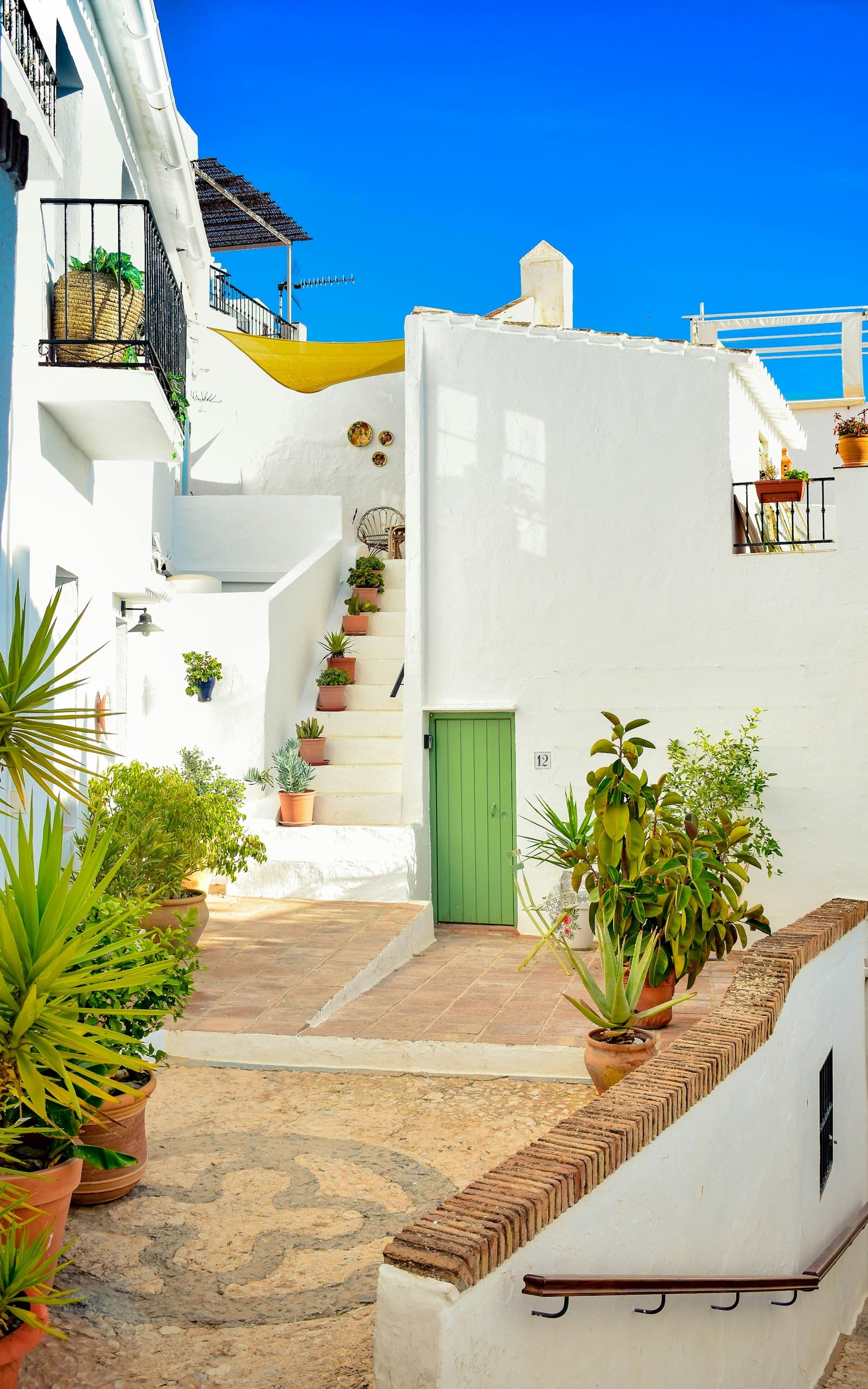
A chain of whitewashed villages from Arcos de la Frontera to Grazalema and Setenil de las Bodegas (built into a rock overhang). Best done by rental car, 2 days, stopping for sherry tastings in Jerez en route.

Santiago de Compostela cathedral facade in Galicia
Galicia

Santiago de Compostela

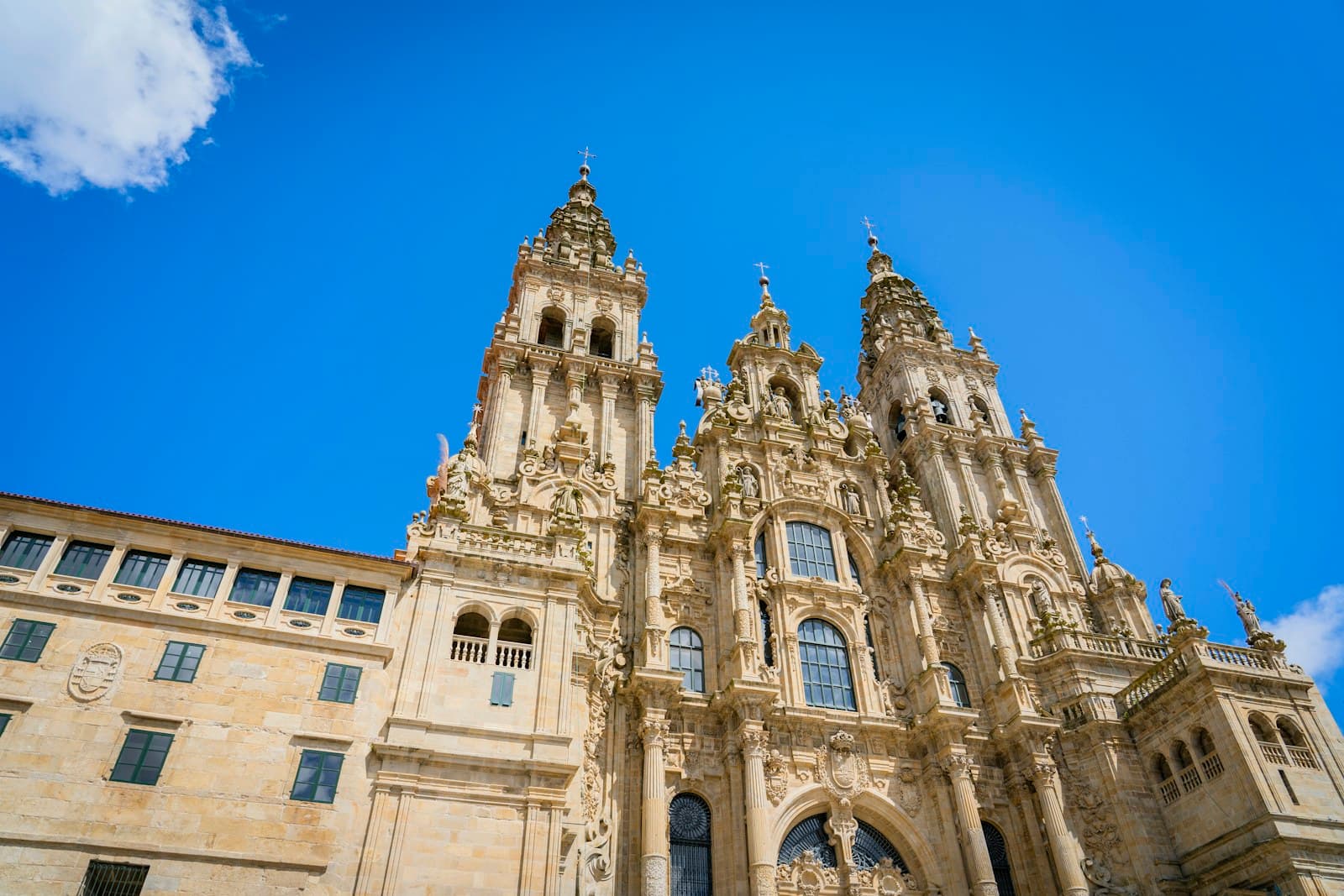
End point of the Camino — the cathedral's Pórtico de la Gloria is a Romanesque masterpiece, the pilgrim mass at noon swings a 53kg incense burner across the nave. Walk the last 100km from Sarria to qualify for the Compostela certificate.

Specialties worth trying

Food, drinks, and experiences this country does better than anywhere else.

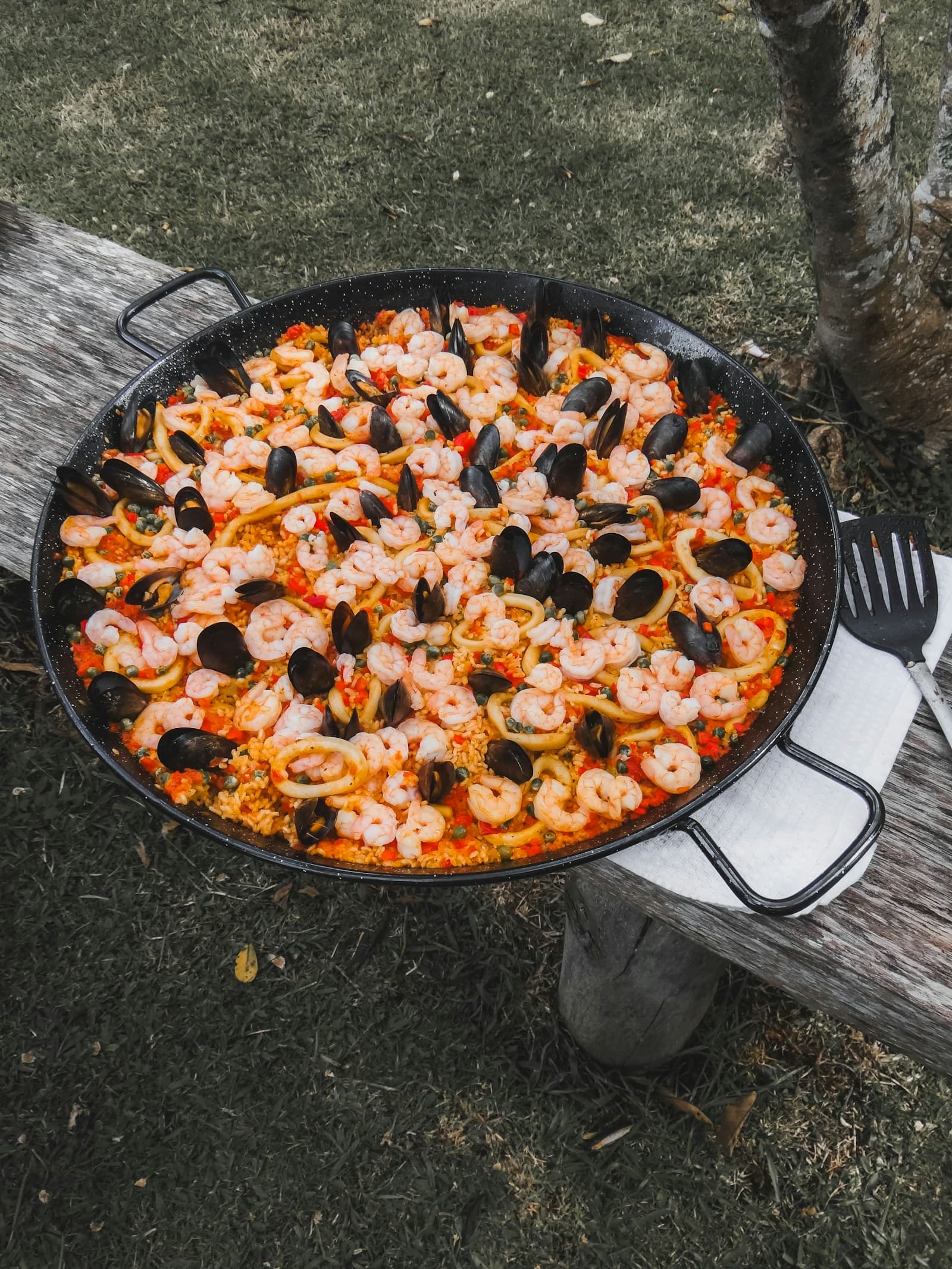
Seafood paella in a large traditional panFood

Paella

Paella is Valencian, not Spanish-everywhere. The original is rabbit + chicken + green beans, no seafood. Seafood paella exists (it's called paella de marisco) and is excellent on the coast. The 'mixed' tourist version with chorizo and prawns is the dish locals warn each other about.

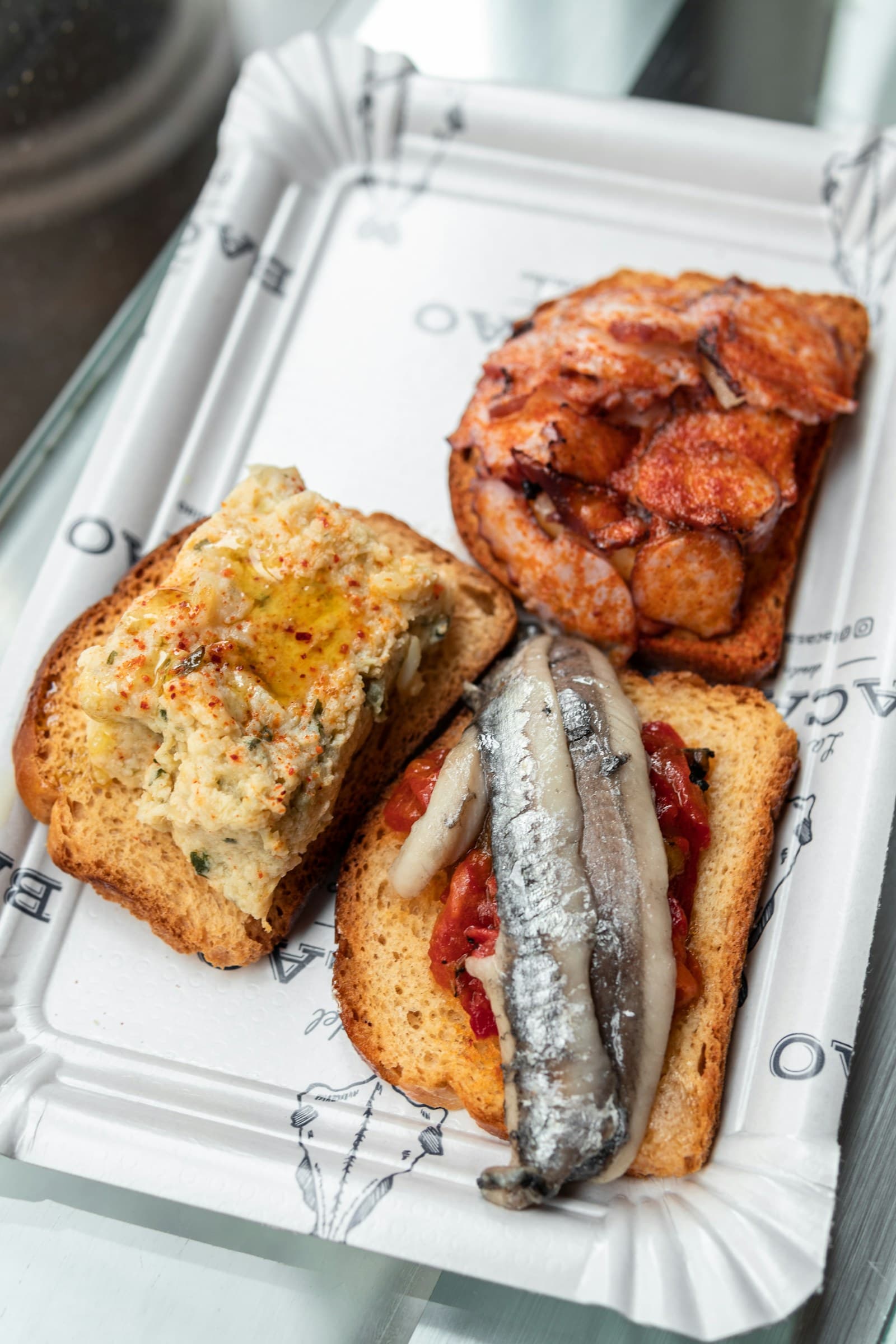
Spanish pintxos lined up on a bar counterFood

Tapas & pintxos

Tapas are small plates ordered from a menu; pintxos (Basque) are individual bites speared on a slice of bread, sitting on the bar — you grab them, count toothpicks at the end, pay. Sevilla and Granada still give free tapas with drinks; Madrid almost never does.

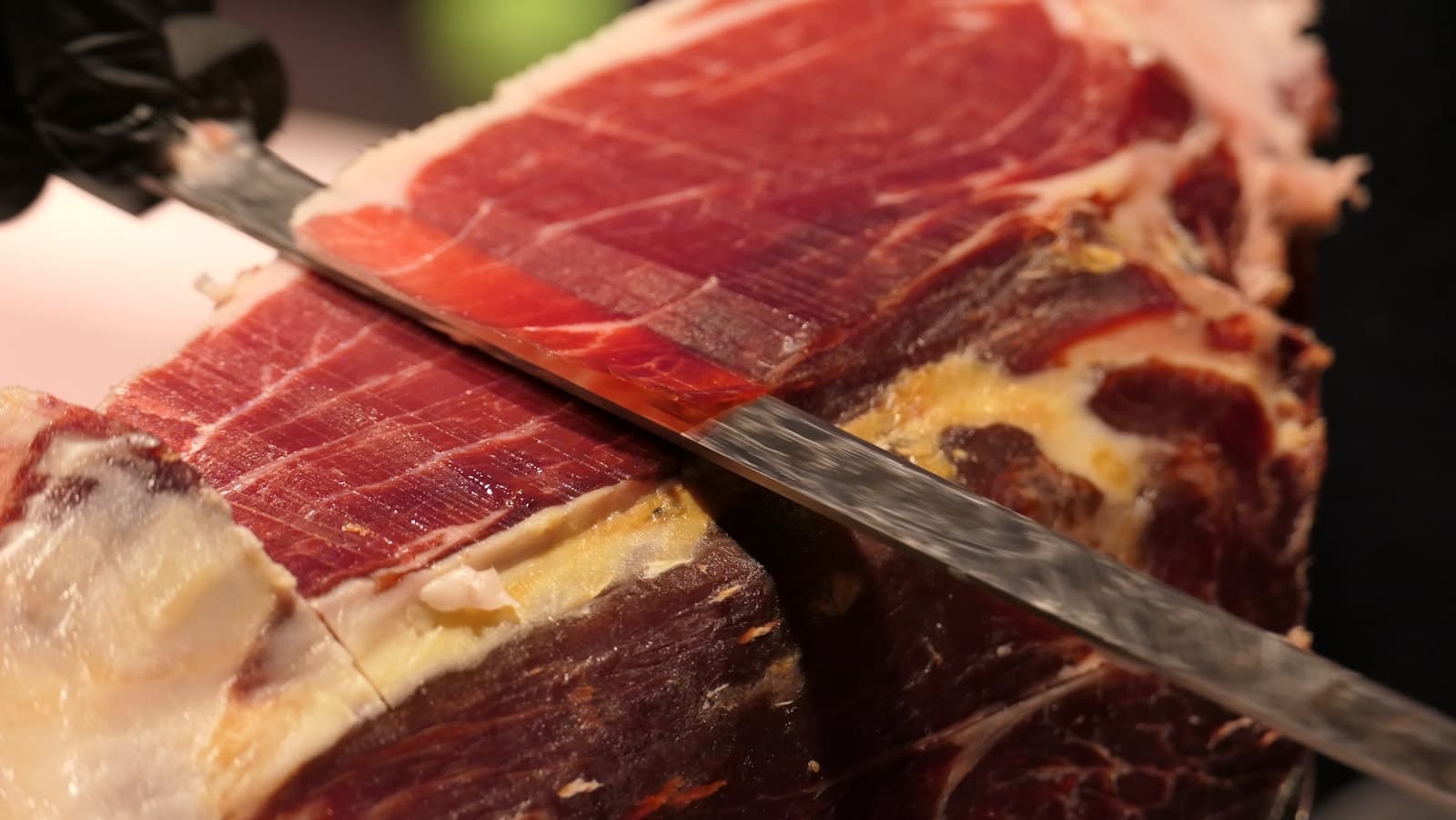
Sliced jamón ibérico on a wooden boardFood

Jamón ibérico

Aged hams from black-hoof Iberian pigs, the finest fed exclusively on acorns (jamón ibérico de bellota). A good plate runs €20–35; the price gap between bellota and serrano is real. Sliced paper-thin, served at room temperature, eaten with the fingers.

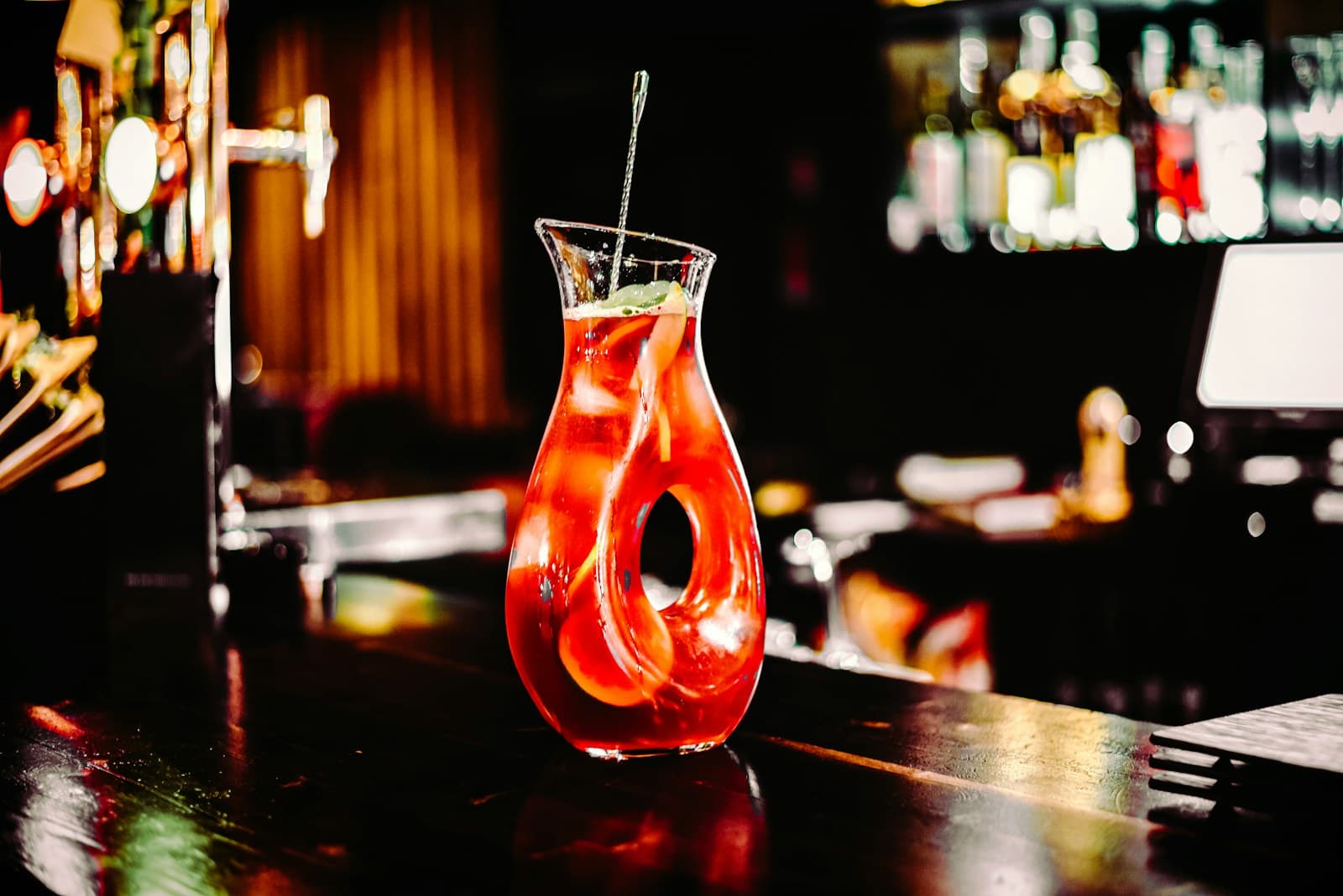
Pitcher of sangria with fruit and wine glassesDrink

Sangria & Spanish wine

Sangria is touristy in most cities; locals drink tinto de verano (red wine + lemon Fanta + ice). Real Spanish wine: Rioja and Ribera del Duero for red, Albariño from Galicia for white, Cava from Catalonia for sparkling. House wine in a taberna is shockingly drinkable for €3 a glass.

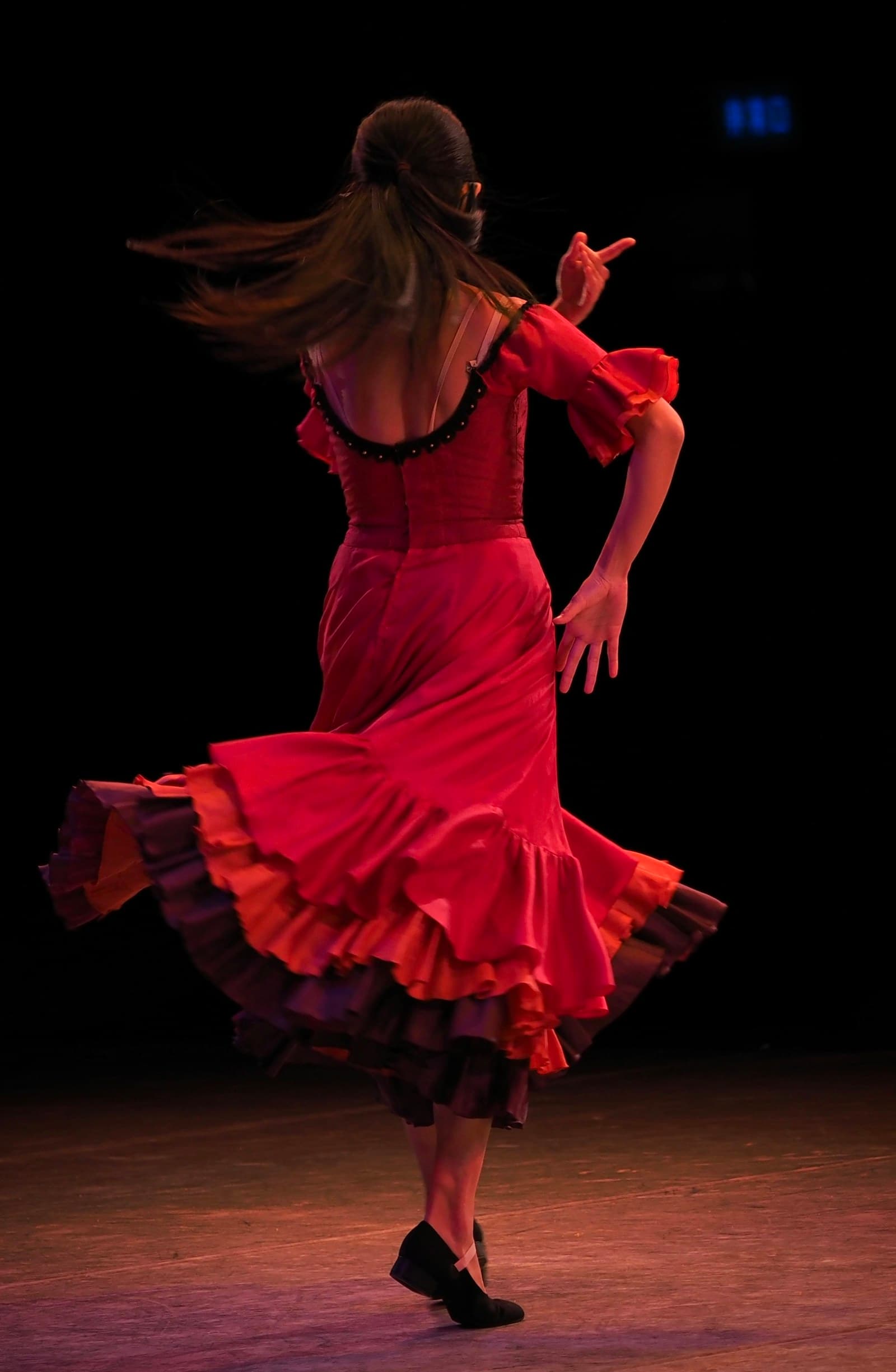
Flamenco dancer in red dress mid-performanceArt

Flamenco

Born in Andalusia. Sevilla, Jerez, and Granada are the home cities; small tablaos (intimate venues, 40–60 seats) beat the big tourist shows. Casa de la Memoria in Sevilla and La Chumbera in Granada are the safe locals' picks. Allow 60–90 minutes for a real show.

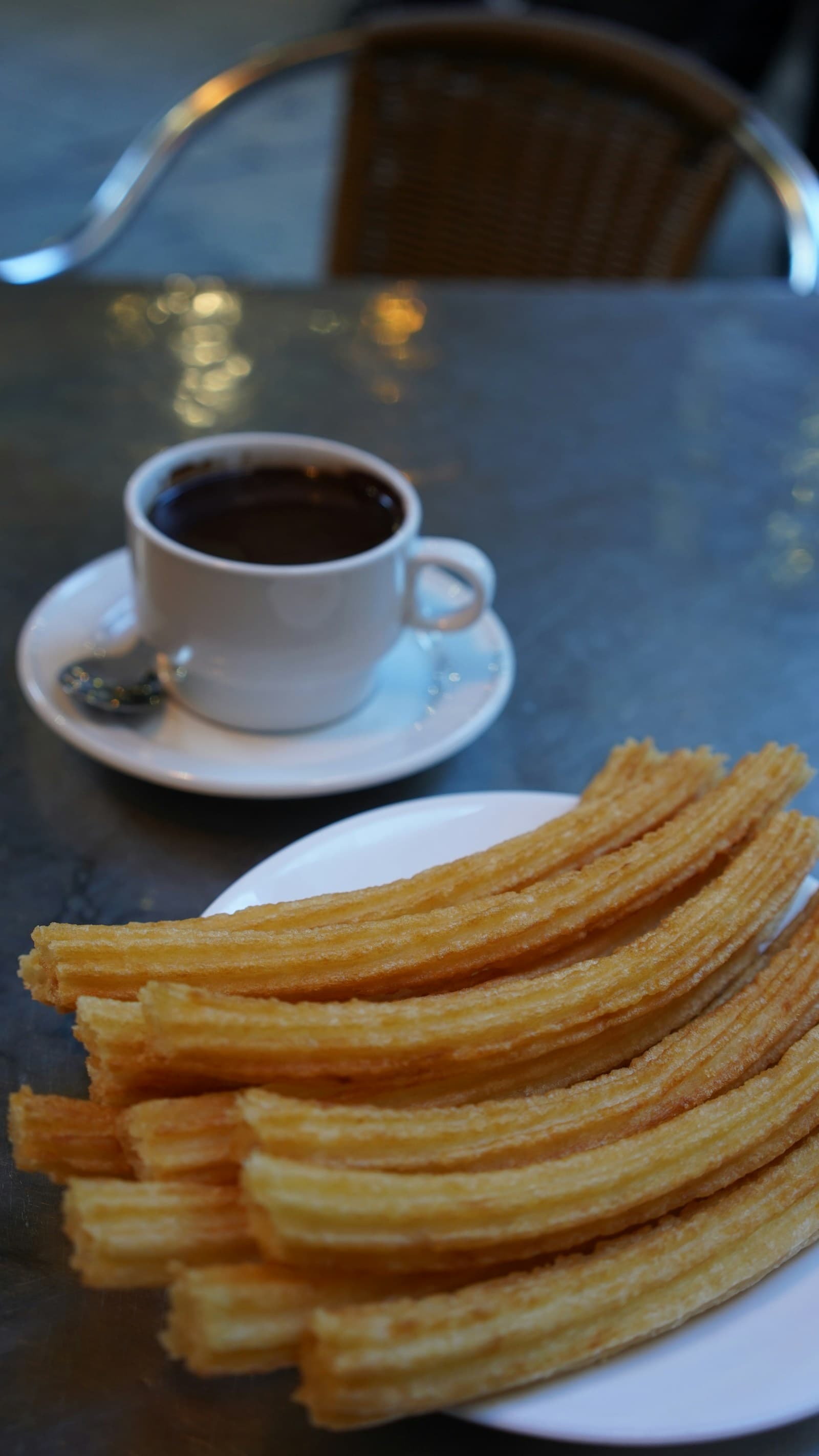
Churros next to a cup of thick hot chocolateFood

Churros con chocolate

Long fried-dough sticks dunked in thick hot chocolate (more like pudding than cocoa). Breakfast or 4am after a night out — Chocolatería San Ginés in Madrid is open 24h and has been since 1894. Porras are the fatter version; equally good.

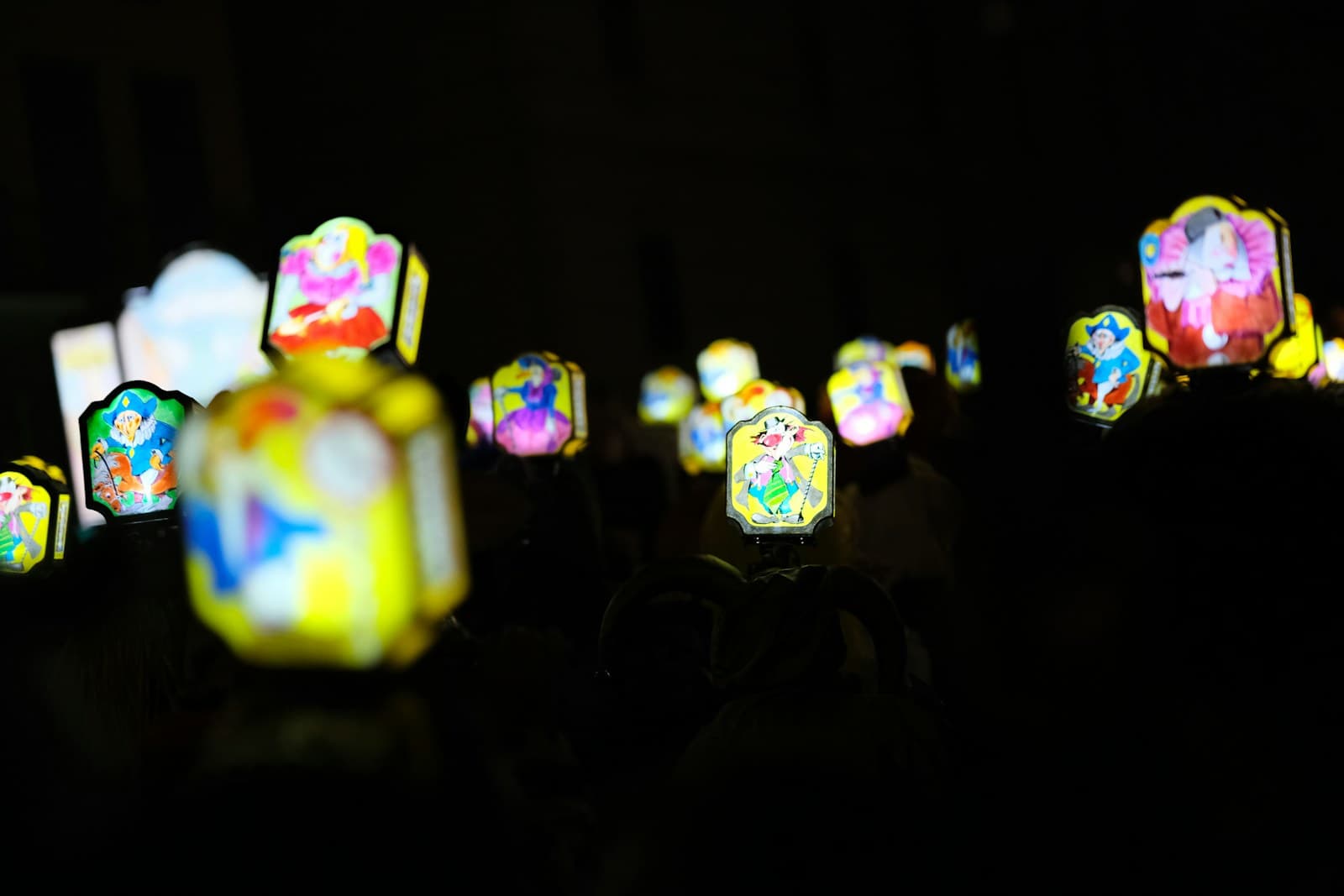
Colorful Spanish street festival decorationsExperience

Festivals & nightlife

Spain runs on festivals: Las Fallas (Valencia, March), Semana Santa (everywhere, April), Feria de Abril (Sevilla, April-May), San Fermín (Pamplona, July), La Tomatina (Buñol, August). Outside that, Madrid and Barcelona don't really sleep — Spanish clubs open at 1am and close at 6am.

Regions to know

To frame your trip by what you have time for and what you're after.

Madrid & Castilla

Madrid, Toledo, Segovia, Salamanca, Ávila

The center. Madrid for the museums and the nightlife, day-trippable hilltop cities (Toledo, Segovia's Roman aqueduct, Salamanca's golden sandstone university). Cold in winter, brutal in July-August.

Catalonia

Barcelona, Girona, Costa Brava, Montserrat

Barcelona as base, Gaudí (Sagrada Familia, Park Güell, Casa Batlló) as the trip's spine. Day trips: Girona (Game of Thrones), the Costa Brava coves, Montserrat's sawtooth mountain monastery. Catalan is the working language.

Andalusia

Sevilla, Granada, Córdoba, Ronda, Málaga, Cádiz

The Moorish south — Alhambra, Mezquita, the Alcázar, white hill towns, flamenco, sherry country (Jerez). Hottest summers in Europe; visit April–June or October. Best done with a rental car for the pueblos blancos.

Basque Country

San Sebastián, Bilbao, Vitoria, the Basque coast

The food capital of Spain — and arguably of Europe. San Sebastián for pintxos, Bilbao for the Guggenheim, both for cider houses (sidrerías). Cooler, wetter, greener than the rest of Spain; feels like a different country.

Galicia & the north

Santiago de Compostela, Asturias coast, Picos de Europa

Atlantic Spain. Santiago de Compostela cathedral, the Camino routes, the dramatic Asturian coast, hiking in the Picos de Europa mountains. Seafood (octopus, percebes barnacles) at world-class level. Rains often — pack a layer.

Balearics & Canaries

Mallorca, Ibiza, Menorca, Tenerife, Gran Canaria

Balearics for Mediterranean coves and party towns (Ibiza); Canaries off the African coast for volcanic landscapes and year-round 22°C. Different climate, different feel — pick one trip at a time.

Suggested itineraries

Three lengths, depending on time. Fork any of them into WePlanify.

7d

Madrid + Barcelona — 7 days

The classic first trip. AVE high-speed train links the two in under 3 hours, plus a Toledo day trip.

  • Day 1–3: Madrid (Prado, Royal Palace, Retiro, tapas crawl in La Latina)
  • Day 4: Toledo day trip
  • Day 5–7: Barcelona (Sagrada Familia, Park Güell, Gothic Quarter, Barceloneta) → fly home from BCN
10d

Grand Tour + Andalusia — 10 days

Add Sevilla and Granada to the Madrid-Barcelona spine. The sweet spot if you have the time.

  • Day 1–3: Madrid + Toledo day trip
  • Day 4–5: Sevilla (Alcázar, Cathedral, flamenco)
  • Day 6–7: Granada (Alhambra, Albayzín)
  • Day 8–10: Barcelona, fly home
14d

Full circuit — 14 days

Adds Cordoba, Ronda, the Pueblos Blancos, and a stop in San Sebastián. Faster pace but the most complete picture of Spain.

  • Day 1–3: Madrid + Toledo
  • Day 4–5: Sevilla
  • Day 6: Cordoba day trip → Granada
  • Day 7–8: Granada + Ronda en route
  • Day 9: Pueblos Blancos (rental car)
  • Day 10–12: Barcelona
  • Day 13–14: San Sebastián, fly home from Bilbao (BIO) or Biarritz (BIQ)

Daily budget

Per person, excluding flights. Three comfort tiers.

Backpacker
80/day

Hostel dorm or small Airbnb (€30), menú del día lunch + tapas dinner (€25), regional trains and walking (€10), one paid site (€15). Spain is still one of Europe's best-value destinations on a low budget.

Mid-range
160/day

3-star hotel or boutique B&B (€100), one sit-down dinner + tapas-bar lunch (€40), AVE high-speed train or rental car (€10 averaged), entries (€10). The right tier for most travelers.

Comfortable
340/day

Paradores (state-run historic hotels) or boutique 4-star (€210), one Michelin-bib or chef's menu (€100), AVE preferente class (€20), private guide one day (€10 averaged). Honeymoon or anniversary tier.

Per person, excluding international flights. The menú del día (€12–18 fixed-price lunch) is the single best deal in European travel — 3 courses + wine + bread + coffee. Cash useful but cards work everywhere; tipping is round-up only.

Cultural do's & don'ts

Small moves that matter — and the ones that make everyone uncomfortable.

  • Eat on Spanish time. Lunch 2–4pm, dinner 9–11pm. Showing up at 7pm in a non-touristy place means a closed kitchen or eating alone with other foreigners.

  • Order the menú del día for lunch — €12–18 in most cities for 3 courses + wine + bread + coffee. It's the single best food deal in Europe and you'll eat what locals eat.

  • Ask for 'una caña' not 'una cerveza' at the bar. A caña is a small draft beer (200ml-ish), drunk in 10 minutes, ordered three or four times across a tapas crawl. That's the local rhythm.

  • Don't expect free tapas everywhere. In Granada and parts of Sevilla you still get one with each drink; in Madrid, Barcelona, San Sebastián almost never. Don't argue if it's not offered.

  • Don't tip like an American. Service is included; rounding up to the nearest euro at the bar or leaving €1–2 after a sit-down meal is plenty. Bigger tips are awkward, not generous.

  • Watch pickpockets on Las Ramblas and Barcelona metro, Madrid metro near Gran Vía and Sol, and any crowded plaza in Sevilla during Semana Santa or Feria. Crossbody bag in front.

  • Learn 5 phrases in the local language. Catalan in Barcelona ('bon dia'), Basque in San Sebastián ('kaixo'), Galician in Santiago ('boas tardes'). It's not Spanish to them — using their words wins instant goodwill.

  • Don't book a flamenco show in a 200-seat venue with dinner. The real ones are small (40–60 seats), no dinner, ticket-only, 60–90 minutes. Casa de la Memoria (Sevilla), La Chumbera (Granada), Casa Patas (Madrid).

Plan your Spain trip with your crew

Bring this guide into WePlanify, invite the group, and build the trip together. Shared map, polls, shared budget — all free.