WePlanify logo
Country guide · Europe

Portugal
travel guide

Real Portugal travel guide for 2026: best season, Lisbon to the Algarve, port wine and pastéis, honest budgets, cultural do's and don'ts.

EuropeEUR70300 /day

Build your itinerary with your group — free, 30 seconds.

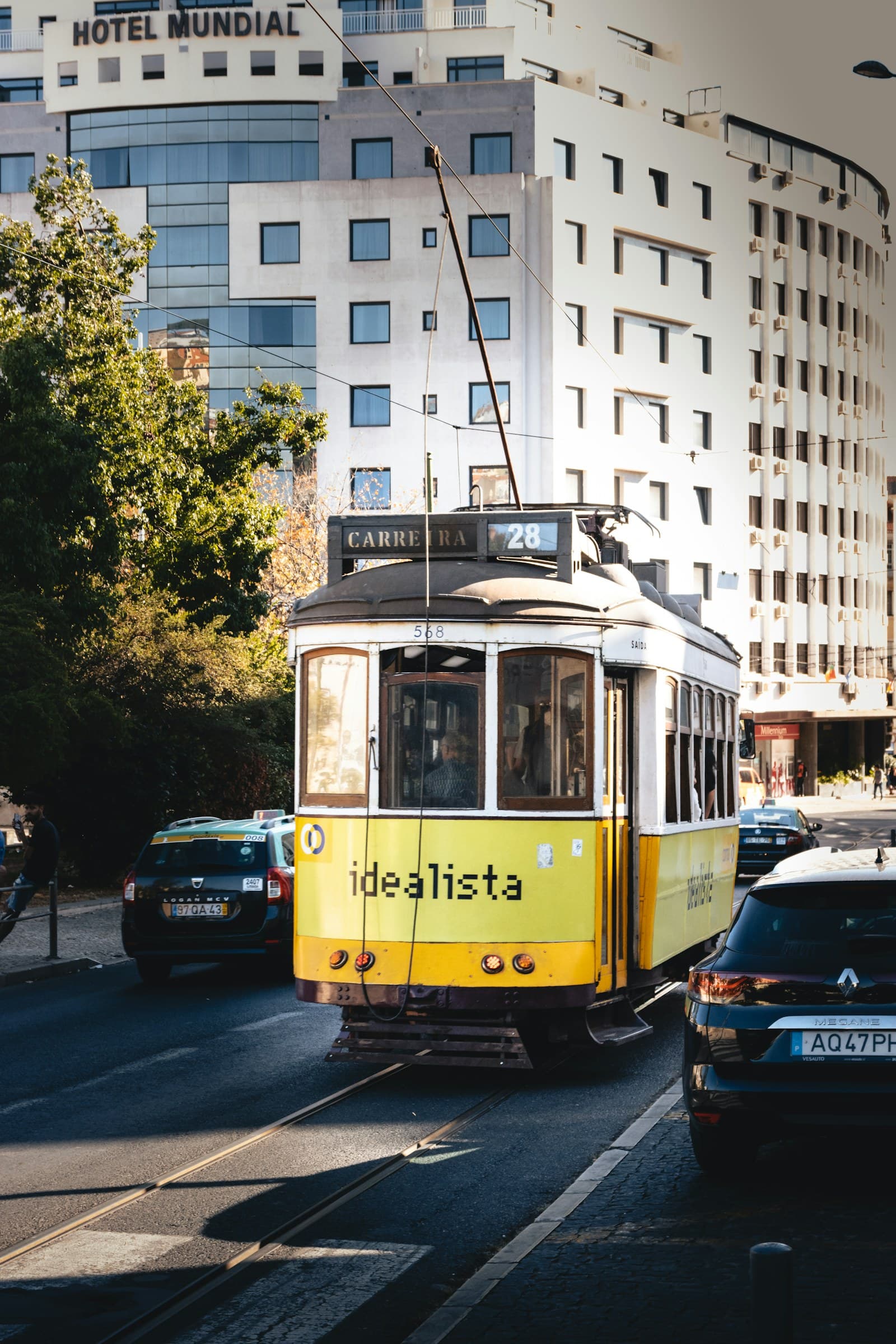
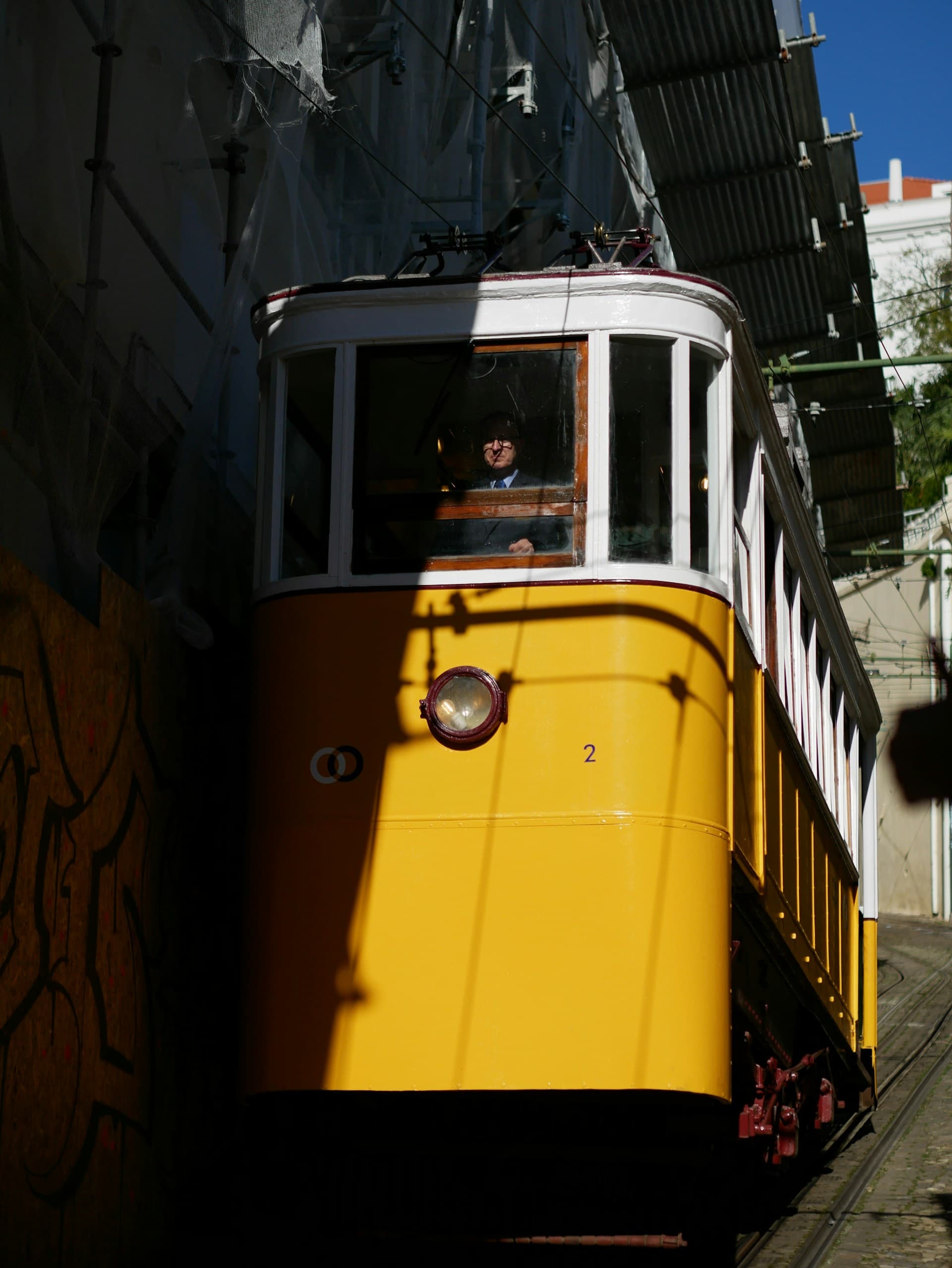
Iconic yellow tram on a hilly Lisbon street

Portugal is the Mediterranean-meets-Atlantic country that flew under the radar until about 2018 and is now everyone's 'find'. Lisbon and Porto are walkable, food is exceptional and still cheap by European standards, the Algarve has Europe's most photographed cliffs, and the Atlantic surf is world-class. The catch: the secret is out — book Lisbon and Porto 2–4 months ahead in summer.

First trip: Lisbon (3 days) + a Sintra day trip + Porto (2 days) + the Algarve (2–3 days). Second trip: the Douro Valley for wine, Madeira island for hiking the levada channels, the Azores for volcanic crater lakes. Skip the British-tourist Algarve high-rise strip (Albufeira, Praia da Rocha); head to Sagres or Aljezur on the west coast for wild Atlantic vibe.

Two things to know. Lisbon and Porto are seriously hilly — pack proper walking shoes and skip the rolling luggage. And Portuguese is NOT Spanish, despite what your phone keeps insisting. Locals notice and appreciate 'bom dia' / 'obrigado' / 'obrigada' (men say obrigado, women obrigada) much more than the Spanish equivalents — a tiny effort that buys real warmth.

Quick facts

CapitalLisbon
LanguagePortuguese
CurrencyEUR €
TimezoneWET (UTC+0) · 1h behind Spain
PlugType C / F · 230V
DrivingRight
Visa

Schengen — visa-free up to 90 days for EU, UK, US, Canada, Australia passports.

When to go

Three windows to know: best, shoulder, and the one to avoid.

Best window

April – June · September – October

Mild, fewer crowds, ocean swimmable from late May. Lisbon and Porto are at their best; the Algarve is warm without being a sun-lounger battle. Book accommodation 2–4 months ahead for these windows.

Shoulder

March · November

Cool, occasional rain, very few tourists. Restaurants take you seriously, hotels are 40–50% cheaper. Algarve beaches are quiet but cold; perfect for hiking and city visits.

Avoid

July – August (Algarve) · December – February (north)

Algarve coast triples in price and packs out (largely with British and German families). North Portugal in winter is wet and cold; Porto's old town is beautiful but bleak. Lisbon stays mild year-round.

Must-see places

Spots that justify the trip on their own. Tap to open in Maps.

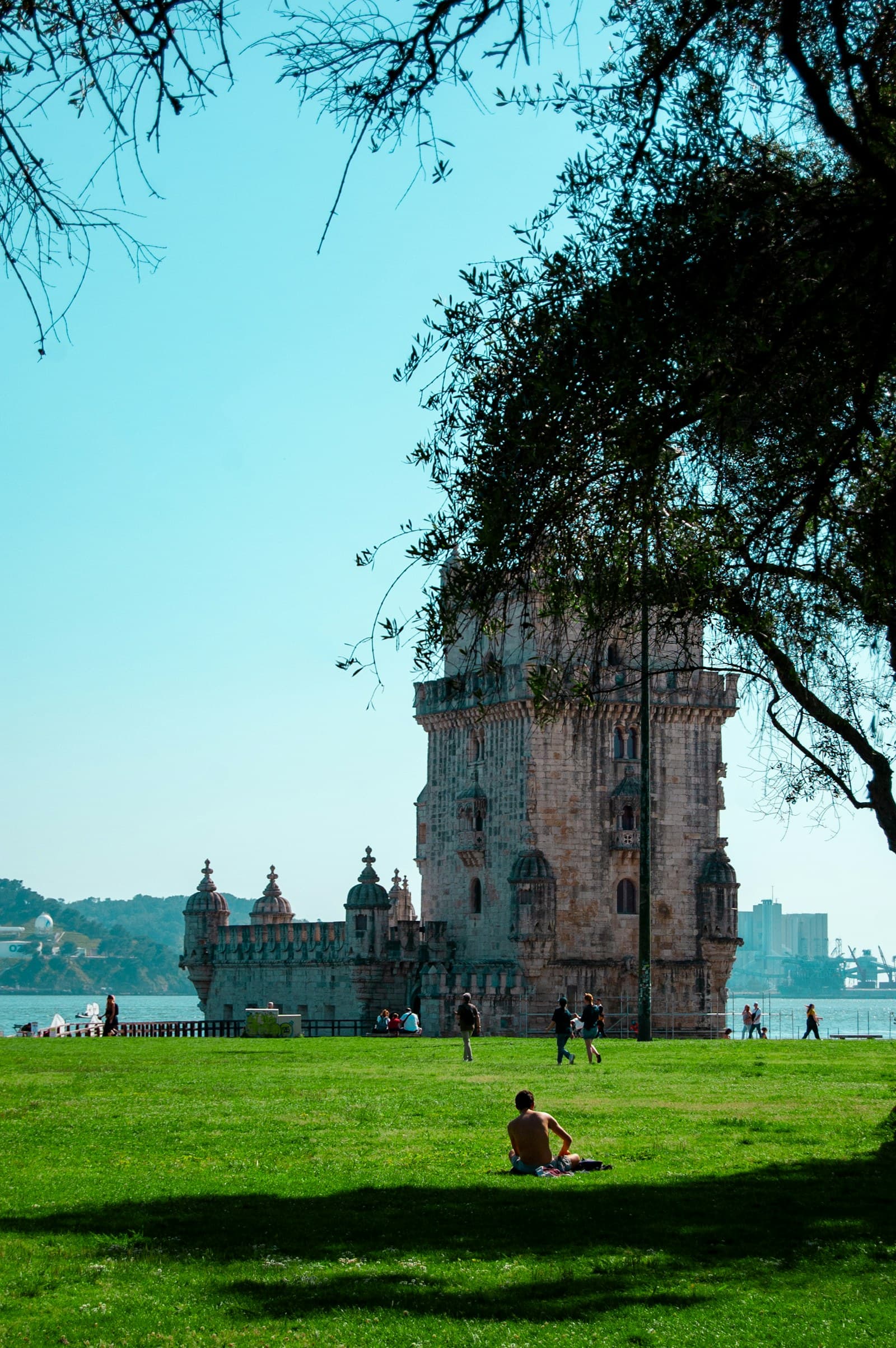
Manueline Belém Tower on the Tagus river in Lisbon
Lisbon

Belém Tower & Jerónimos Monastery

Both UNESCO, both Manueline (Portugal's age-of-discoveries Gothic), both in the Belém district 6km west of central Lisbon. Pair with Pastéis de Belém — the original pastel de nata bakery since 1837 — five minutes' walk away. Skip-the-line tickets help.

Yellow Lisbon tram climbing a narrow Alfama street
Lisbon

Alfama & Tram 28

The oldest neighborhood — narrow alleys, washing on lines, fado bars at night. Tram 28 climbs through it from Martim Moniz to Estrela — board at the start of the line in the morning to get a seat (and avoid the pickpocket-heavy crowd).

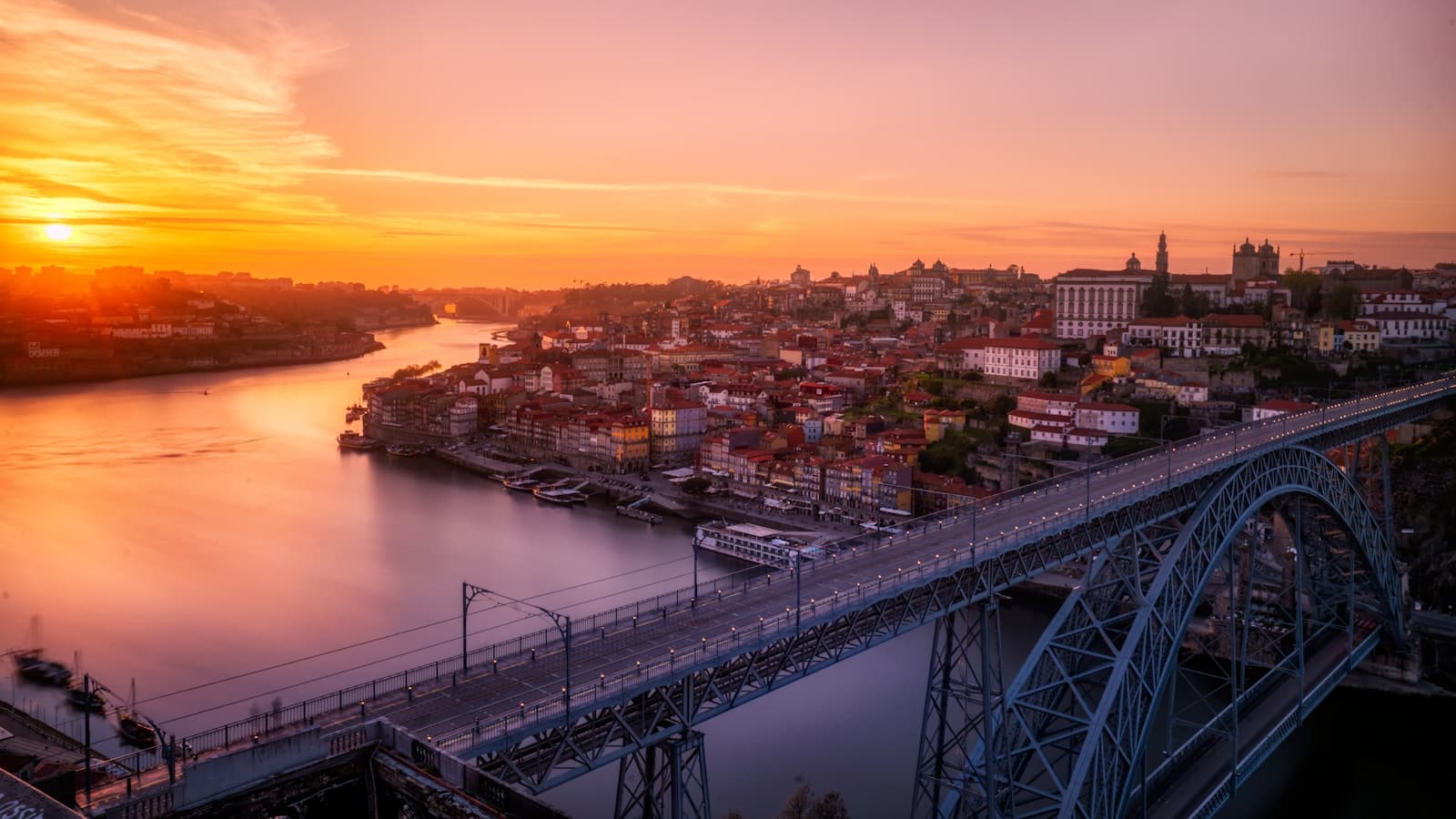
Porto Ribeira waterfront and Dom Luís I bridge over the Douro
Porto

Porto Ribeira & Dom Luís I Bridge

The waterfront UNESCO old town facing the port-wine cellars of Vila Nova de Gaia across the Douro. Cross the upper deck of the Eiffel-designed Dom Luís I bridge at sunset for the cliché-perfect shot. Cellar tours start at €15.

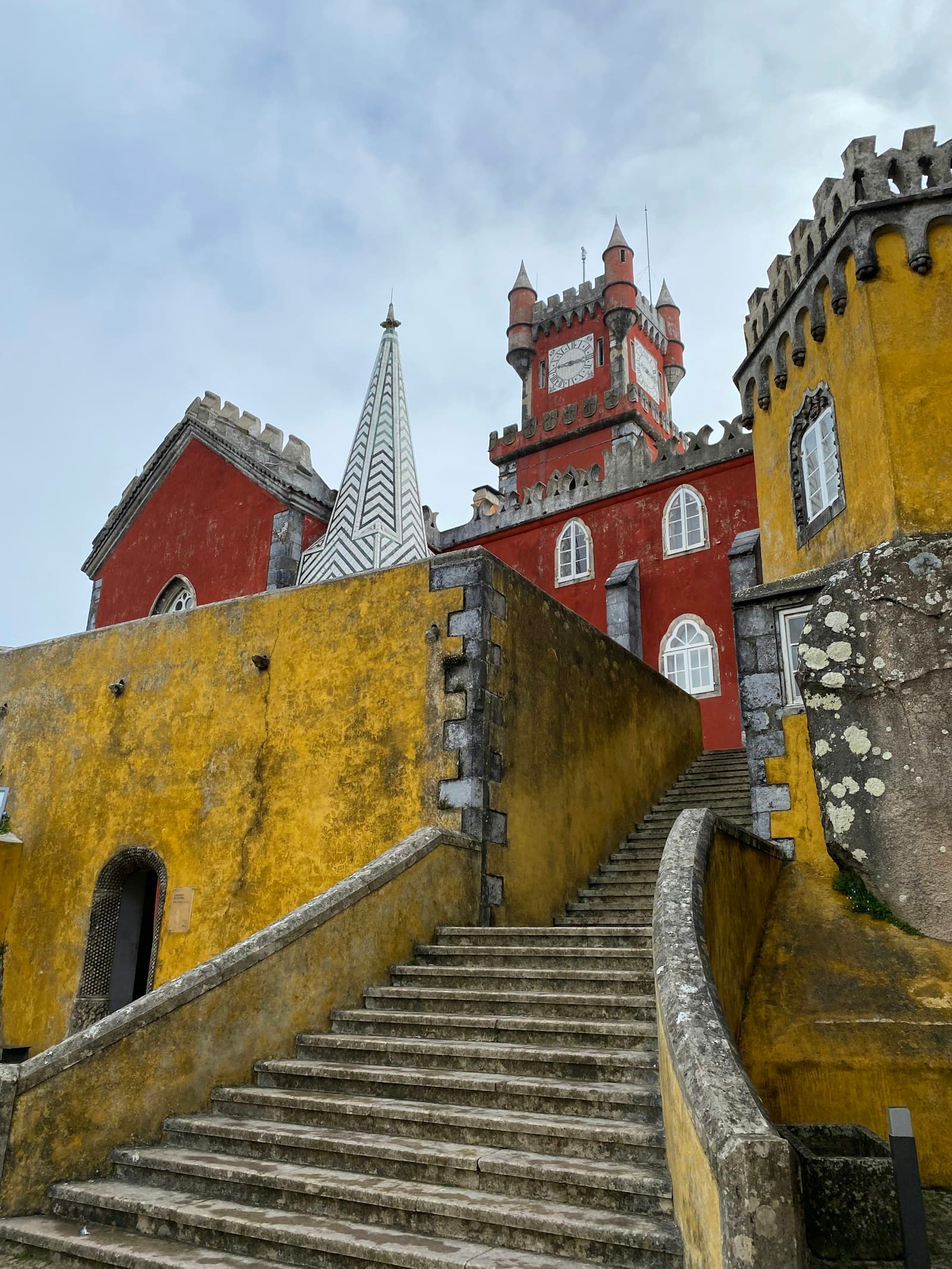
Colorful Pena Palace in Sintra above forested hills
Lisbon area

Sintra & Pena Palace

A 40-minute train from Lisbon-Rossio. Pena Palace is the loud yellow-and-red Romanticist castle on top of the hill; Quinta da Regaleira has the spiral 'initiation well'. Book Pena online — walk-ups can wait 2 hours. End the day at Cabo da Roca, mainland Europe's westernmost point.

Orange limestone cliffs and turquoise sea on the Algarve coast
Algarve

Algarve coast & Benagil Cave

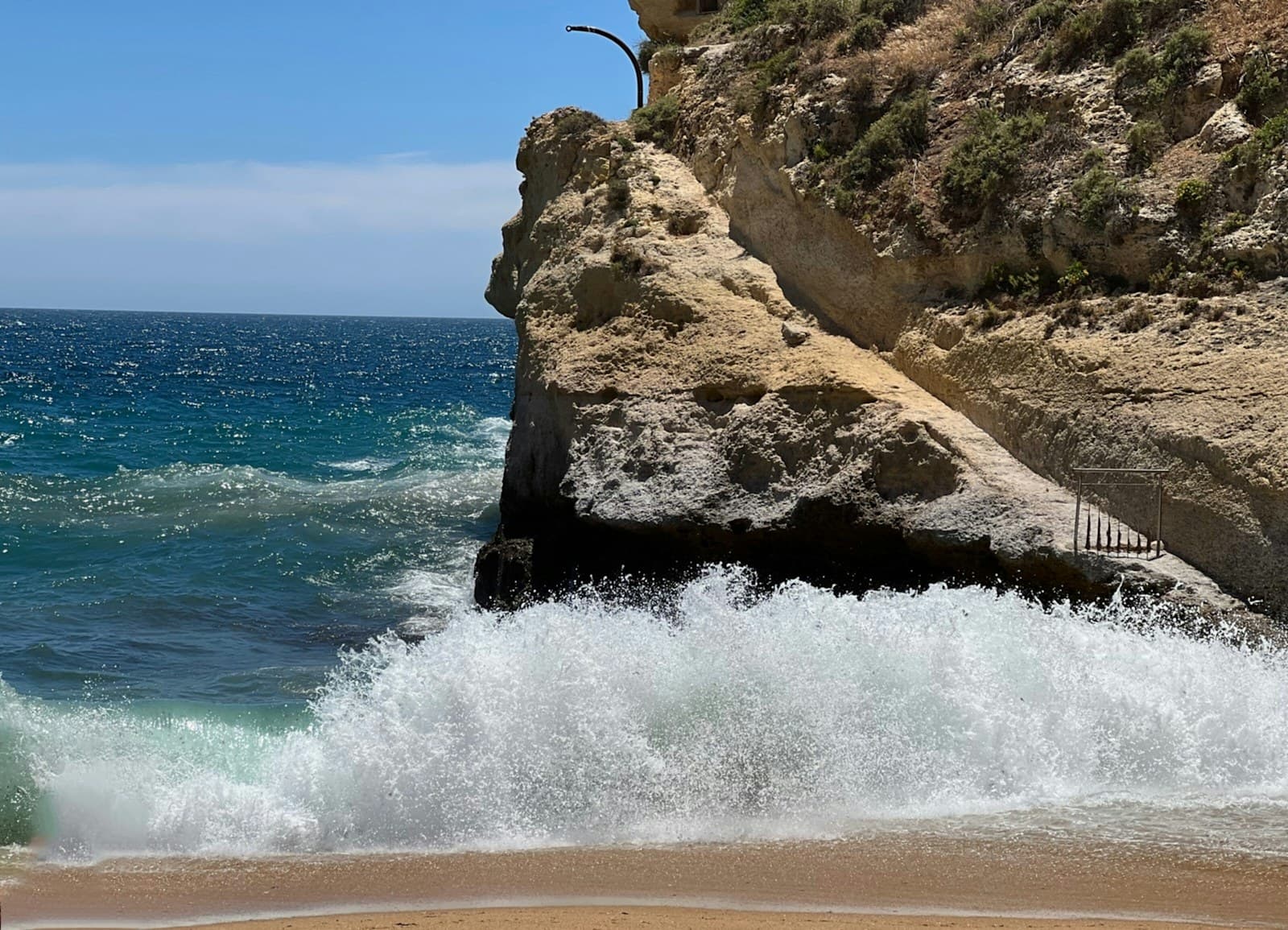
Limestone cliffs in 50 shades of orange; the Benagil Sea Cave with its natural skylight is the postcard. Kayak or paddleboard tours (€25–40) are the only way in — boat tours can't dock anymore. Lagos for cliff hikes (Ponta da Piedade), Tavira for the calmer, more local east end.

Roman temple of Diana in Évora, Alentejo region
Alentejo

Évora & the Alentejo

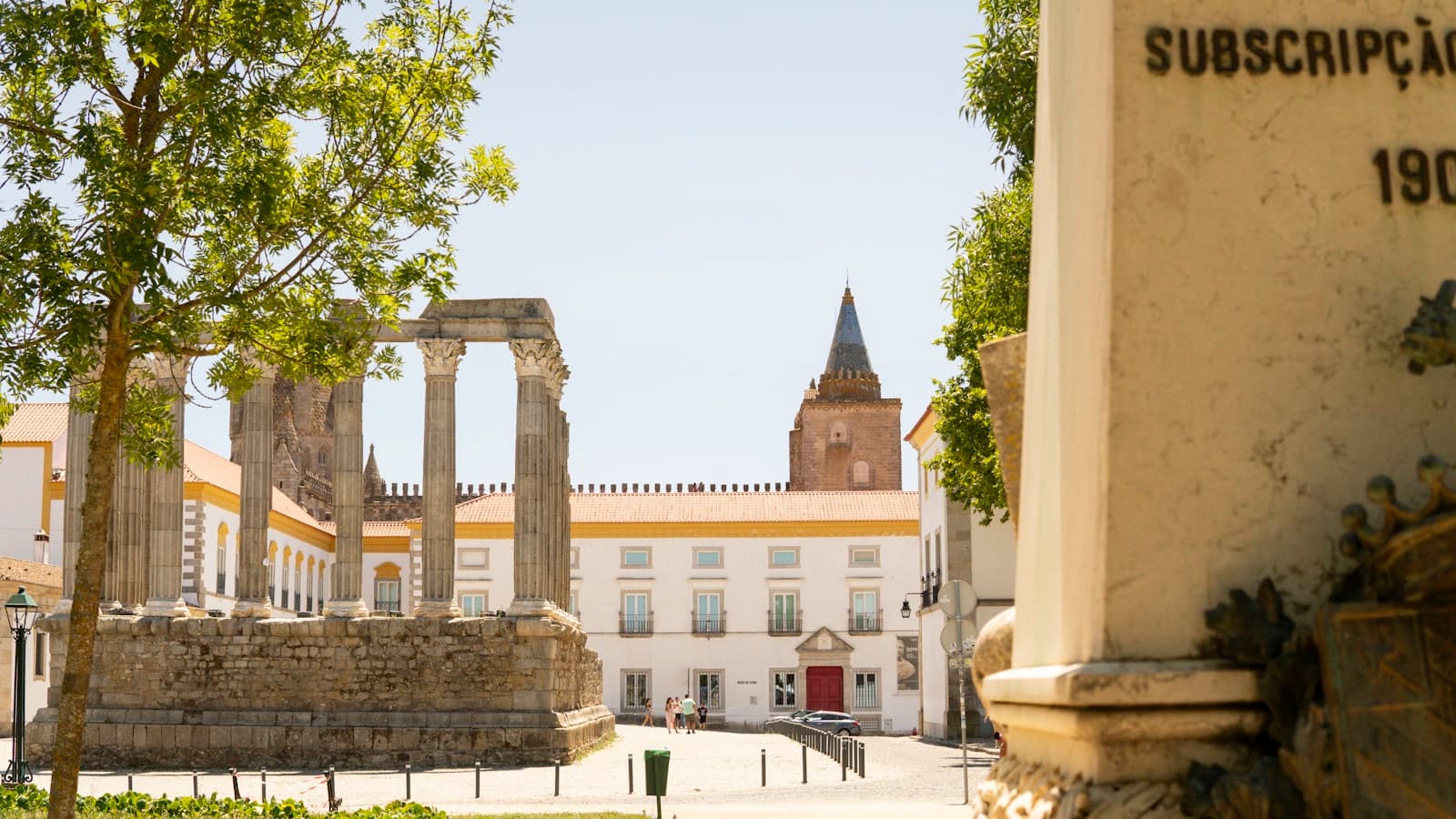
A UNESCO walled town in the cork-tree plains — Roman temple, white-and-yellow alleys, the eerie Capela dos Ossos (chapel built from 5,000 human bones, with the inscription 'we await yours'). Best done with a rental car for the Alentejo wineries en route.

Terraced vineyards above the Douro river in Portugal
Norte

Douro Valley

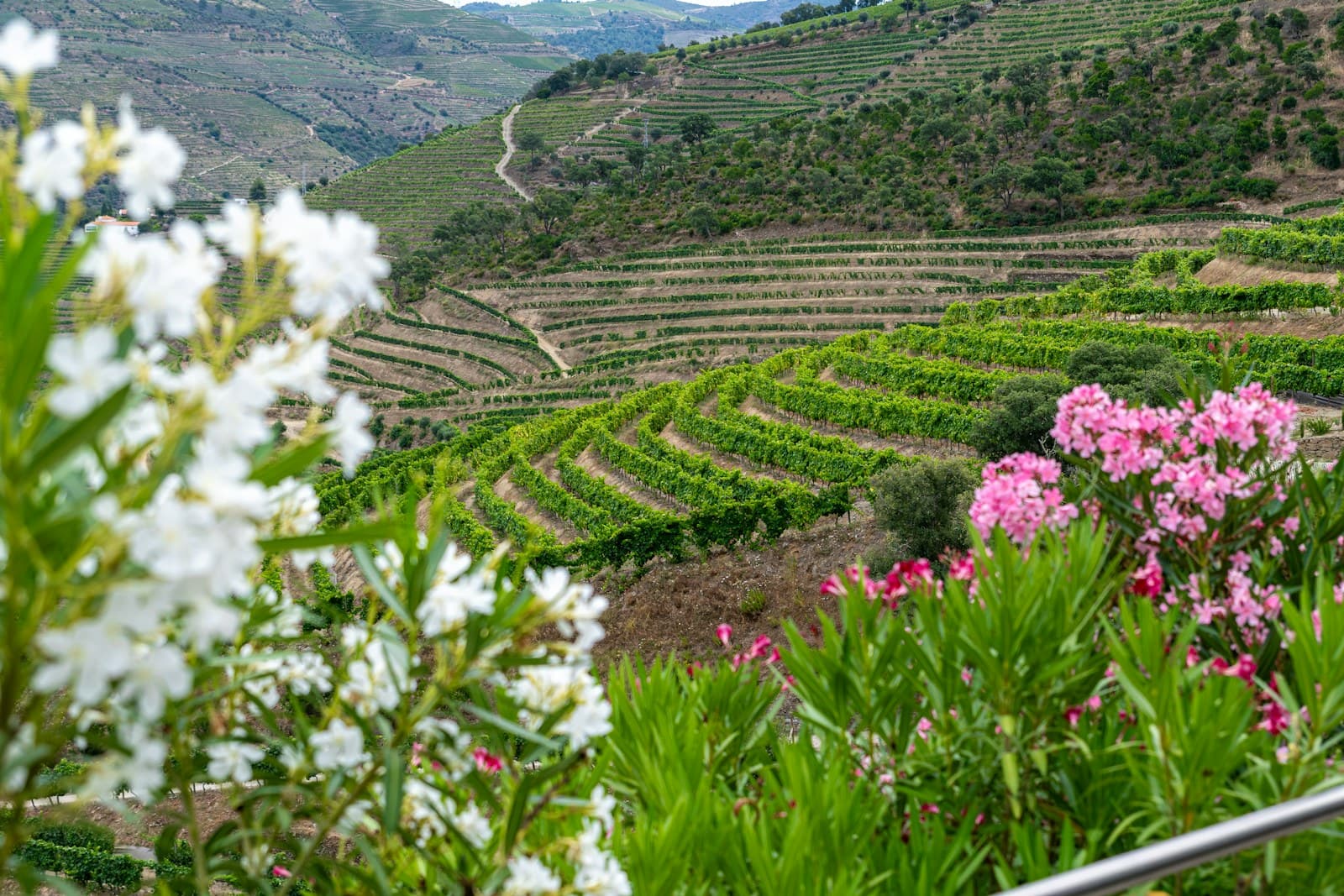
The world's oldest demarcated wine region — terraced vineyards down to the Douro river. Take the train from Porto to Pinhão (2.5hr, the river-hugging stretch is one of Europe's most scenic train rides). Stay at a quinta (wine estate), drink, hike, repeat.

Coastal cliffs and lush green hills of Madeira island
Madeira island

Madeira

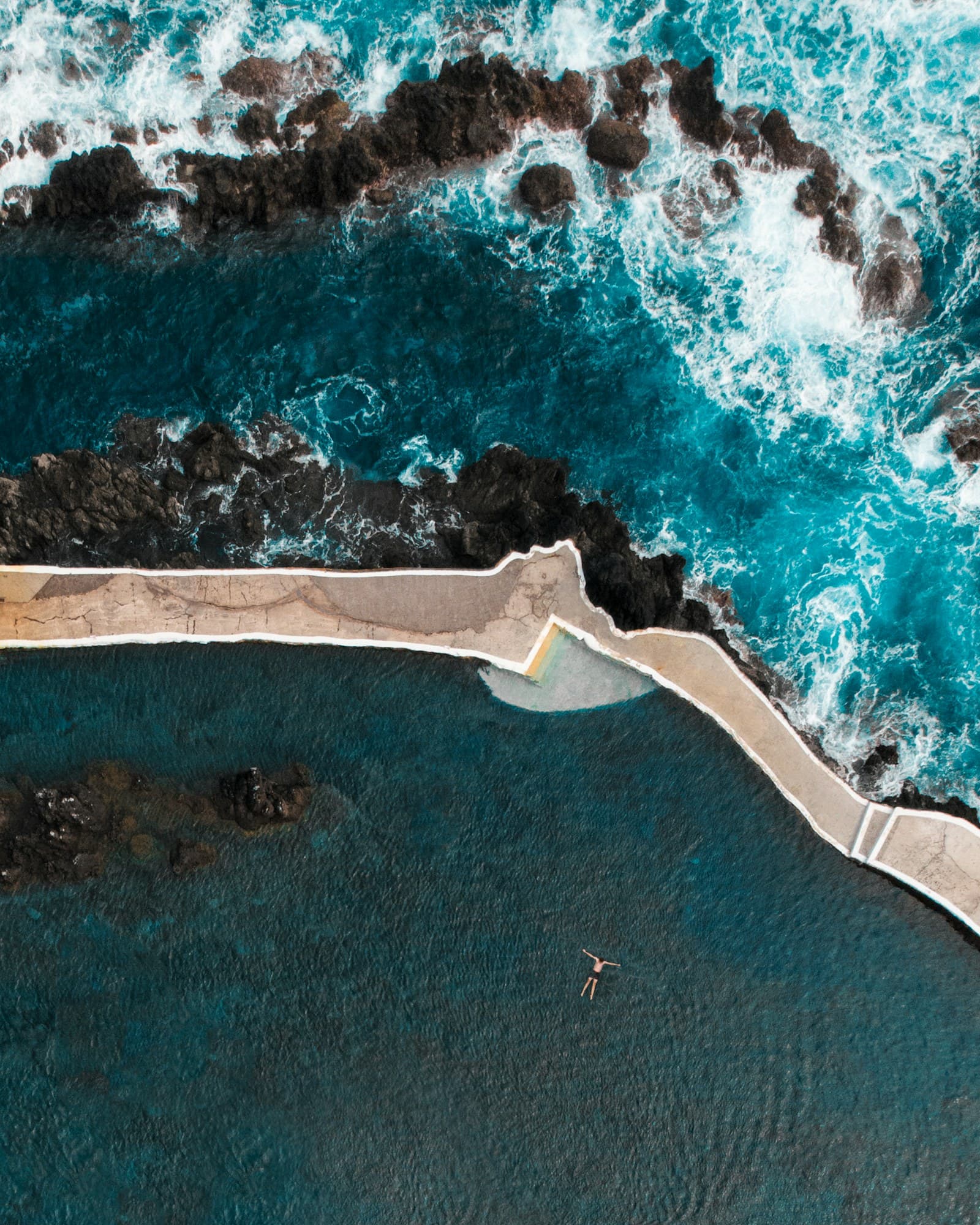
A subtropical island 1,000km southwest of Lisbon. Hike the levada channels through laurel forest, climb Pico Ruivo (1,861m) for the cloud-line sunrise, swim at natural pools at Porto Moniz. 90-minute flight from Lisbon; doable as a 5-day add-on.

Twin crater lakes of Sete Cidades on São Miguel, Azores
Azores islands

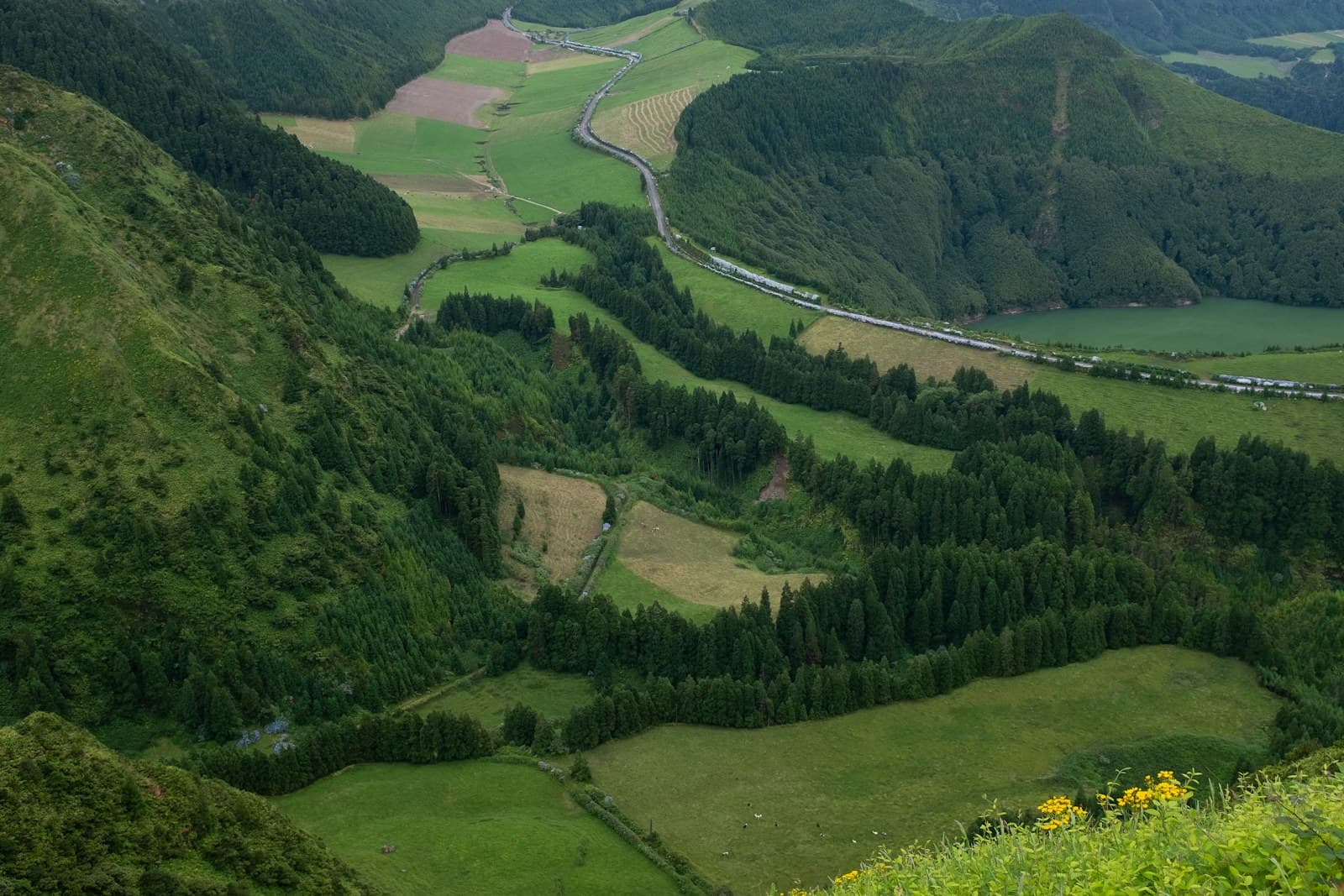
Azores — São Miguel & Sete Cidades

Nine volcanic islands in the mid-Atlantic. São Miguel for first-timers: Sete Cidades twin crater lakes (one blue, one green), Furnas hot springs, whale watching offshore. Cooler than the mainland, often rainy; pack for four seasons in one day.

Whitewashed houses and medieval walls of Óbidos
Lisbon area

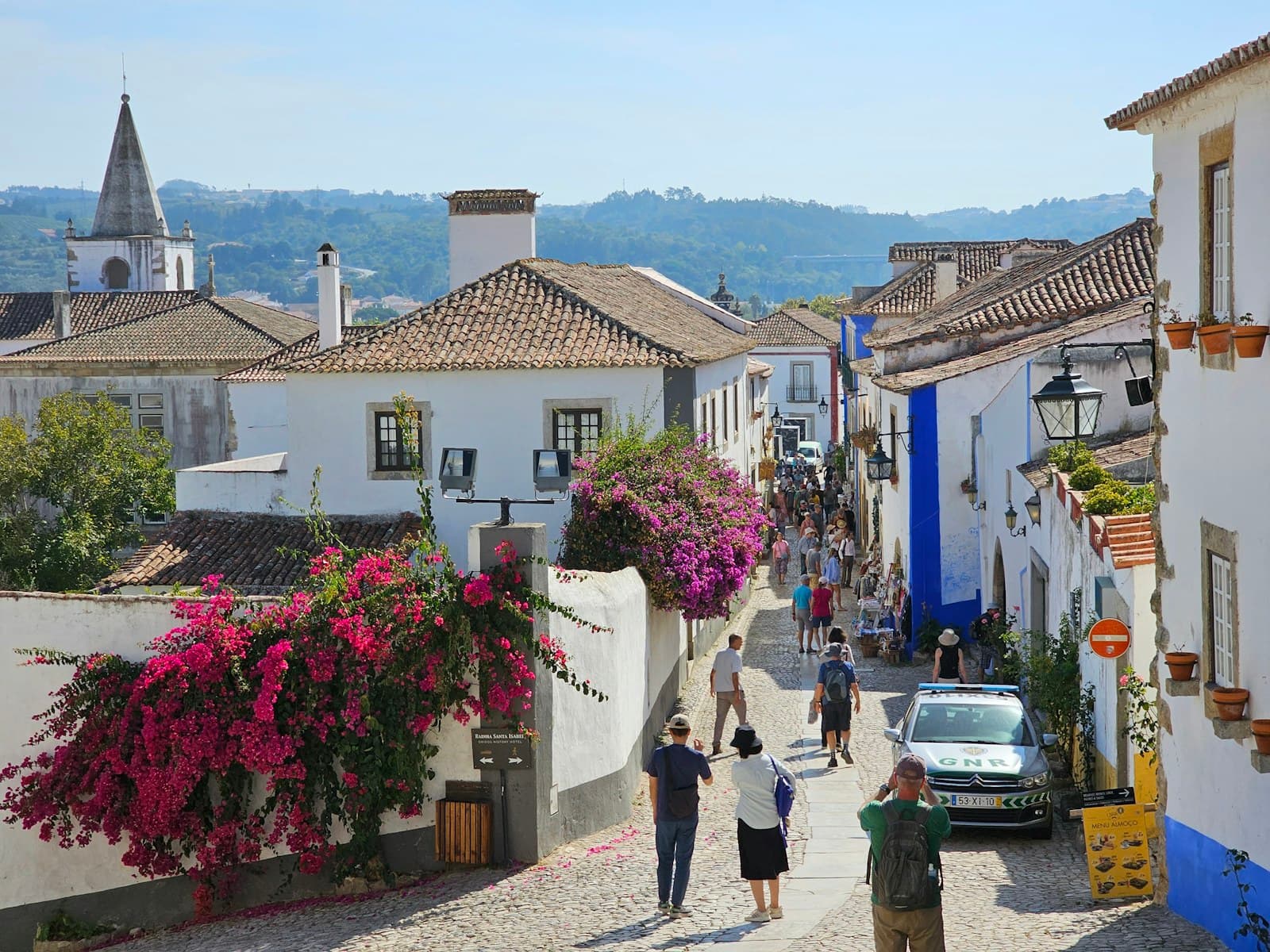
Óbidos

A medieval walled town 1hr north of Lisbon, whitewashed alleys, intact castle walls you can walk. Try ginja (sour cherry liqueur) served in a chocolate cup — €1.50 from any street corner. Crowds peak midday; arrive before 10am or after 5pm.

Colorful moliceiro boats on a canal in Aveiro
Centro

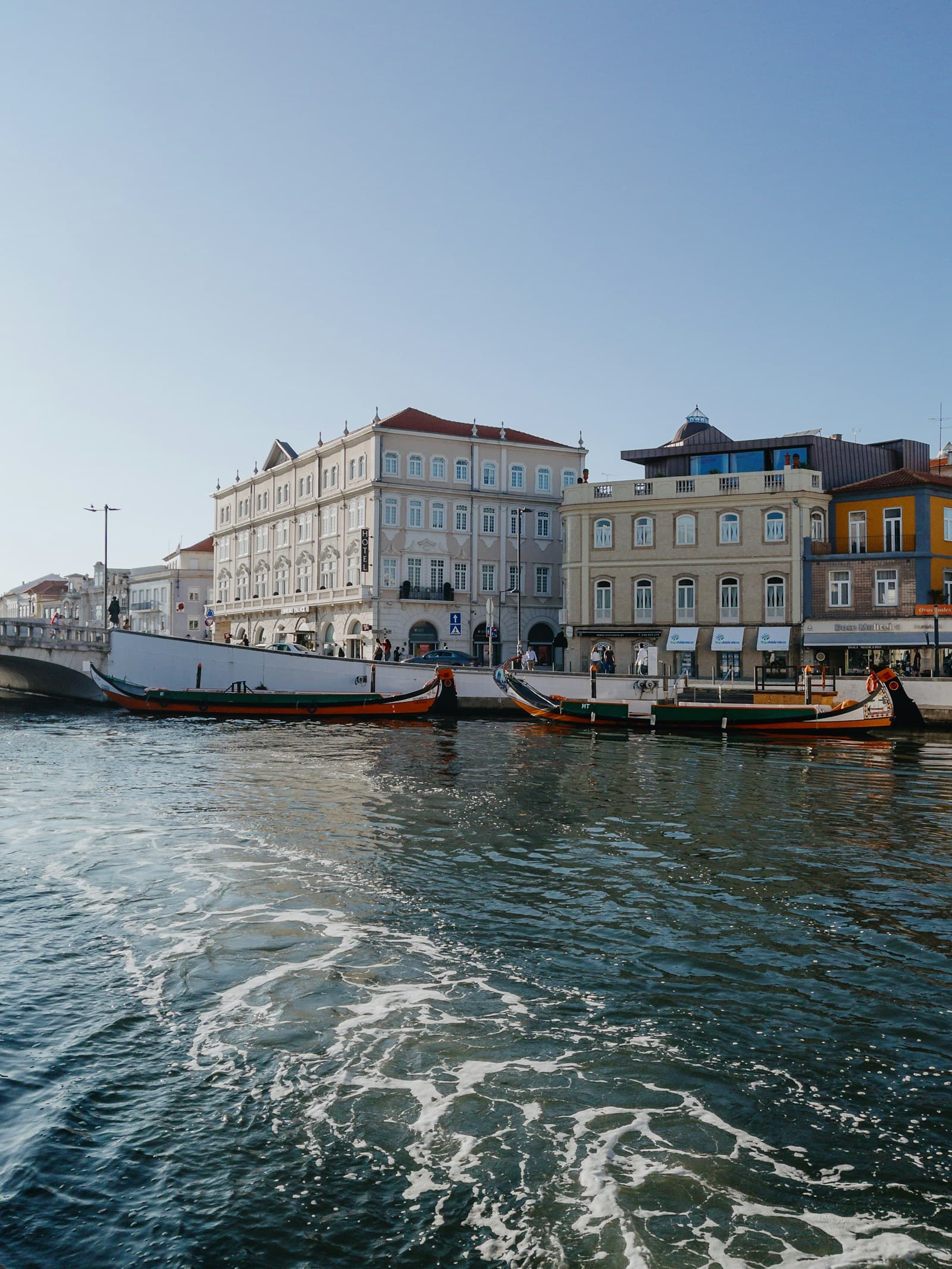
Aveiro & the moliceiro boats

The 'Portuguese Venice' — colorful moliceiro boats on a network of canals between the city and the coastal dunes. Costa Nova nearby has the iconic striped beach houses. Half-day trip from Porto by train (40 minutes).

Giant wave breaking at Praia do Norte in Nazaré
Centro

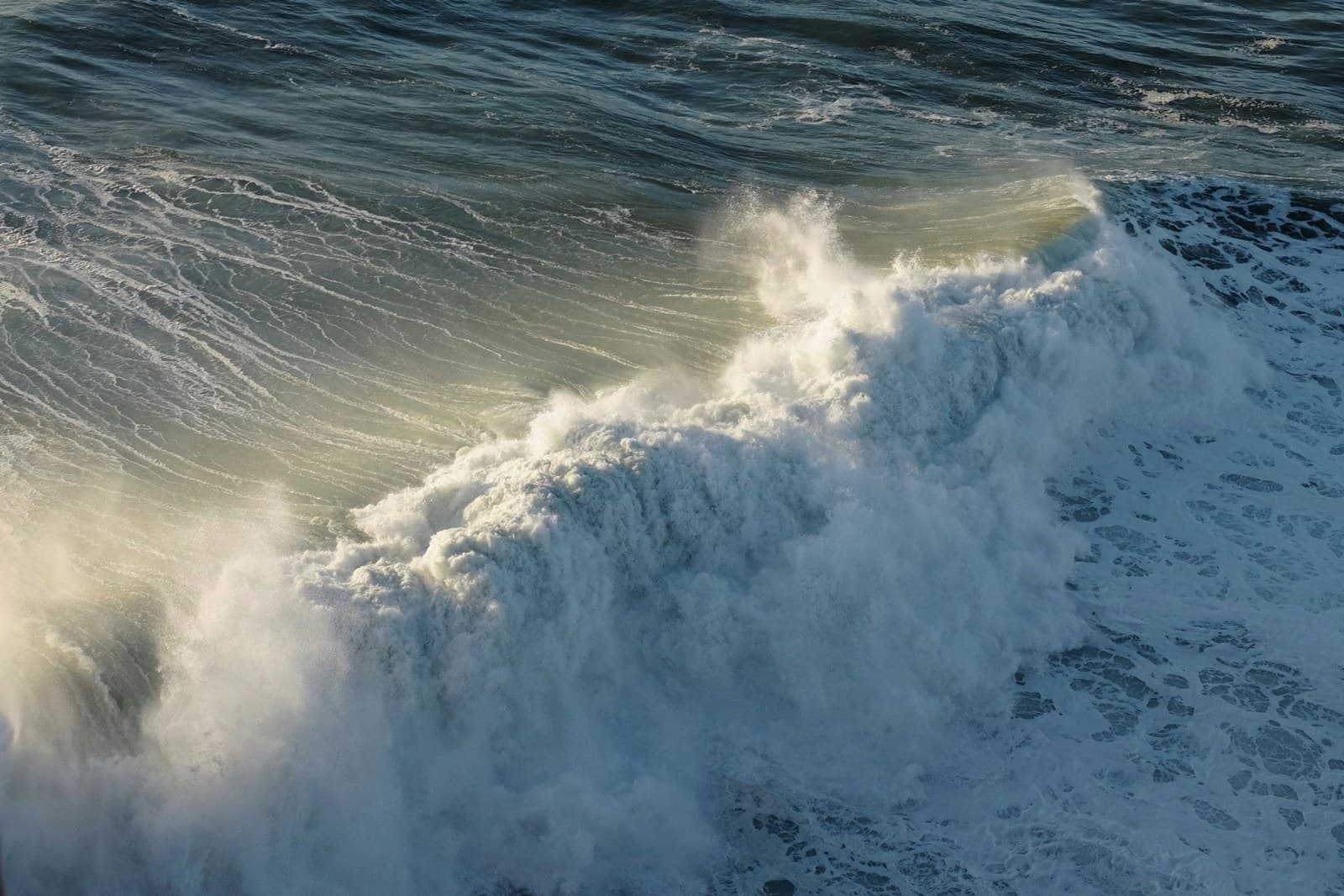
Nazaré — giant waves

A fishing town that became the planet's biggest-wave surf spot — Praia do Norte hits 20–30m waves October–March, when the Atlantic swell aligns with an underwater canyon. Pros tow in; you watch from the lighthouse. Outside winter, it's a calm beach town with octopus restaurants.

Specialties worth trying

Food, drinks, and experiences this country does better than anywhere else.

Pastel de nata tarts dusted with cinnamonFood

Pastel de nata

Egg-custard tart in a flaky pastry shell, dusted with cinnamon and sugar. Pastéis de Belém in Lisbon (since 1837) is the original; Manteigaria in Lisbon and Porto is the modern challenger. €1.20–2 a piece, eaten standing at the counter — they're best 5 minutes out of the oven.

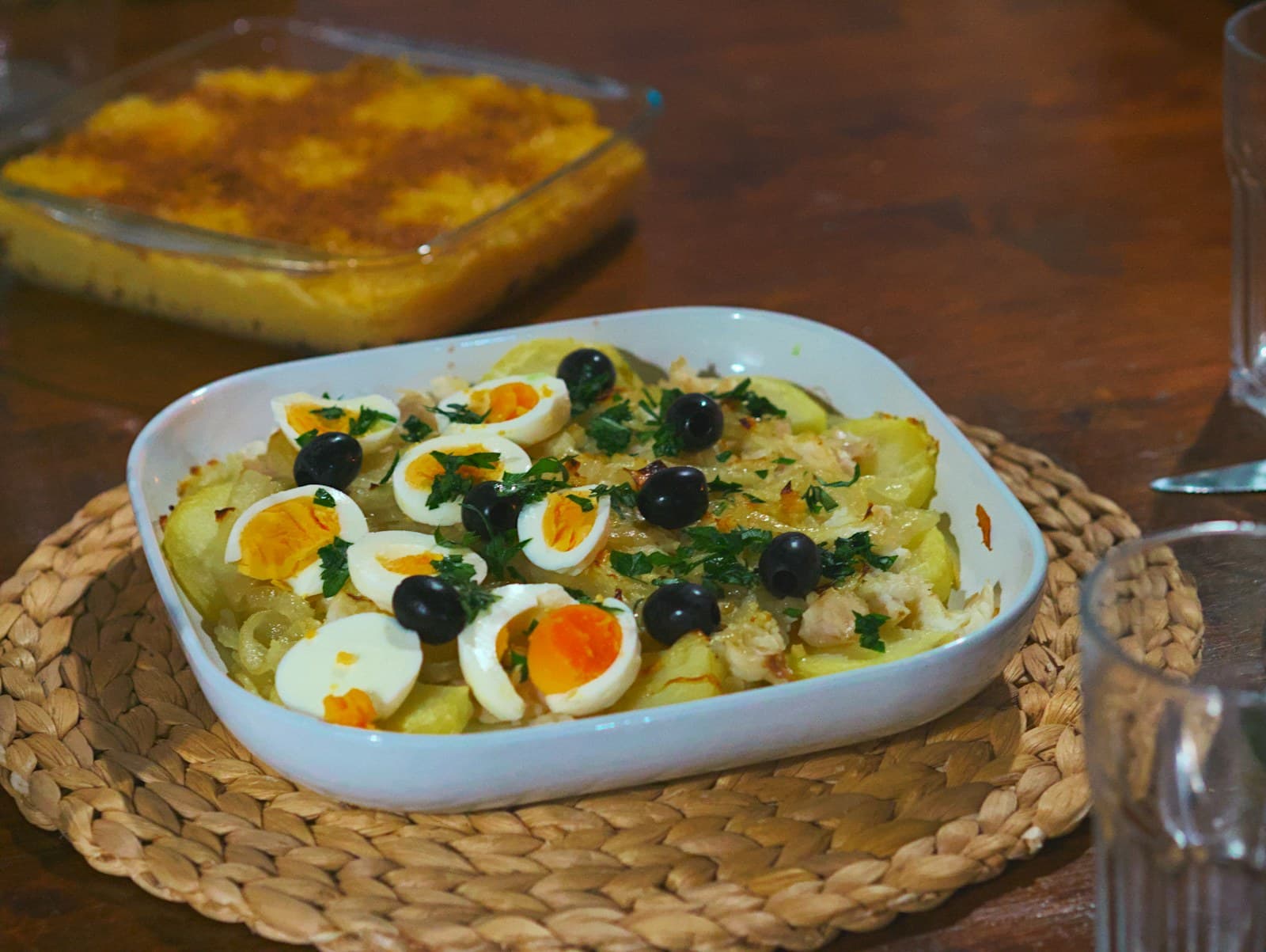
Plate of Portuguese bacalhau cod dishFood

Bacalhau

Salt cod, supposedly cooked 365 different ways. Bacalhau à brás (shredded with eggs and matchstick potatoes), bacalhau com natas (cream-baked), and pastéis de bacalhau (fried cod fritters) are the entry points. National obsession — the Portuguese eat more cod than Norwegians, despite living a thousand miles from the fish.

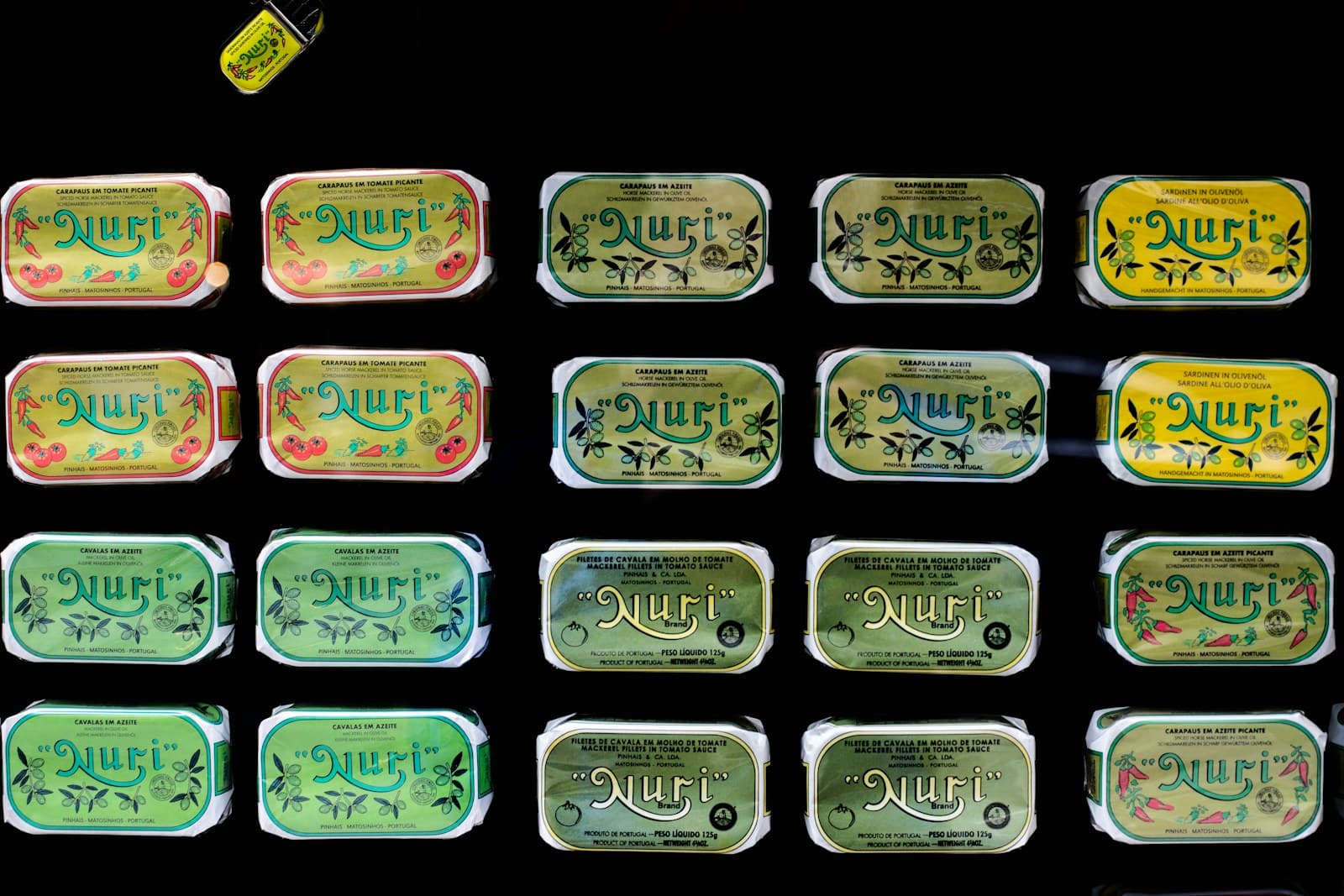
Grilled Portuguese sardines on a plateFood

Sardines & grilled fish

Whole sardines grilled over charcoal, eaten with bread and olive oil, especially in June during the Festas de Lisboa — the entire city smells of grilled fish. Year-round, look for restaurants advertising 'peixe grelhado' with charcoal smoke pouring onto the street.

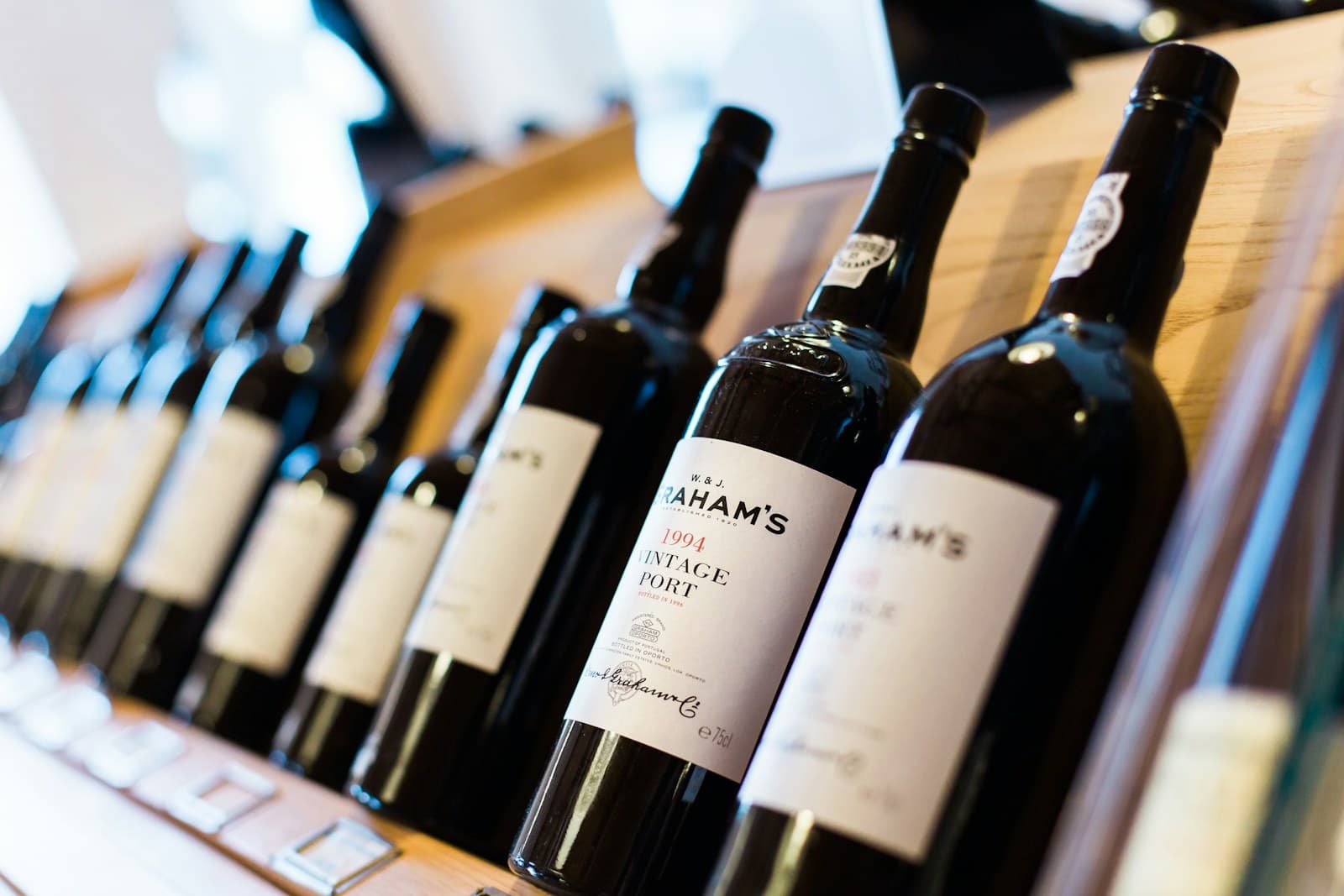
Glass of ruby port wine in a cellarDrink

Port wine

Fortified wine from the Douro Valley, aged in oak barrels across the river in Vila Nova de Gaia. Four styles: ruby (young, fruity), tawny (oak-aged, nutty), white (apéritif, served chilled), vintage (single-year, age-worthy). Cellar tour + tasting €15–25 in Porto.

Portuguese guitar player performing fadoArt

Fado

The Portuguese blues. A solo singer in black with two guitarists (acoustic + Portuguese pear-shaped guitar), singing about loss, sea, and saudade (a word with no clean translation — longing for something gone). Listen in a small Alfama 'casa de fado' — A Severa, Tasca do Chico, or Mesa de Frades.

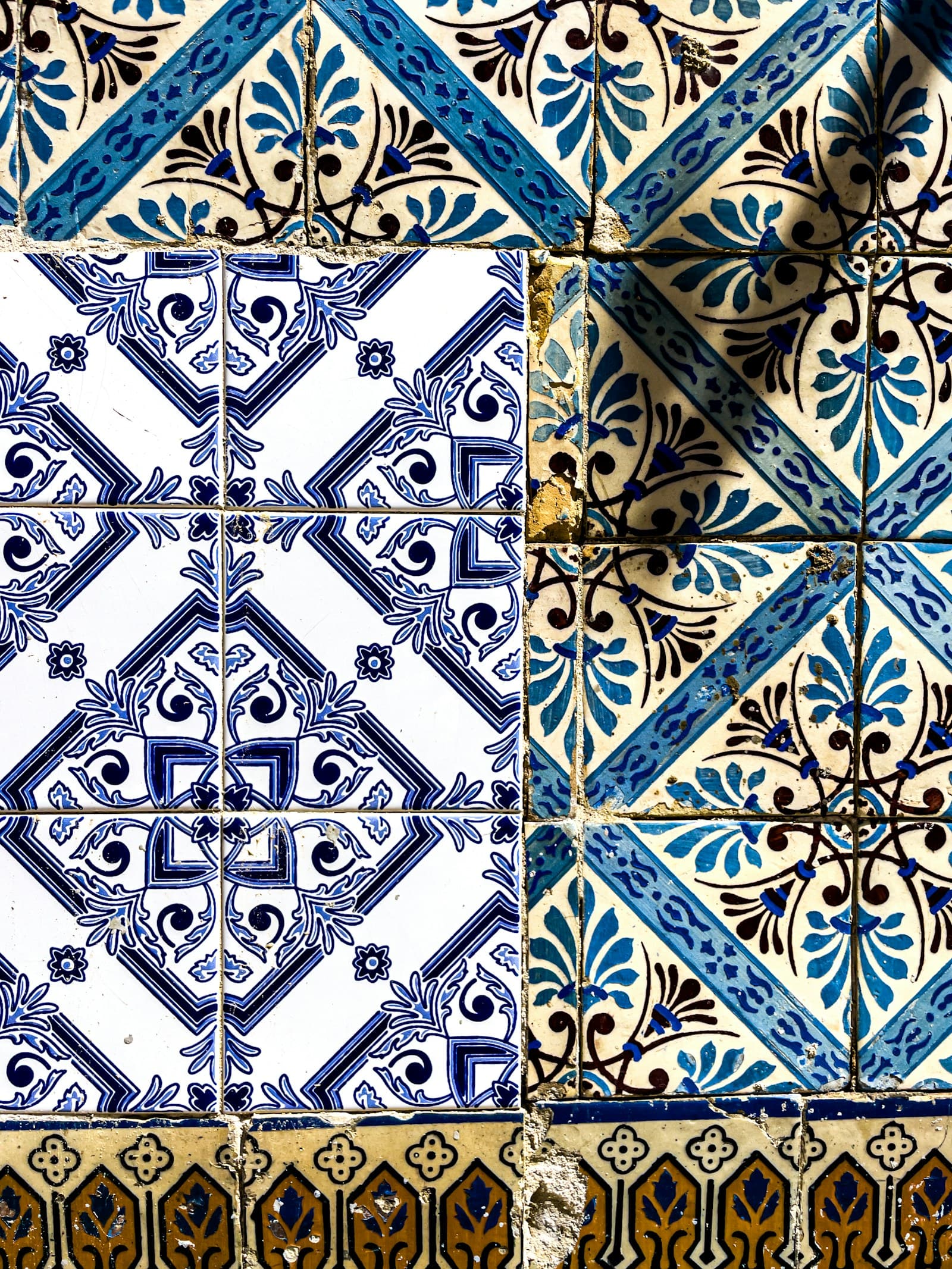
Blue and white azulejo tile facade in PortugalCraft

Azulejos

Painted ceramic tiles — usually blue and white — covering entire facades, church interiors, and Lisbon metro stations. Visit the Museu Nacional do Azulejo (Lisbon) for the canonical version; spend an afternoon just photographing facades in Alfama and Porto's Capela das Almas.

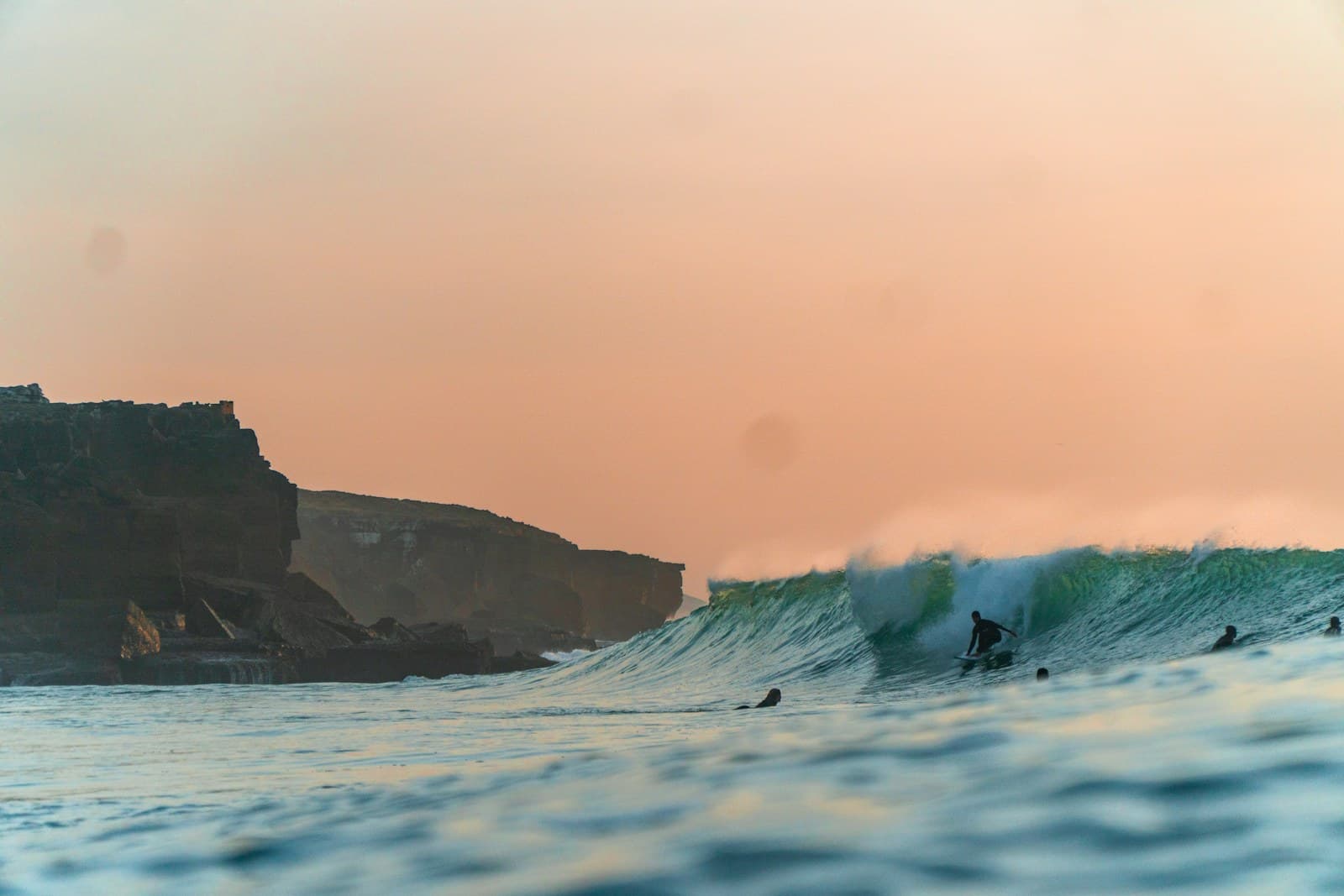
Surfer riding a wave on the Portuguese Atlantic coastExperience

Atlantic surf

Portugal has Europe's most consistent Atlantic swell. Beginner lessons in Costa da Caparica (Lisbon), Ericeira (a World Surfing Reserve), Peniche, Sagres. Big-wave watching in Nazaré winter. 1-hour beginner group lesson runs €30–45 including board and wetsuit.

Regions to know

To frame your trip by what you have time for and what you're after.

Lisbon & Centro

Lisbon, Sintra, Cascais, Óbidos, Nazaré, Aveiro

Most flights land at Humberto Delgado (LIS). Use Lisbon as the base — Sintra (30 min by train), Cascais beach (40 min), Óbidos (1hr), Nazaré (1h30) are all day-trippable. Walkable, scooter-rental easy, public transit excellent.

Porto & Norte

Porto, Douro Valley, Braga, Guimarães

Porto as base. The Douro Valley wine country starts 90 minutes east — train to Pinhão, sleep at a quinta, take a Rabelo boat down the river. Braga has Portugal's oldest cathedral; Guimarães is the birthplace of the country.

Algarve

Lagos, Tavira, Sagres, Aljezur, Benagil

Southern coast. Lagos for cliff hikes (Ponta da Piedade), Benagil for the sea cave, Tavira for the calmer east. The west coast (Sagres, Aljezur, Carrapateira) is the wild, surf-and-cliff side — far better than the British-tourist resort strip in the centre.

Alentejo

Évora, Monsaraz, Elvas, cork-tree plains

The empty middle. Hour-after-hour of cork trees, olive groves, and whitewashed walled villages. Évora is the only town with a real tourist scene; the rest is for road-trippers and people who want wine and quiet. Best in spring (wildflowers) and autumn.

Madeira

Funchal, Pico Ruivo, levadas, Porto Moniz

Volcanic island 1,000km southwest of Lisbon. Funchal as base. Levada hikes (along ancient irrigation channels), the Pico Ruivo cloud-line sunrise hike, the natural lava pools at Porto Moniz. 5 days is the right add-on.

Azores

São Miguel, Pico, Faial, Terceira

Nine mid-Atlantic islands. São Miguel for the first visit (crater lakes, whale-watching). Pico for the climb of Portugal's highest peak (2,351m). Faial for the blue hydrangeas and the Horta marina (Atlantic crossing checkpoint). Weather changes every 20 minutes.

Suggested itineraries

Three lengths, depending on time. Fork any of them into WePlanify.

7d

Lisbon + Porto + Algarve — 7 days

The classic first trip. Train Lisbon-Porto, fly or drive to the Algarve at the end.

  • Day 1–3: Lisbon (Alfama, Belém, Bairro Alto + Sintra day trip)
  • Day 4–5: Porto (Ribeira, Dom Luís bridge, port-cellar tour)
  • Day 6–7: Lagos & Benagil (Algarve) — fly home from Faro (FAO) or back via LIS
10d

Add the Douro & Alentejo — 10 days

Slow the pace. Add the Douro Valley wine country and the Alentejo plains. Requires a rental car for the Alentejo leg.

  • Day 1–3: Lisbon + Sintra
  • Day 4: Évora (Alentejo) overnight
  • Day 5–6: Porto
  • Day 7: Pinhão / Douro Valley overnight at a quinta
  • Day 8–10: Algarve (Lagos + Benagil + Tavira)
14d

Full Portugal — 14 days

Mainland + a Madeira or Azores extension. Two domestic flights — book TAP / SATA in advance.

  • Day 1–3: Lisbon + Sintra
  • Day 4–5: Porto + Douro Valley
  • Day 6: Coimbra + Aveiro
  • Day 7–8: Algarve (Lagos, Benagil, Sagres)
  • Day 9: Évora (Alentejo)
  • Day 10–14: Fly to Madeira (Funchal base, levada hikes, Pico Ruivo) OR Azores (São Miguel)

Daily budget

Per person, excluding flights. Three comfort tiers.

Backpacker
70/day

Hostel dorm or small Airbnb (€25), prato do dia lunch + tasca dinner (€20), regional trains and walking (€10), one paid attraction (€15). Portugal is the best-value Western European country on the cheap.

Mid-range
140/day

3-star hotel or boutique guesthouse (€90), one sit-down dinner + casual lunch (€35), Comboios train or rental car (€10 averaged), entries (€5). The right tier.

Comfortable
300/day

Pousada or design hotel (€190), one fine-dining or chef's-counter dinner (€80), AP train first class or driver-included transfers (€20), guide or activity (€10). Honeymoon or anniversary tier.

Per person, excluding international flights. AP / Alfa Pendular high-speed train Lisbon-Porto is 3hr and ~€32 in 2nd class if booked 1–2 weeks ahead. Cash useful in tascas and small Algarve restaurants; cards otherwise universal.

Cultural do's & don'ts

Small moves that matter — and the ones that make everyone uncomfortable.

  • Pack proper walking shoes. Lisbon and Porto are seriously hilly — cobblestones are slippery in rain. Skip rolling luggage; carry a backpack or pay for taxis.

  • Don't speak Spanish. Portuguese is its own language; using Spanish reads as either ignorant or arrogant. Learn 5 phrases: bom dia, boa tarde, obrigado/obrigada, por favor, com licença. Locals warm up immediately.

  • Order the prato do dia at lunch (€8–14 for a soup + main + drink + coffee). The single best food deal in Western Europe and the locals' default.

  • Drink vinho verde in summer. Slightly sparkling, low-alcohol (9–11%), citrus-y white wine from northern Portugal, served chilled. Pairs with everything seafood and costs €3–5 a glass.

  • Don't accept the 'couvert' (bread + olives + cheese placed on the table at restaurants) without checking — it's not free, usually €2–6 per person. Decline if you don't want it; no one's offended.

  • Watch pickpockets on Tram 28 and at Praça Martim Moniz boarding it. Same risk at Lisbon Santa Apolónia station and Porto's São Bento. Crossbody bag in front.

  • Get a Viva Viagem card in Lisbon, Andante in Porto. Both reload at metro stations; both cover metro + bus + tram. Beats buying single tickets each time and saves the queue.

  • Don't drive into central Lisbon or Porto. The historic centers have restricted-traffic zones, parking is brutal, and trams have right-of-way over cars on tight streets. Park outside and take public transport in.

Plan your Portugal trip with your crew

Bring this guide into WePlanify, invite the group, and build the trip together. Shared map, polls, shared budget — all free.