Regions to know
To frame your trip by what you have time for and what you're after.
Mexico City & Central
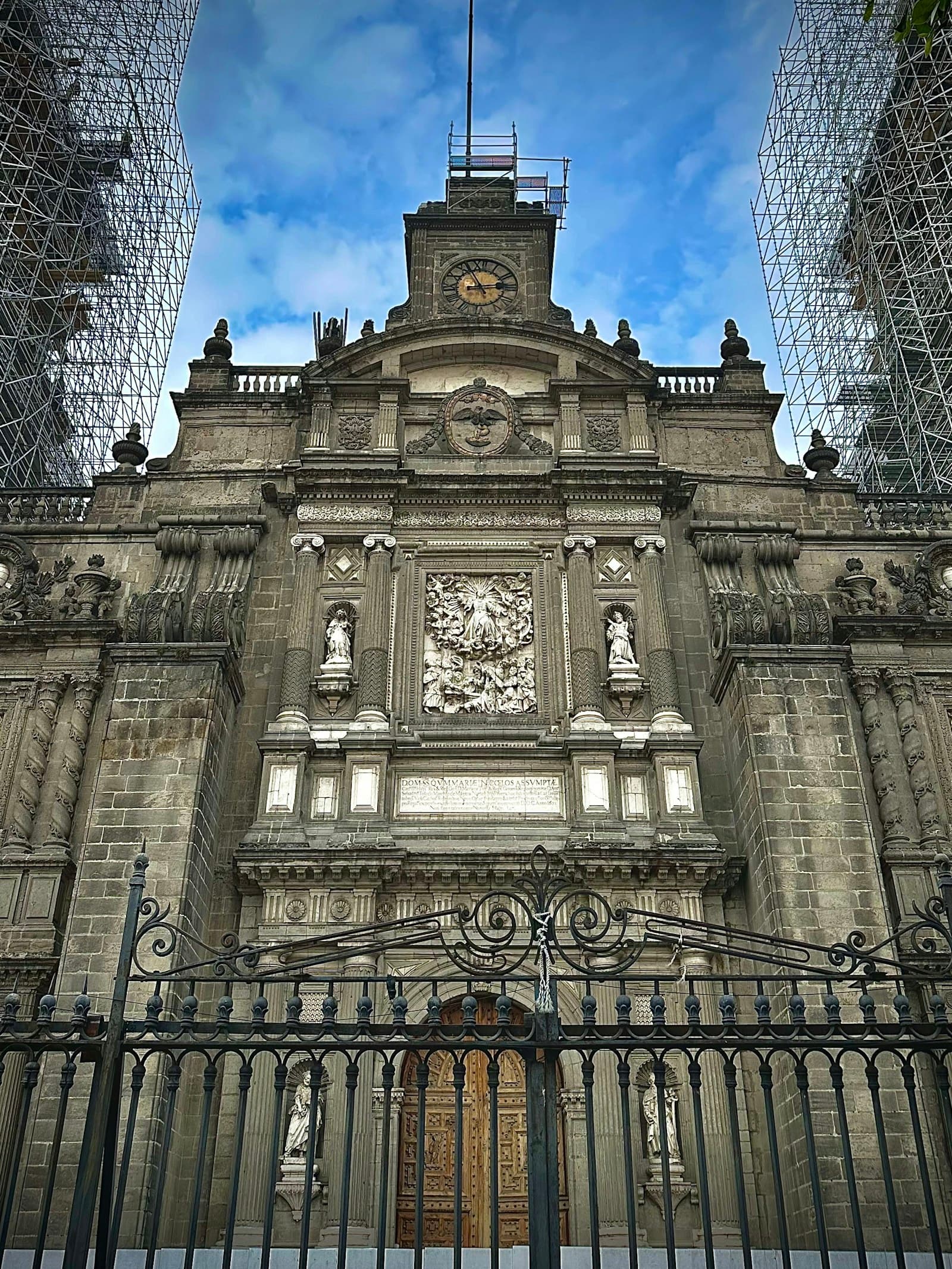
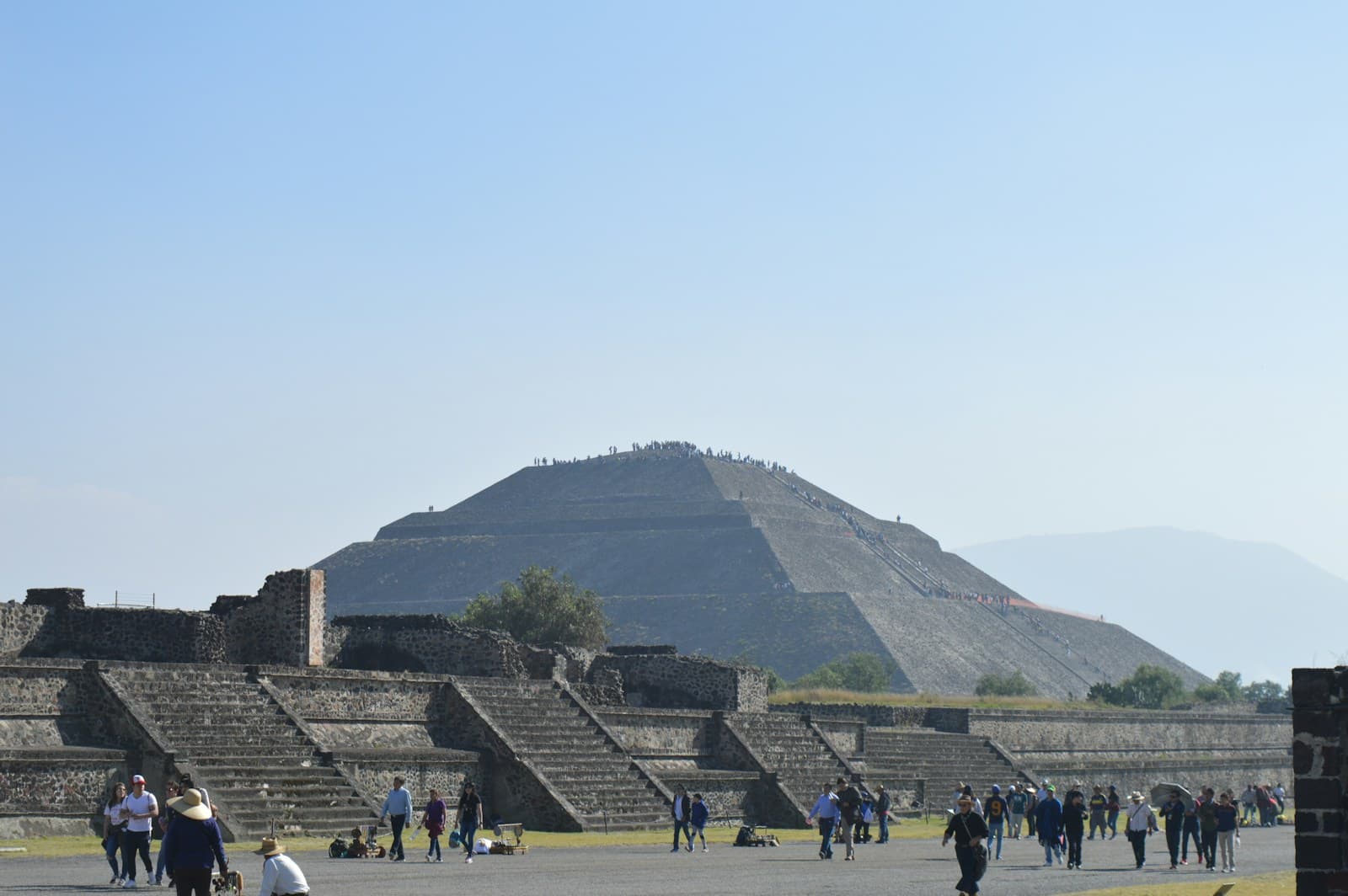
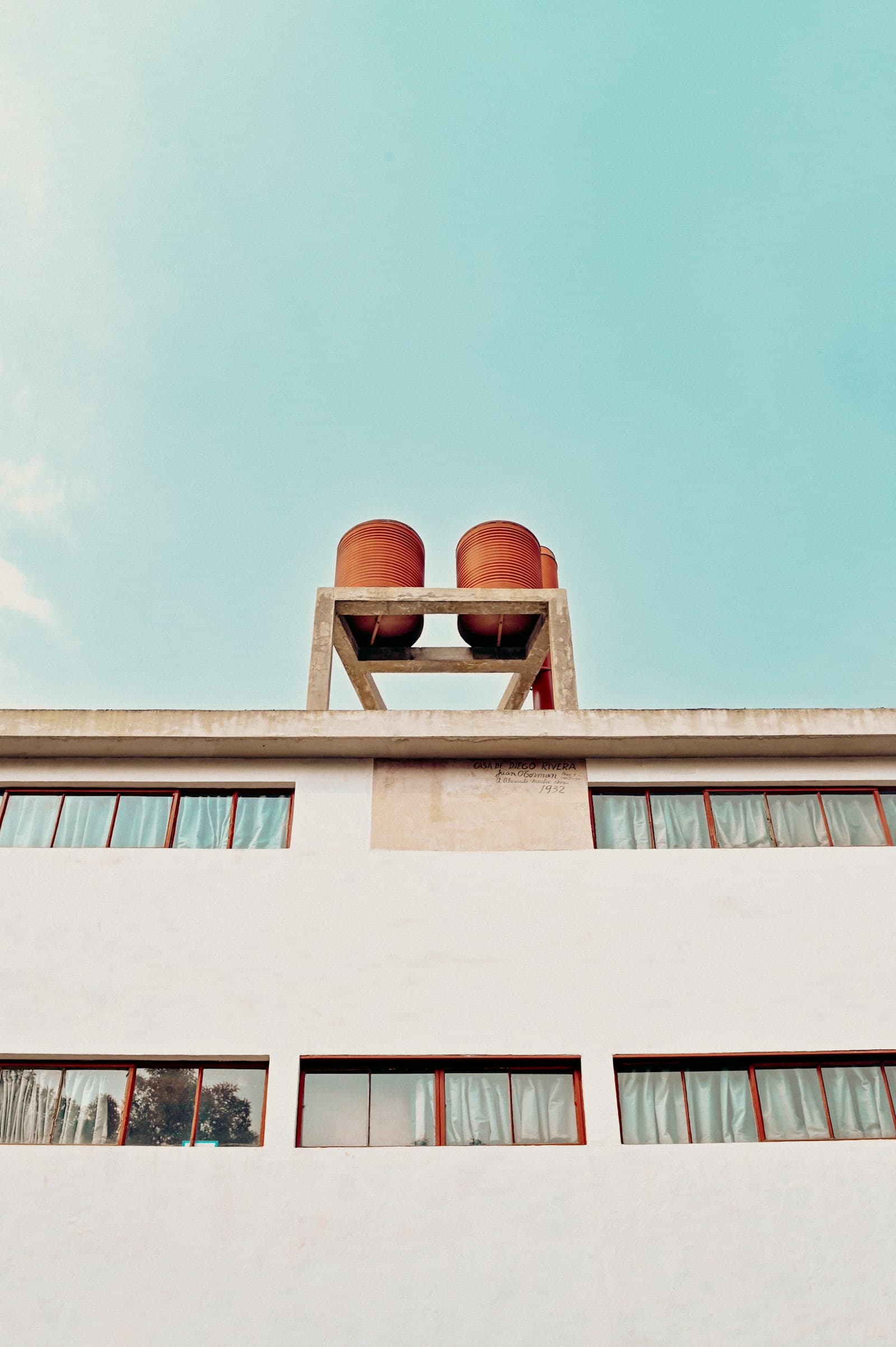
Mexico City (CDMX), Teotihuacán, Puebla
Most international flights land at AICM (MEX) or AIFA. CDMX as base — Roma Norte and Condesa are the neighborhoods to stay. Day trips: Teotihuacán pyramids (1hr north), Puebla (talavera tiles, 2hr southeast). Use Uber heavily; it's safer and cheaper than taxis.
Yucatán Peninsula
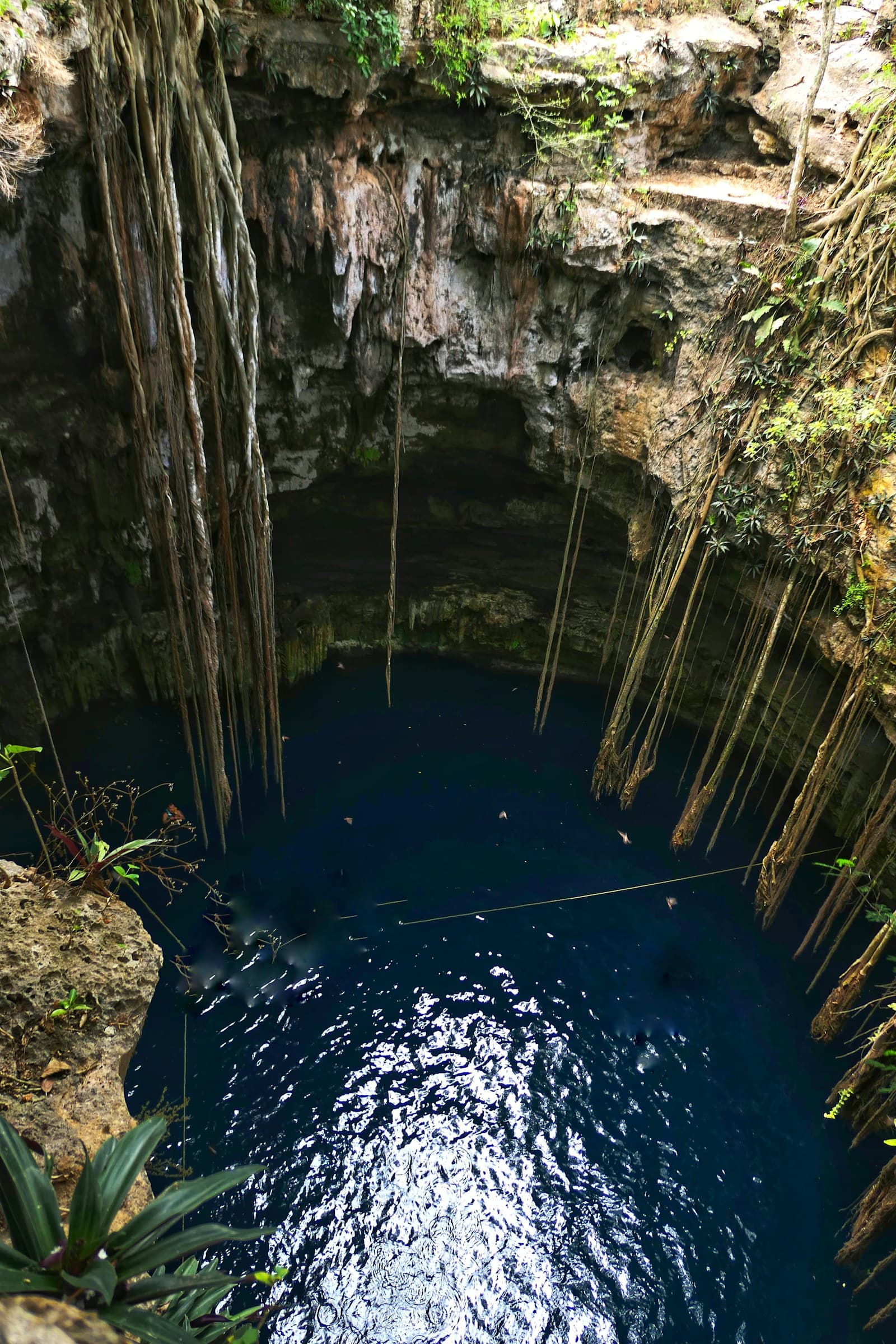
Mérida, Tulum, Chichén Itzá, cenotes, Playa del Carmen
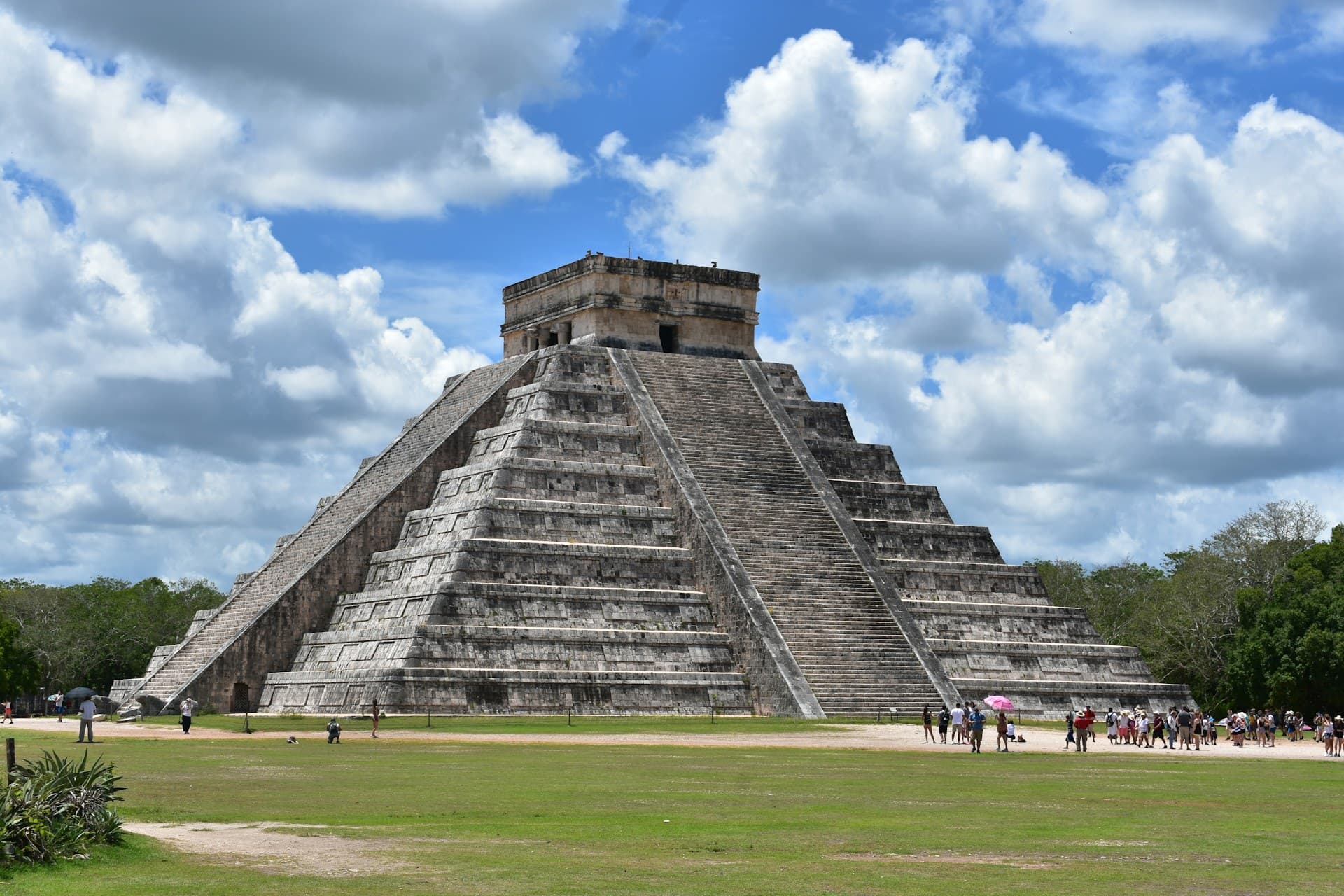
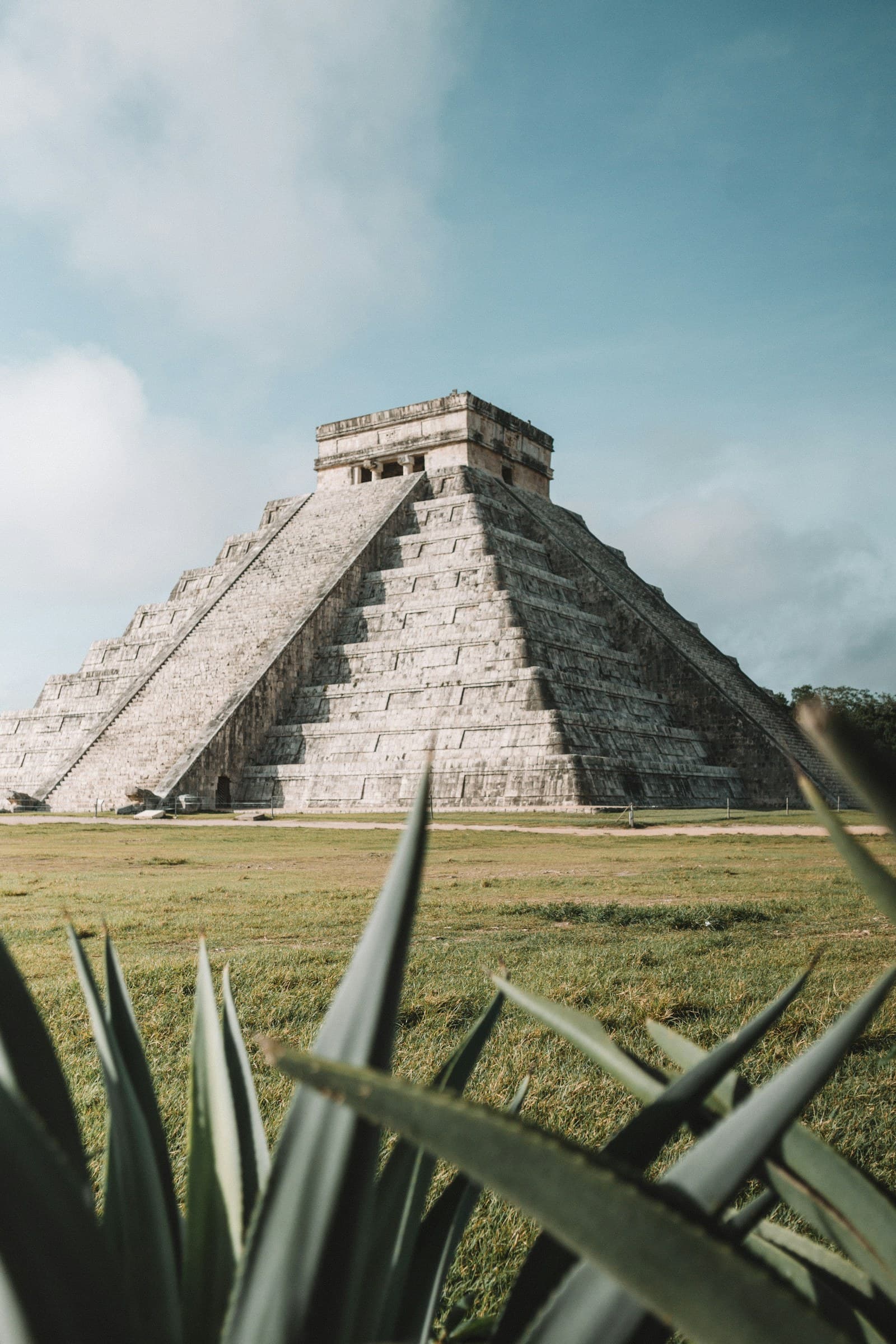
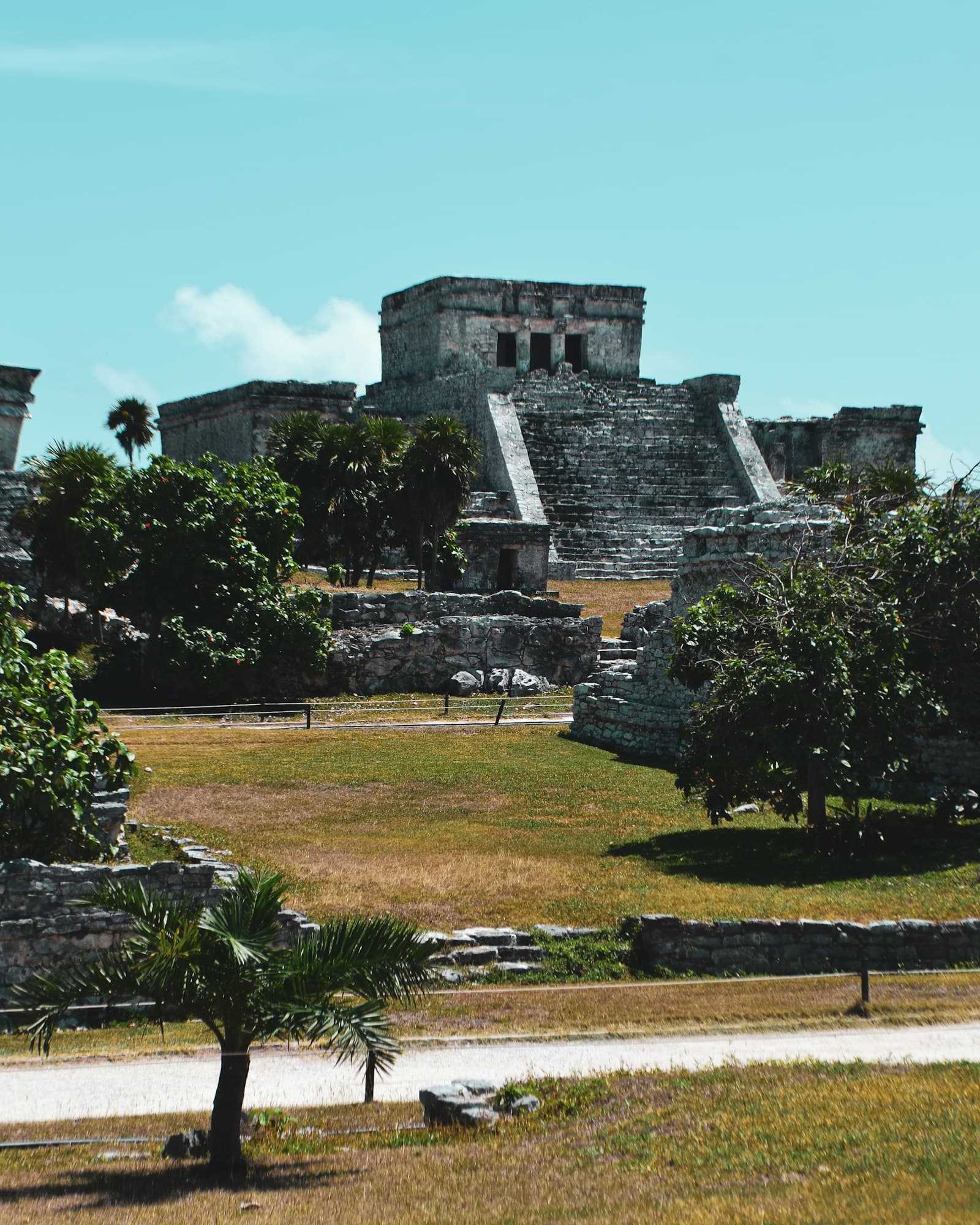
Three states (Yucatán, Quintana Roo, Campeche), one big tourist circuit. Mérida as colonial base, Tulum for the beach version, cenotes everywhere in between. Rent a car — public transport is patchy. Cancún airport (CUN) is the gateway.
Oaxaca
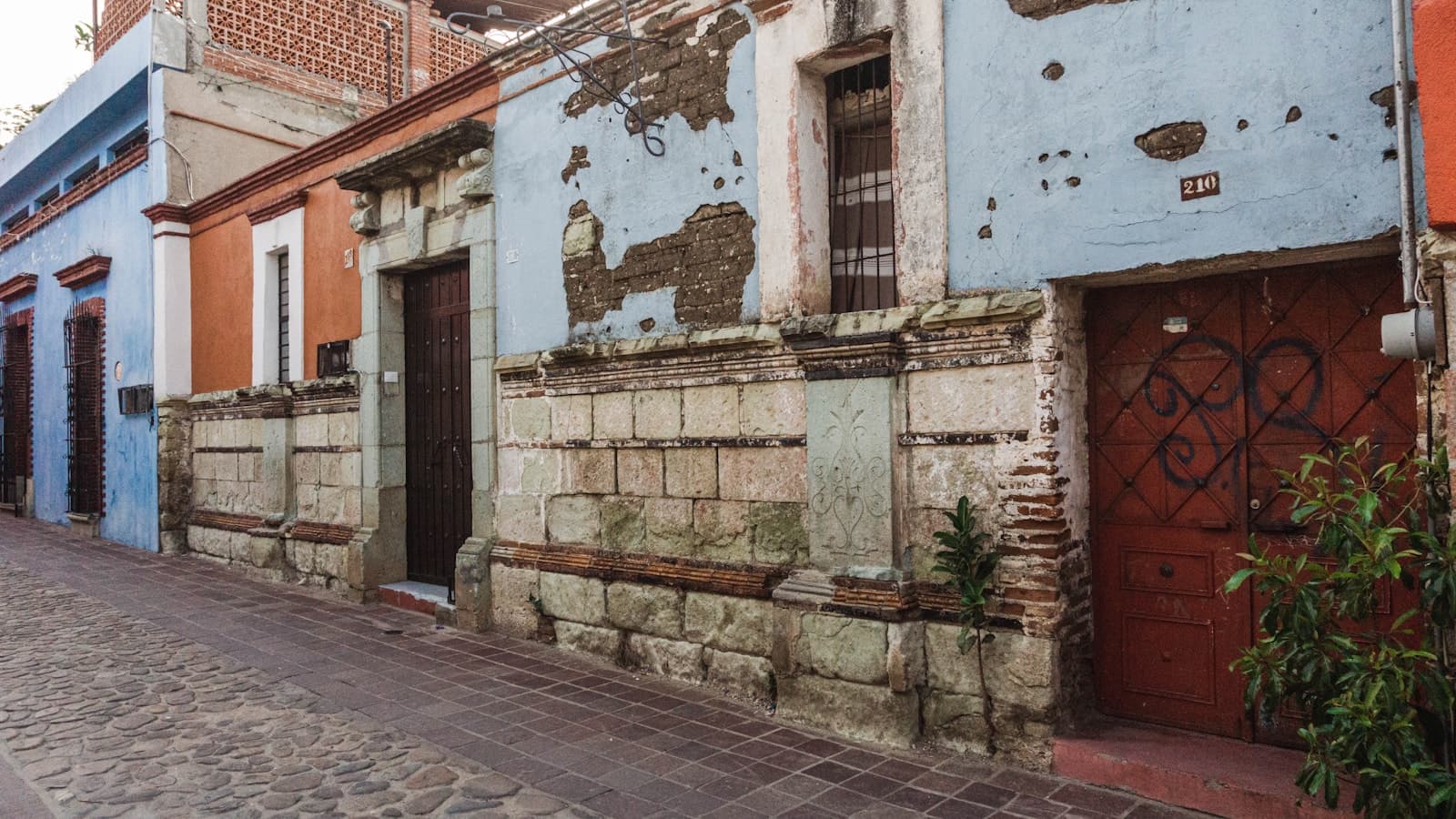
Oaxaca city, Monte Albán, Hierve el Agua, Pacific coast (Puerto Escondido, Mazunte)
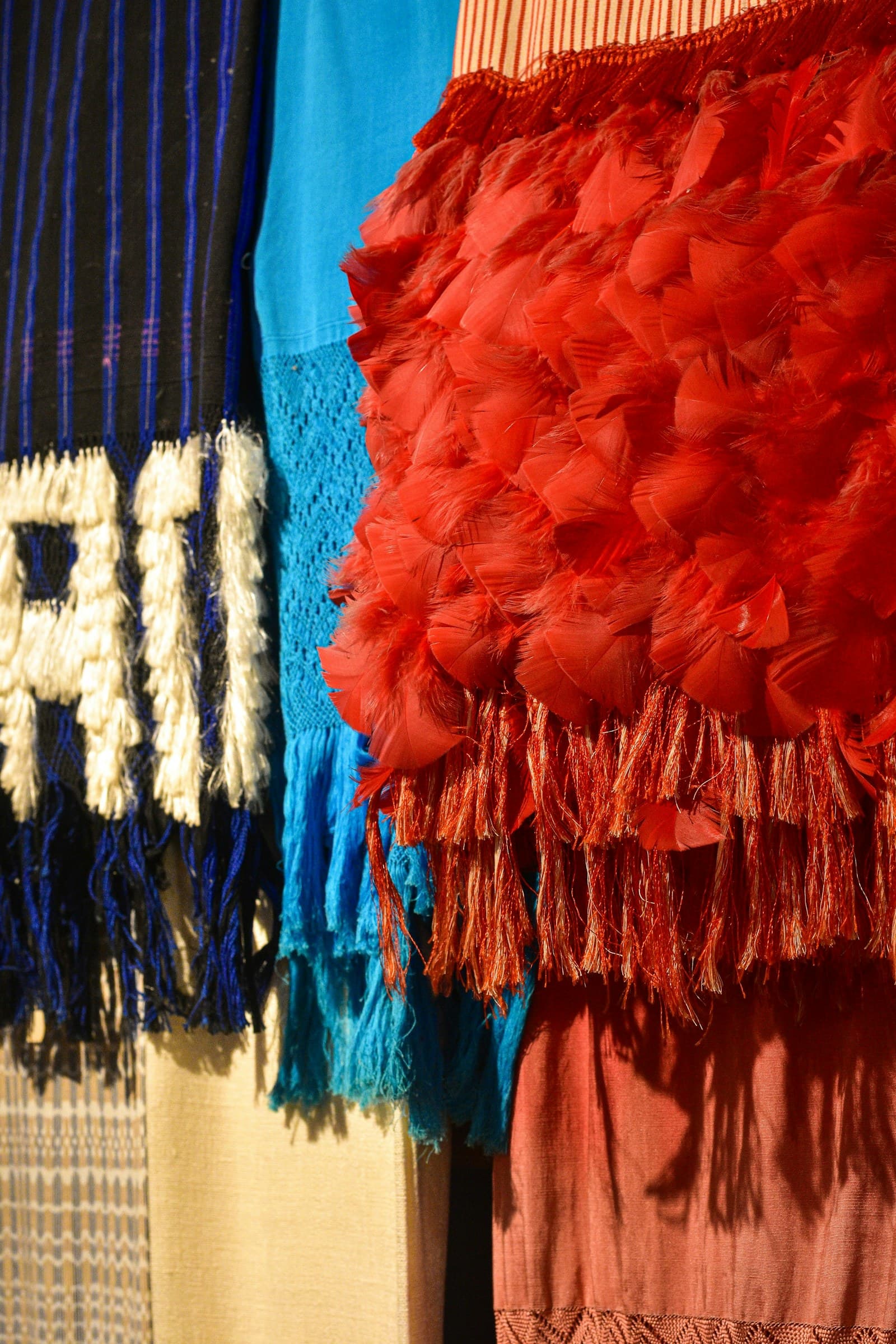
Mexico's most distinct state — 16 indigenous languages, 7 moles, the country's best mezcal. Oaxaca city + the Sierra + the Pacific coast is a state-on-its-own trip (5–7 days). Fly to OAX from CDMX (1hr).
Bajío (colonial cities)
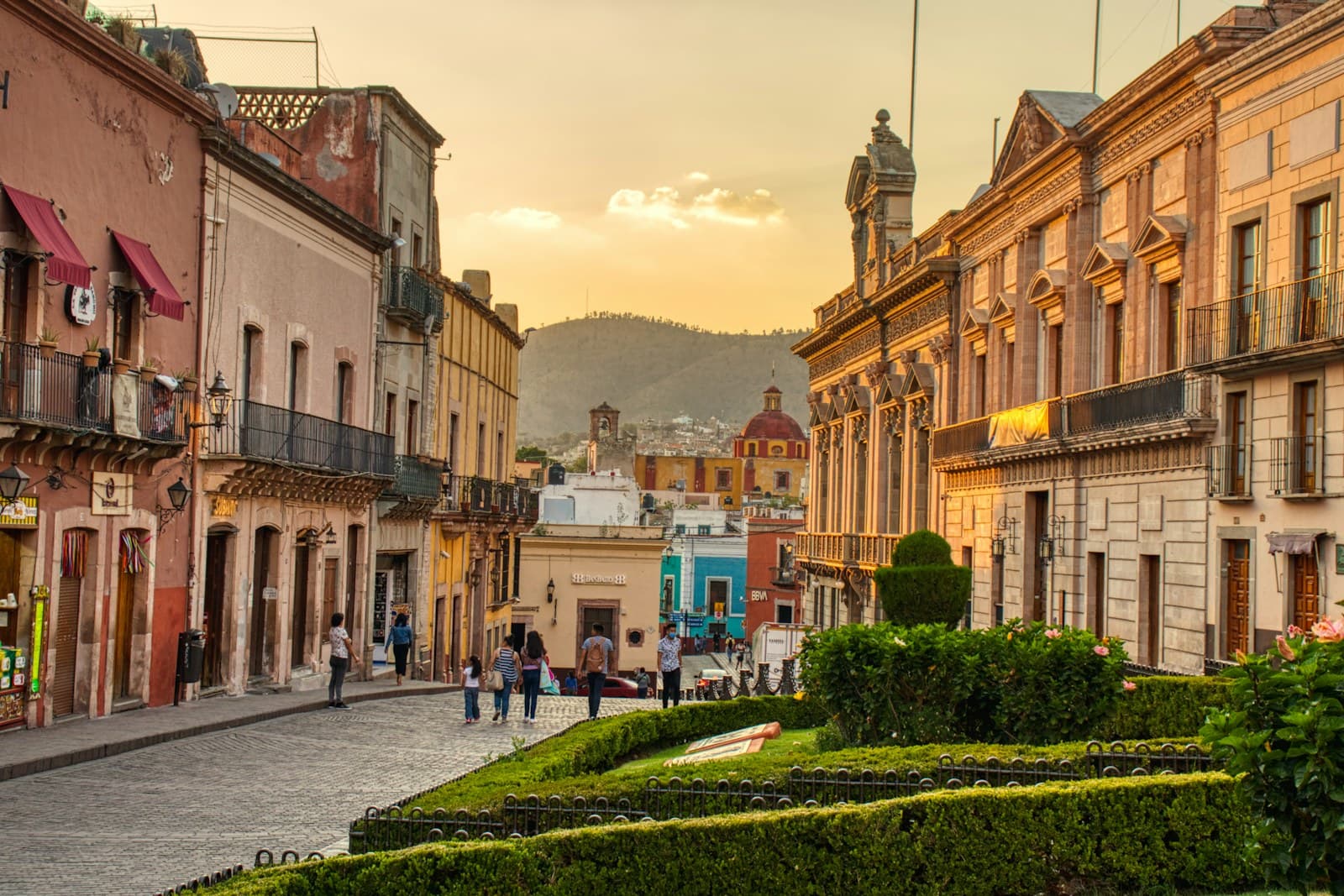
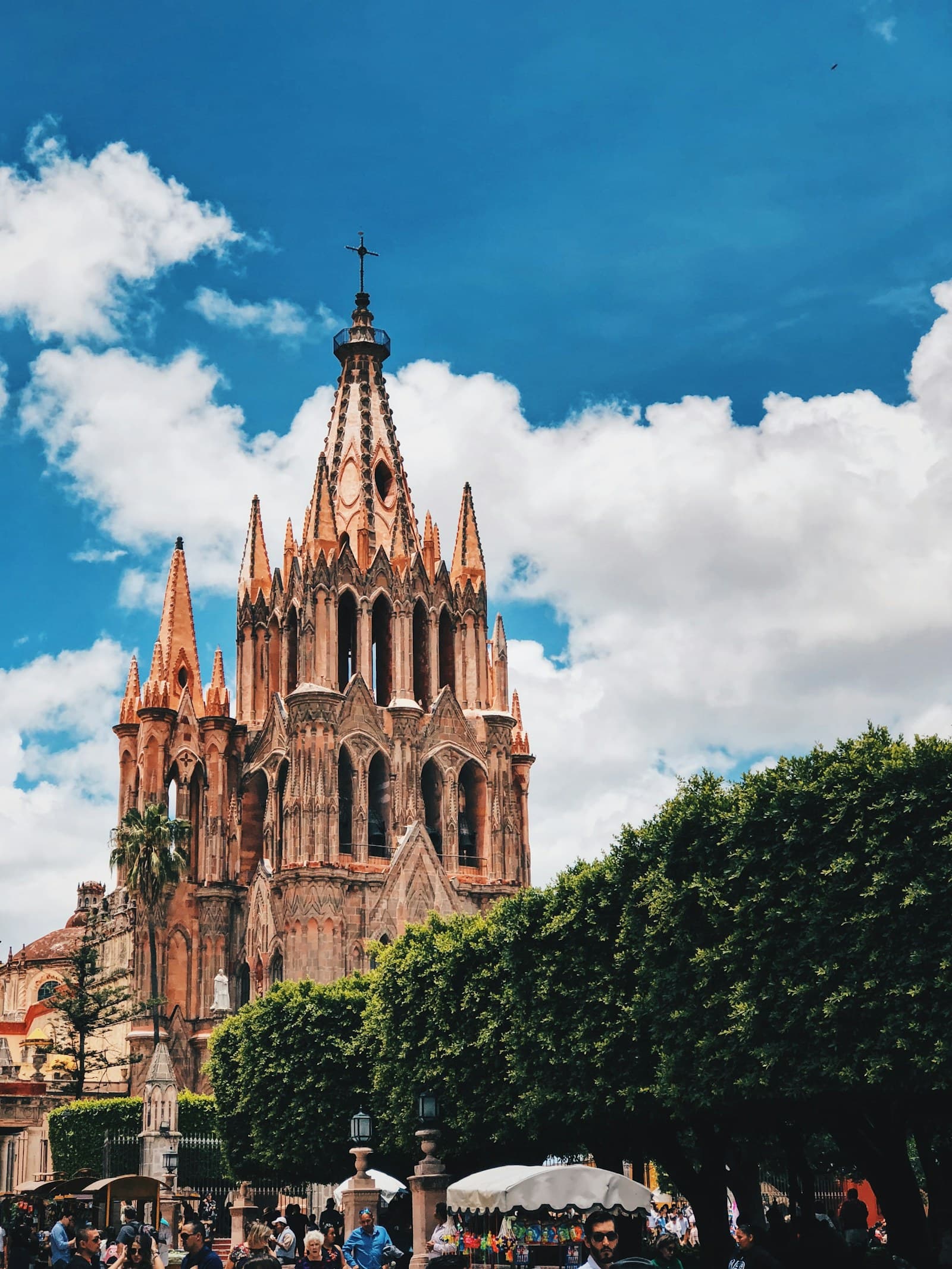
Guanajuato, San Miguel de Allende, Querétaro
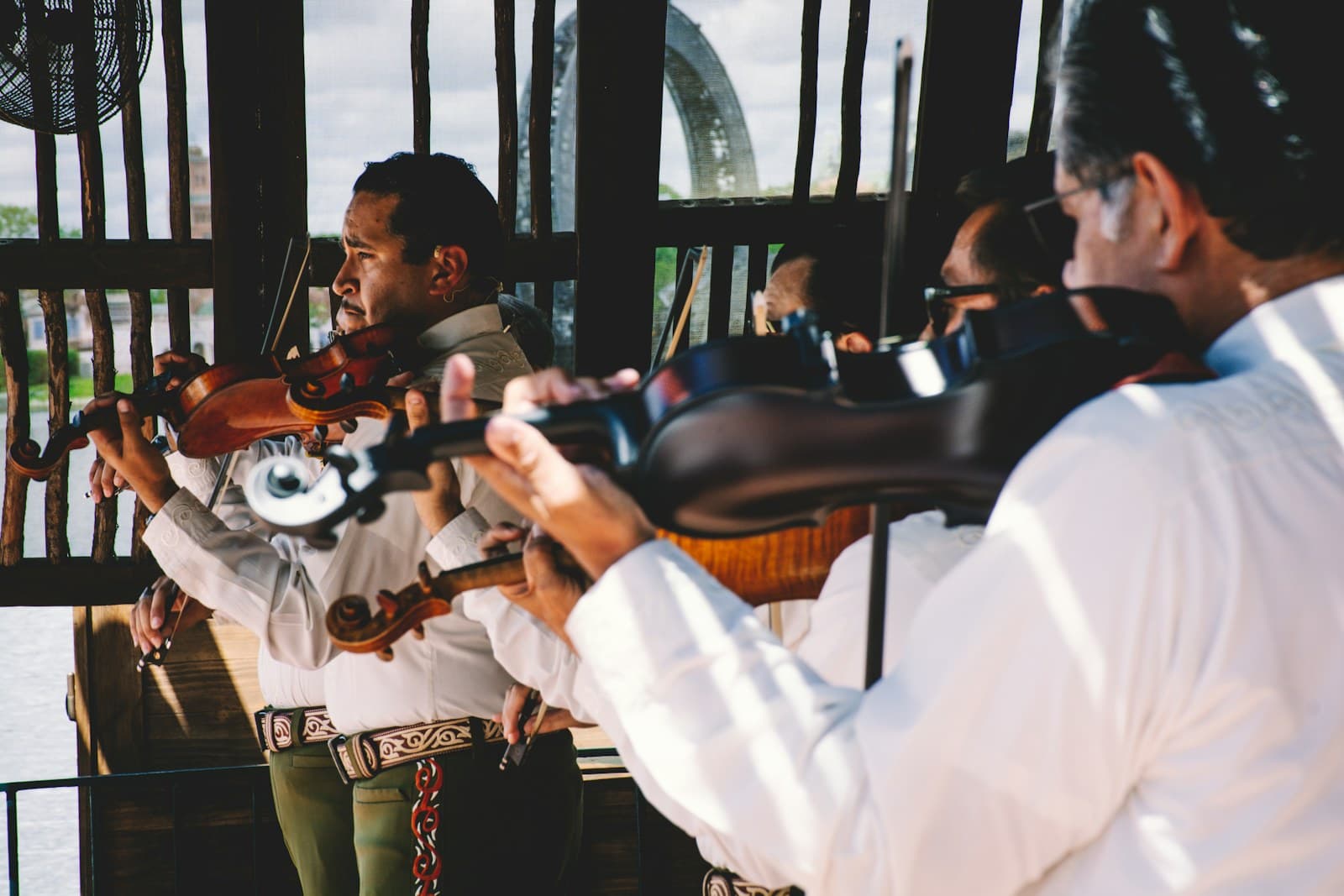
The silver-mining belt north of CDMX. UNESCO old towns, cobblestoned streets, mariachi in plazas. The Mexico that postcards used to show. 4–5 days to do all three; rental car or first-class buses (ETN, Primera Plus).
Pacific coast
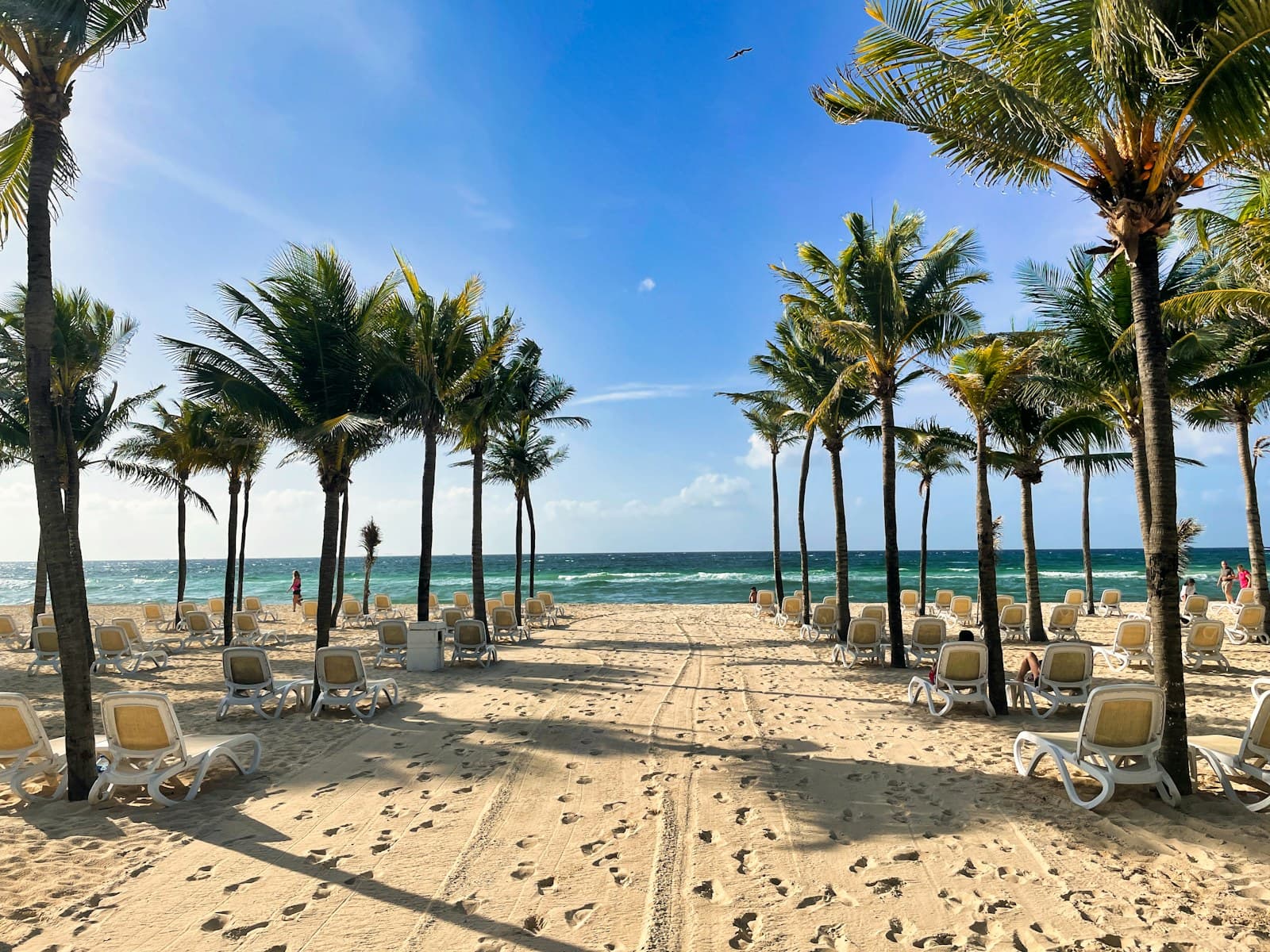
Puerto Vallarta, Sayulita, Puerto Escondido, Mazunte
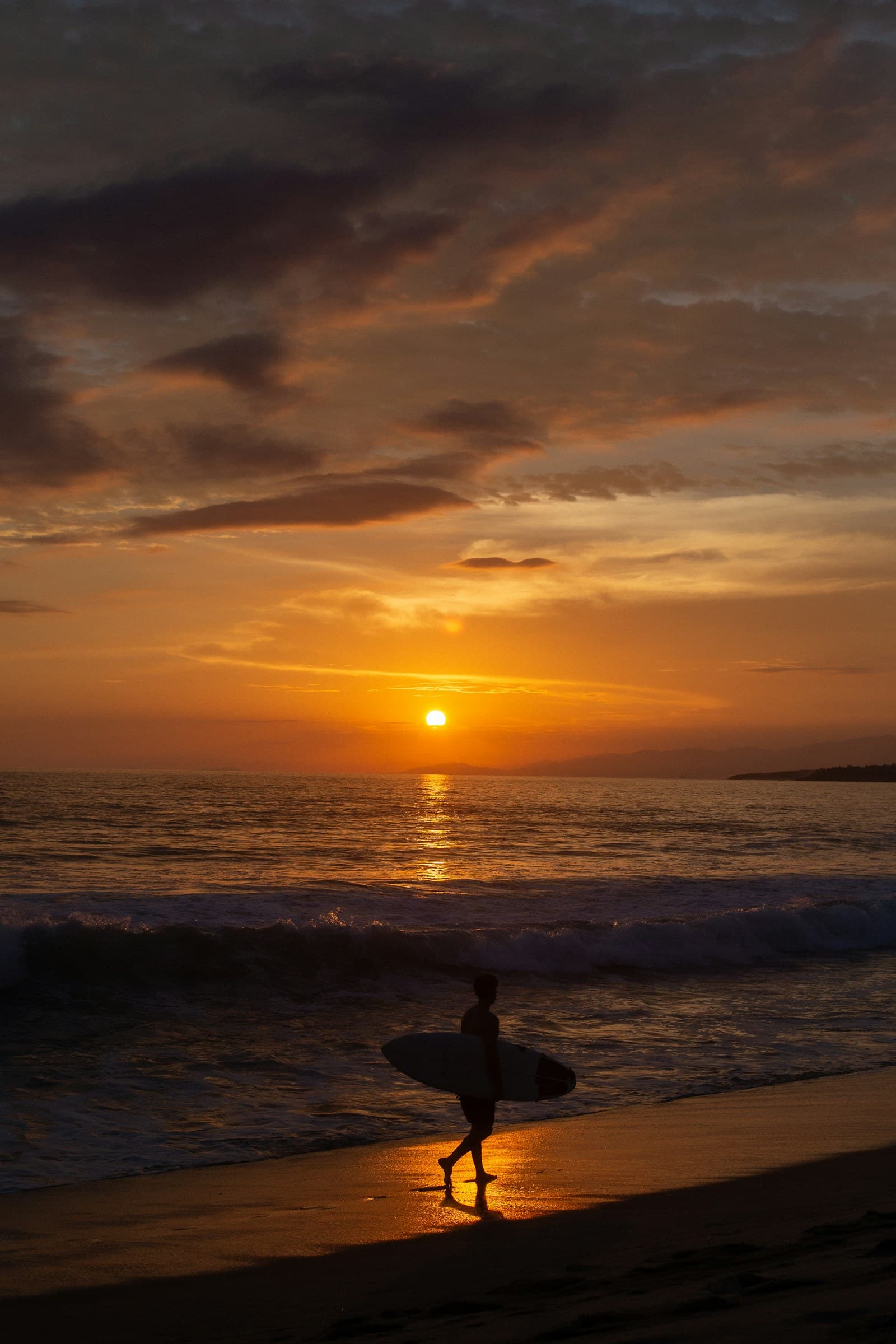
Surf villages and resort towns on the Pacific. Puerto Vallarta for the established beach holiday, Sayulita for surf-and-yoga vibe, Puerto Escondido and Mazunte for the deeper south Pacific. Best November–April.
Baja California
Cabo San Lucas, La Paz, Loreto, whale watching
Long peninsula on the Pacific side. Cabo for the touristic south, La Paz for the calmer middle (whale-shark snorkeling), Loreto and Bahía Concepción for empty beaches. Whales February–April (greys at San Ignacio Lagoon; rare bucket-list experience).

 Food
Food