
 Food
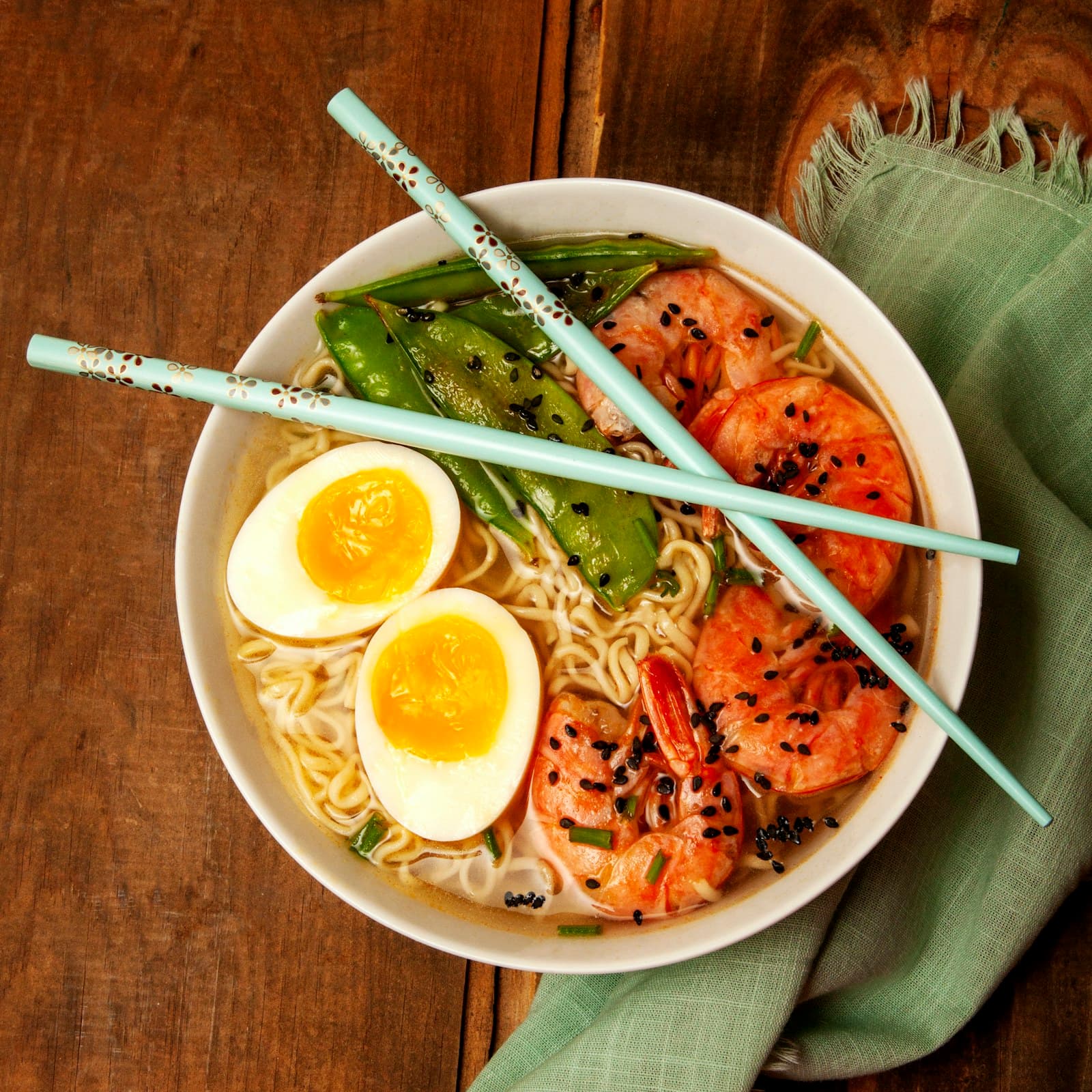
FoodRamen
Every region has its own broth: Tokyo shoyu (soy), Sapporo miso, Hakata tonkotsu (pork bone), Hakodate shio (salt). Order at the vending machine, slurp loudly — it's not rude, it's expected.
Japan rewards first-timers more than almost any country in the world. Trains run to the second. Convenience stores serve genuinely good food at 3am. A 1,000-yen bowl of ramen beats most restaurants you'll eat at back home this year. And the country is so layered — Tokyo neon, Kyoto temples, Hokkaido snow, Okinawa beaches — that two weeks barely scratches the surface.
First trip, almost everyone follows what locals call the Golden Route: Tokyo, Hakone or Fuji, Kyoto, Nara, Osaka. It's popular because it works — bullet train links it all in under three hours, and the contrast between Tokyo's density and Kyoto's slowness is the trip in miniature. Second trip, you go further: Kanazawa, Hiroshima, Mt Koya, the Japan Alps, the Setouchi islands.
Two practical things to know before you book. Cherry blossom (late March to early April) and autumn foliage (mid-November) are spectacular but require booking accommodation three to six months ahead — Japan is now one of the most over-booked countries on earth in those windows. And nothing here is improvised: restaurants take reservations, museums sell timed tickets, the Shinkansen requires seat assignments. Plan or pay the queue tax.
Visa-free up to 90 days for EU, UK, US, Canada, Australia passports.
Three windows to know: best, shoulder, and the one to avoid.
Cherry blossoms in spring and red-orange foliage in autumn are the marquee seasons. Mild weather, long days, postcard light. Book lodging 4–6 months ahead — these are the most crowded windows of the year.
Late May avoids both cherry-blossom crowds and the June rainy season. Winter is dry and clear in Tokyo/Kyoto, perfect for snow trips to Hokkaido or onsen towns — but Hokkaido itself can be -10°C.
Summer is brutally humid and 35°C+ in cities — only worth it for festivals (Kyoto's Gion Matsuri) or the Japan Alps. Golden Week is a domestic-travel tsunami: trains and hotels sell out months in advance at peak prices.
Spots that justify the trip on their own. Tap to open in Maps.
Ten thousand vermilion torii gates climb a forested mountain south of Kyoto. Go at 7am to walk the upper paths alone — by 10am the lower section is a queue.
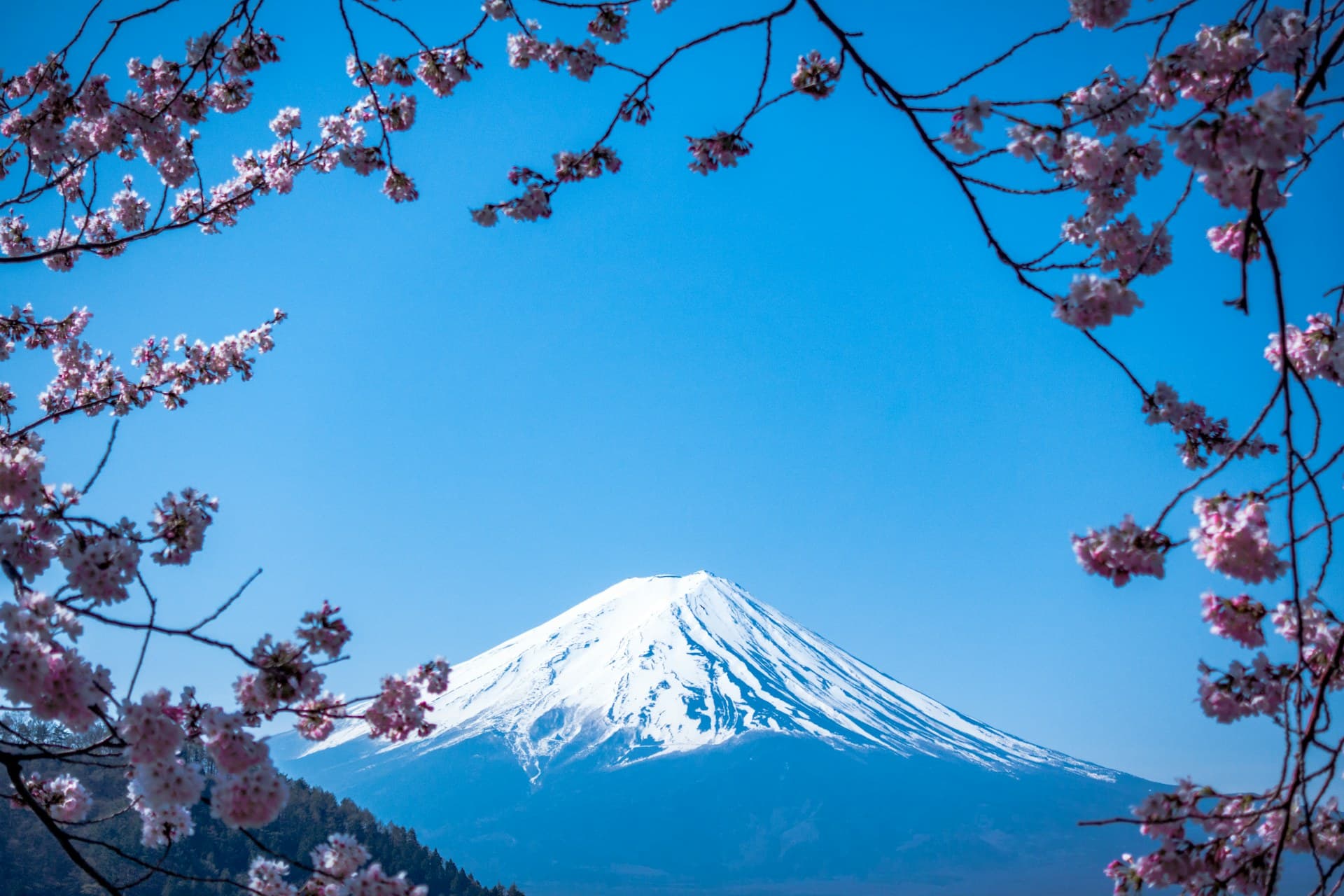
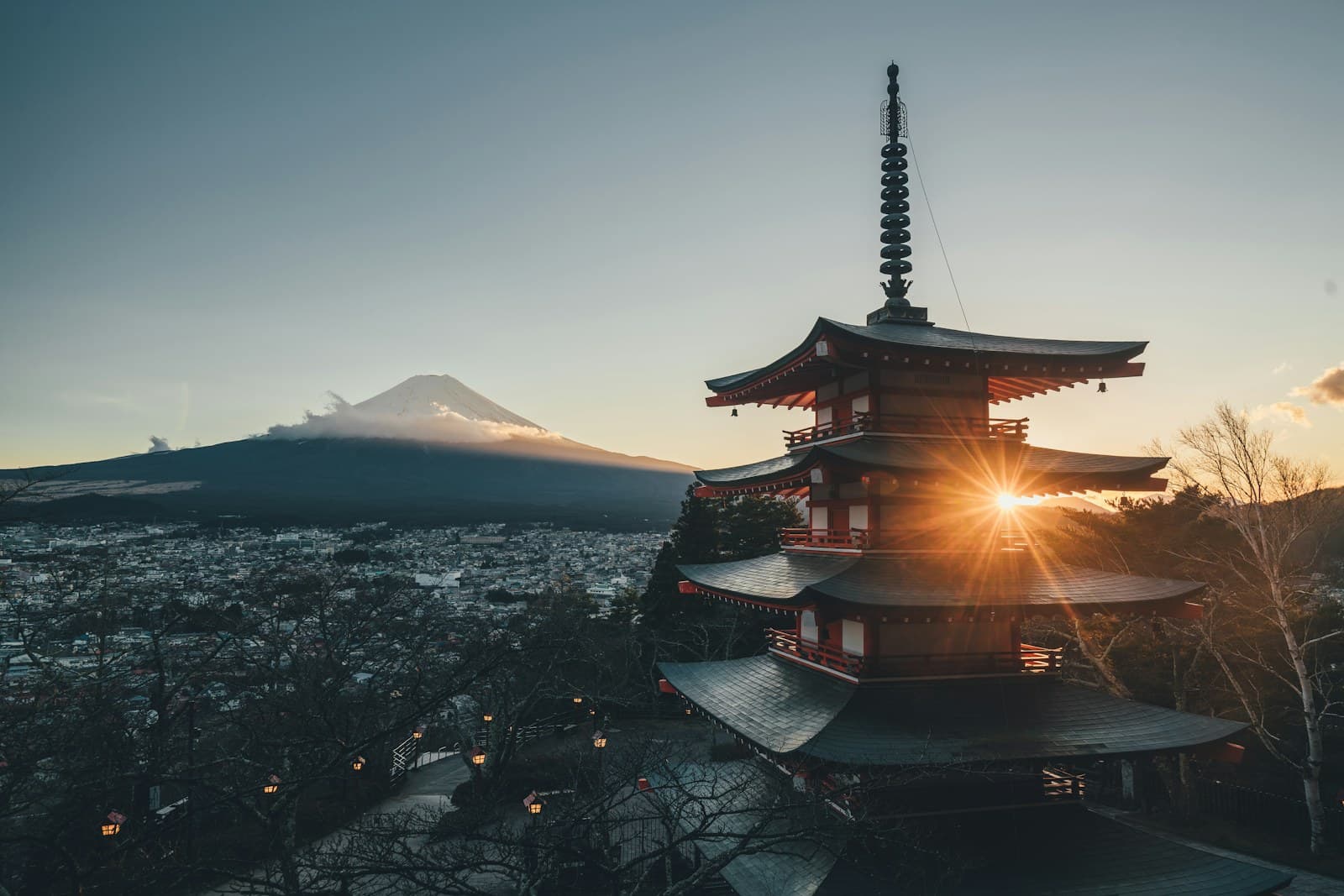
The classic view is from Lake Kawaguchi or Chureito Pagoda at sunrise. Fuji is shy — clear sightings are most common Nov–Feb when winter air is dry.
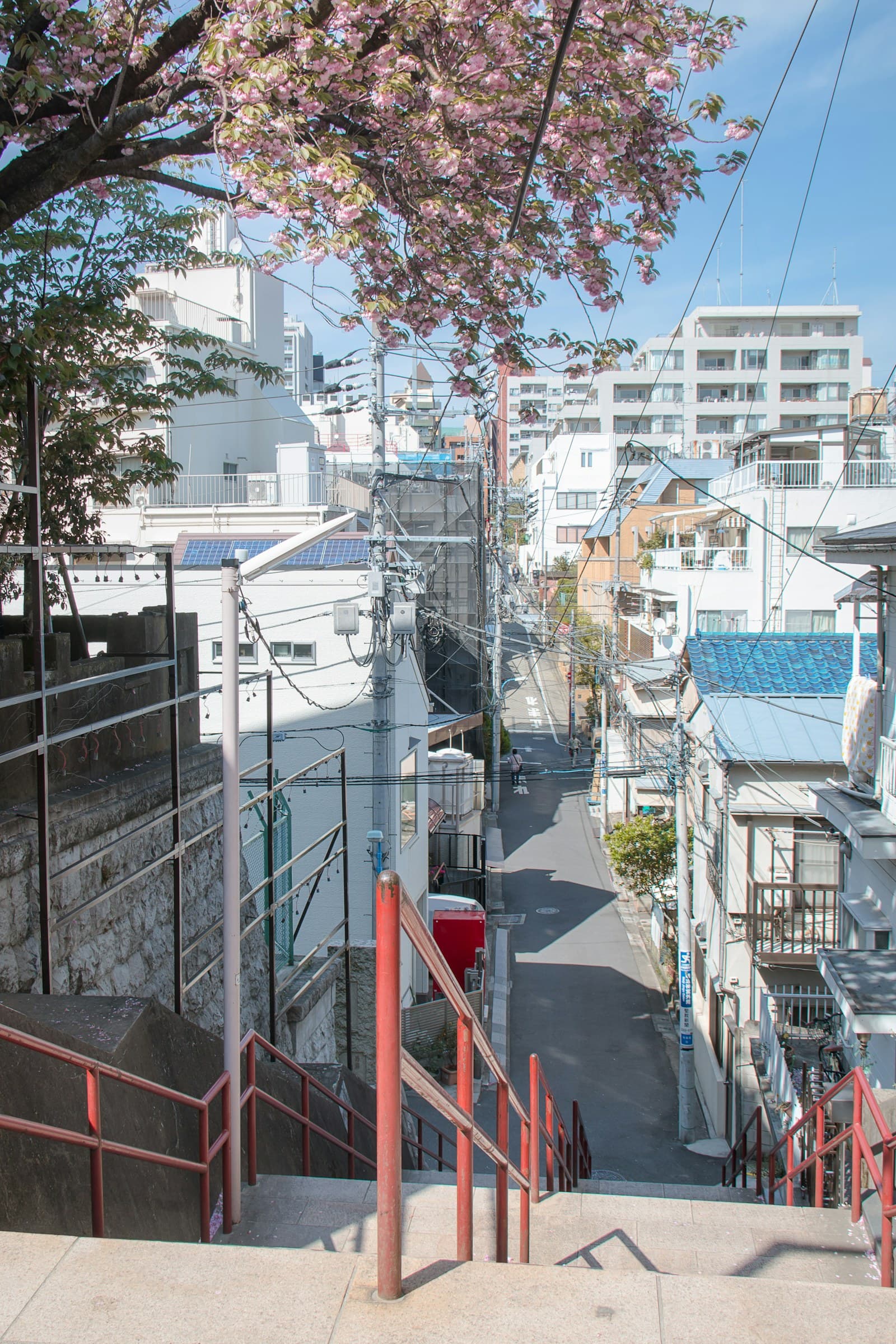
A 500-metre path through bamboo so dense the light turns green. Combine with Tenryu-ji temple next door and lunch in the village — go before 8am.
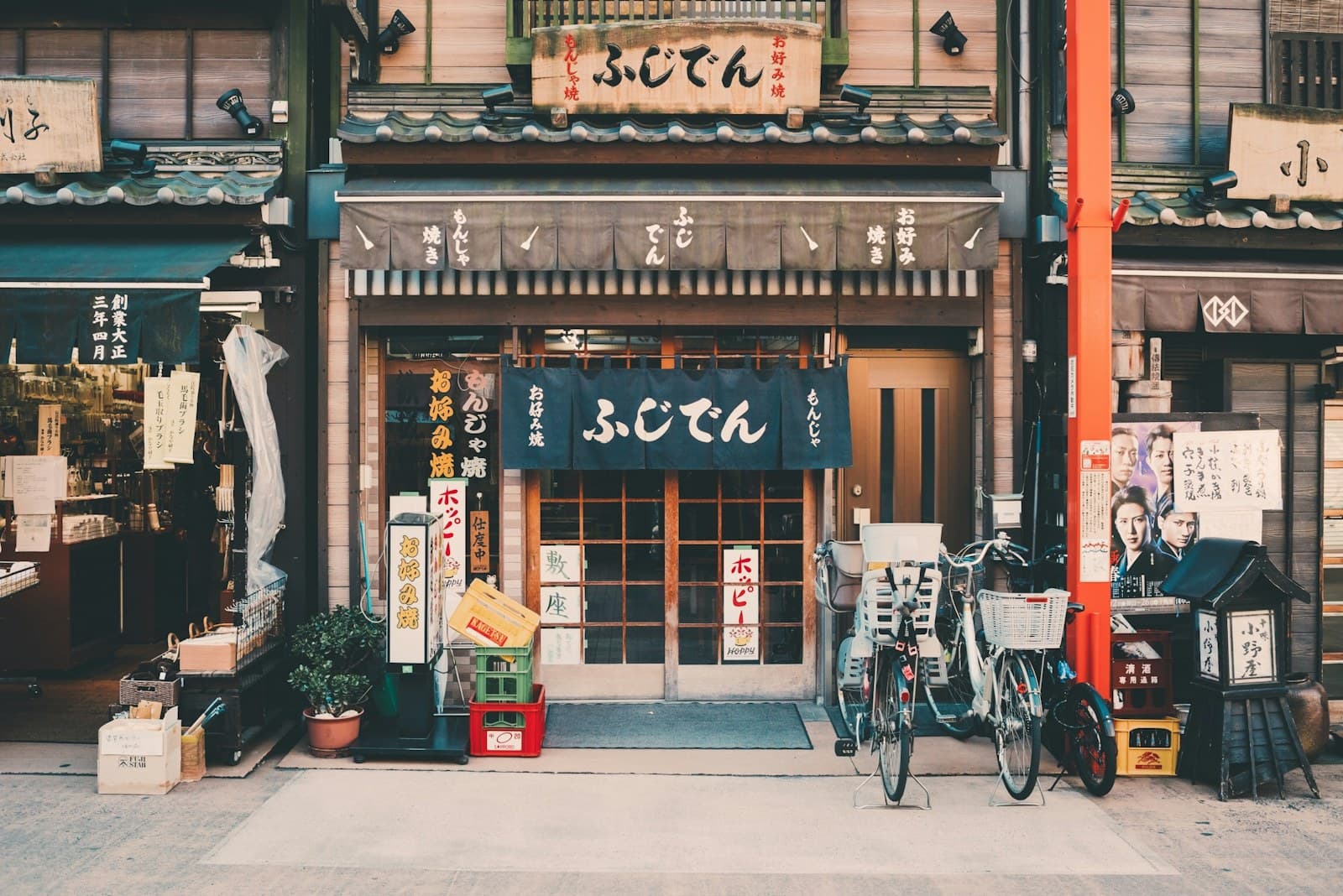
Tokyo's oldest temple, with Nakamise-dori — a 200-metre street of senbei, ningyo-yaki, and souvenirs leading to the main hall. Lit up at night, almost empty.
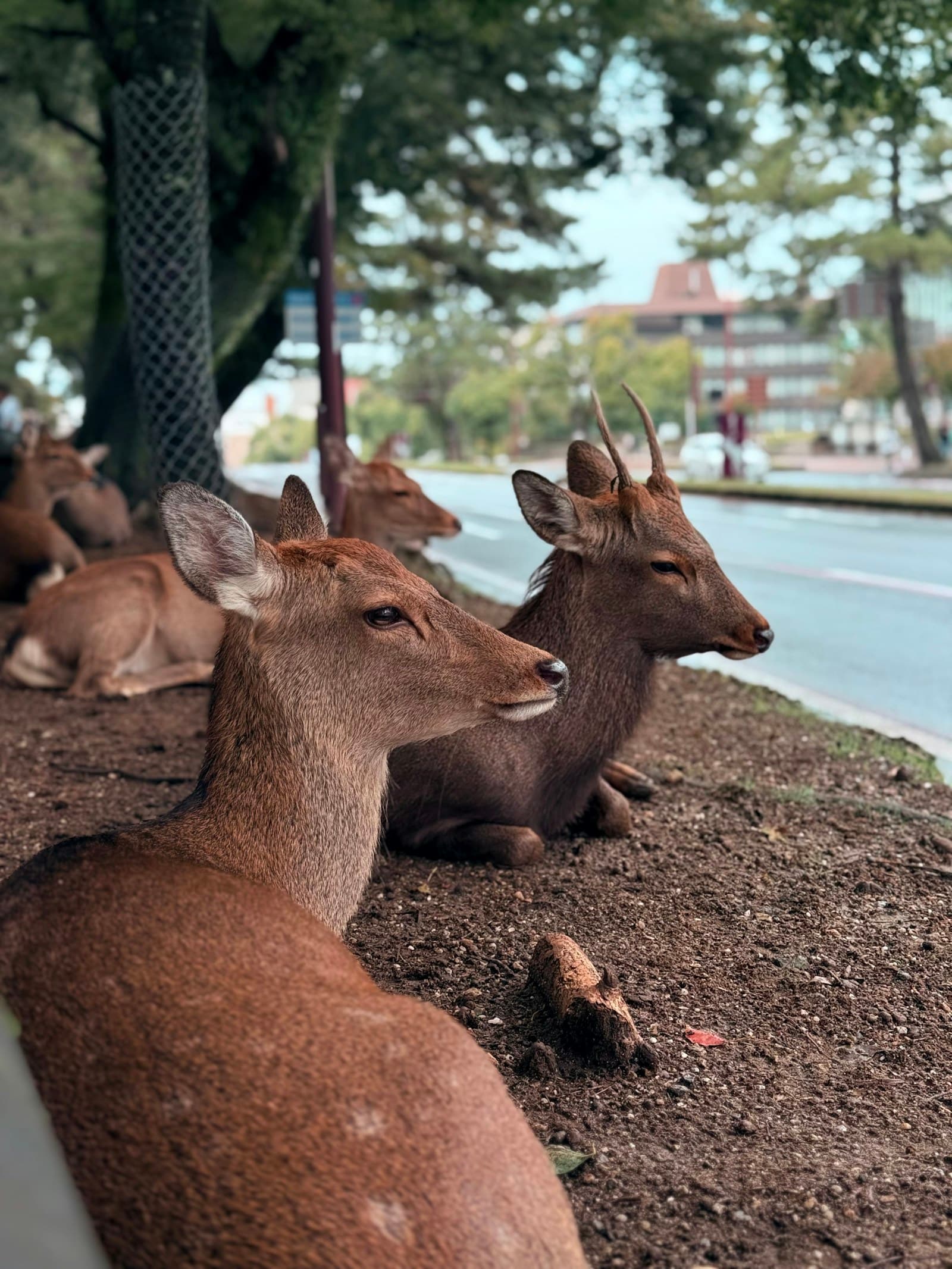
A 45-minute train from Kyoto. Free-roaming sika deer that bow for senbei crackers, plus Todai-ji's 15-metre bronze Buddha. Half-day, easy.
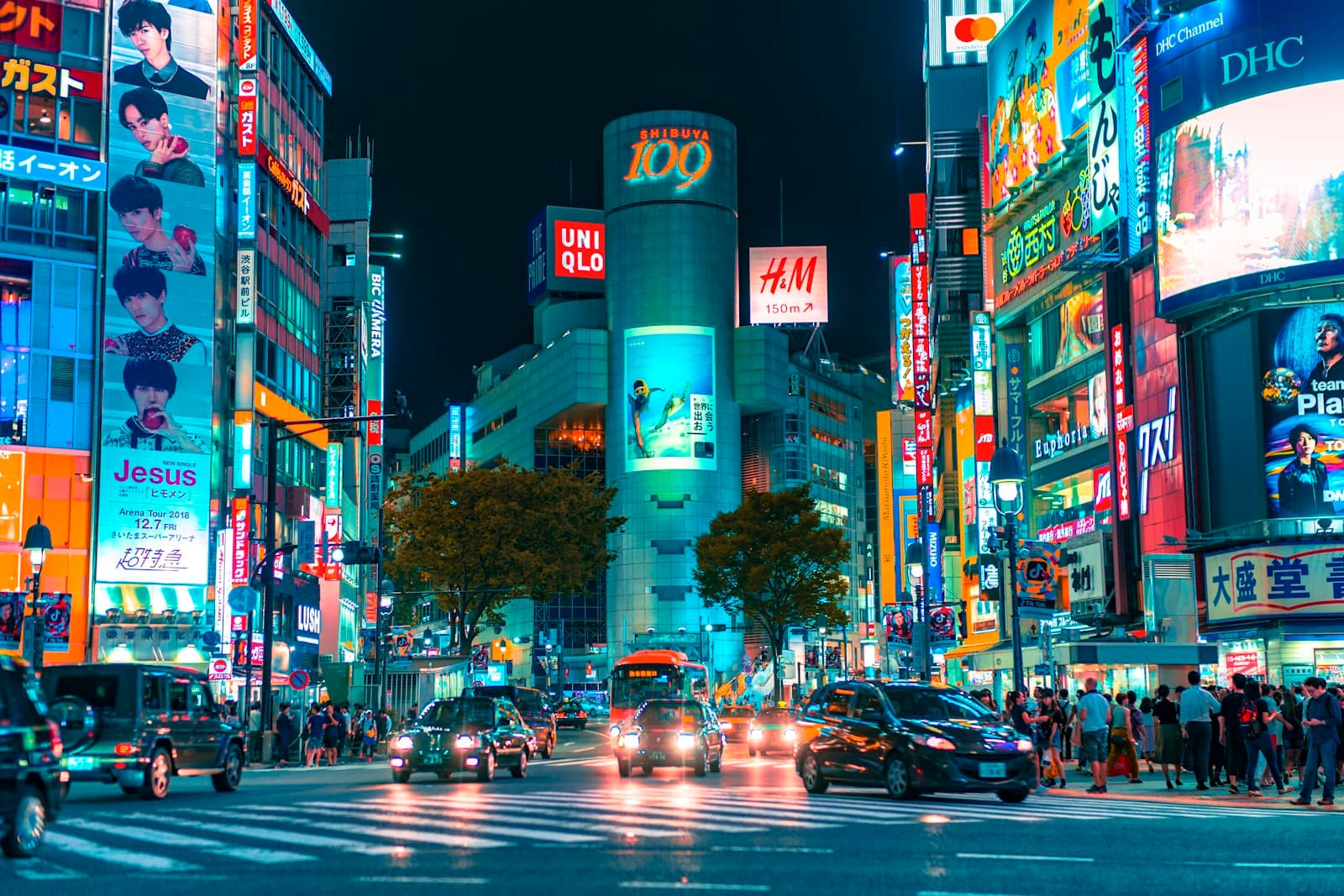
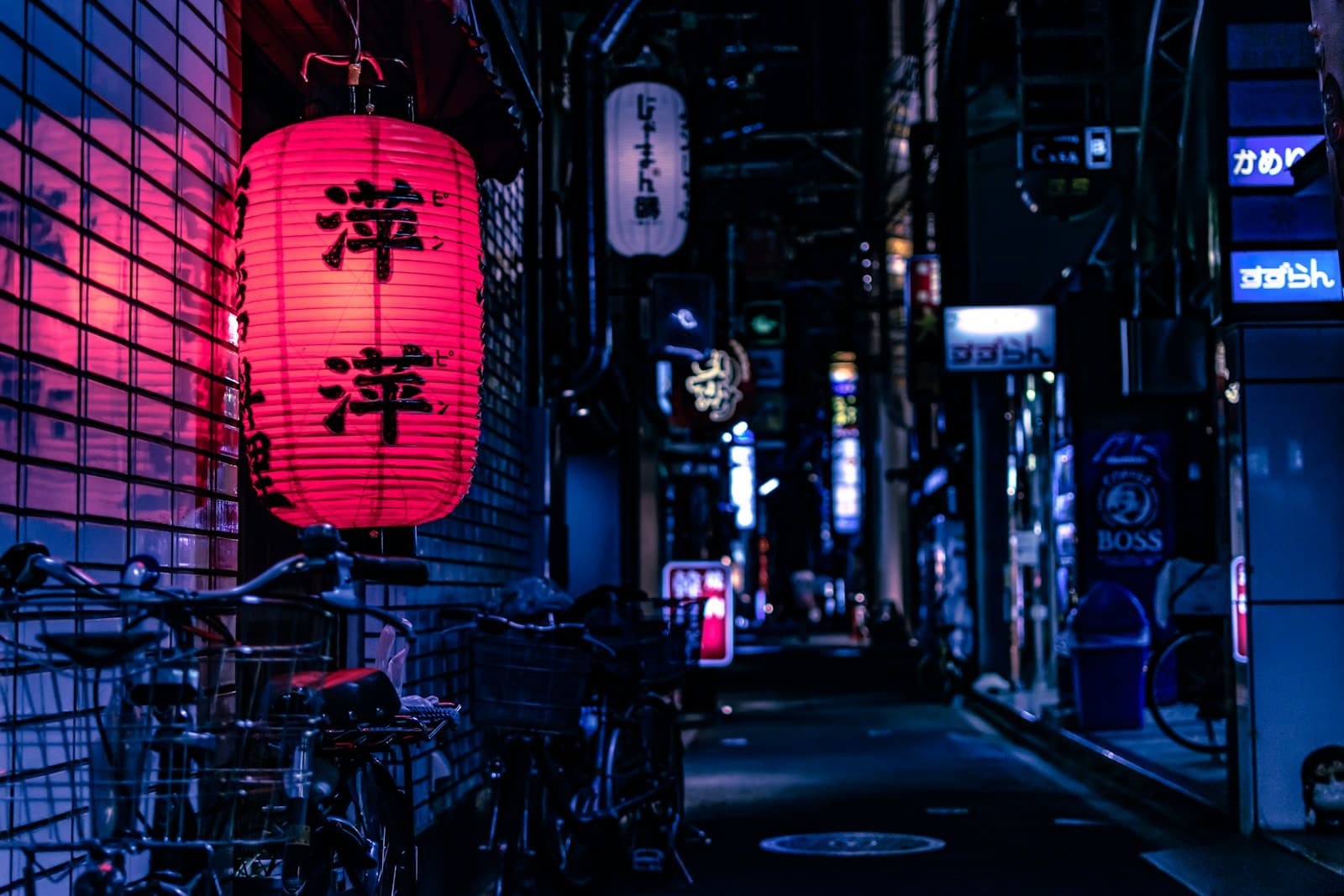
Shibuya's scramble crossing is the postcard, but the real Tokyo is in the side streets: Nonbei Yokocho (drinking alley), Golden Gai in Shinjuku, Omoide Yokocho yakitori stalls.
Heavy and necessary. The museum is rigorous, not graphic — allow two hours minimum. Combine with the ferry to Itsukushima's floating torii in the afternoon.
Often called 'Little Kyoto' but quieter and cheaper. Kenroku-en is one of Japan's three great gardens; nearby Higashi Chaya is a preserved geisha district that still works.
The closest serious onsen experience to Tokyo (90 min). Stay one night in a ryokan, do the cable-car loop, hope for Fuji views from Lake Ashi.
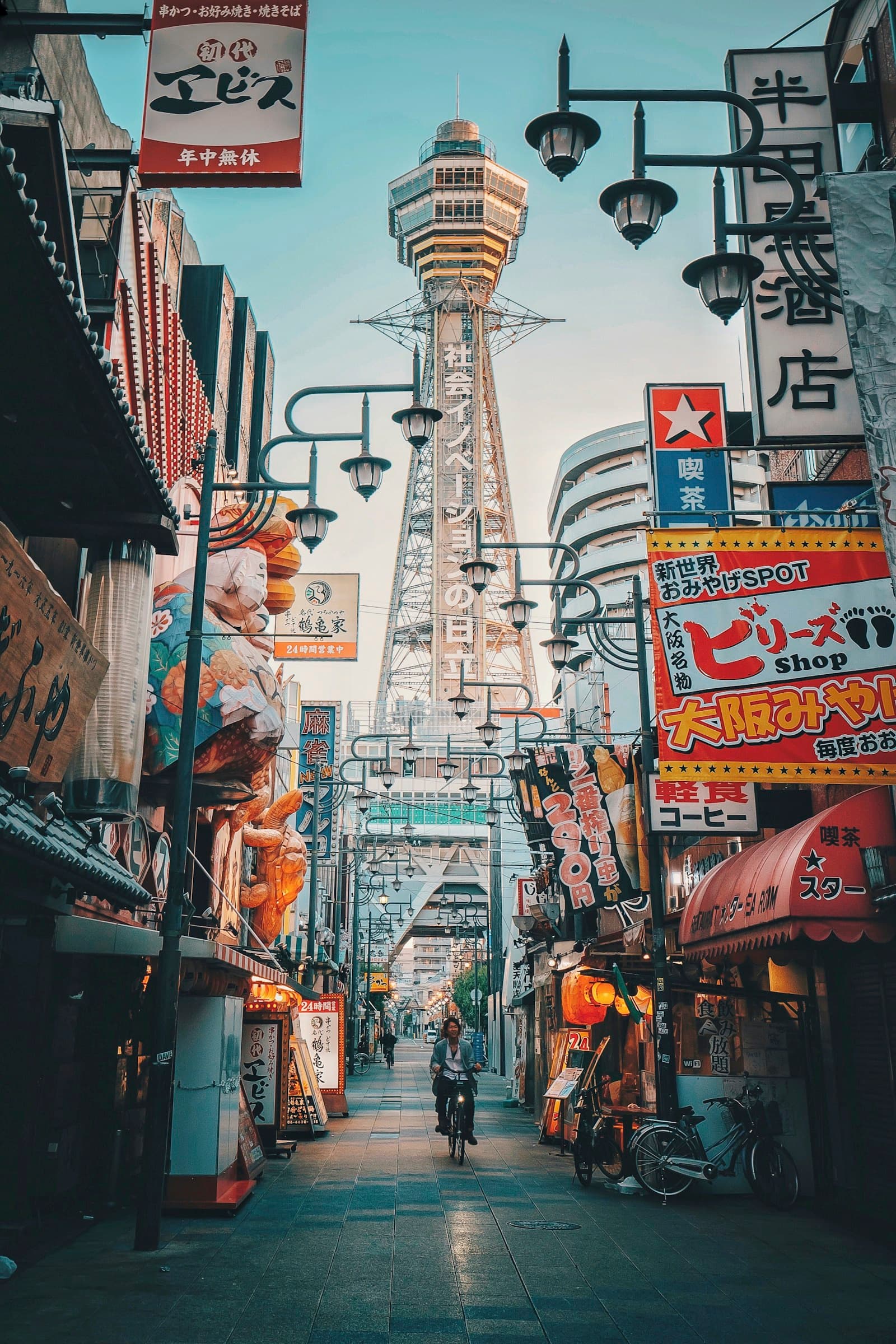
Loud, edible, neon. Takoyaki, kushikatsu, okonomiyaki, the Glico runner sign. Osaka eats louder and faster than Kyoto — go hungry, in trainers.
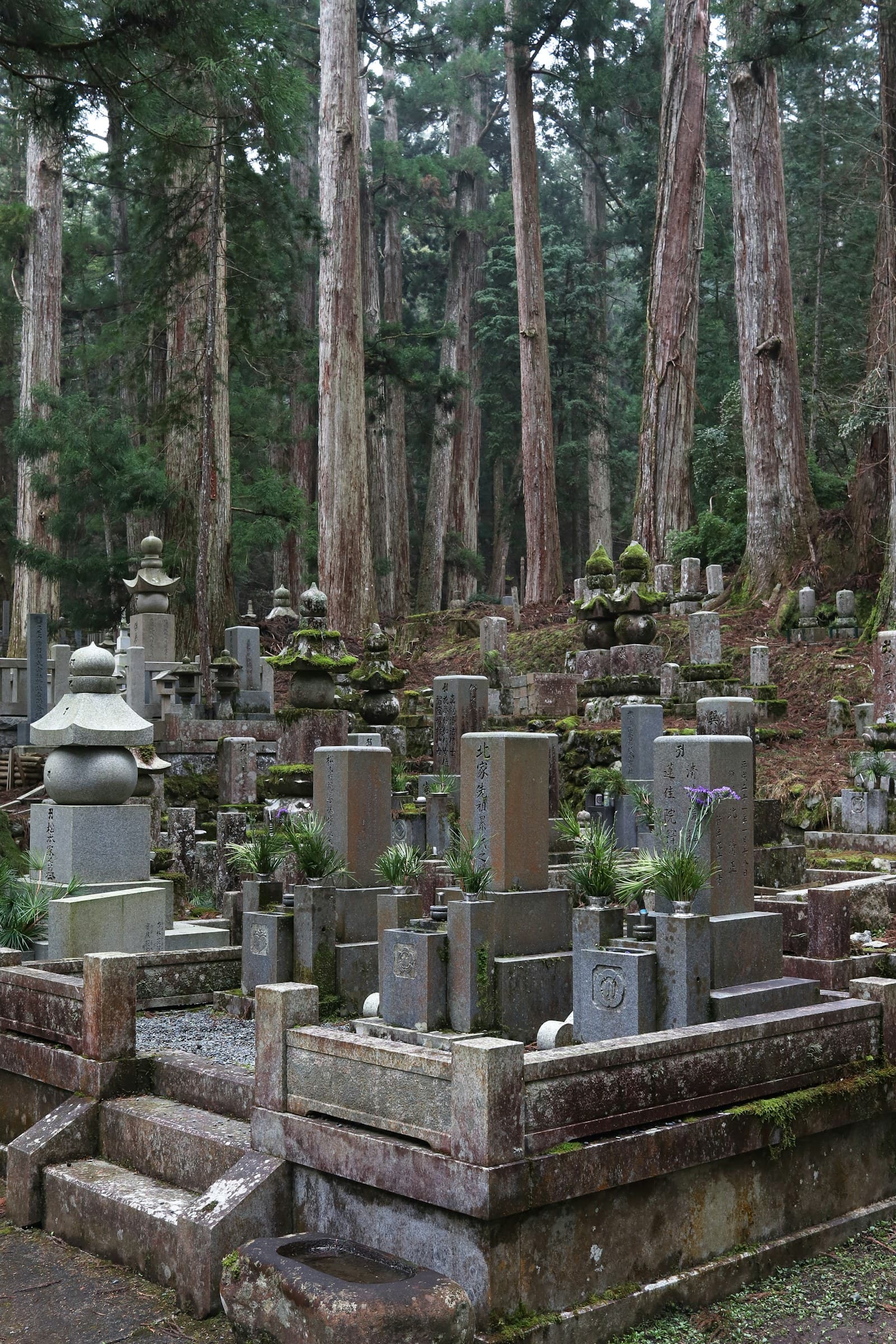
A working monastic town at 800m. Sleep in a temple (shukubo), eat shojin-ryori (Buddhist vegan), walk the Okunoin cemetery at night. Two hours from Osaka, completely different planet.
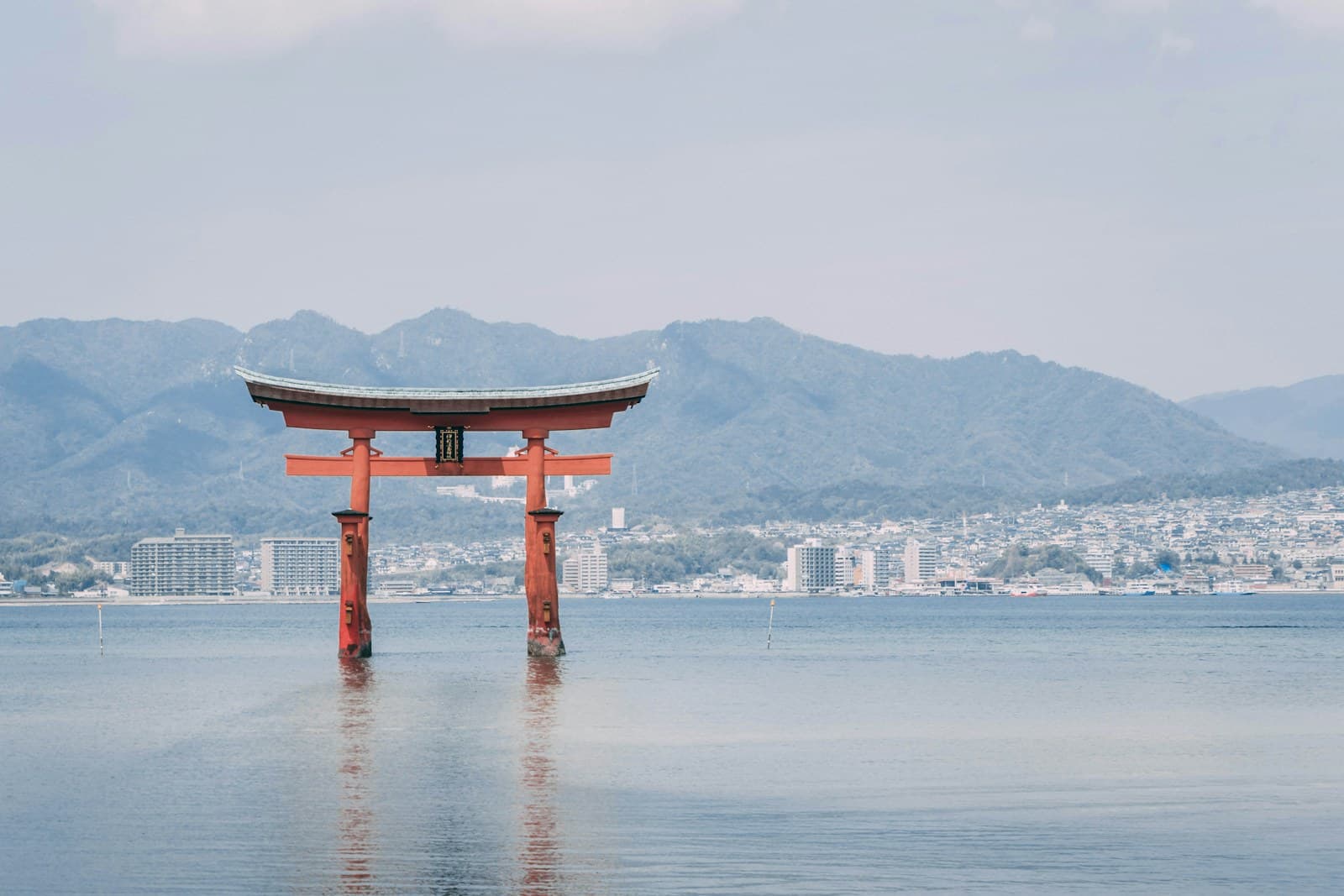
The torii standing in the sea at high tide is the postcard, but stay overnight: when the day-trippers leave, the island returns to wild deer, glowing lanterns, and silence.
Food, drinks, and experiences this country does better than anywhere else.
FoodEvery region has its own broth: Tokyo shoyu (soy), Sapporo miso, Hakata tonkotsu (pork bone), Hakodate shio (salt). Order at the vending machine, slurp loudly — it's not rude, it's expected.
 Food
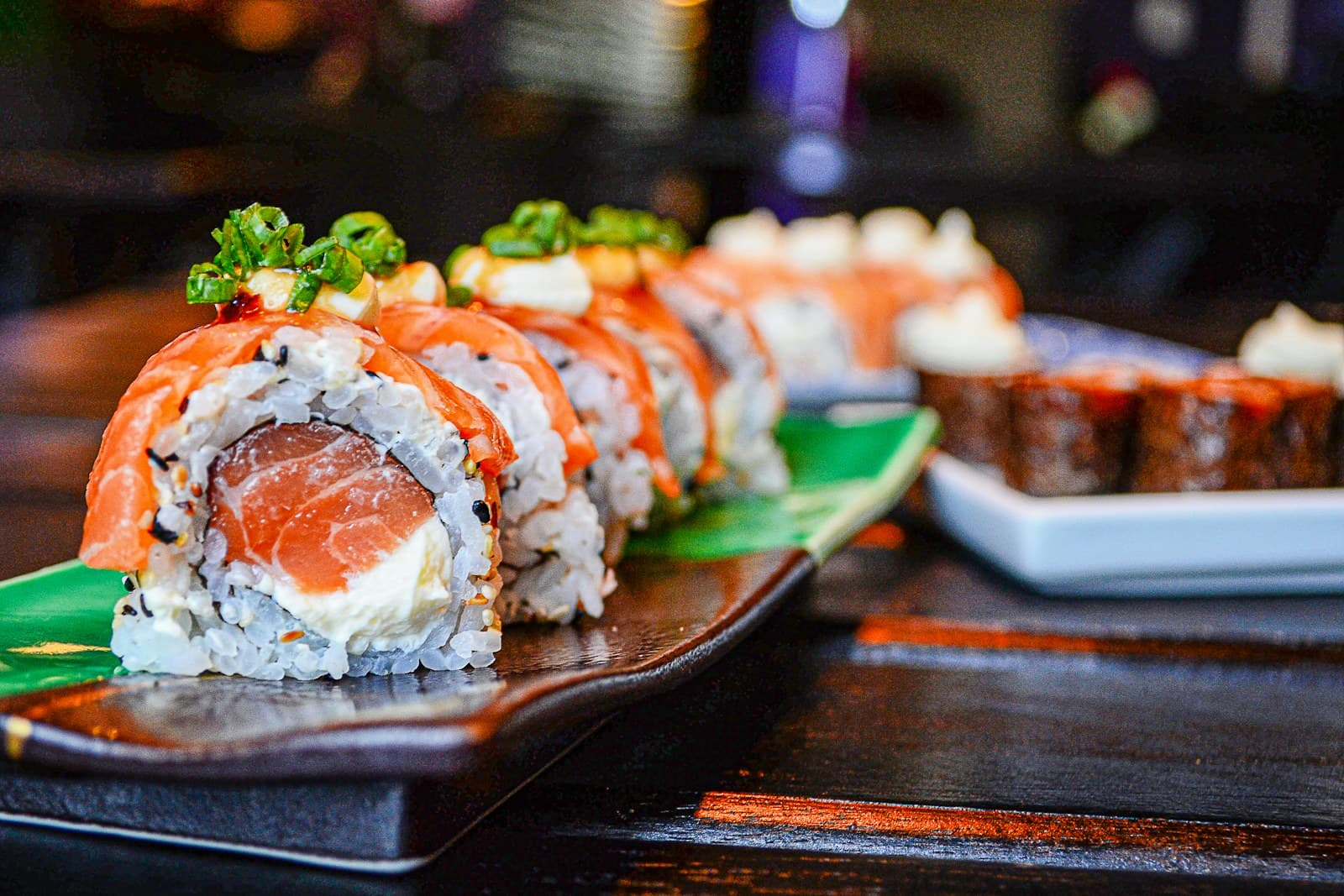
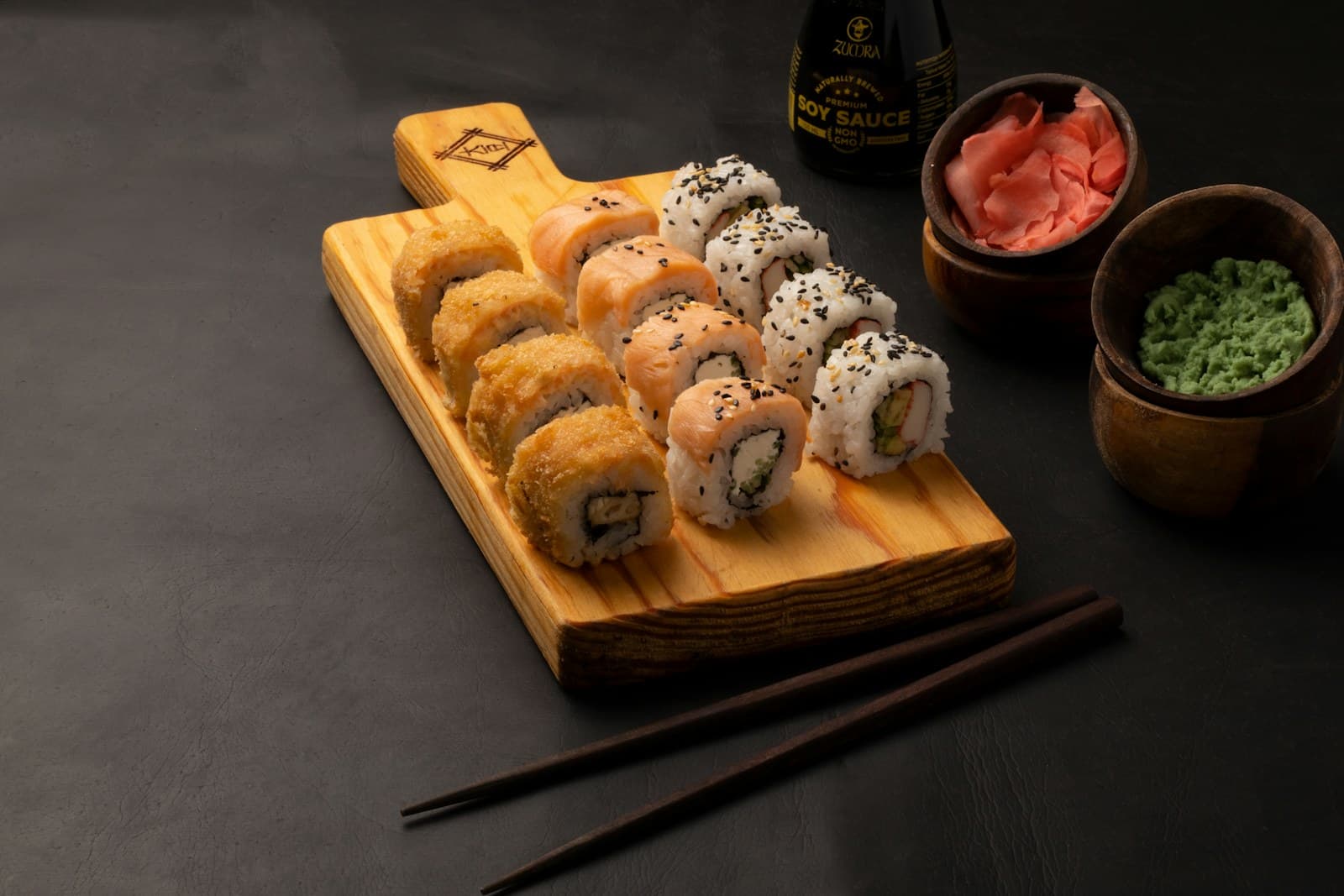
FoodSkip kaiten (conveyor belt) at least once: a 15-seat omakase counter from 6,000 yen will reset your idea of what fish can be. Toyosu market in Tokyo, Nishiki market in Kyoto for the casual version.
 Food
FoodTraditional multi-course tasting menu — 8 to 14 small dishes following strict seasonal rules. Kyoto is the home of it. Expect 12,000–25,000 yen for a serious one; cheaper kappo versions exist.
 Experience
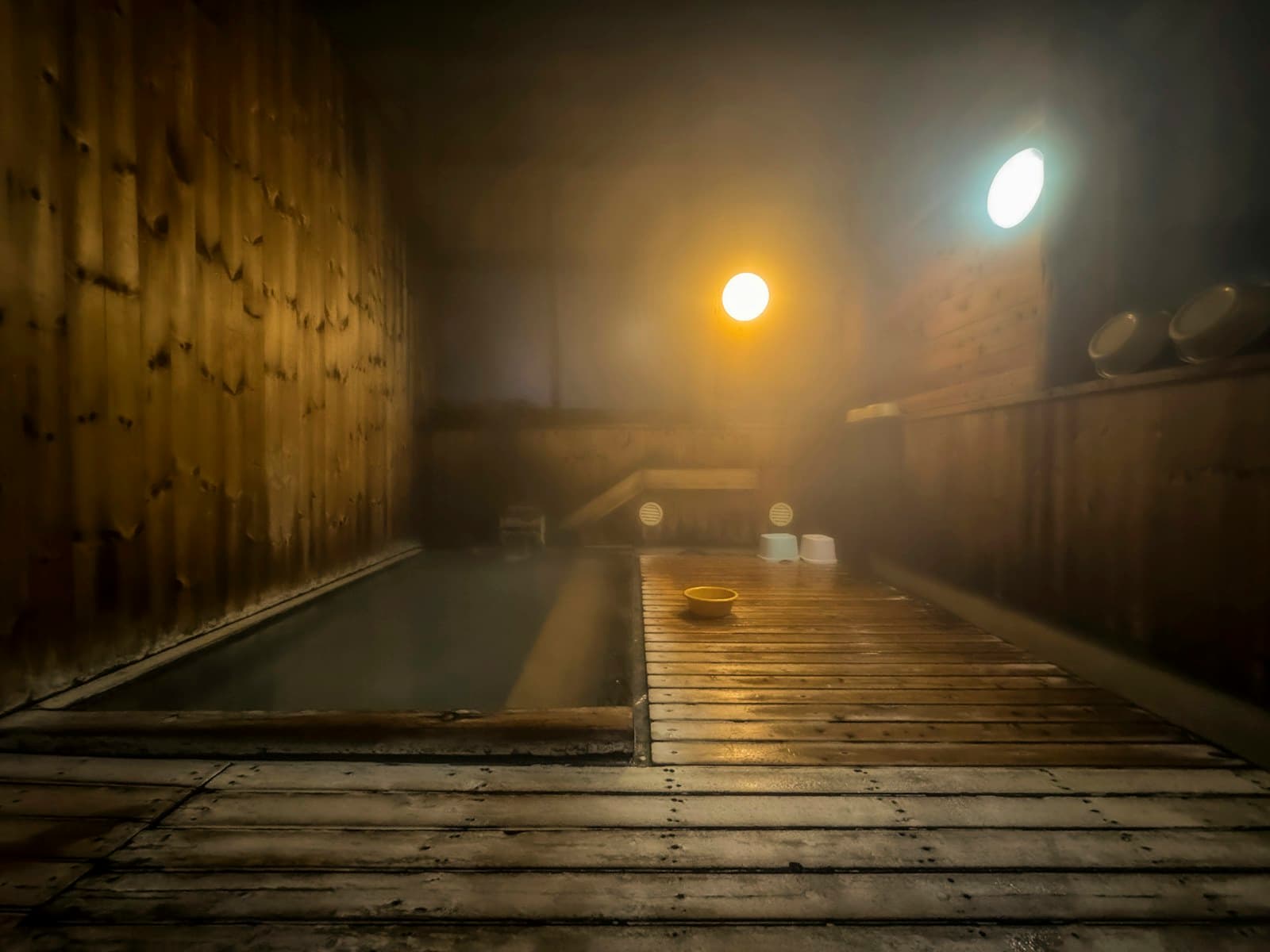
Volcanic hot-spring baths. The rules are non-negotiable: scrub fully clean at the seated showers first, bathe naked, no towel in the water, tattoos may bar you (cover-ups help). Hakone, Beppu, Kusatsu, Kinosaki are the classic onsen towns.
 Drink
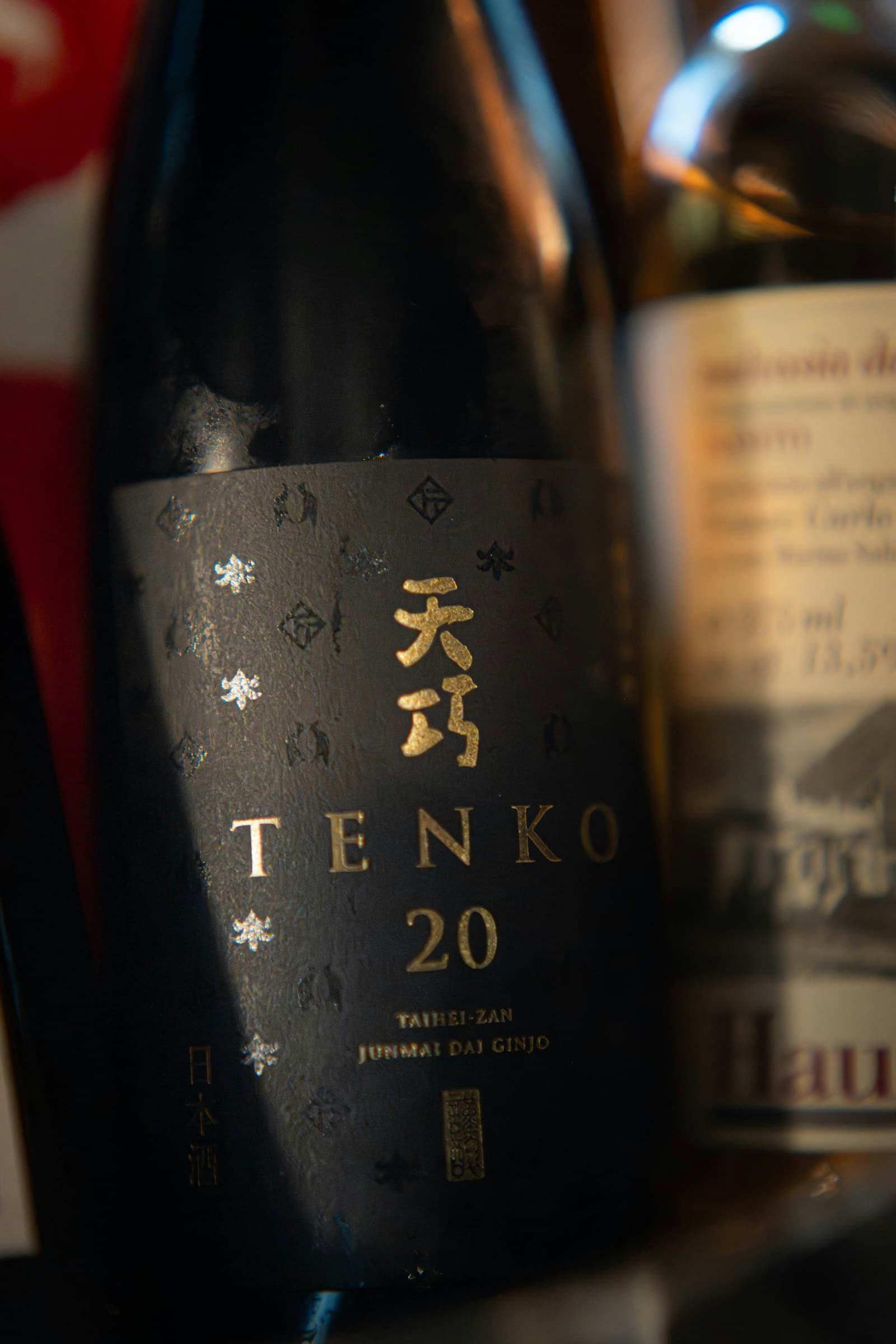
DrinkSake regions: Niigata (clean), Hyogo (bold), Hiroshima (sweet). Japanese whisky from Yamazaki, Hakushu, Yoichi is now worth more at auction than scotch — for cheaper bottles try Nikka From the Barrel.
 Experience
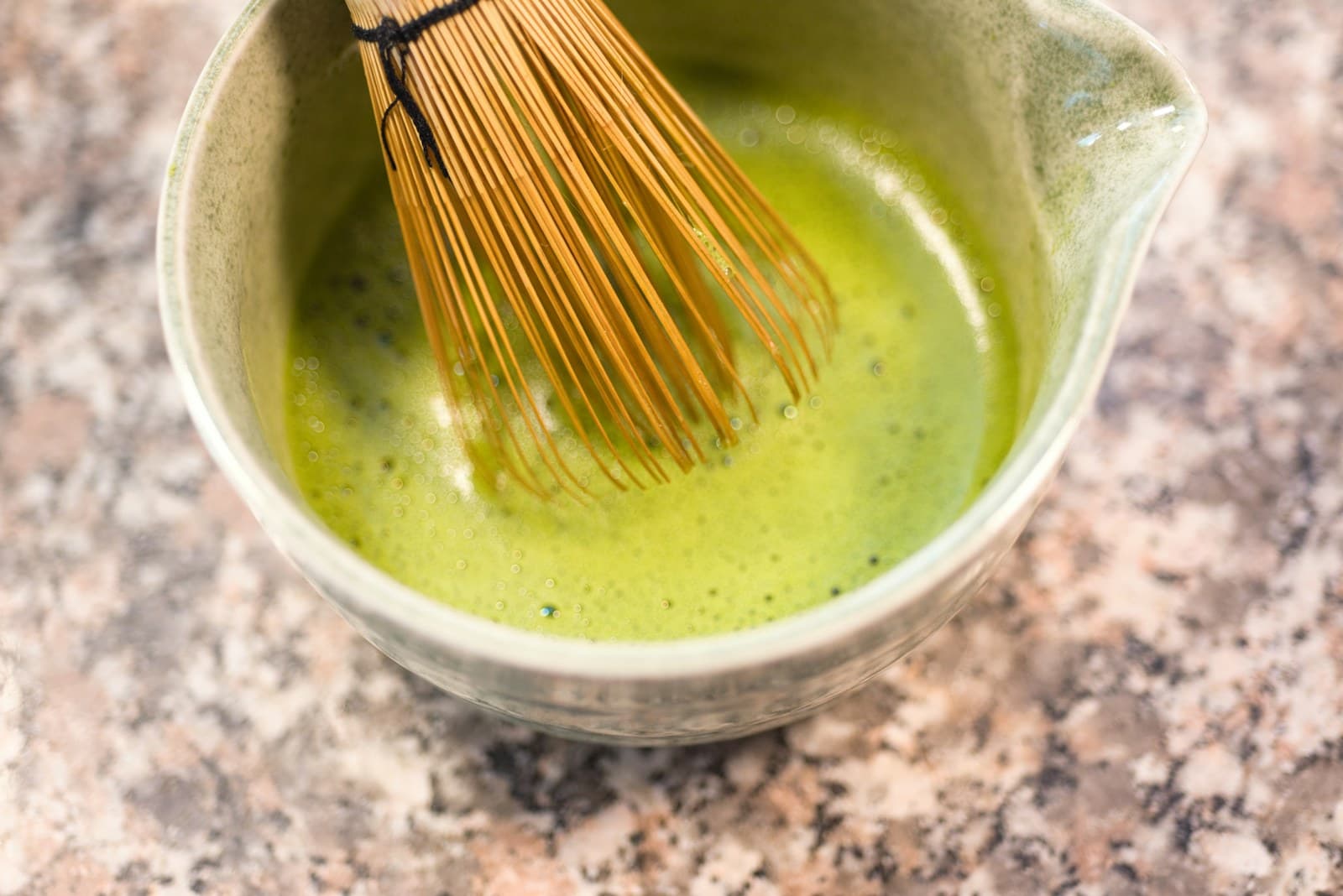
Chanoyu is choreographed slowness. Uji (south of Kyoto) is matcha's epicentre; Kyoto teahouses offer 45-minute beginner sessions for around 3,000 yen — book ahead.
 Art
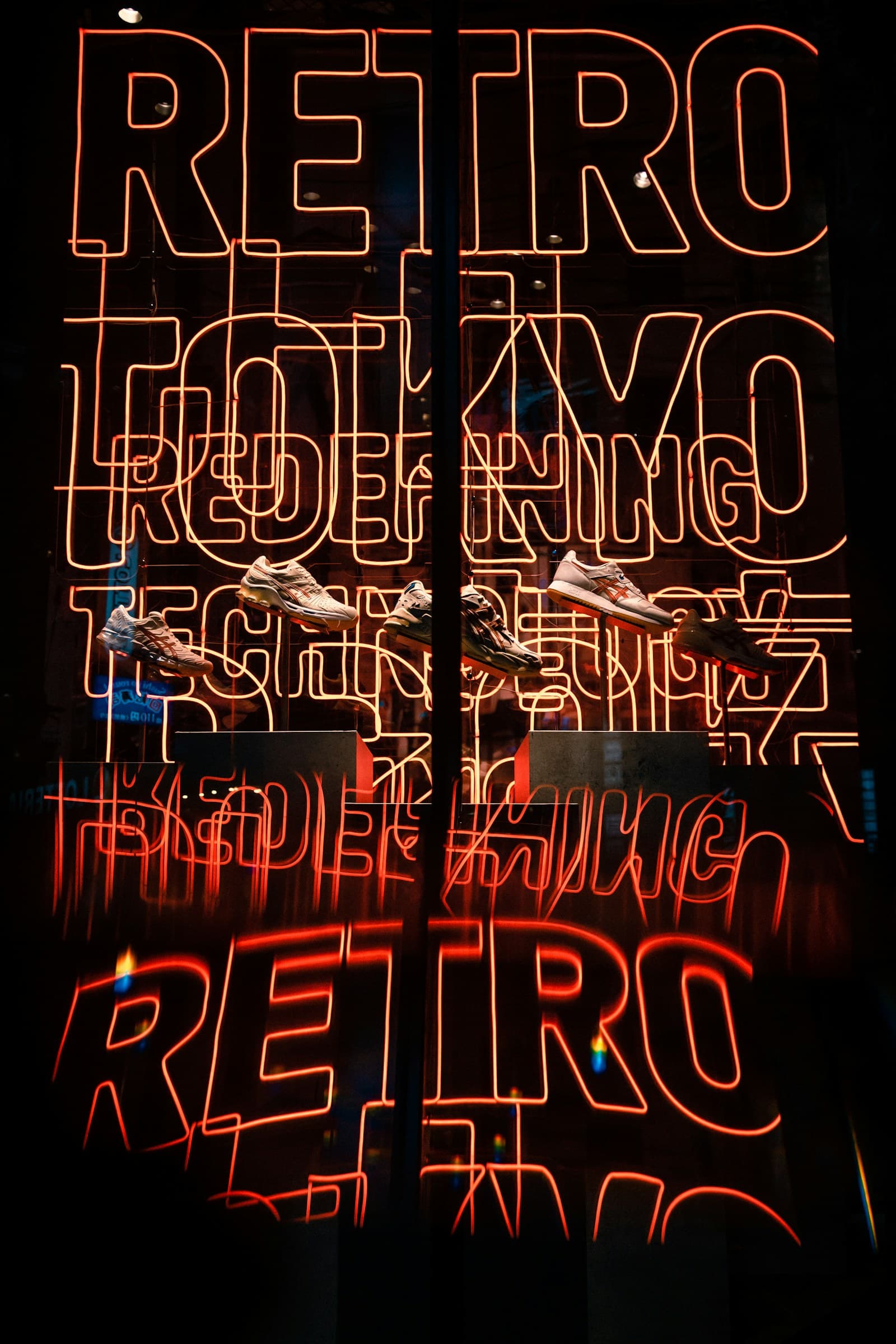
ArtAkihabara (Tokyo) for electronics and otaku culture; Nakano Broadway for vintage manga; Kyoto International Manga Museum if you want the academic angle. Ghibli Museum (Mitaka) tickets release on the 10th of each month — set an alarm.
To frame your trip by what you have time for and what you're after.
Tokyo, Yokohama, Hakone, Nikko, Kamakura
The flat eastern plain around Tokyo. Most international flights land at Haneda or Narita; almost every trip starts and ends here. Day trips to Hakone (onsen), Nikko (shrines + waterfalls), Kamakura (Great Buddha) are easy.
Kyoto, Osaka, Nara, Kobe, Mt Koya, Himeji
Cultural heartland. Kyoto for temples and slowness, Osaka for food and humour, Nara for deer and the great Buddha, Himeji for the iconic white castle. The Kansai Thru Pass covers buses + private rail across the region.
Kanazawa, Takayama, Shirakawa-go, Matsumoto, Nagoya
Mountains, traditional villages, the best castles. Shirakawa-go's thatched gassho-zukuri farmhouses look unreal under snow. The Tateyama-Kurobe Alpine Route (mid-Apr–Nov) walks the Yuki-no-Otani snow corridor — a 15-metre-plus wall of plowed snow that lasts into June.
Sapporo, Niseko, Aomori, Sendai, Hakodate
The north. Niseko has the deepest powder in Asia (Dec–Feb). Tohoku is rural Japan — quiet temples, hot springs in the snow, the most underrated foliage in October. Add at least 5 extra days if you go.
Hiroshima, Miyajima, Naoshima, Onomichi, Matsuyama
The Seto Inland Sea. Naoshima and the Setouchi art islands (Tadao Ando, Yayoi Kusama) are a destination on their own. Onomichi-to-Imabari by bike on the Shimanami Kaido — 70km across six bridges — is one of Asia's great rides.
Fukuoka, Beppu, Kagoshima, Yakushima, Okinawa beaches
The south. Active volcanoes (Sakurajima), Japan's most aggressive onsen (Beppu's hells), millennium-old cedar forests (Yakushima — yes, this is the Princess Mononoke forest), and tropical beaches in Okinawa.
Three lengths, depending on time. Fork any of them into WePlanify.
The canonical first trip. Tokyo–Hakone–Kyoto–Nara–Osaka. Bullet train, JR Pass pays off.
Add Hiroshima, Miyajima, and an extra day each in Tokyo and Kyoto. The sweet-spot itinerary if you have the time.
Adds the Japan Alps (Kanazawa, Takayama, Shirakawa-go) and Mt Koya. Pace is faster but you see four faces of the country.
Per person, excluding flights. Three comfort tiers.
Hostel dorm or capsule (€25), konbini + ramen meals (€20), local trains and walking (€10), one paid attraction (€15). Doable, fun, you eat well.
3-star business hotel or guesthouse (€90), one sit-down dinner + casual lunch (€45), Shinkansen segments (€20 averaged), entries (€10). The sweet spot.
Ryokan or 4-star (€180), one omakase or kaiseki dinner (€100), reserved Shinkansen (€25), private experience or guide (€20). Honeymoon, milestone trip, or treat-yourself tier.
Per person, excluding international flights. The 7-day JR Pass is now ¥50,000 (~€290–320) since the late-2023 price hike — only worth it if you do Tokyo–Kyoto–Hiroshima round-trip; otherwise pay-as-you-go is cheaper. Cash still rules in small towns; carry ¥20,000 in notes.
Small moves that matter — and the ones that make everyone uncomfortable.
Carry cash. Konbini ATMs (7-Eleven, Lawson) take foreign cards 24/7. Many small restaurants, temples, and rural buses are still cash-only.
Get a Suica or Pasmo IC card on arrival (or on your phone via Apple Wallet). Works on every train, bus and konbini in major cities.
Reserve big-ticket restaurants 1–3 months ahead (TableCheck, Pocket Concierge). Walk-ins exist but the best places are full.
Don't tip. Anywhere. It's confusing or mildly insulting. Service is included and pride-of-craft does the rest.
Don't eat or talk loudly on trains. Phone calls are a hard no. Eating is fine on Shinkansen, not on local commuter lines.
Take off shoes wherever you see a step-up and slippers — temples, ryokans, some restaurants, fitting rooms. Wear easy-off shoes for the trip.
Don't stand on the wrong side of the escalator. Left in Tokyo and most of east Japan, right in Osaka/Kansai. Watch the locals for two seconds before stepping on.
Tattoos: many onsen and pools refuse them. Cover-up patches work for small ones; bigger ones, book a private ryokan bath (kashikiri buro) or look for 'tattoo-friendly' onsen lists online.