WePlanify logo
Country guide · Europe

Iceland
travel guide

Real Iceland travel guide for 2026: best season, Ring Road, glaciers, hot springs, honest budgets, cultural do's and don'ts.

EuropeISK130500 /day

Build your itinerary with your group — free, 30 seconds.

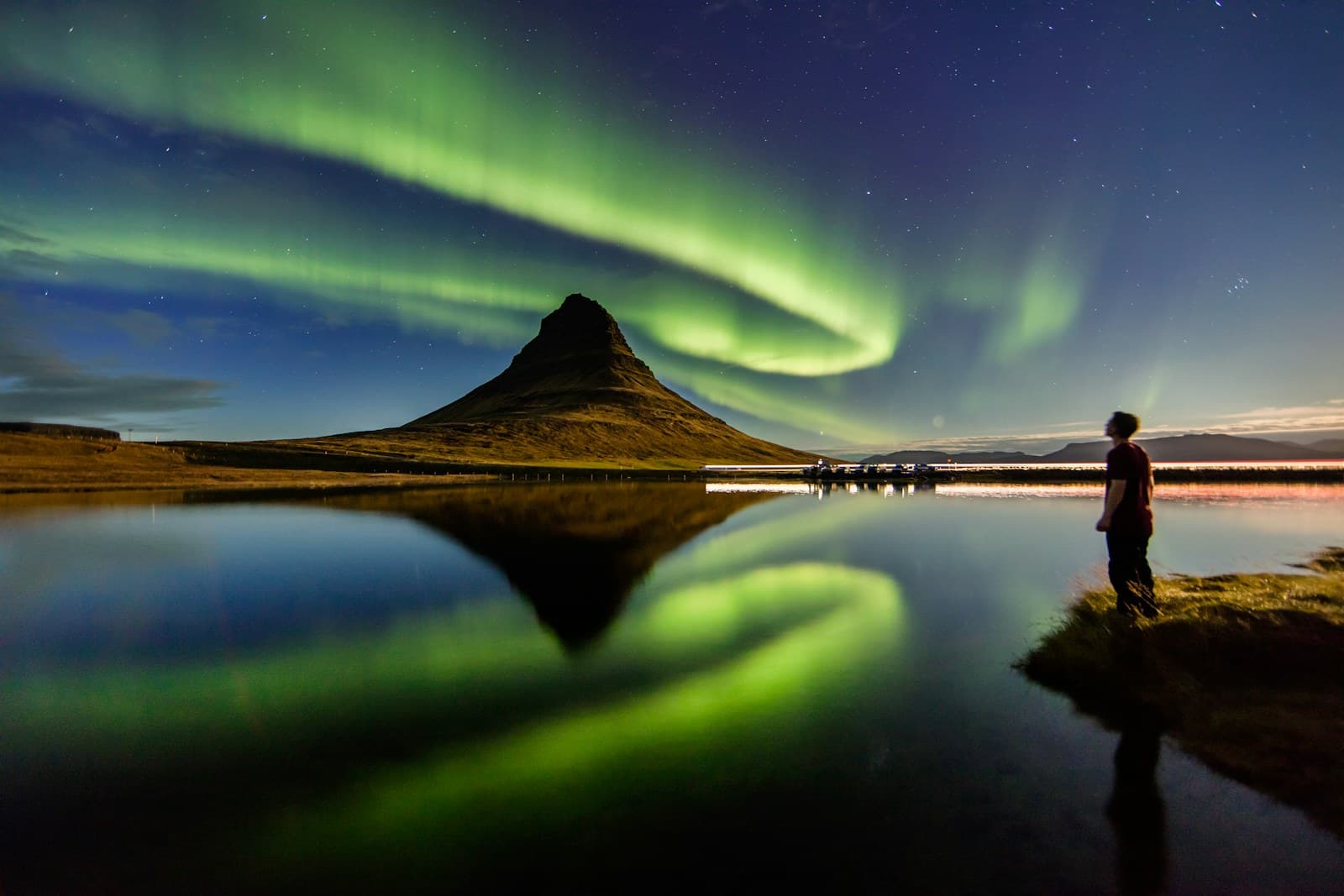
Northern lights over Icelandic mountains

Iceland is a 103,000 km² volcanic rock floating where the Atlantic gets cold. 400,000 people, 1,500 active hot springs, a single ring road (Route 1) that does the whole country in 8 days at a reasonable pace. Waterfalls every 10km. Glaciers calving icebergs into black-sand beaches. The Aurora Borealis September through March. Everything looks photoshopped.

First trip: South Coast (Reykjavik → Vík → Jökulsárlón → Höfn, 4–5 days) covers 80% of the icons. Bigger trip: full Ring Road counter-clockwise (8–10 days). Adventurous trip: Westfjords + Highlands (only July–August accessible).

Two things to know. Iceland is expensive — a casual restaurant dinner runs €40–60, a beer €10–14, the Blue Lagoon €70+. Plan accordingly or self-cater from Bonus (the cheap supermarket). And the weather changes every 20 minutes year-round — layer, waterproof everything, and never trust a forecast for more than 3 hours.

Quick facts

CapitalReykjavík
LanguageIcelandic · English universally spoken
CurrencyISK kr
TimezoneGMT (UTC+0) · no DST
PlugType C / F · 230V
DrivingRight
Visa

Schengen — visa-free up to 90 days for EU, UK, US, Canada, Australia passports.

When to go

Three windows to know: best, shoulder, and the one to avoid.

Best window

June – August (summer) · February – March (aurora)

Summer: 24-hour daylight, all roads open (including Highlands and Westfjords), 10–15°C. Late-winter: long nights for aurora, snow on the South Coast, manageable cold (-5 to 5°C). Different trips for different purposes.

Shoulder

May · September – October

May: spring snow melt, fewer tourists, waterfalls thundering, but Highland roads still closed. September–October: aurora starts again, autumn light, foliage. Best value windows.

Avoid

November – January (limited daylight)

Only 4–5 hours of daylight, roads can close from storms, the Ring Road becomes risky. Aurora is good but you're limited to the South Coast for safety. Christmas-New Year is also crowded with northern-lights tourists.

Must-see places

Spots that justify the trip on their own. Tap to open in Maps.

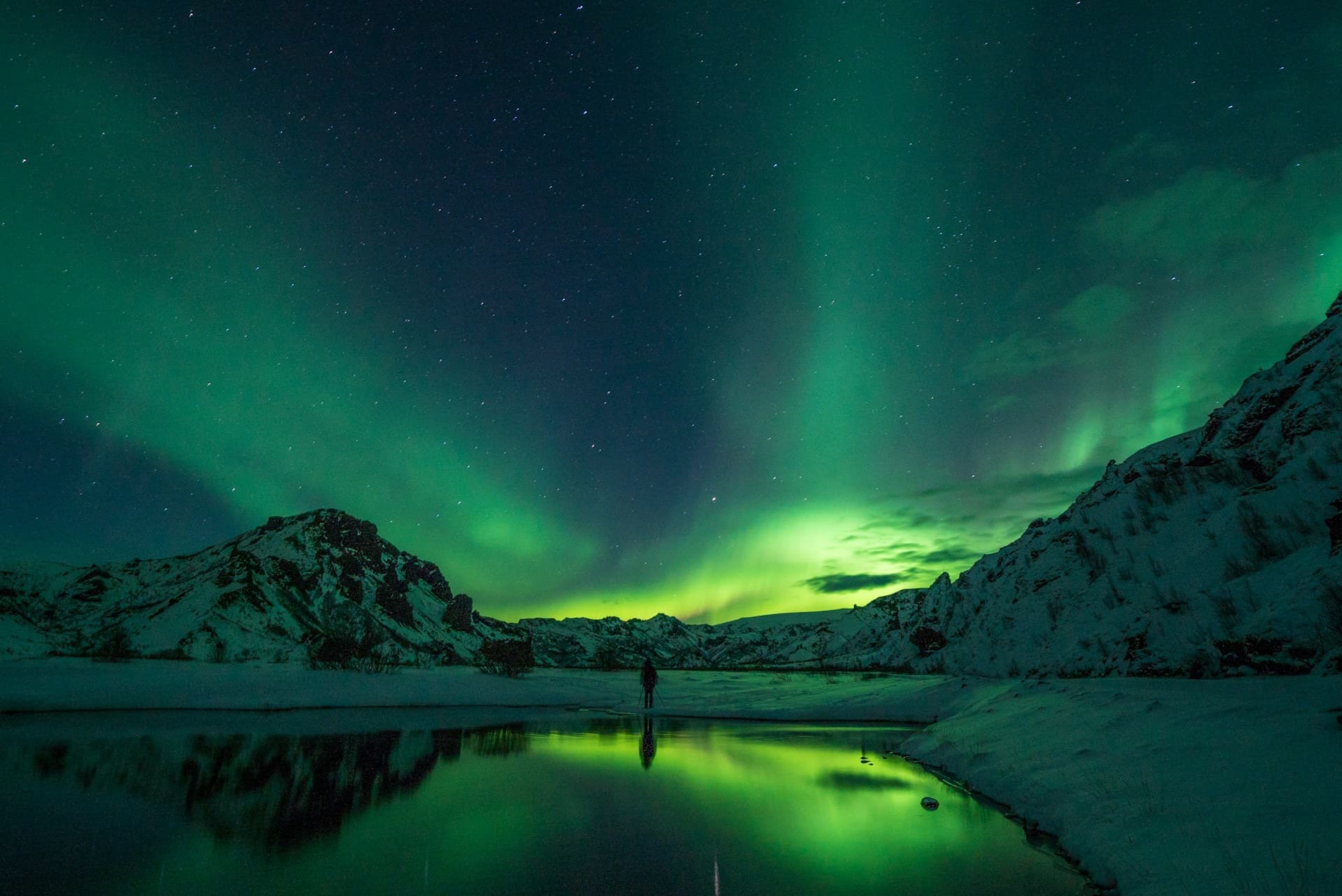
Green aurora borealis over Icelandic landscape
Whole country, Sept–March

Northern Lights (Aurora Borealis)

Solar particles colliding with atmosphere = the most photographed phenomenon on earth. Best chances: September–March, dark sky away from cities, KP index 3+. Check aurora.is forecast. Stay in a glass-roof bungalow at Hotel Ranga or just chase them by car from Vík.

Milky-blue Blue Lagoon geothermal spa Iceland
Reykjanes peninsula

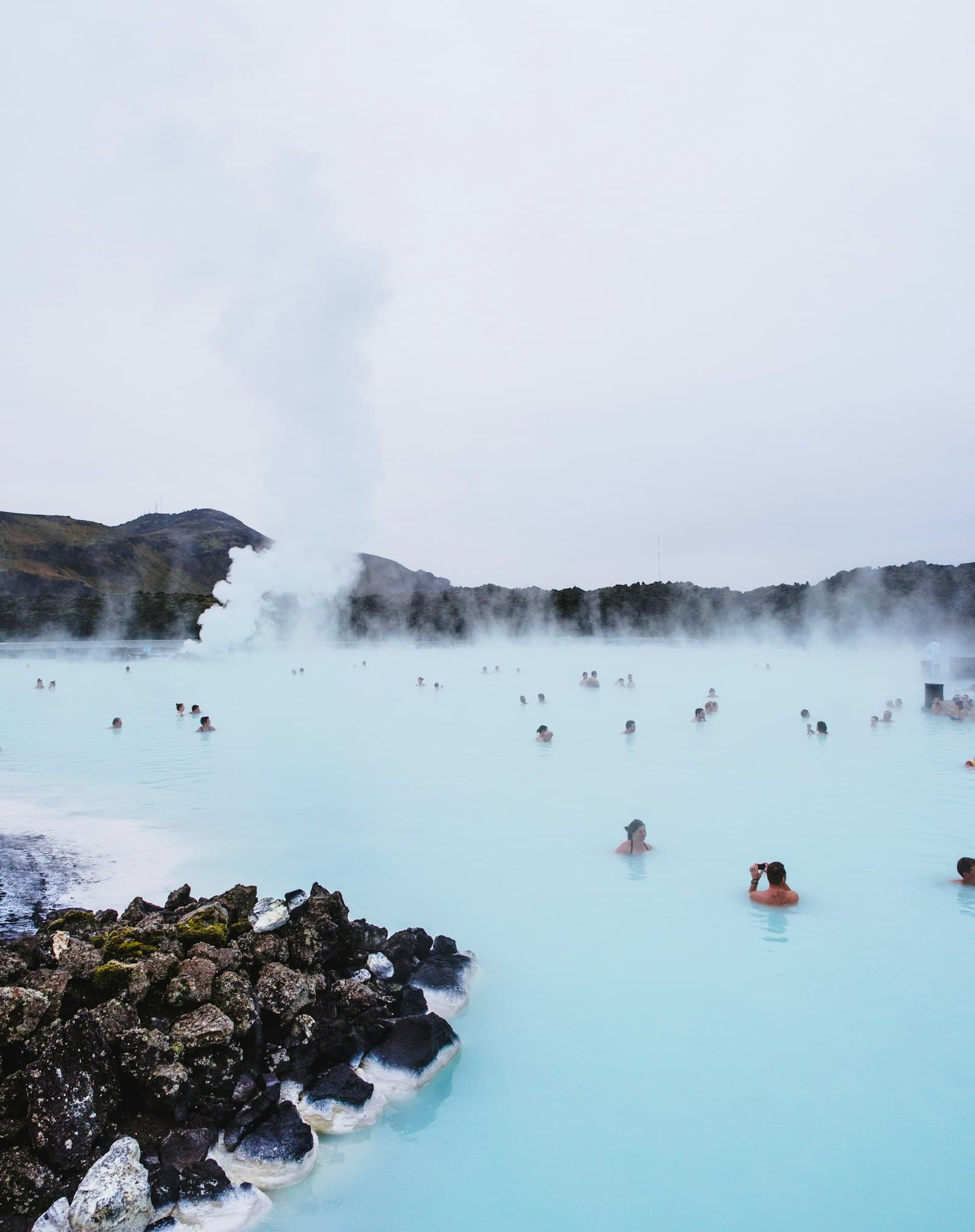
Blue Lagoon

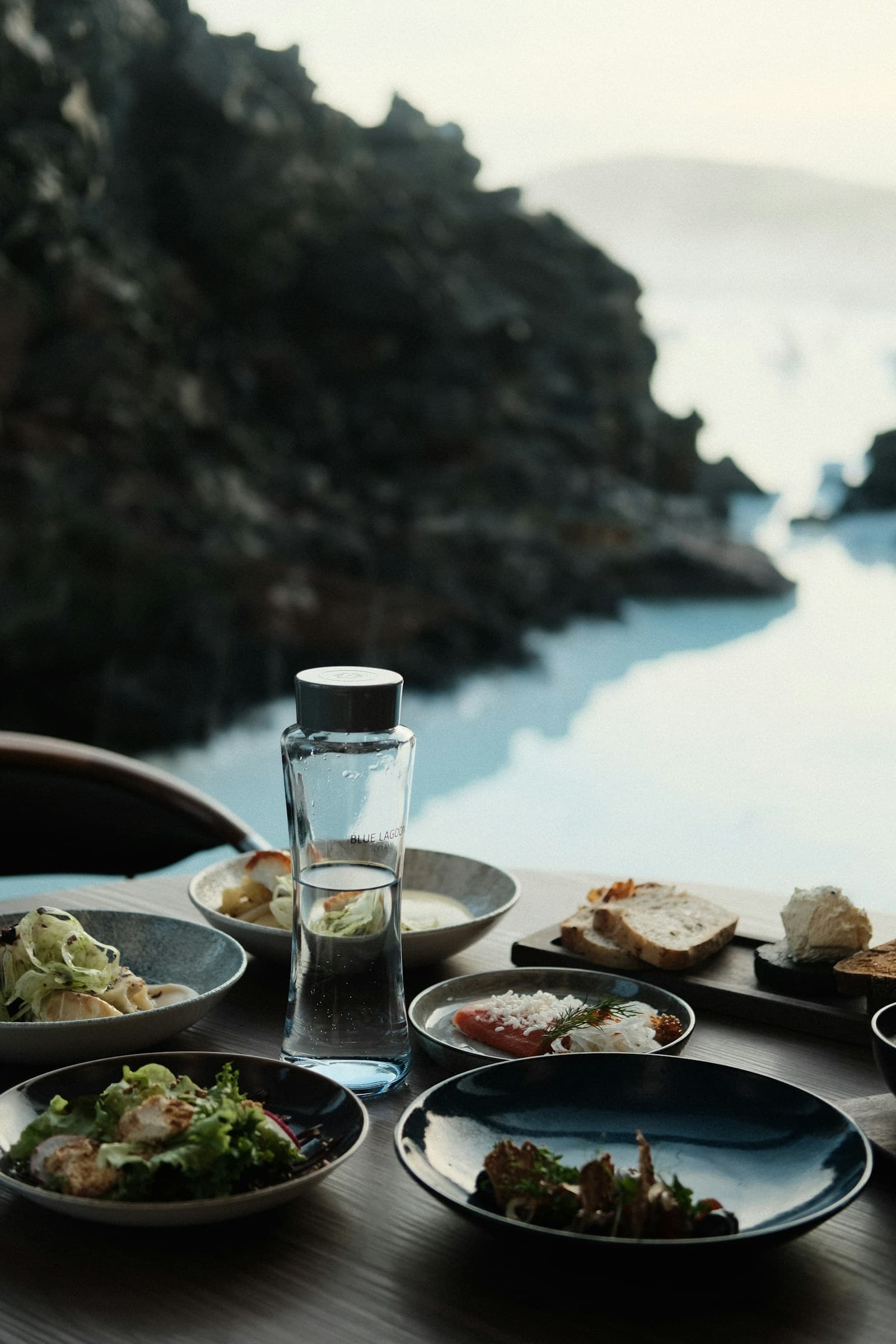
The iconic milky-blue geothermal spa, 15 min from the airport. €70+ entry. Recent volcanic activity nearby (Grindavík) has occasionally closed it — check status before booking. Less-touristy alternative: Sky Lagoon in Reykjavik or Mývatn Nature Baths in the north.

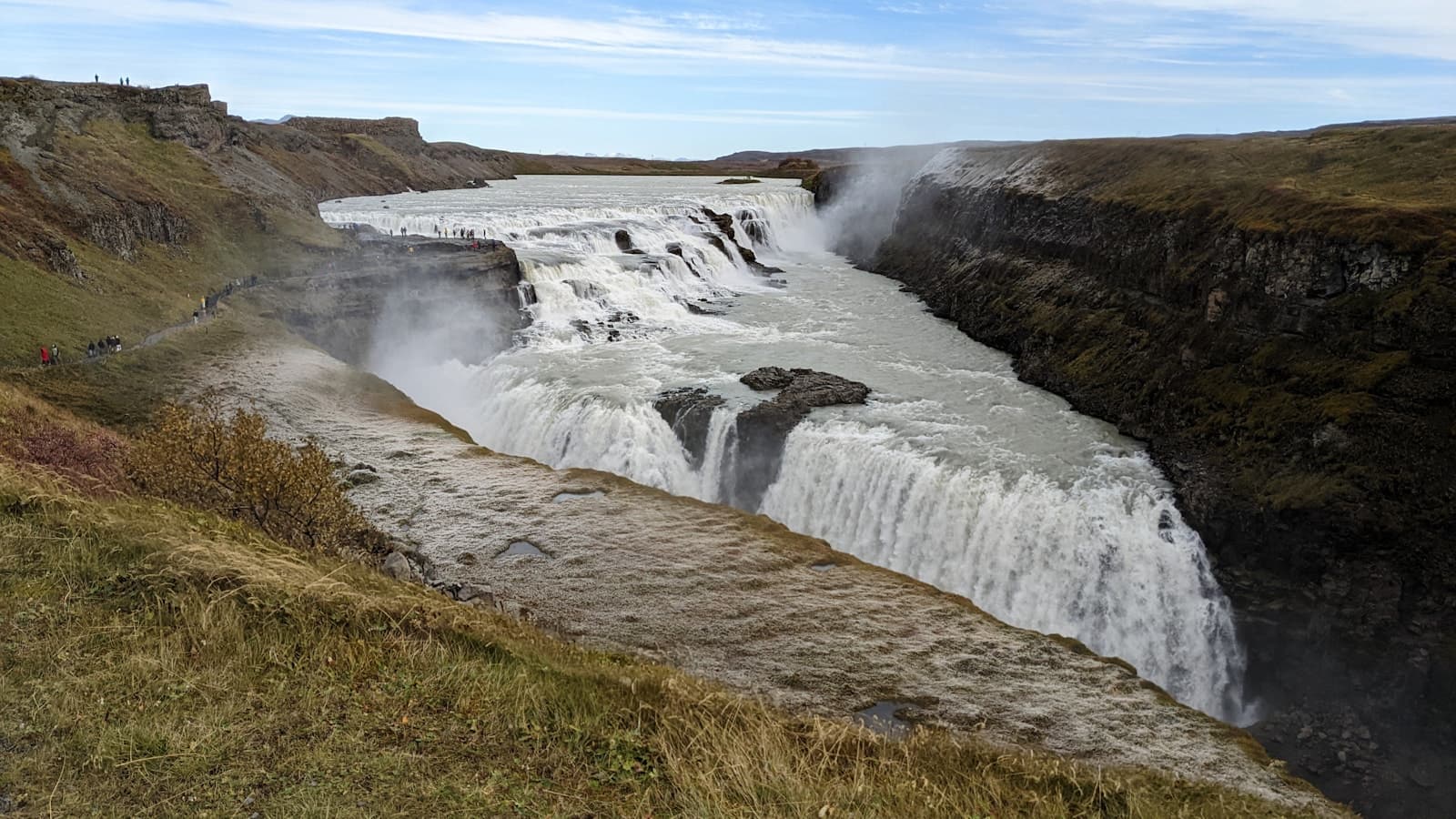
Gullfoss waterfall on the Golden Circle
South Iceland

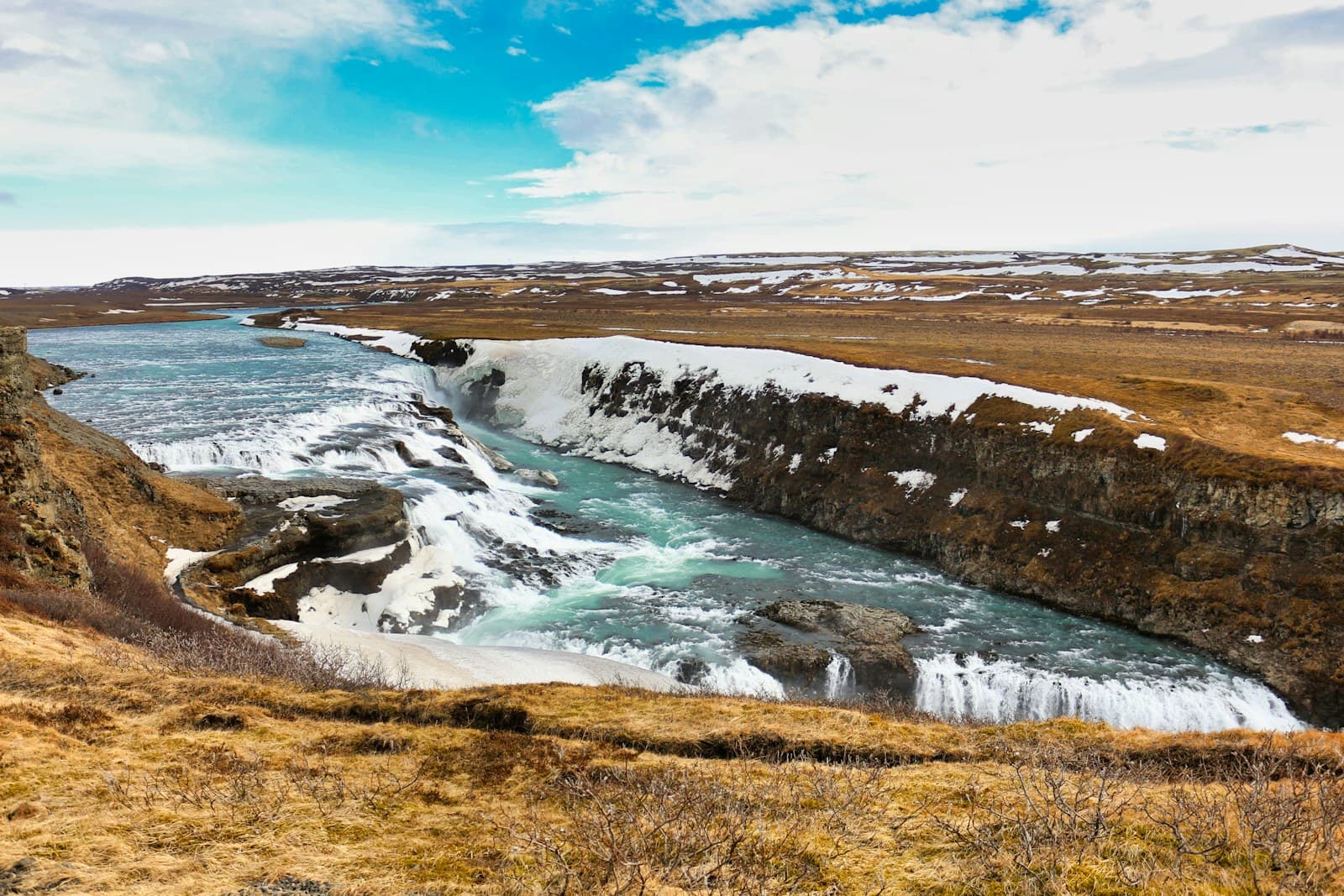
Golden Circle — Gullfoss

The classic day trip from Reykjavik: Þingvellir (tectonic plate rift + viking parliament site), Geysir (the geyser that named all the others), Gullfoss waterfall (32m double cascade). 6 hours self-drive; or join a Reykjavik-based tour for €80.

Icebergs in Jökulsárlón glacier lagoon
Southeast

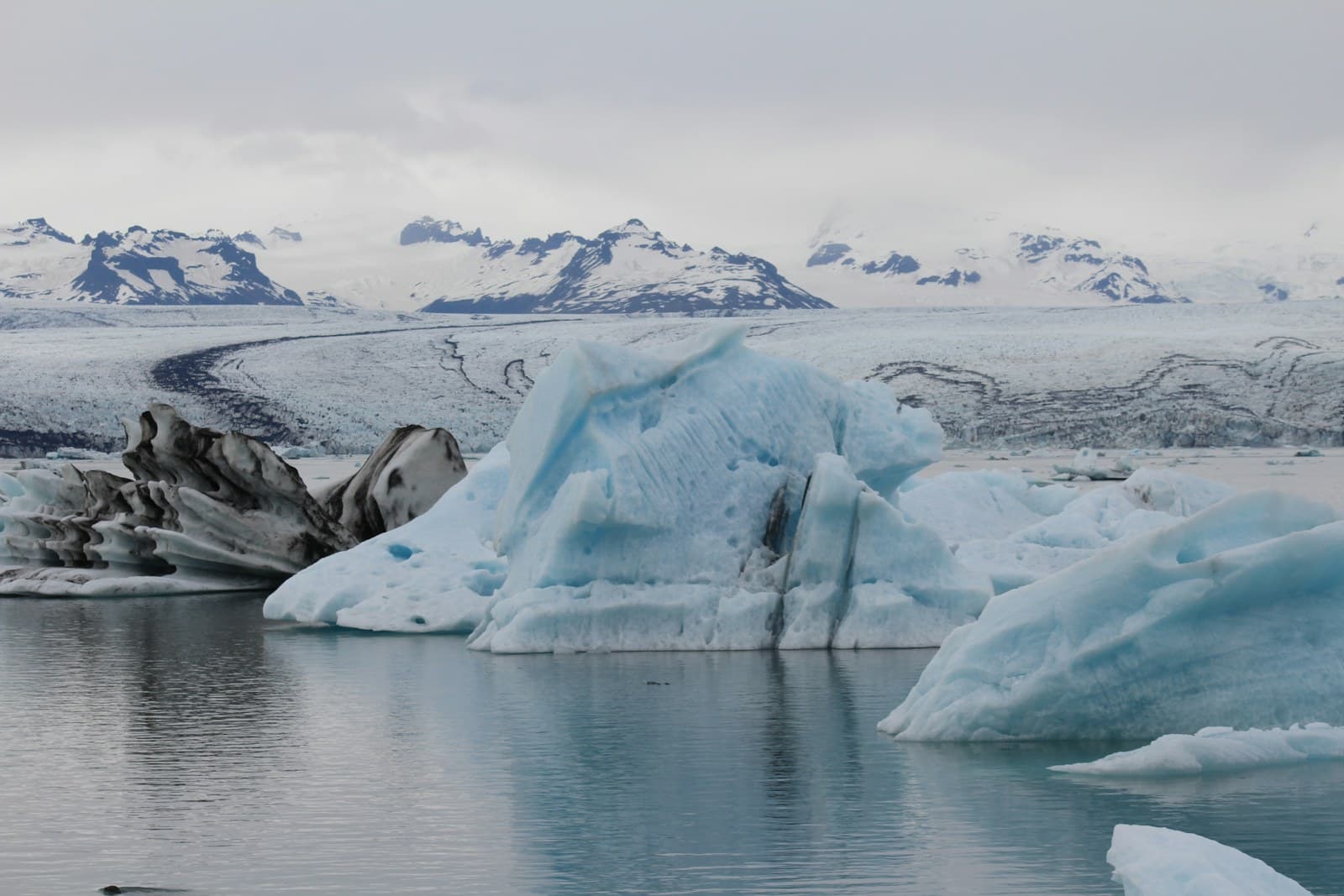
Jökulsárlón glacier lagoon & Diamond Beach

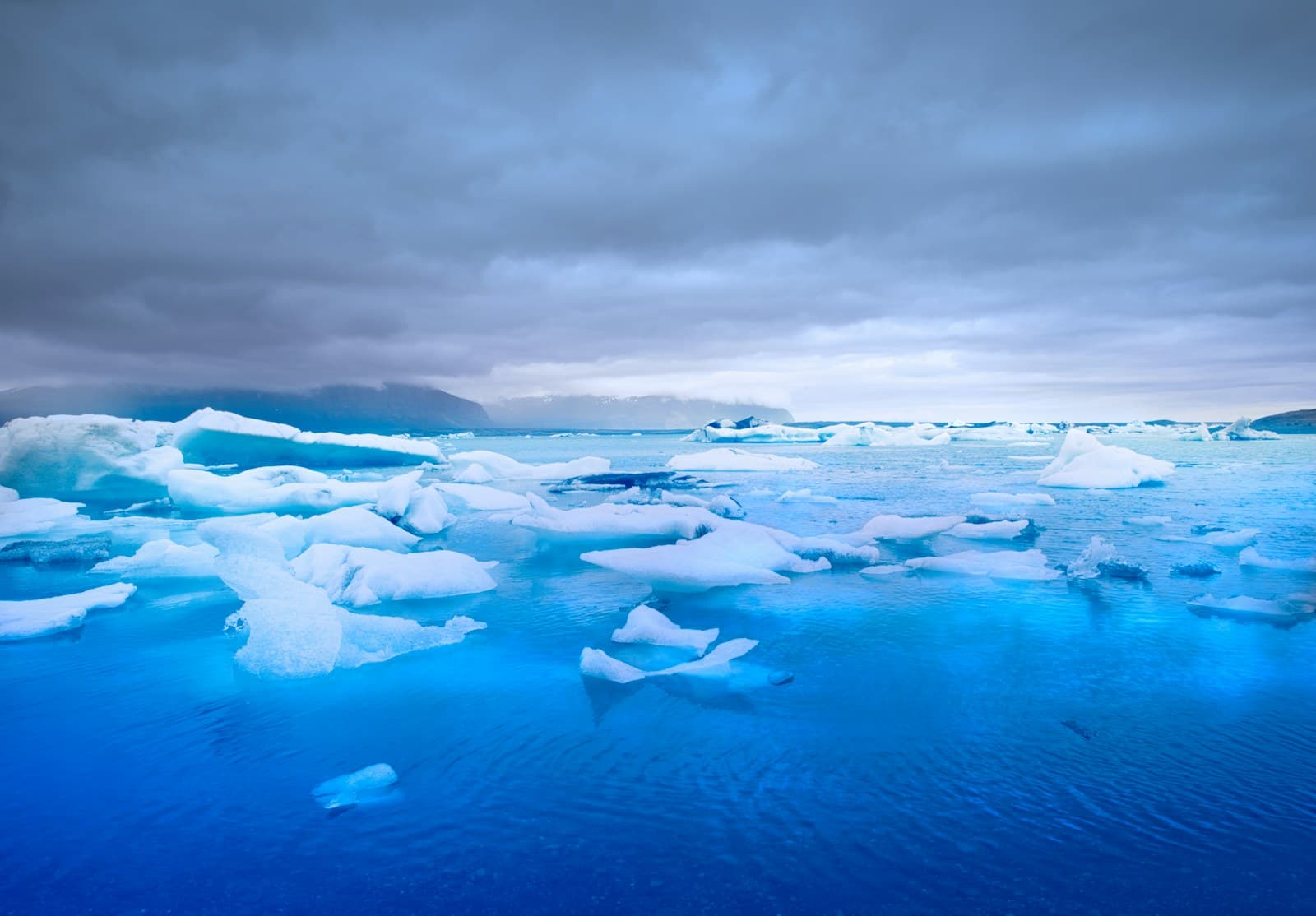
A glacial lagoon filled with icebergs that drift to the sea via a 500m channel — washing up on the black volcanic sand of Diamond Beach as crystal-clear ice. 5-hour drive from Reykjavik. Take an amphibious boat tour for €60 to be among the bergs.

Seljalandsfoss waterfall on the South Coast of Iceland
South Coast

Seljalandsfoss & Skógafoss

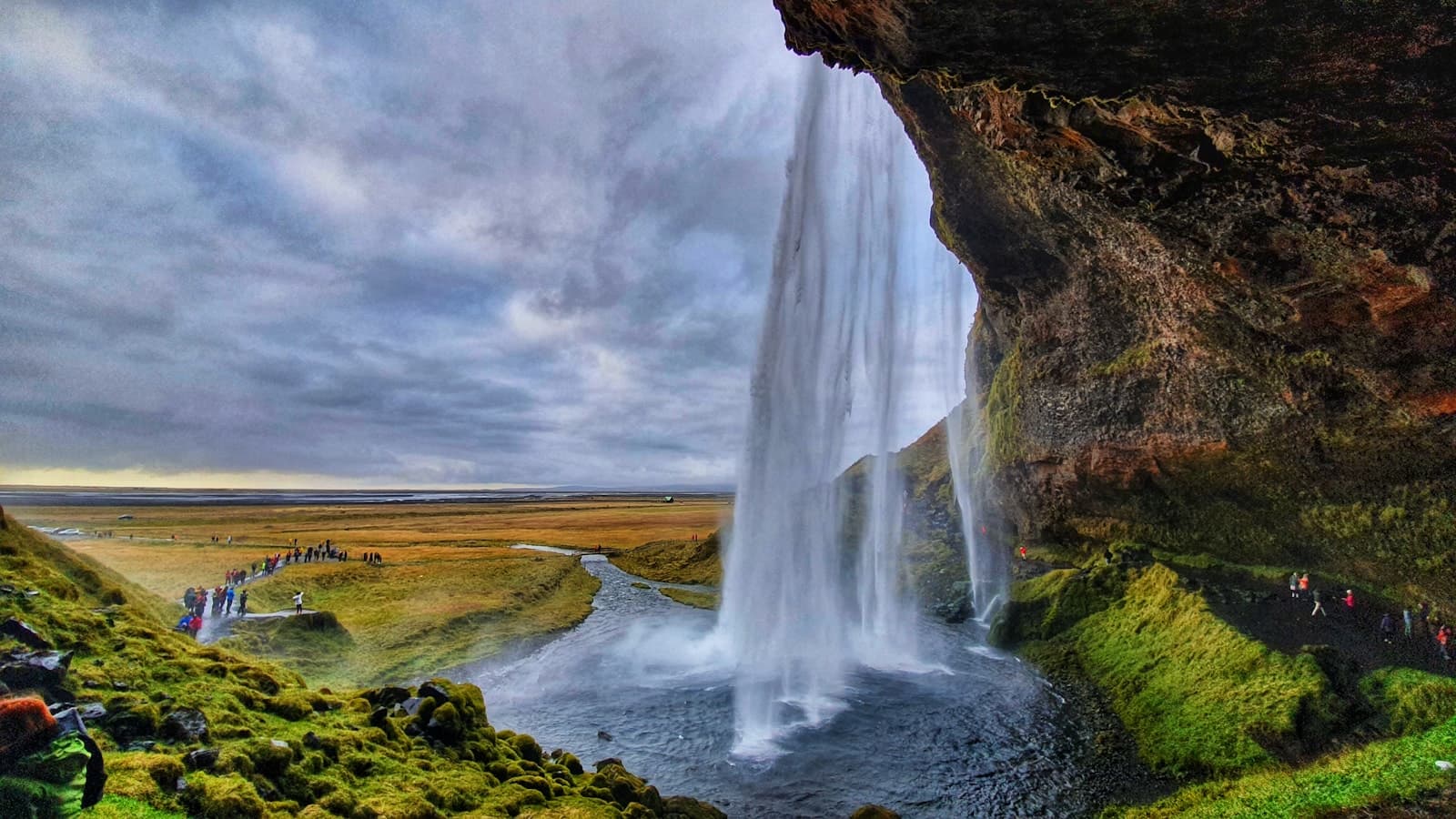
Two of the South Coast's iconic waterfalls — Seljalandsfoss you can walk behind, Skógafoss is the perfect rectangular wall of water. Both visible from Route 1, both free. Climb the 527 steps next to Skógafoss for the panorama.

Hallgrímskirkja church in Reykjavik
Capital region

Reykjavik & Hallgrímskirkja

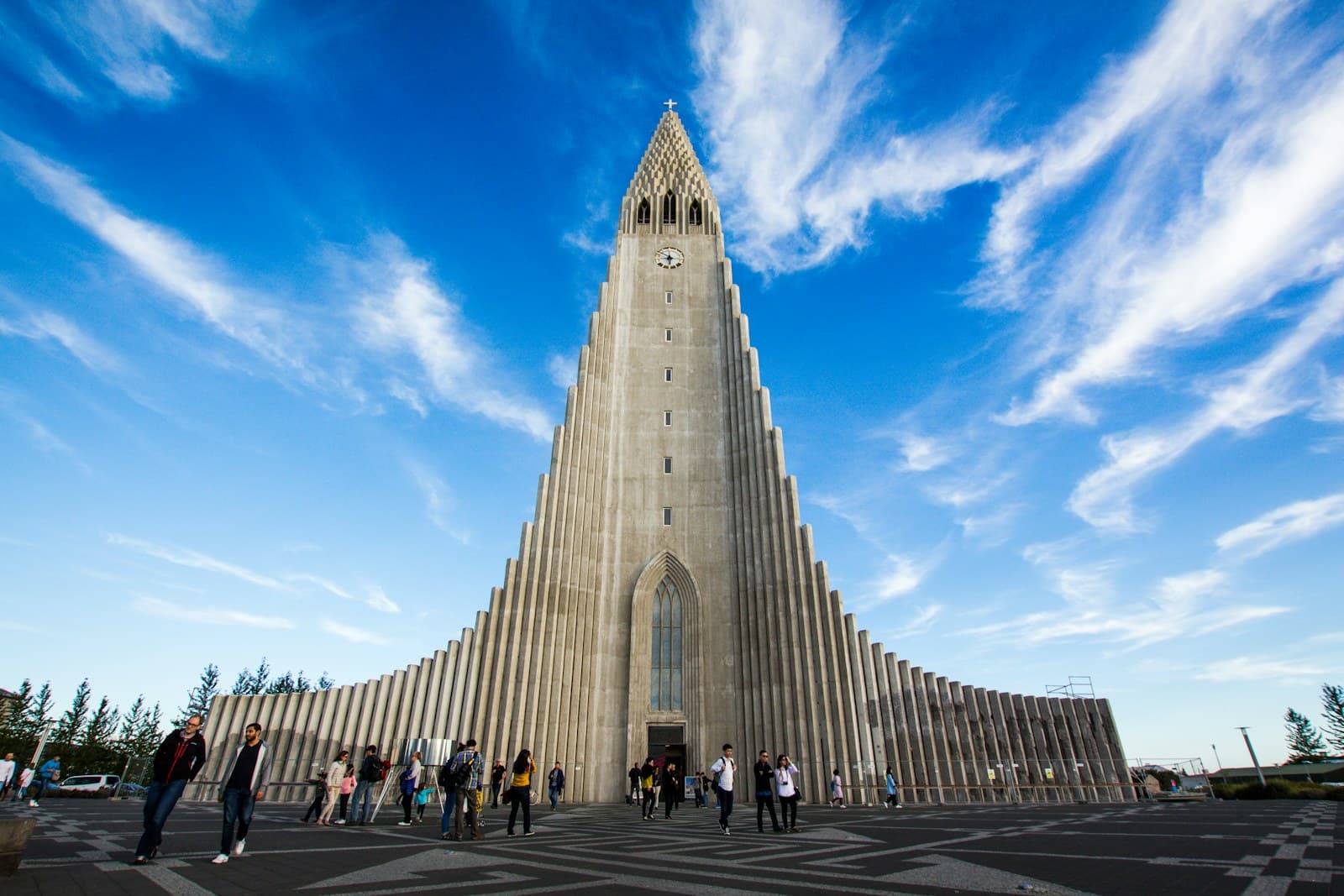
The world's northernmost capital — 130,000 people, walkable in a day. Hallgrímskirkja (the basalt-column-inspired Lutheran church, climb the tower for the panorama), Harpa concert hall, Laugavegur street for design shops and bars. Skip if you're tight on time; the country is the trip, not the city.

Black-sand beach and basalt columns at Reynisfjara
South Coast

Vík & Reynisfjara black-sand beach

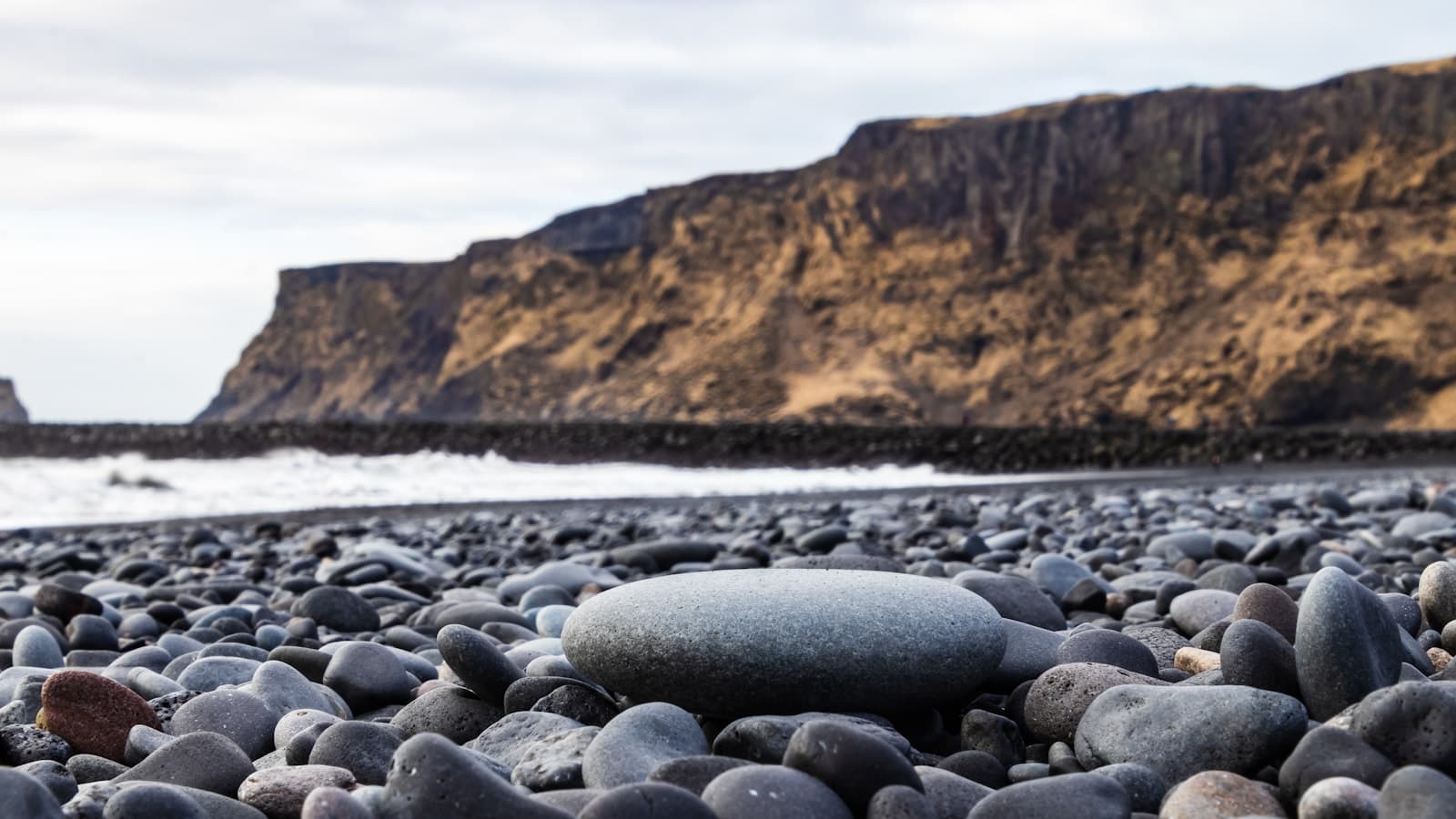
Black volcanic sand, basalt columns (Reynisdrangar sea stacks), brutal Atlantic surf — sneaker waves drown 1–2 tourists a year, stay 30m back from the water. Vík village (300 people) is the dramatic Bronze-Age-looking ash-and-cliff backdrop.

Kirkjufell mountain and waterfall, Snæfellsnes
West

Kirkjufell & Snæfellsnes peninsula

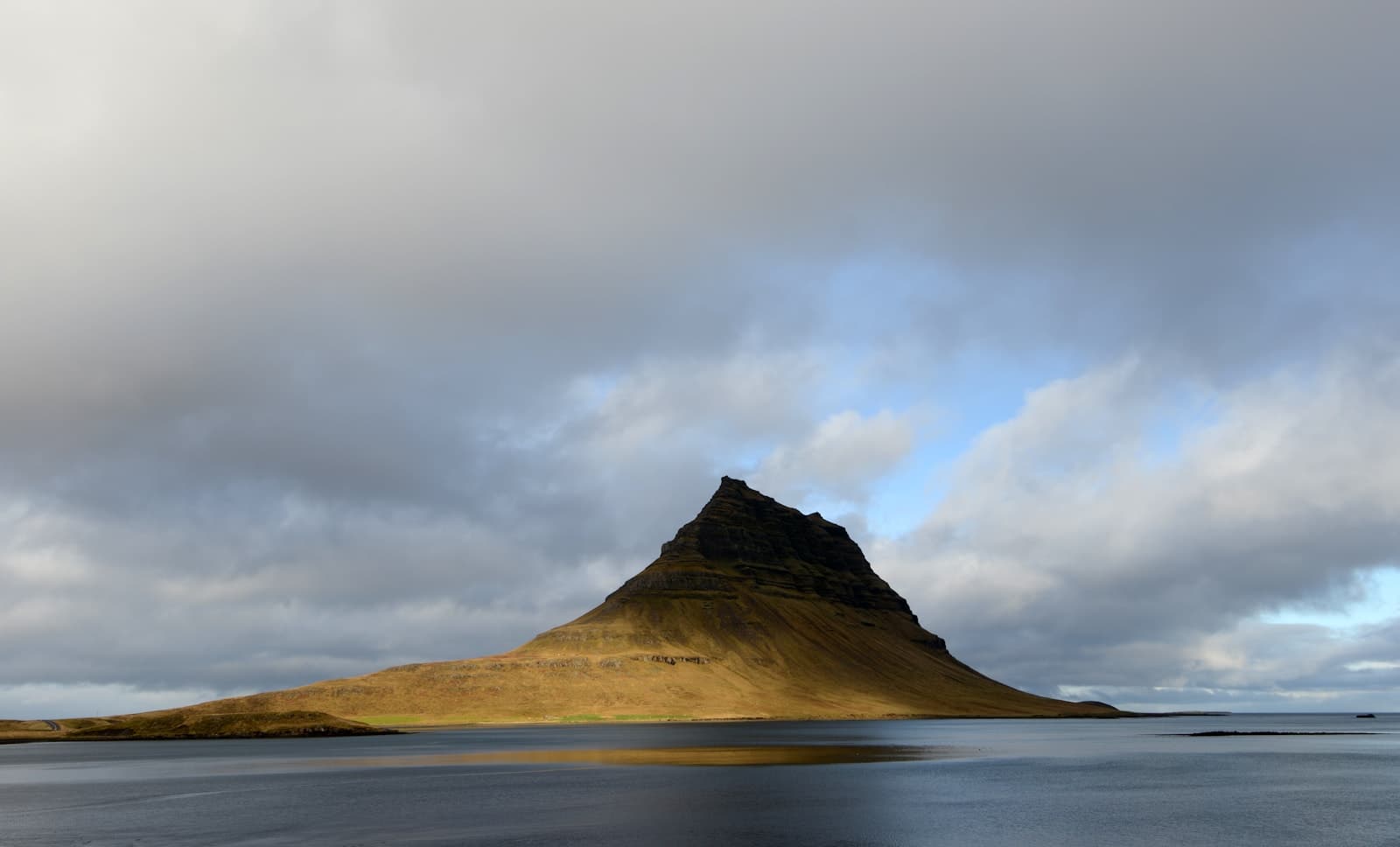
Kirkjufell ('Church Mountain') is the conical peak you've seen on every Iceland travel brochure. The Snæfellsnes peninsula (2 hours from Reykjavik) is the country in miniature — black-sand beaches, lava fields, fishing villages, the Snæfellsjökull glacier. Underrated overnight.

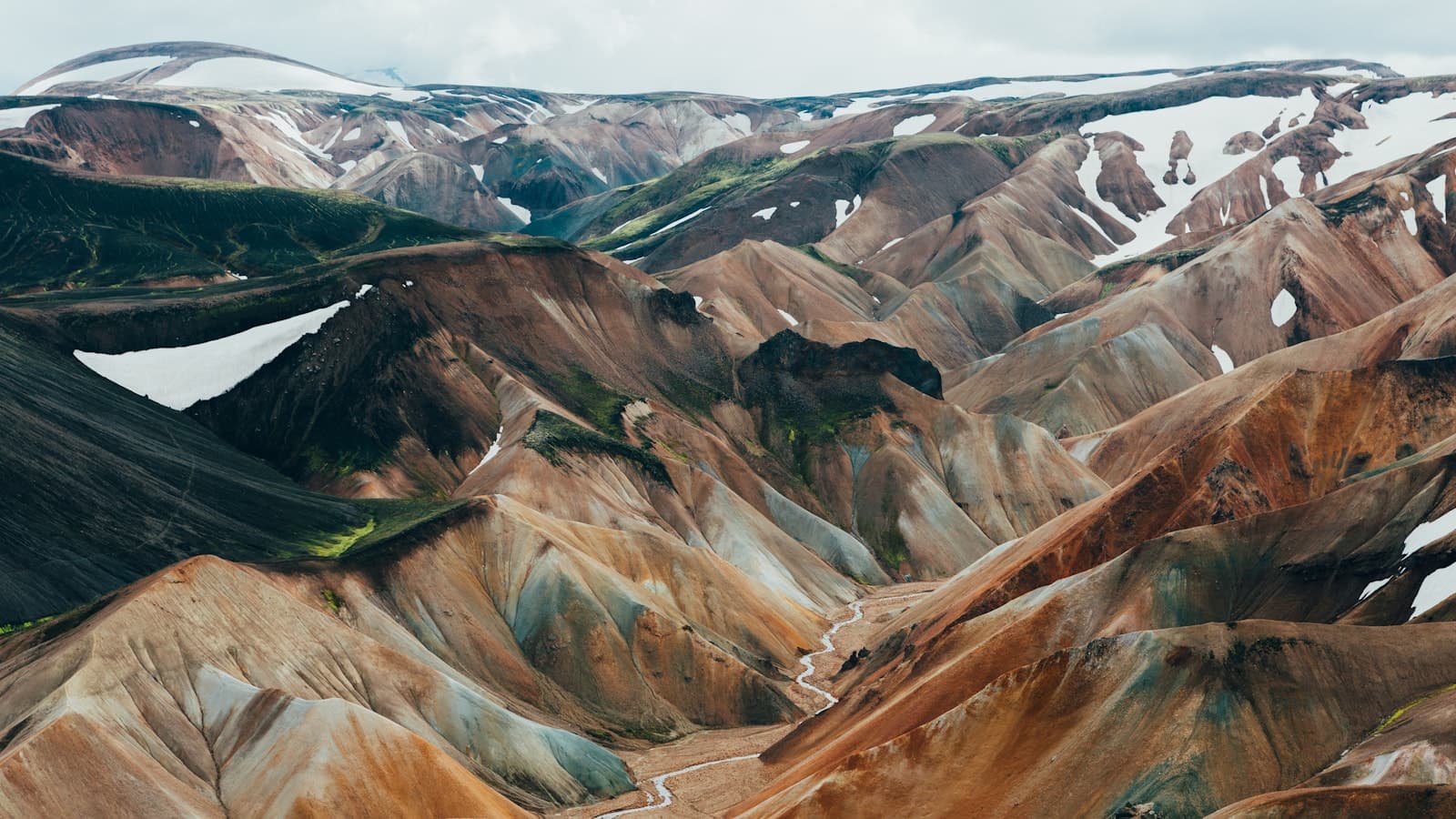
Multicoloured rhyolite mountains at Landmannalaugar
Central Highlands, summer only

Landmannalaugar (Highlands)

Multicoloured rhyolite mountains, geothermal hot springs, the starting point of the Laugavegur trek (Iceland's most famous trail). Only accessible mid-June to mid-September, 4x4 required (river crossings). Multi-day or long day from Reykjavik.

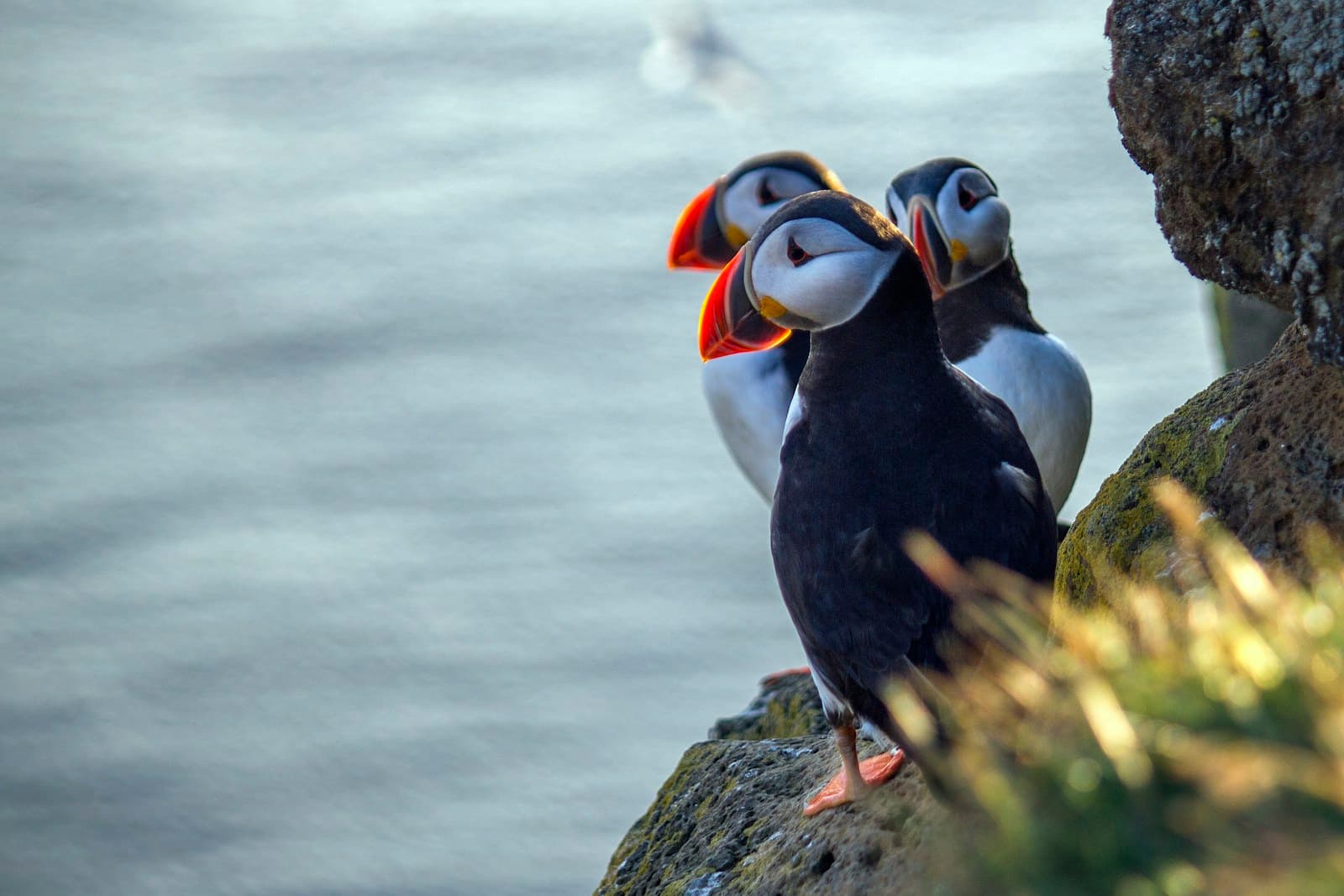
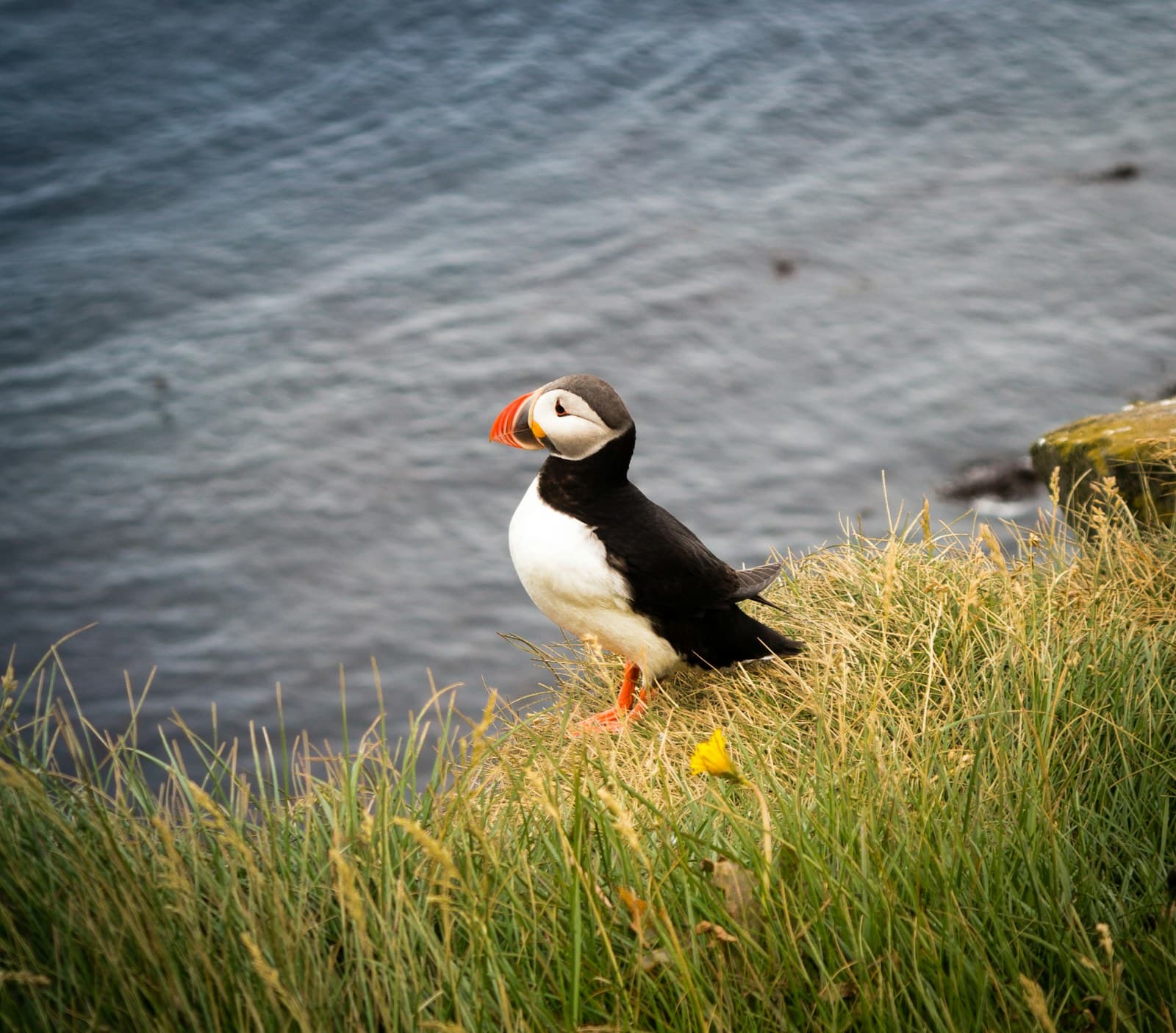
Atlantic puffin on Icelandic cliffs
Northwest

Puffins & Westfjords

Iceland has 60% of the world's Atlantic puffins (May–August). Closest viewing: Vestmannaeyjar islands (ferry from south coast) or Látrabjarg cliffs in the Westfjords (the remote northwest, hard to reach but the wildest landscape in the country).

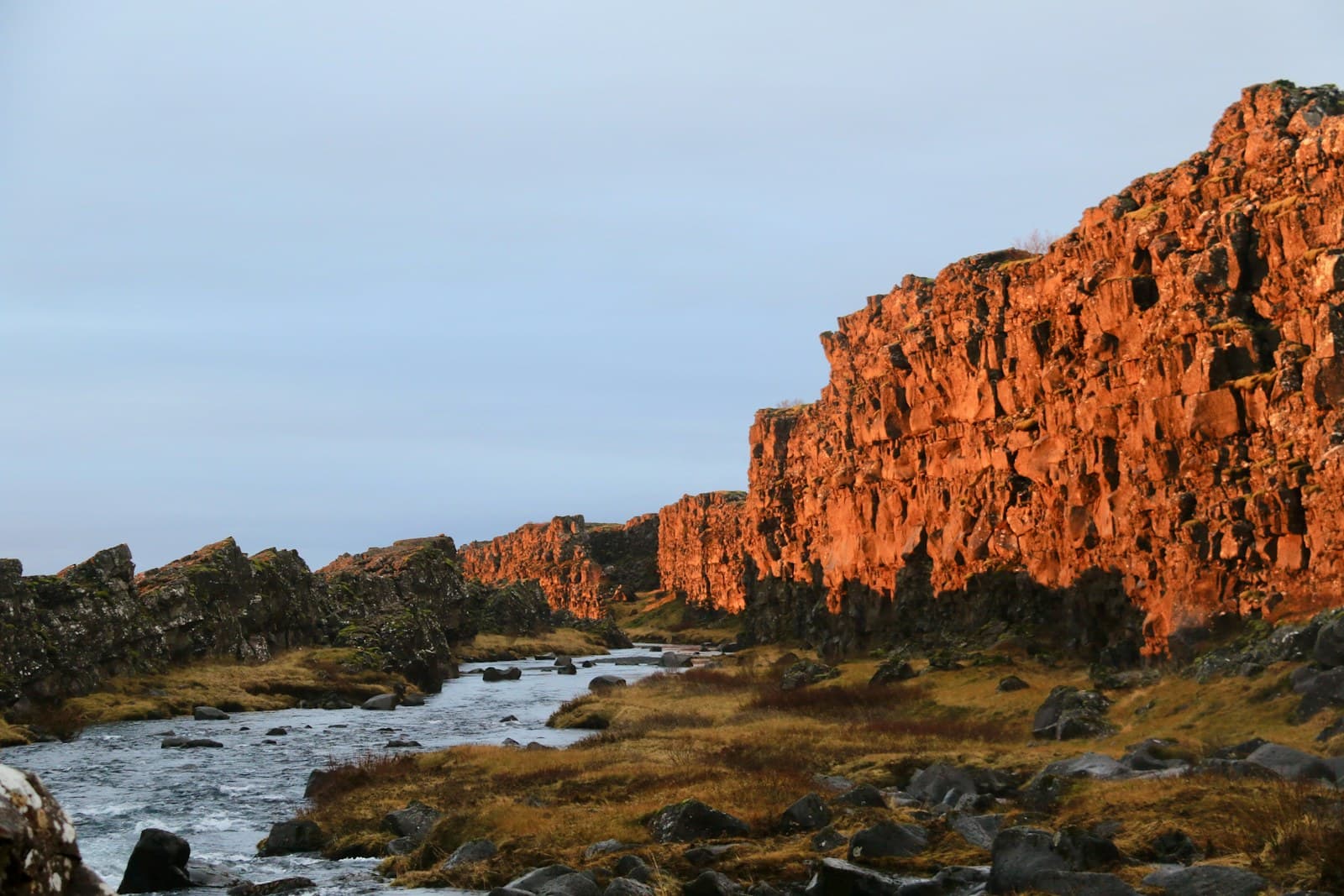
Rift valley between tectonic plates at Þingvellir
Southwest

Þingvellir & Silfra

Where the North American and Eurasian tectonic plates meet — you can walk between two continents. Silfra is a fissure in glacial water at 2°C with 100m visibility; you can snorkel or dive between the plates (€100–200). Also where Iceland's first parliament met in 930 CE.

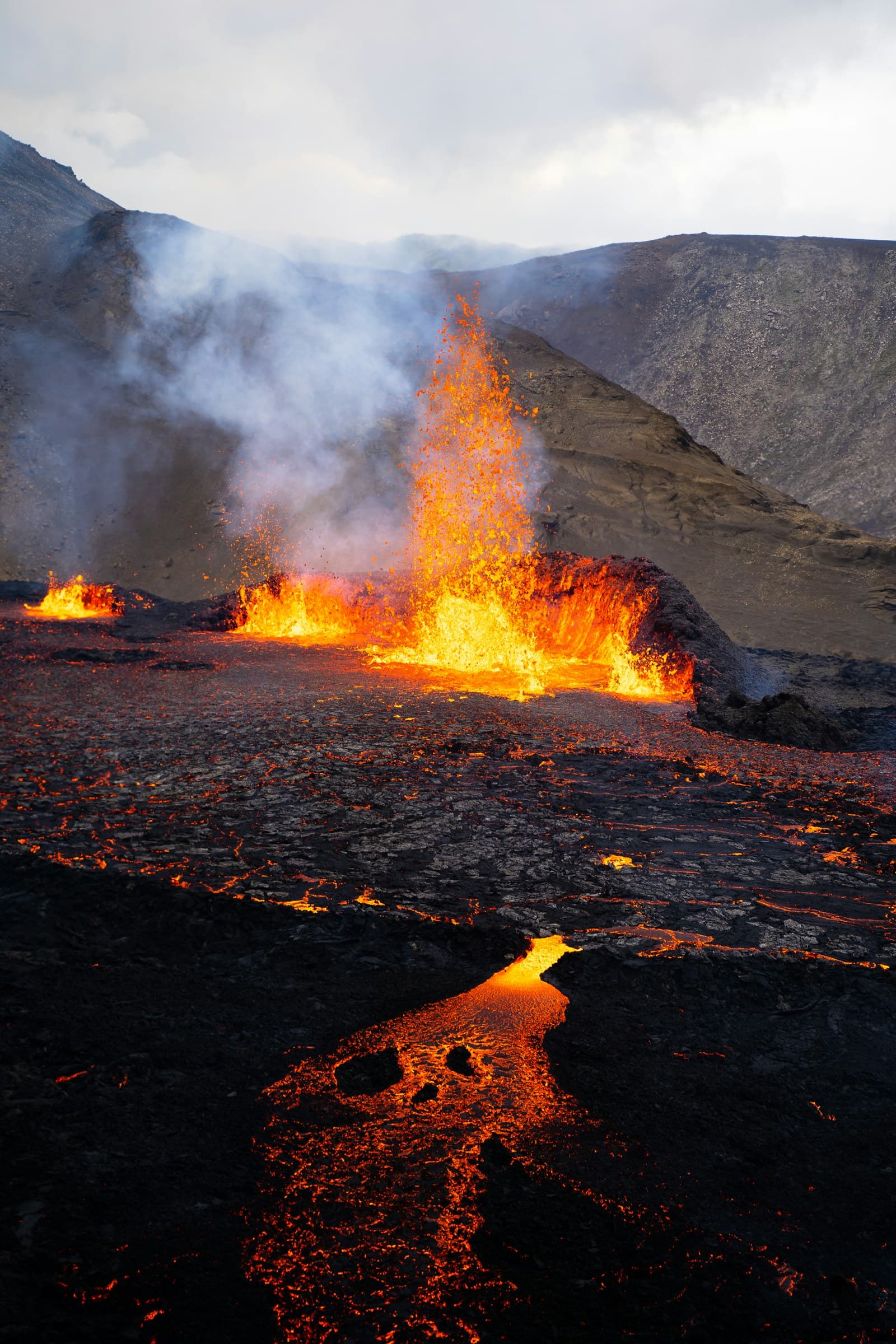
Active volcanic eruption in Iceland
Reykjanes peninsula

Active volcanoes (Fagradalsfjall)

Iceland is the most volcanically active country in Europe. Since 2021, the Reykjanes peninsula has been erupting in cycles — when active, you can drive to a viewpoint within hours. Check icelandmonitor.mbl.is for current status; the eruptions are unpredictable but jaw-dropping when on.

Specialties worth trying

Food, drinks, and experiences this country does better than anywhere else.

Icelandic skyr with berriesFood

Skyr & lamb

Skyr is the national yogurt — strained, high-protein, eaten with berries for breakfast. Lamb is the year-round protein (sheep outnumber humans 2:1, free-roaming on moss and herbs gives the meat a wild flavor). Smoked lamb (hangikjöt) is the Christmas dish.

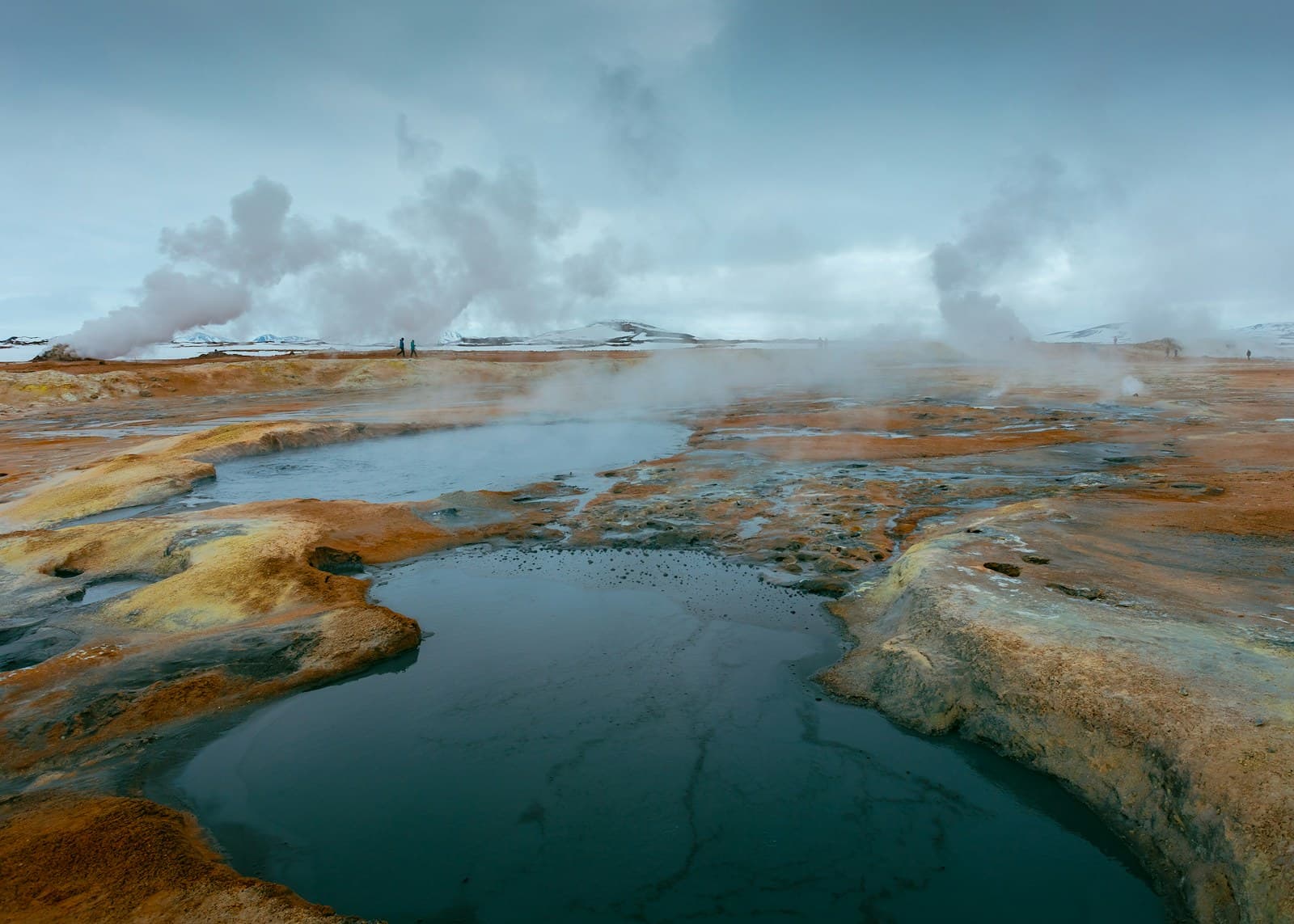
Steam rising from an Icelandic geothermal hot springExperience

Hot springs & geothermal

Iceland has 800+ public hot springs and pools. Every village has a heated outdoor pool (€5–8); locals socialise in them daily. Natural wild springs (Reykjadalur valley, Hrunalaug) are free and reach via 1–3hr hikes. Strictly shower naked before entering — this is non-negotiable.

Icelandic horse in a green fieldExperience

Icelandic horse

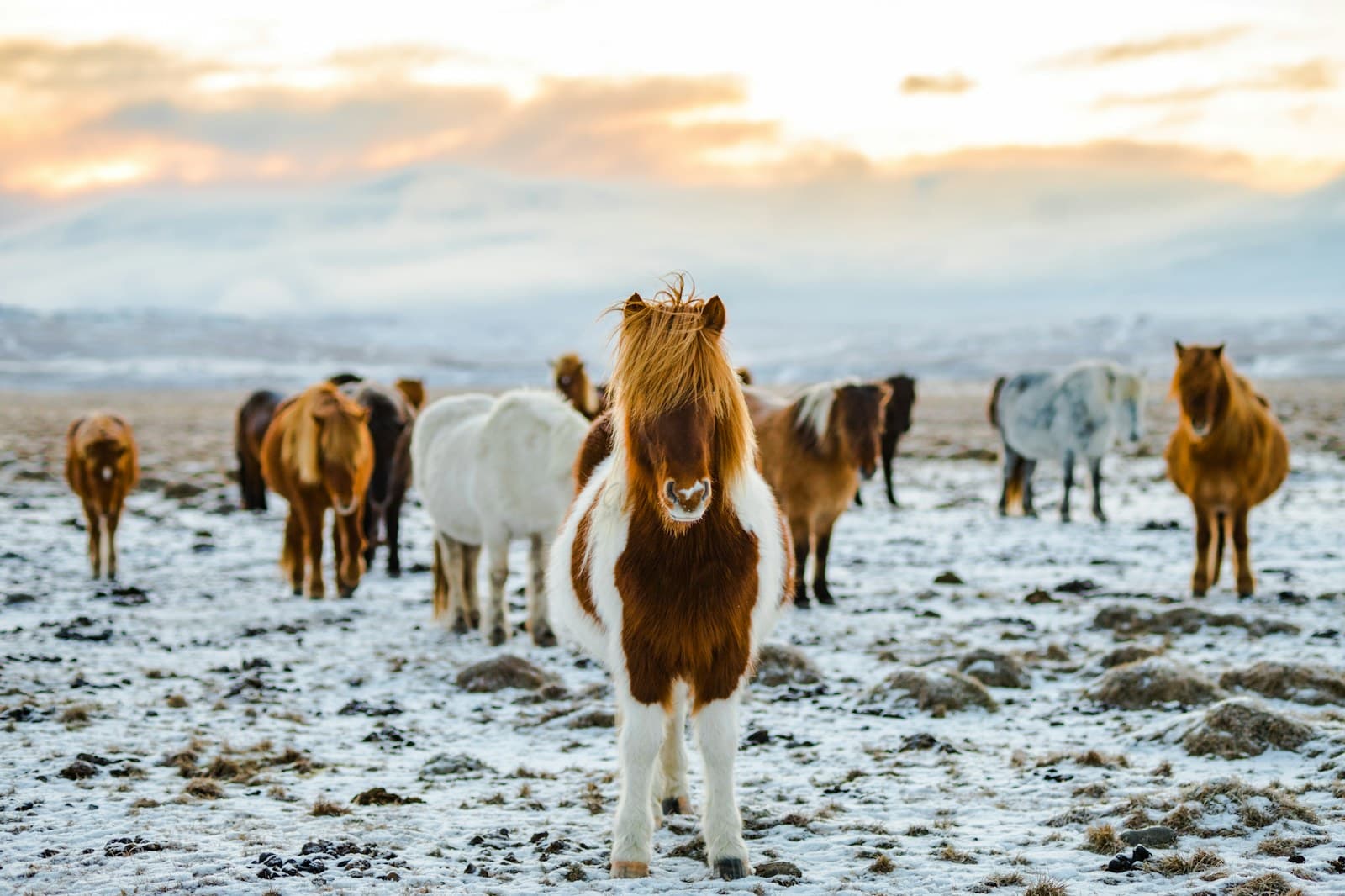
A small, sturdy breed with five gaits (most horses have three). Bred in Iceland for 1,100 years and isolated — once a horse leaves the country, it can't return. Easy riding tours from Reykjavik for €100–150 (1–2hr).

Glacier ice cave with blue ice in IcelandExperience

Glacier hiking & ice caves

Iceland's glaciers cover 11% of the country. Vatnajökull is the largest in Europe. Guided glacier hikes (crampons + ice axe, €120–180) from Skaftafell. Ice caves open November–March only — book ahead, the cave shape changes every year.

Strokkur geyser erupting in IcelandExperience

Geothermal energy & geysers

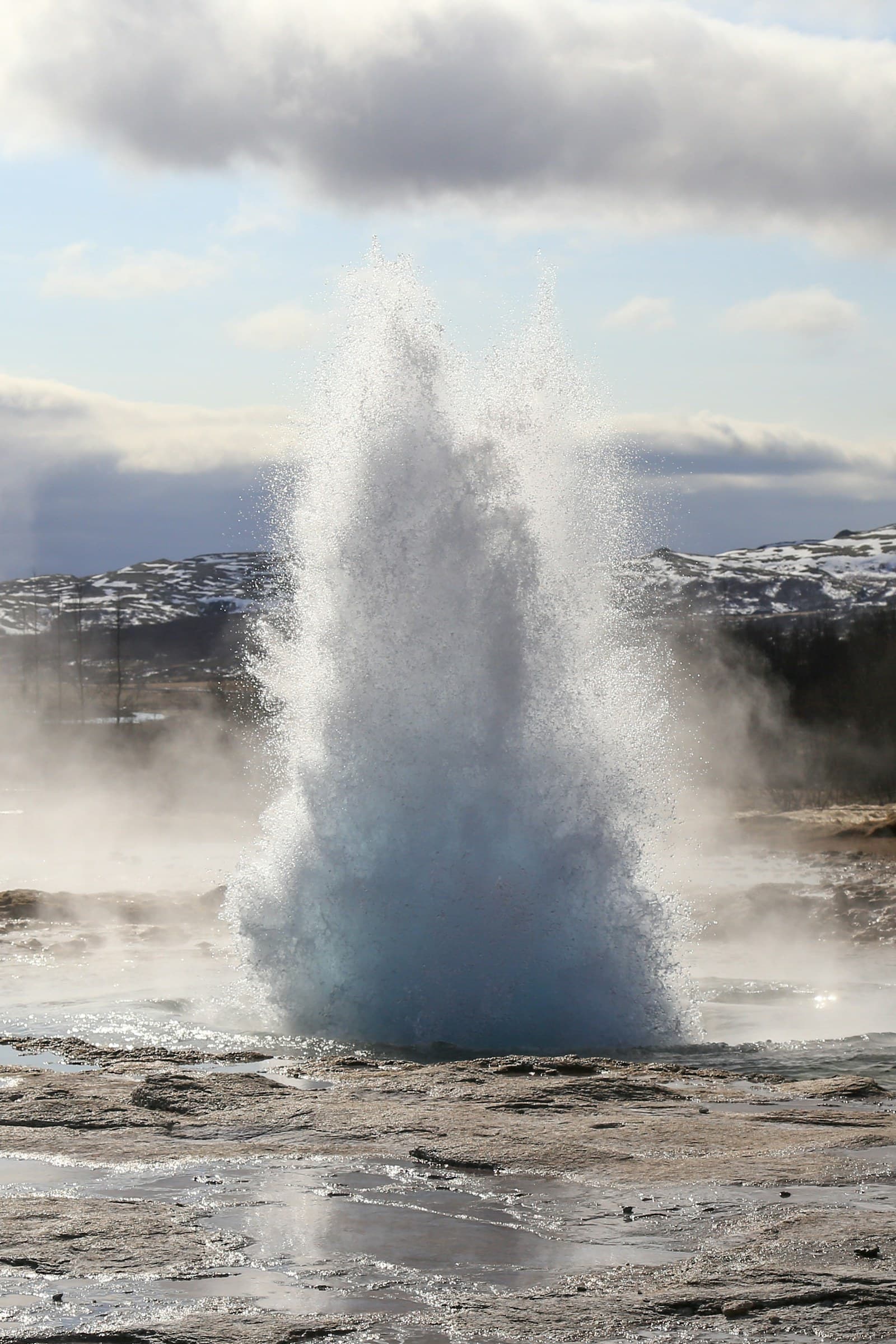
Iceland gets 85% of its energy from renewable sources (mostly geothermal + hydro). Hot tap water often smells of sulfur — that's normal. Geysir geyser (where the name comes from) is dormant; its neighbor Strokkur erupts every 5–10 minutes.

Skógafoss waterfall in southern IcelandExperience

Waterfall hunting

There are over 10,000 named waterfalls. South Coast has the famous ones (Seljalandsfoss, Skógafoss, Svartifoss). The north and east have hidden ones with no tourists. Dynjandi in the Westfjords is the country's most beautiful (and least visited).

Atlantic puffins on Icelandic sea cliffsExperience

Puffin & bird watching

8–10 million puffins breed in Iceland from May to August — the world's largest population. Best viewing at Látrabjarg cliffs (Westfjords) and Borgarfjörður Eystri in the east — birds nest within meters of you, unafraid. Free, no tours needed.

Regions to know

To frame your trip by what you have time for and what you're after.

Reykjavik & Reykjanes

Reykjavik, Blue Lagoon, Reykjanes peninsula volcanoes

The capital + the airport region. All international flights land at Keflavík (KEF, 50min from Reykjavik). Use Reykjavik as base for day trips, or grab a rental car immediately and start the Ring Road.

South Coast

Golden Circle, Seljalandsfoss, Skógafoss, Vík, Jökulsárlón, Diamond Beach

The iconic strip. 80% of Iceland's bucket-list sites are on or just off Route 1 between Reykjavik and Höfn. Doable as a 4–5 day out-and-back if you don't have time for the full Ring Road.

North & East

Akureyri, Mývatn, Húsavík (whale watching), Goðafoss, Dettifoss

Iceland's quieter half. Akureyri is the 'capital of the north' (20,000 people). Mývatn area has another set of waterfalls, lava fields, the Nature Baths. Húsavík for whale watching (best Apr–Sept). Add 3–4 days if you do the full Ring Road.

Westfjords

Ísafjörður, Látrabjarg, Dynjandi, Hornstrandir reserve

The remote northwest peninsula. 1/3 of the country, 7,000 people, the wildest landscape. Dynjandi waterfall, Látrabjarg cliffs (puffins). Mostly accessible only June–September; takes 2–3 days to fit in.

Highlands (Hálendi)

Landmannalaugar, Þórsmörk, Askja, Kerlingarfjöll

Iceland's interior — uninhabited, lunar, only open mid-June to mid-September. 4x4 mandatory; F-roads require river crossings. Where the Laugavegur trek (55km, 4 days) and Apollo astronauts trained for the moon. Adventure-tier travel.

Snæfellsnes peninsula

Kirkjufell, Snæfellsjökull glacier, Búðir black church, Arnarstapi

Iceland in miniature, 2 hours from Reykjavik. Doable as an overnight loop — black-sand beaches, lava fields, Snæfellsjökull glacier (Jules Verne's Journey to the Center of the Earth). Worth a day or two even on a short trip.

Suggested itineraries

Three lengths, depending on time. Fork any of them into WePlanify.

5d

South Coast quick — 5 days

Reykjavik + Golden Circle + Vík + Jökulsárlón. The icon-strip done fast.

  • Day 1: Arrive Reykjavik, Blue Lagoon en route
  • Day 2: Golden Circle (Þingvellir, Geysir, Gullfoss)
  • Day 3: Seljalandsfoss, Skógafoss, Vík
  • Day 4: Jökulsárlón + Diamond Beach (long drive)
  • Day 5: Back to Reykjavik, fly home
8d

Ring Road — 8 days

The full loop of Iceland counter-clockwise. Self-drive with overnight stops.

  • Day 1: Reykjavik + Golden Circle
  • Day 2: South Coast (Vík)
  • Day 3: Jökulsárlón + Höfn
  • Day 4: East fjords → Egilsstaðir
  • Day 5: Mývatn + Goðafoss
  • Day 6: Akureyri (north)
  • Day 7: Snæfellsnes peninsula
  • Day 8: Reykjavik, fly home
12d

Ring Road + Westfjords — 12 days

Add the wild Westfjords. Summer only. The deepest Iceland for first-timers.

  • Day 1: Reykjavik
  • Day 2–3: Snæfellsnes
  • Day 4–5: Westfjords (Ísafjörður, Látrabjarg)
  • Day 6: Akureyri
  • Day 7: Mývatn
  • Day 8–9: East fjords + Jökulsárlón
  • Day 10: Vík
  • Day 11–12: Golden Circle + Reykjavik wrap-up

Daily budget

Per person, excluding flights. Three comfort tiers.

Backpacker
130/day

Hostel dorm or campervan (€60), supermarket meals + one cooked meal a day (€40), rental car split or campervan fuel (€20), one paid attraction every 2 days (€10). Iceland is brutal on a backpacker budget; camping is the only way to get under €100/day.

Mid-range
260/day

Guesthouse or 3-star hotel (€160), one restaurant dinner + sandwiches (€60), rental car + fuel (€30), entries + Blue Lagoon-type attraction (€10). The right tier for self-drive Iceland.

Comfortable
500/day

Boutique hotel or design farm-stay (€320), fine-dining dinner with Icelandic tasting menu (€130), 4x4 rental + fuel (€40), private guide or super-jeep tour (€10). Honeymoon and aurora-chasing tier.

Per person, excluding international flights. Iceland is genuinely expensive — alcohol is the worst (a beer is €10–14 in restaurants, half that at the airport duty-free which everyone uses to stock up). Most visitors self-drive; manual cars are 30% cheaper than automatics.

Cultural do's & don'ts

Small moves that matter — and the ones that make everyone uncomfortable.

  • Rent a 4x4 only if you're going into the Highlands or in winter. Otherwise a small 2WD is fine on Route 1, costs half. Mandatory winter tires October–April; the rental includes them.

  • Buy food at Bonus or Krónan supermarkets (the cheap ones — Bonus has a pink pig logo). Cook in your accommodation or campervan. Restaurant prices triple supermarket prices. Hot dogs (pylsa) from gas stations are the local quick lunch — €4 each.

  • Don't walk on closed/marked-off areas at geothermal sites. The mud and water can be at 100°C; tourists have died. Likewise, don't approach black-sand beach water — sneaker waves drown 1–2 people a year at Reynisfjara.

  • Shower naked, with soap, before entering ANY pool or hot spring. This is the law and locals will tell you off if you don't. It's never weird; everyone does it. The locker rooms have private shower stalls if you really need them.

  • Don't trust GPS in remote areas. Mountain roads (F-roads) and Westfjords routes can be miscalculated as faster than they actually are. Use vegagerdin.is for real road conditions and safetravel.is to file a travel plan in winter or when going to the Highlands.

  • Drink tap water everywhere. Iceland's cold tap water is glacial — possibly the best drinking water on earth. Hot tap water smells of sulfur because it comes from geothermal sources; that's normal, drink the cold.

  • Layer with merino wool. Iceland's weather is dramatically variable — 5°C and rainy in summer, 0°C and clear-sky in winter. Waterproof shell over wool/fleece is the only system that works.

  • Don't camp wild outside designated sites. Wild camping has been illegal since 2015 because of how many tourists were doing it. Campsites are €10–20/night, well-equipped, and everywhere along Route 1.

Plan your Iceland trip with your crew

Bring this guide into WePlanify, invite the group, and build the trip together. Shared map, polls, shared budget — all free.