Regions to know
To frame your trip by what you have time for and what you're after.
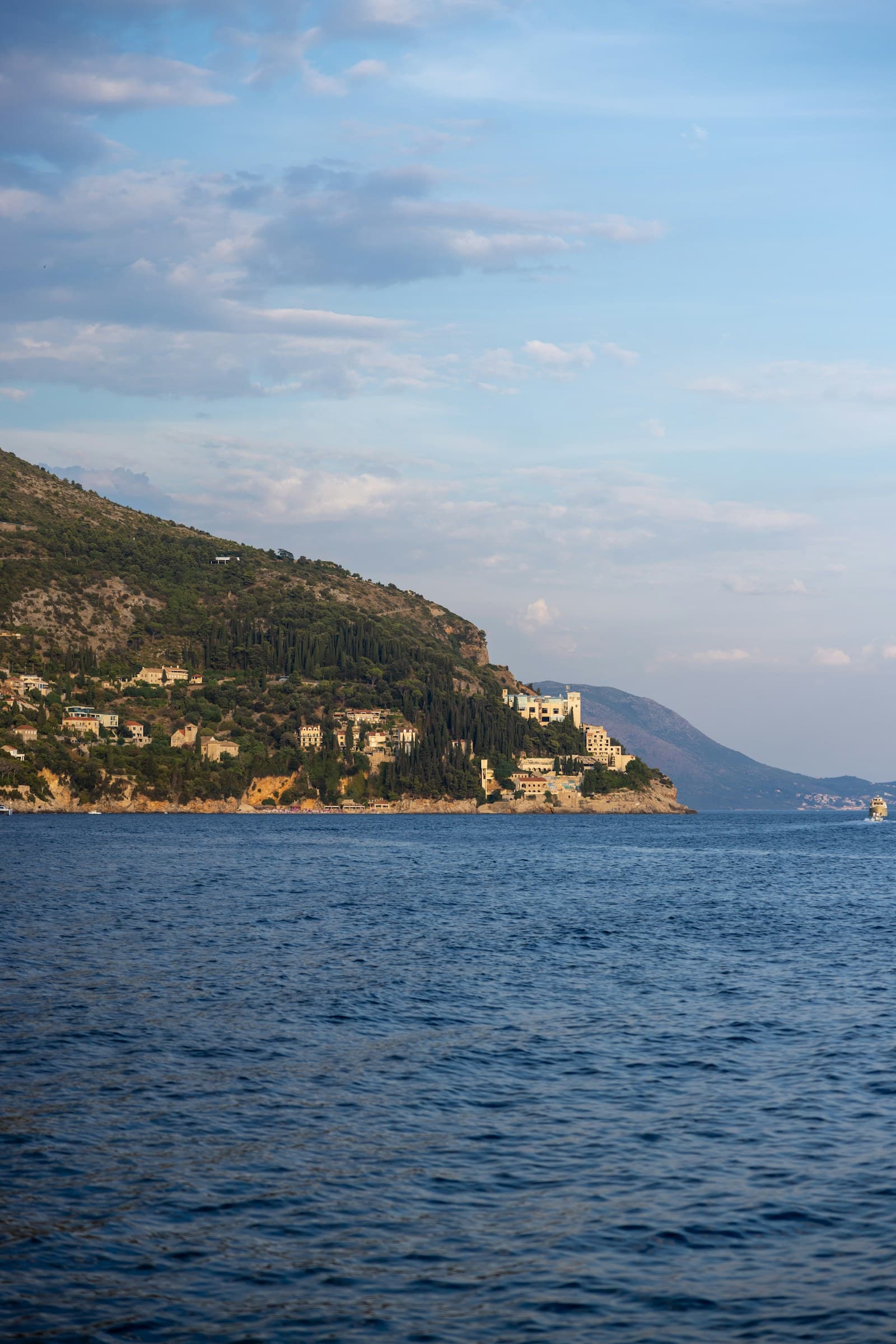
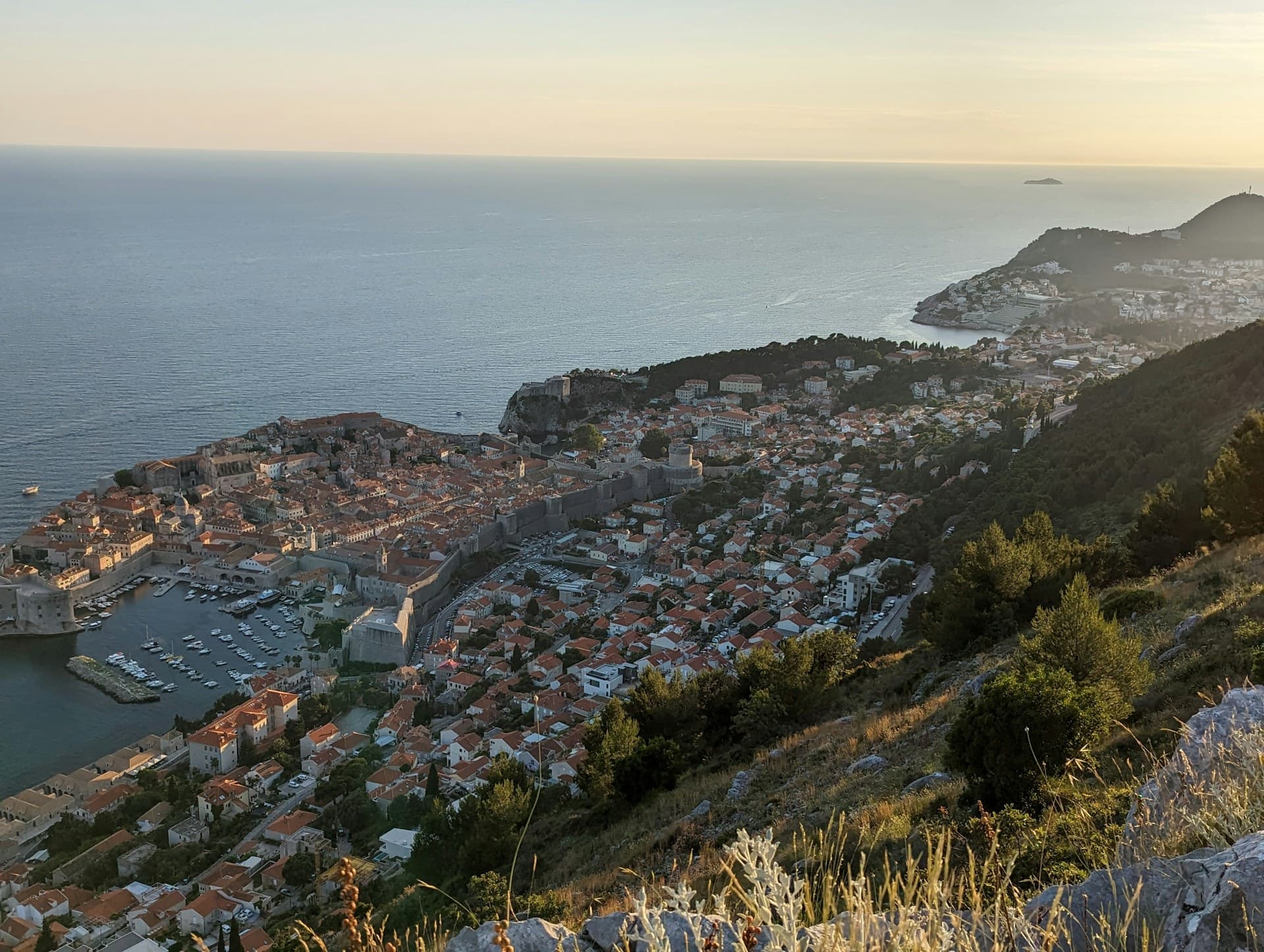
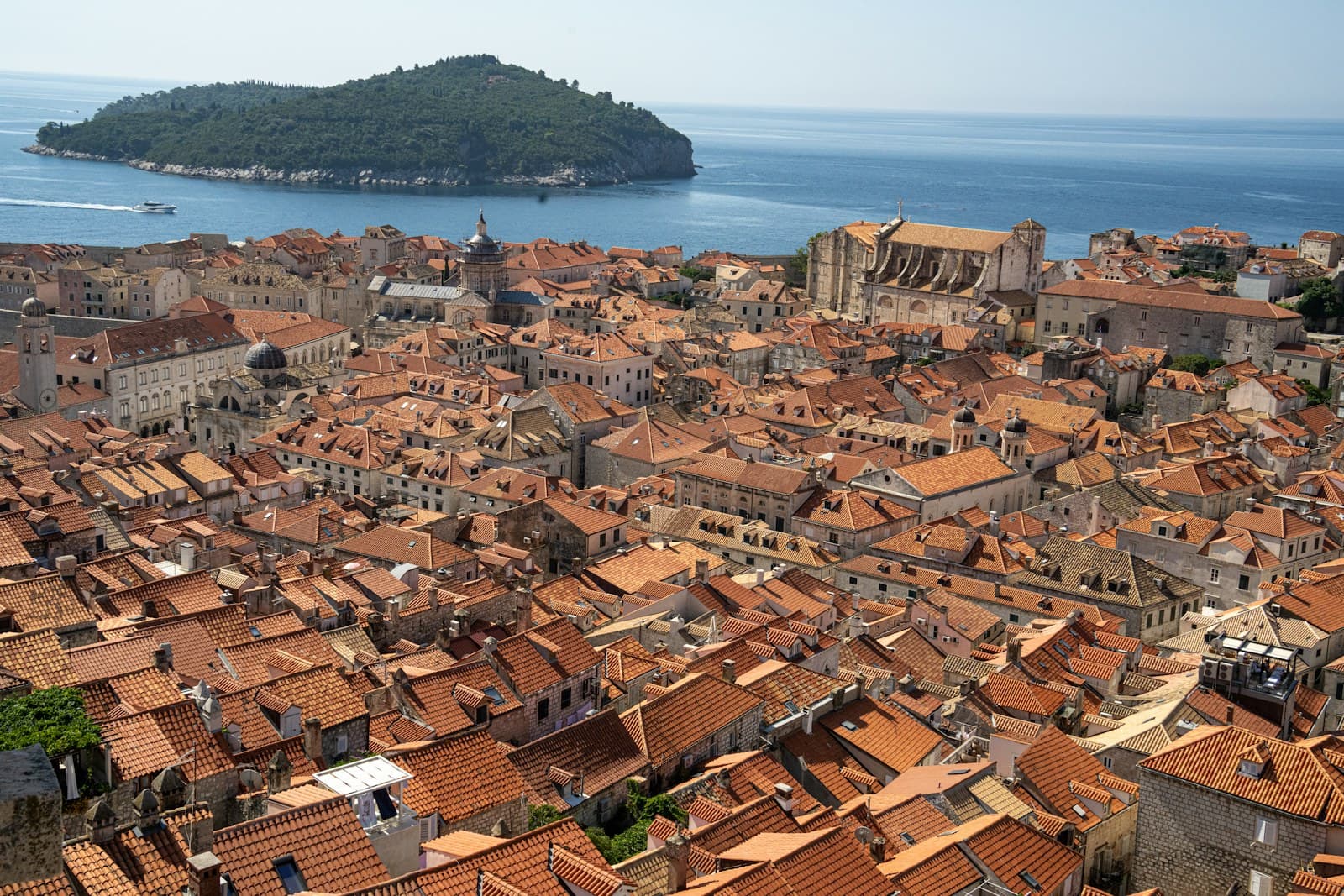
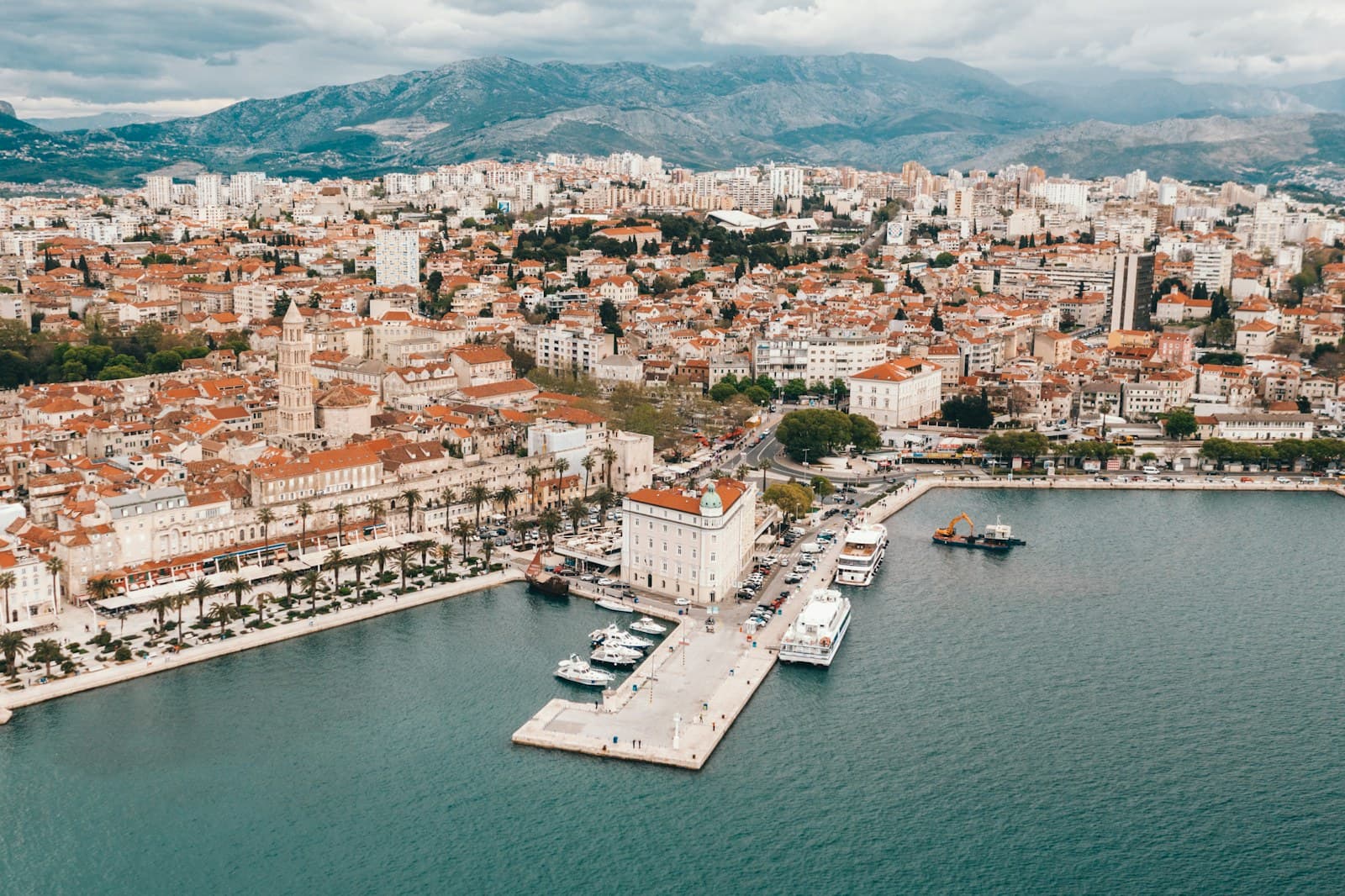
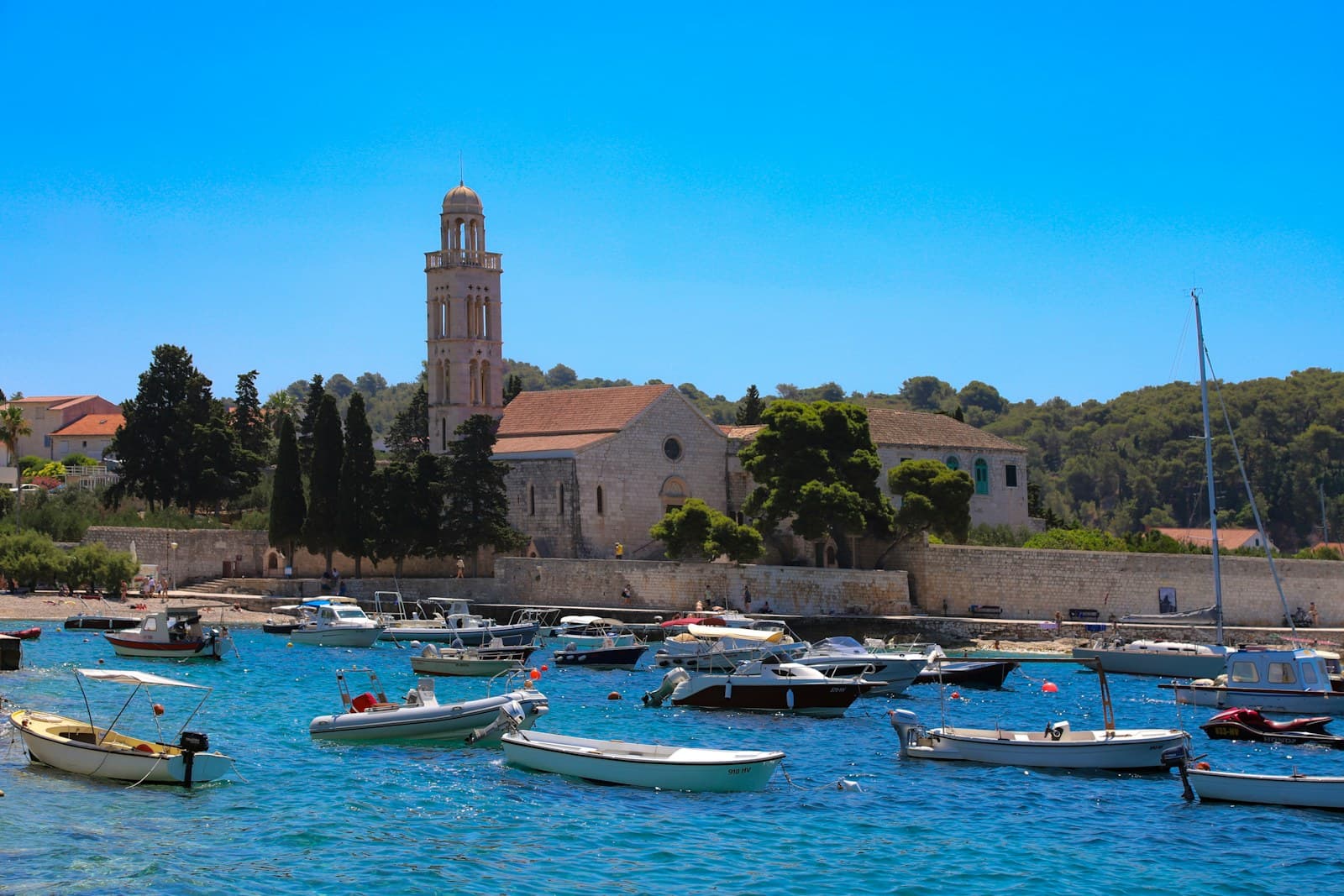
Dalmatia (Split, Dubrovnik)
Split, Dubrovnik, Hvar, Korčula, Mljet, Brač
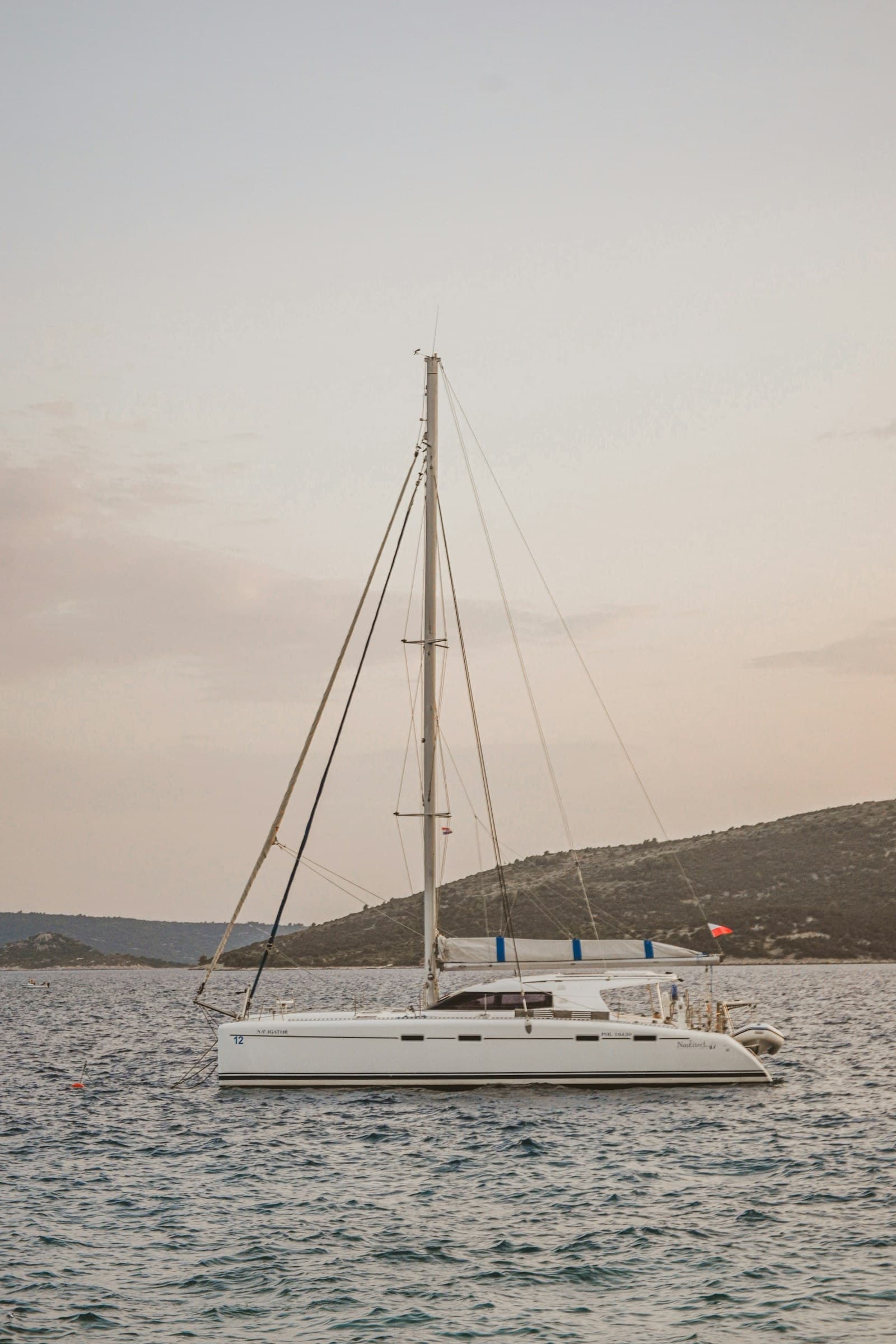
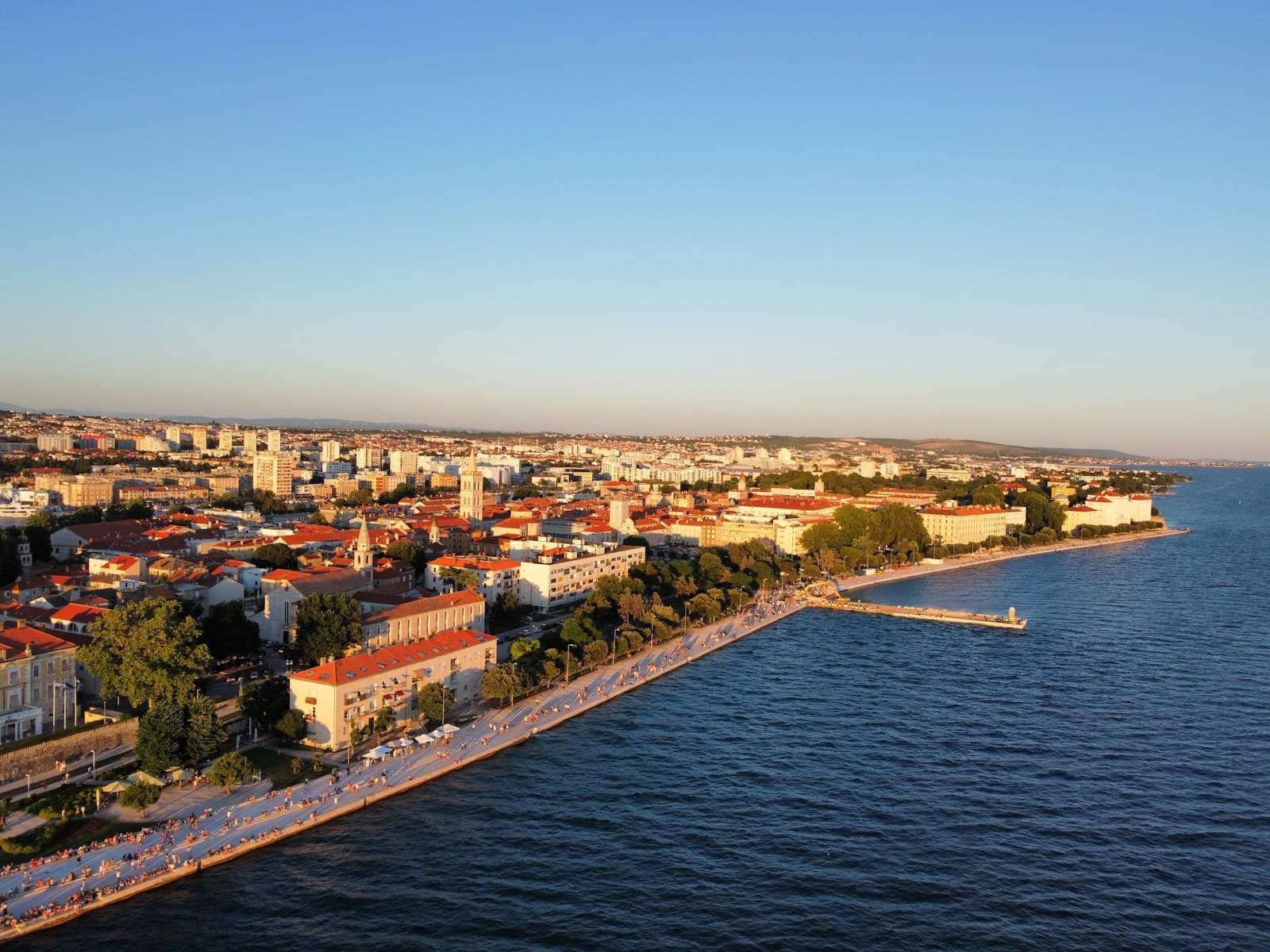
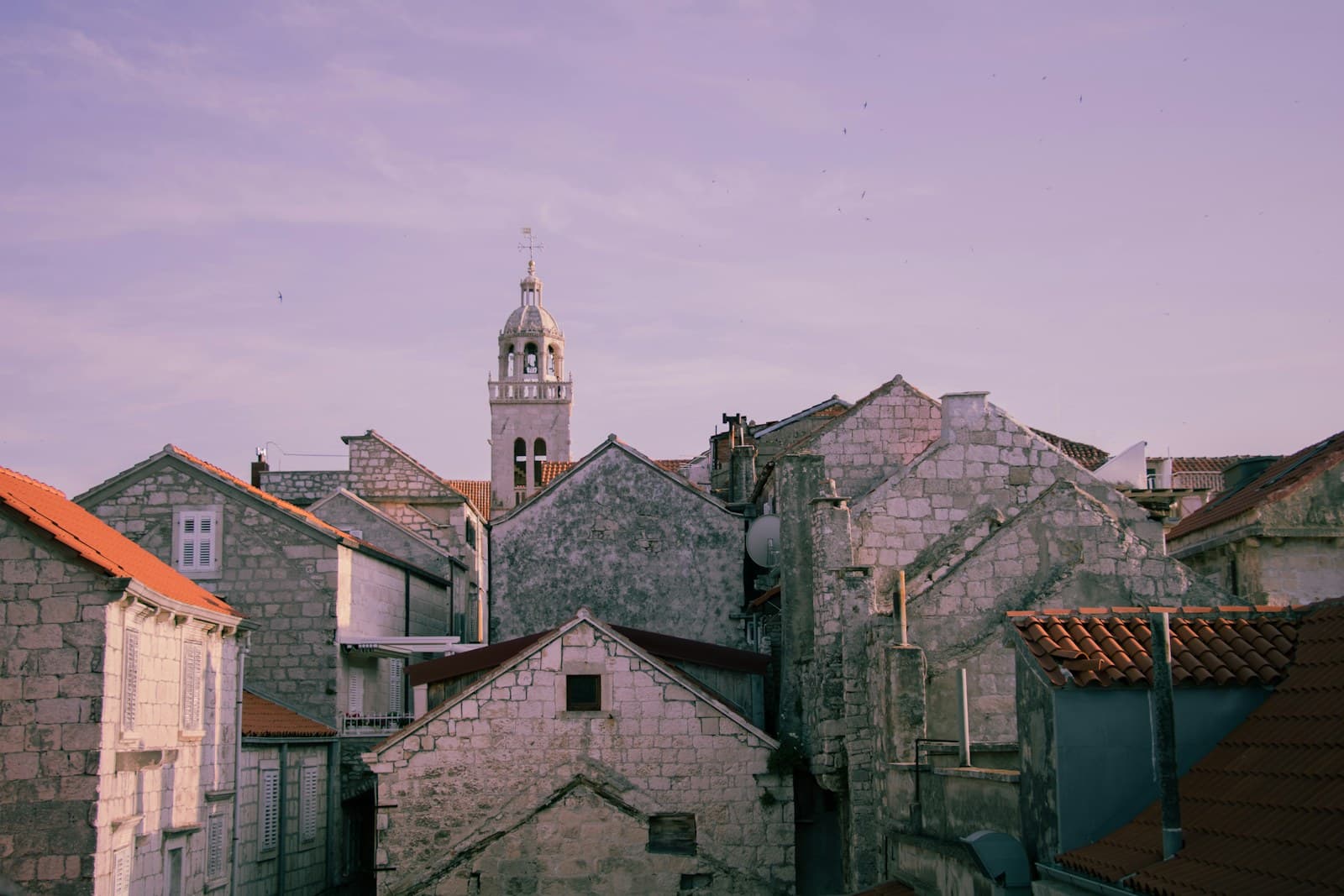
The classic Croatia — central and south coast. Most flights land at Split (SPU) or Dubrovnik (DBV). Ferry hub at Split connects all the major Dalmatian islands. Sailing capital of the country.
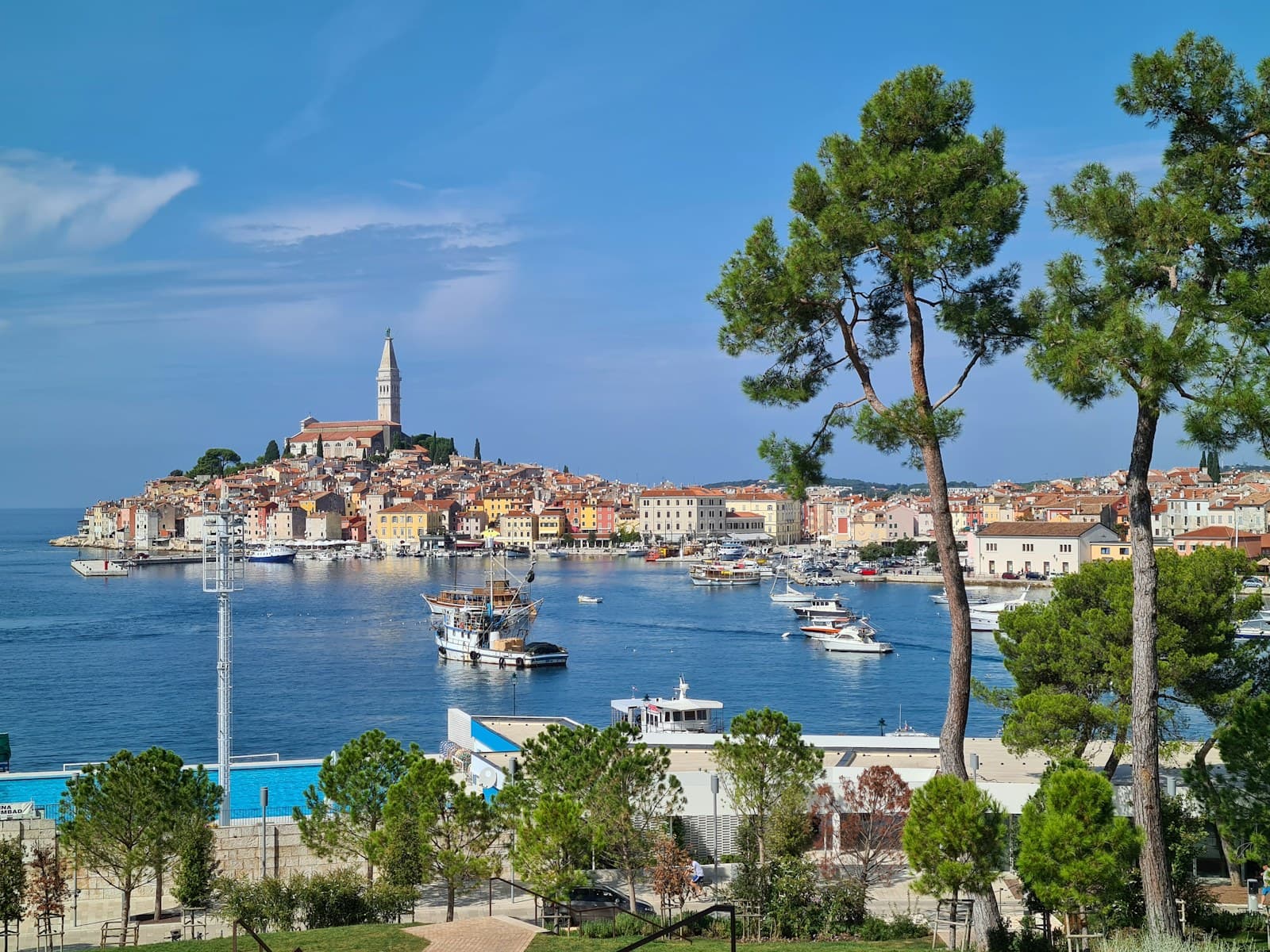
Istria
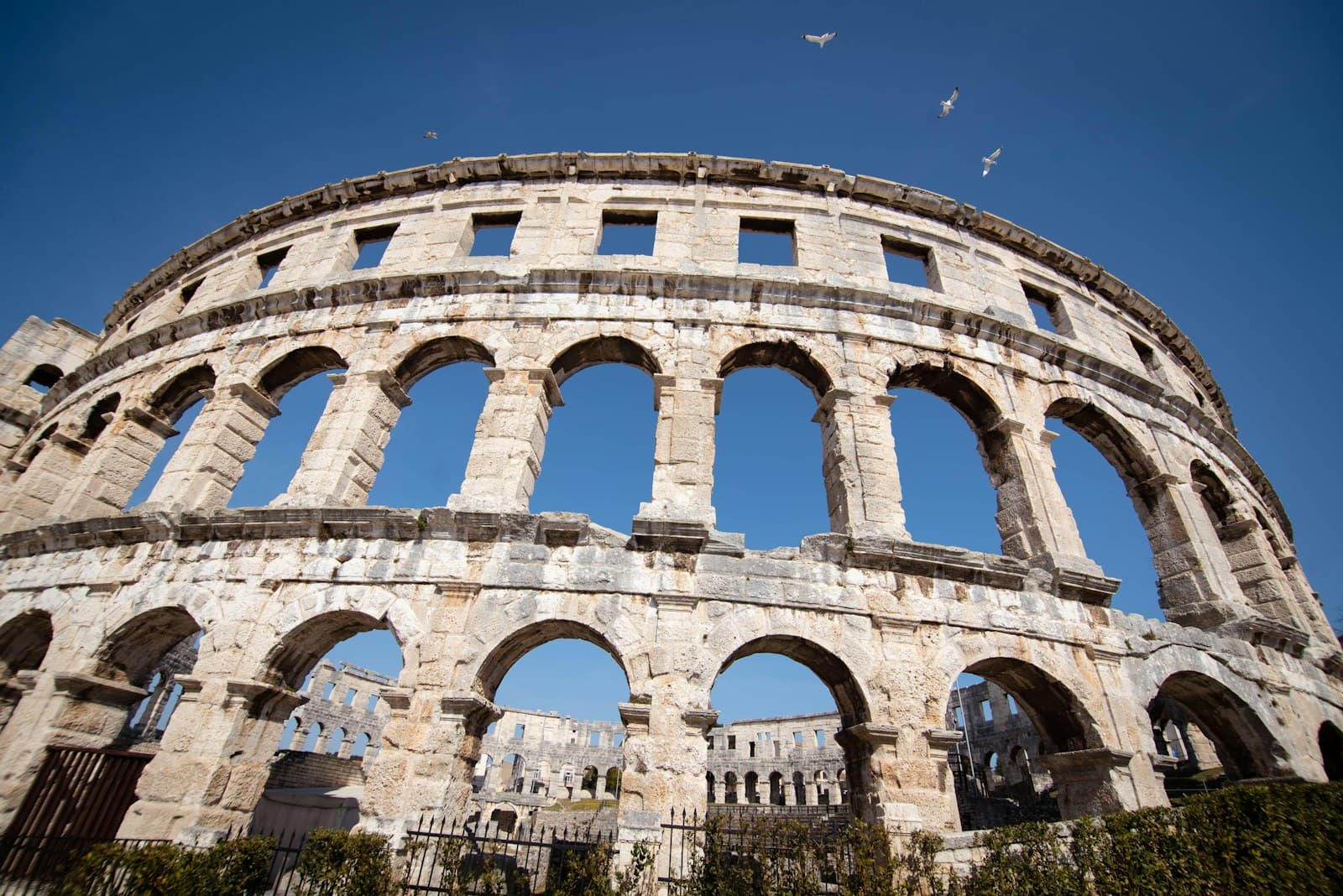
Rovinj, Pula, Motovun, Poreč, Opatija
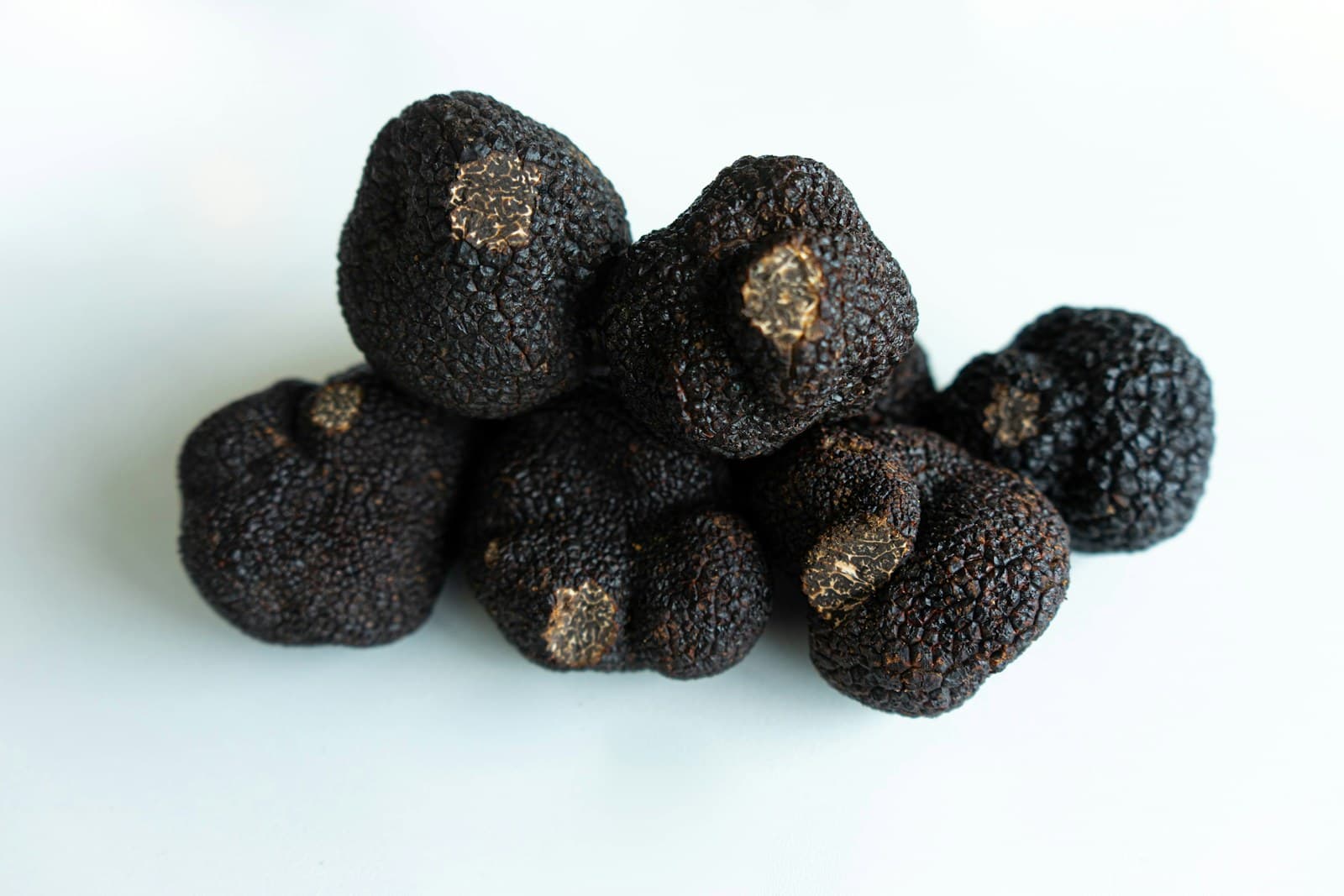
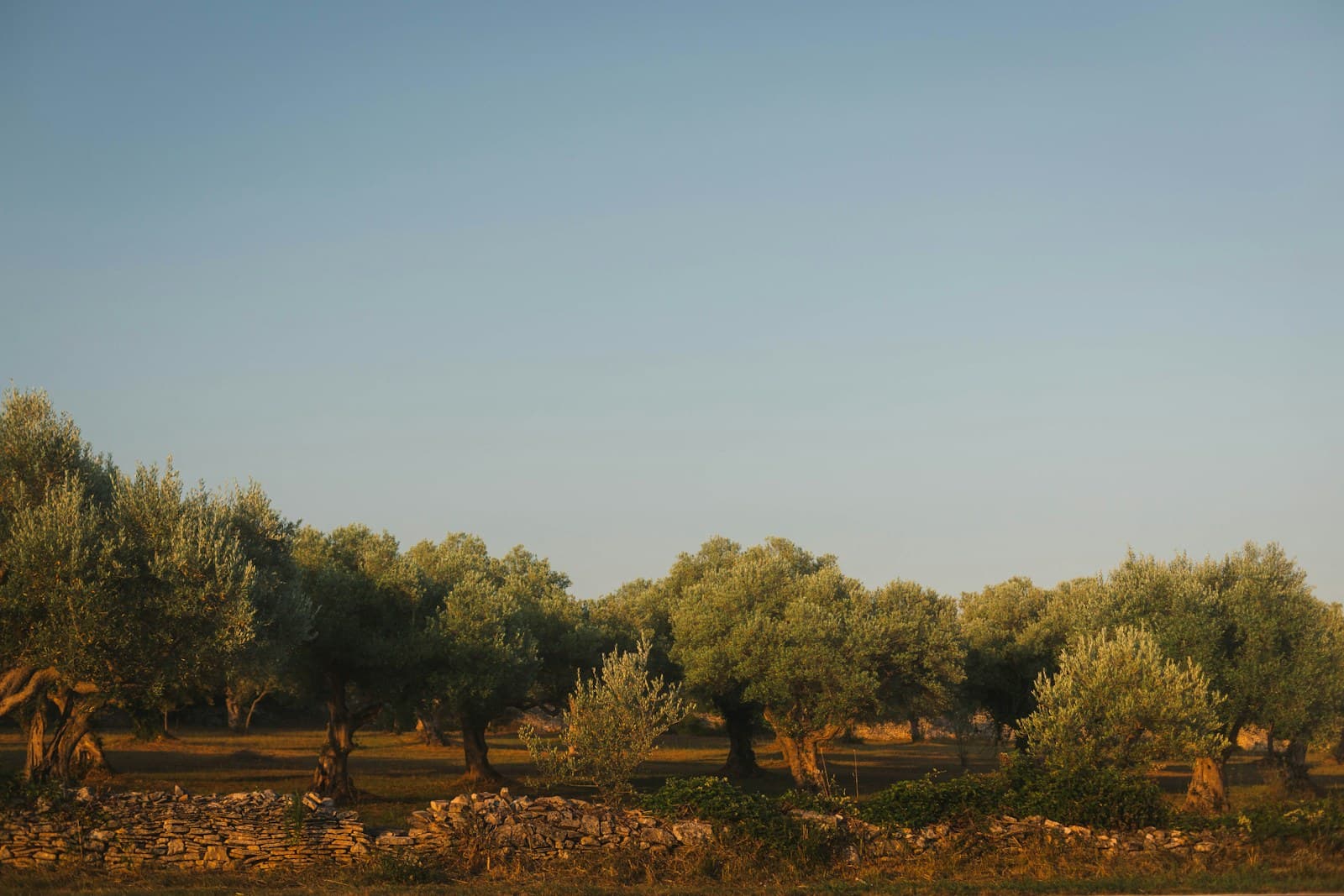
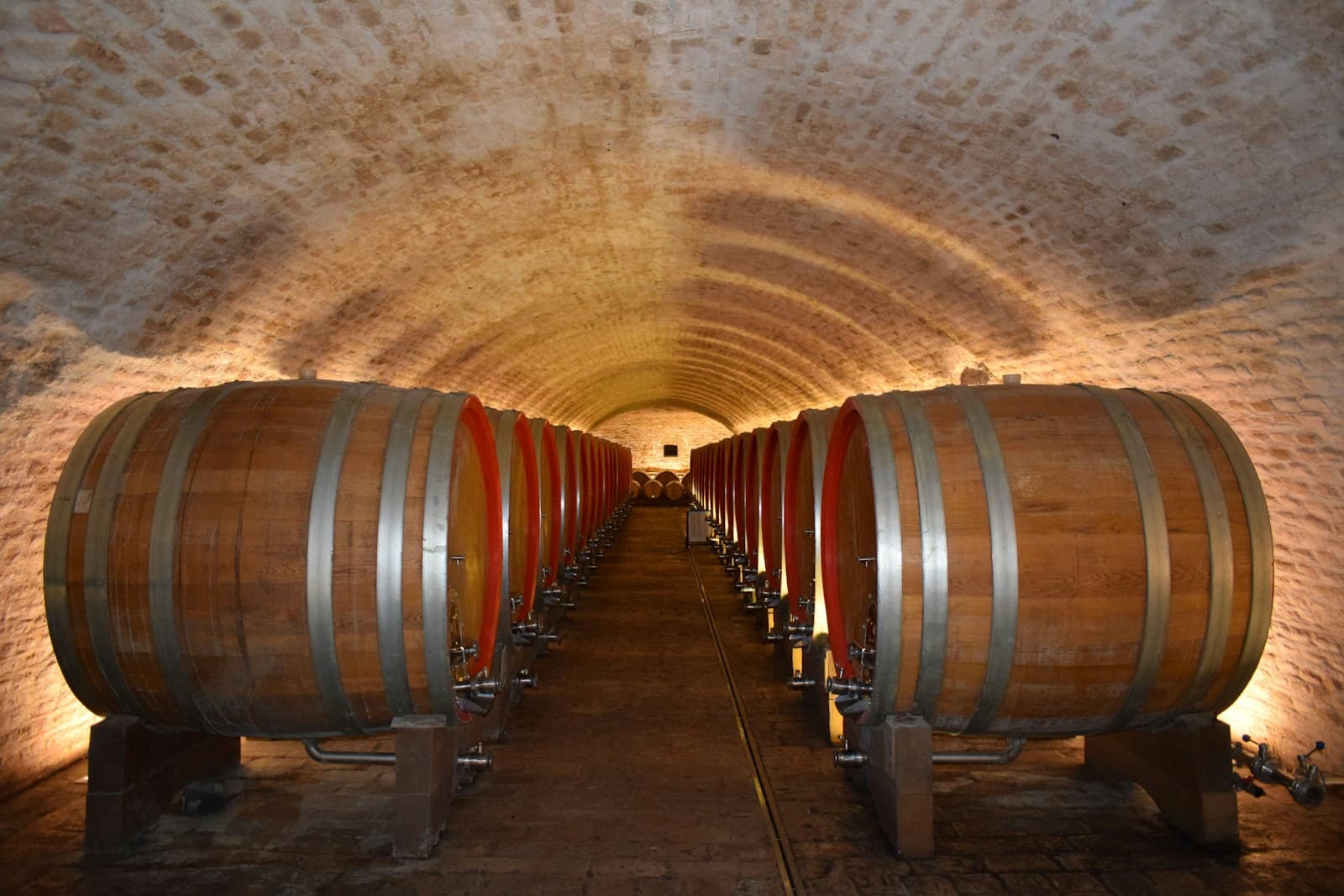
The northern peninsula. Italian-feeling (was Venetian and later Italian until WWII), bilingual in places, truffles + olive oil + wine country. Pula airport (PUY) or fly into Trieste (TRS, Italy) — closer to Istria than Zagreb is.
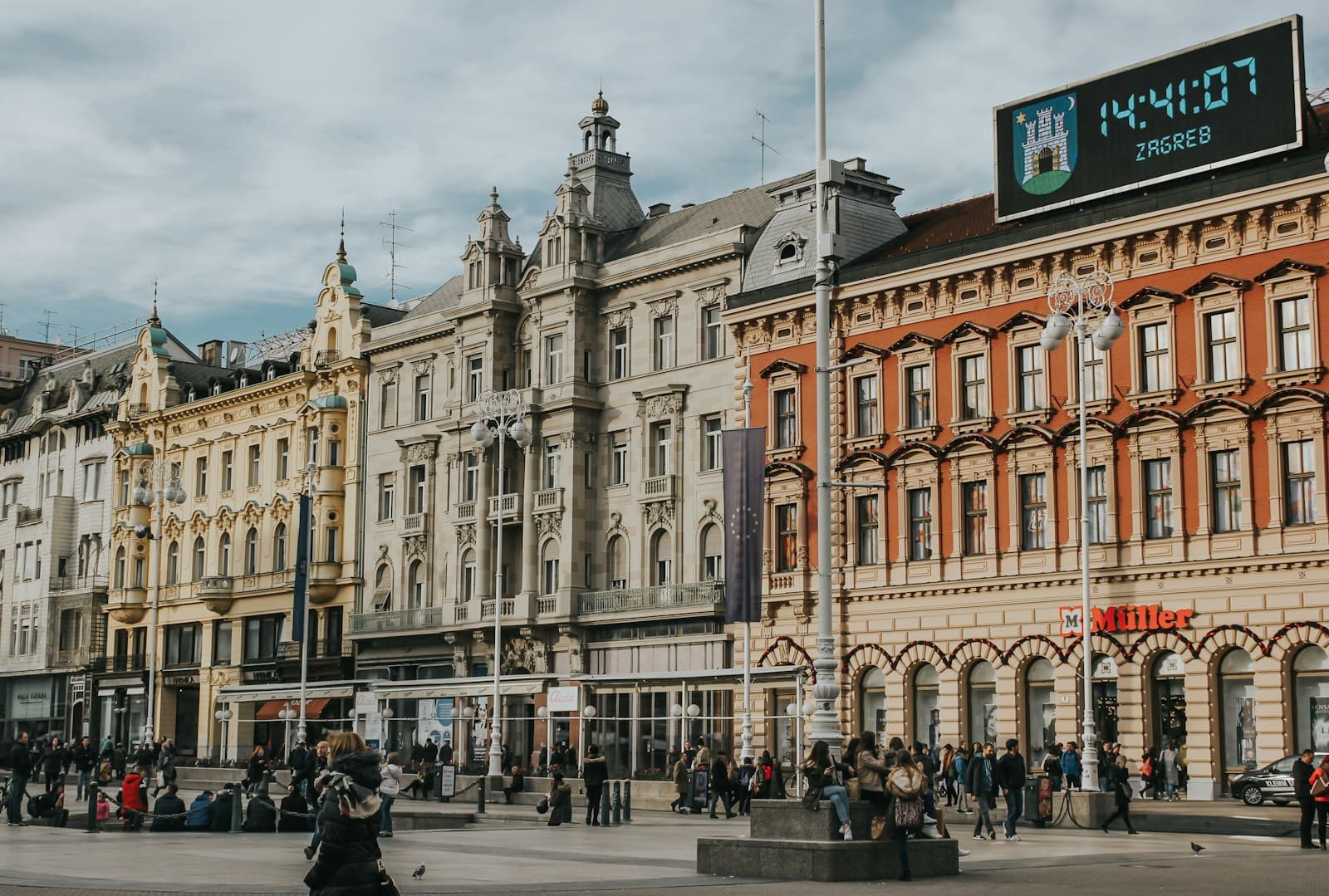
Zagreb & continental
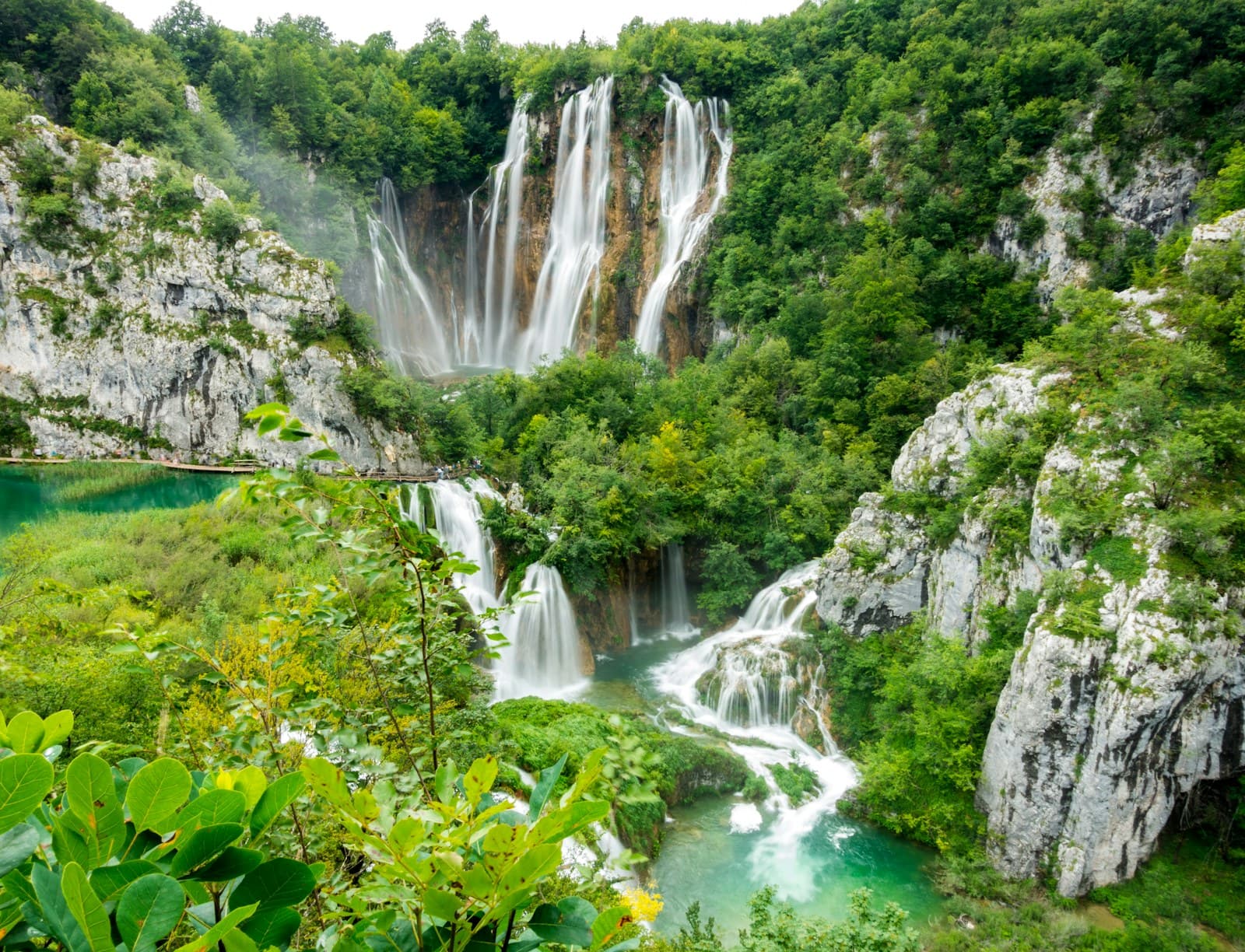
Zagreb, Plitvice, Samobor, Varaždin
Inland Croatia. Zagreb as base, day trip to Plitvice (2hr south), Samobor for weekend wine. Cooler year-round, snow in winter. Most travelers skip; the depth is in the hills.
Kvarner (Rijeka, Krk)
Rijeka, Opatija, Krk island, Cres
Between Istria and Dalmatia. Belle Époque Austro-Hungarian coastal towns (Opatija was the imperial getaway), large islands (Krk, Cres, Rab) reachable by bridge or short ferry. Often skipped — underrated.
Slavonia
Osijek, Vukovar, Đakovo, Kopački Rit
Far east, on the Danube and Drava plains. Wine country (Graševina, Frankovka), wetlands wildlife (Kopački Rit nature park), heavy WWII and Yugoslav-wars history. Slow-travel territory; no coast.
Inland mountains
Velebit, Risnjak, Paklenica climbing
The karst limestone mountains that run parallel to the coast. Paklenica is Europe's main winter rock-climbing destination (December–March); Velebit national park is the deepest trekking area. Day-trippable from Zadar.

 Food
Food