WePlanify logo
Country guide · Central America

Costa Rica
travel guide

Real Costa Rica travel guide for 2026: best season, volcanoes, rainforests, beaches, wildlife, honest budgets, cultural do's and don'ts.

North AmericaCRC60350 /day

Build your itinerary with your group — free, 30 seconds.

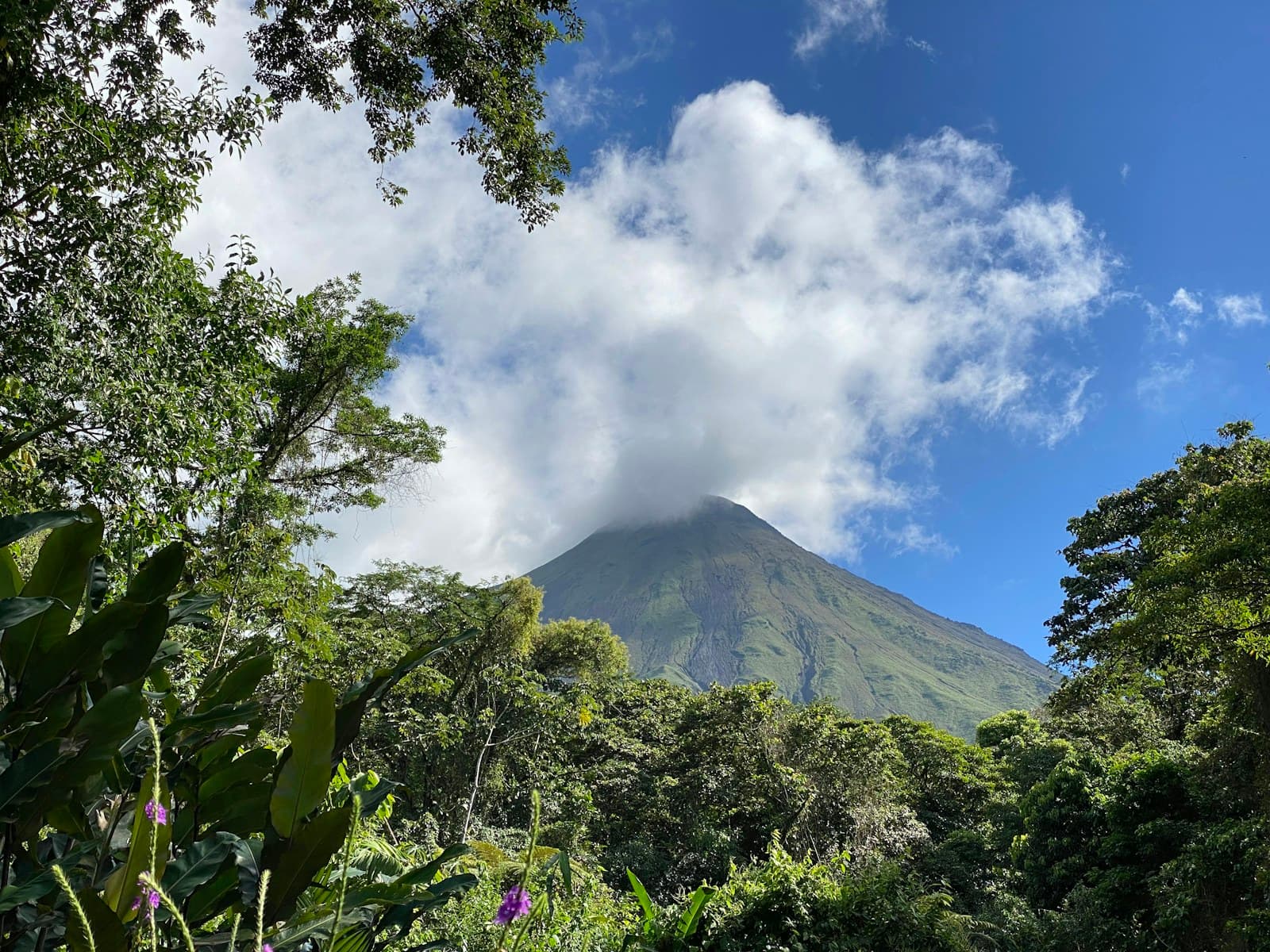
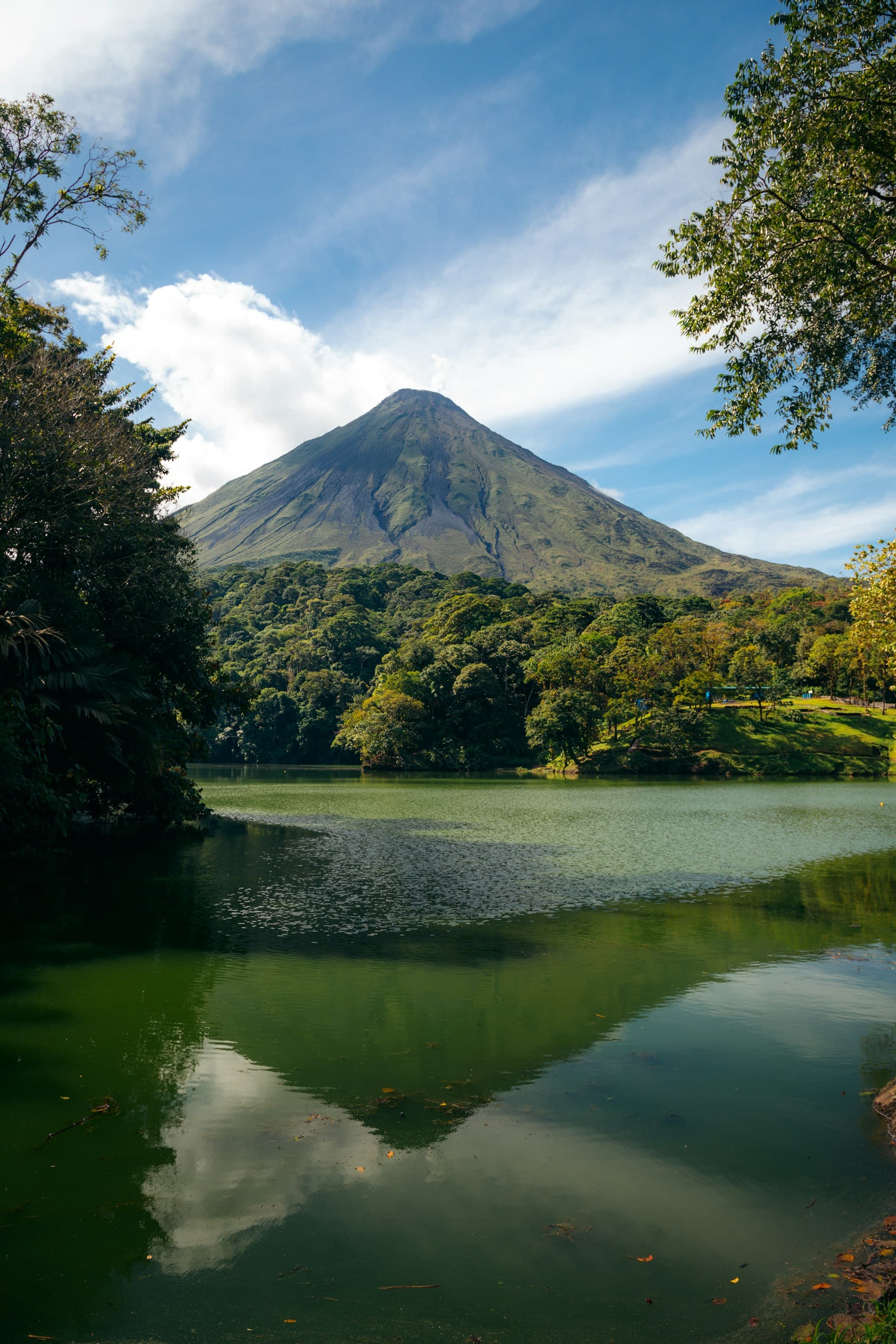
Arenal volcano rising above the rainforest in Costa Rica

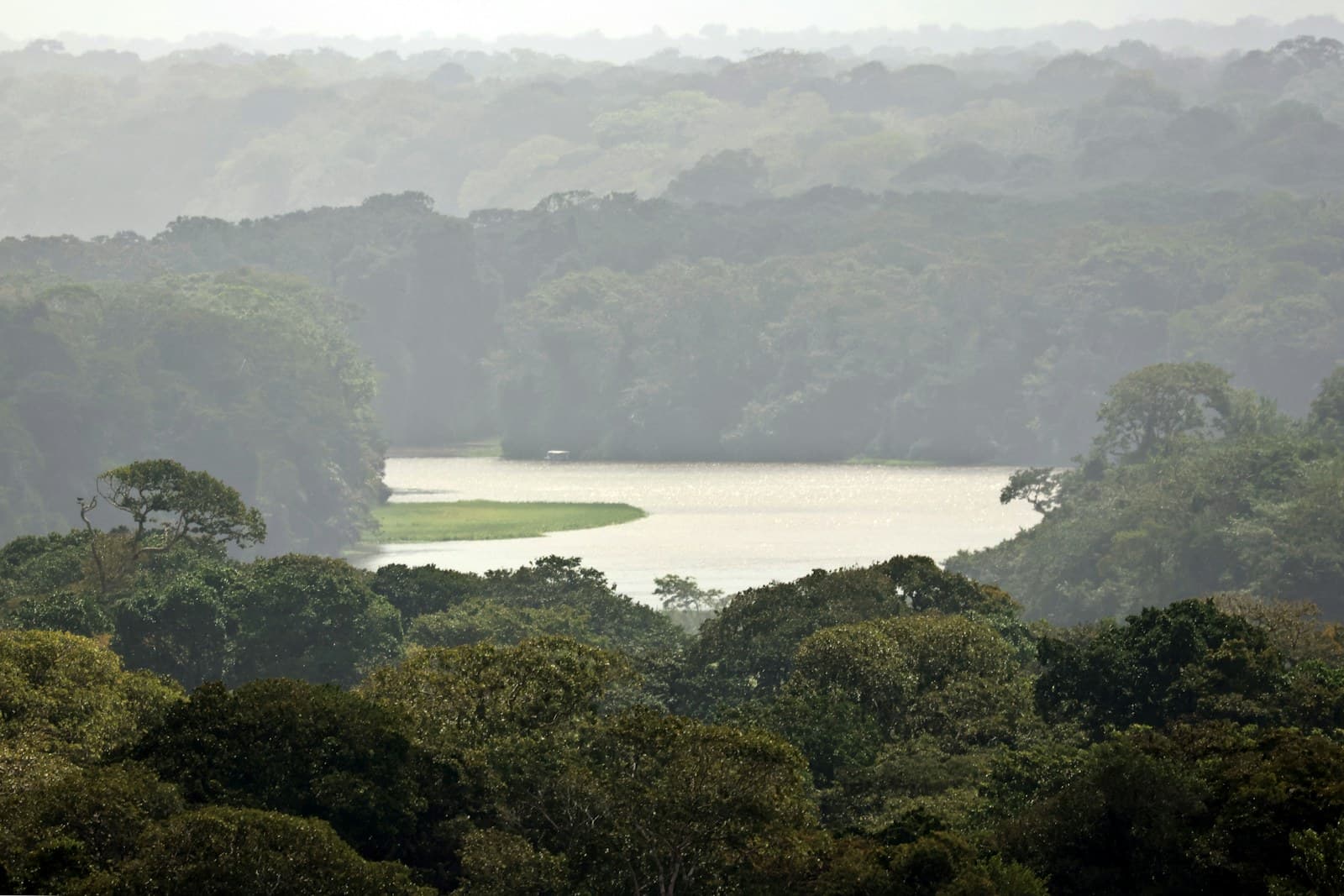
Costa Rica is the Central American country that abolished its army in 1948 and put the money into education and conservation. The result: 25% of the country is protected forest, 5% of the world's biodiversity on 0.03% of the land, and a tourism industry that genuinely works around the wildlife. 'Pura vida' is the national mantra — used as hello, goodbye, thanks, you're welcome, life is good.

First trip: Arenal (3 days) + Monteverde (2 days) + Manuel Antonio or Tamarindo (3 days). Second trip: Osa peninsula (Corcovado, the wildest rainforest), Caribbean coast (Cahuita, Puerto Viejo), Nicoya peninsula (the Blue Zone, Nosara surf).

Two things to know. The country is small but slow — only 320km tip-to-tip but the windy mountain roads mean Arenal to Monteverde is 4 hours despite being 60km apart as the crow flies. And the dry season (December–April) doubles the prices but actually has the best weather; green season (May–November) is rainier but cheaper, lusher, and wildlife is more active.

Quick facts

CapitalSan José
LanguageSpanish · English widely spoken in tourism
CurrencyCRC ₡
TimezoneCST (UTC-6) · no DST
PlugType A / B · 120V
DrivingRight
Visa

Visa-free up to 90 days for EU, UK, US, Canada, Australia passports. Onward ticket sometimes asked at immigration.

When to go

Three windows to know: best, shoulder, and the one to avoid.

Best window

December – April (dry)

Sunny, hot, the Pacific side is dry while the Caribbean stays humid. Prices peak in late December–February (Christmas, US winter break). Book accommodation 2–4 months ahead, especially Manuel Antonio and Arenal.

Shoulder

May · November

Light afternoon showers, lush green forests, prices drop 20–40%. Wildlife is more active in the rain. The sweet-spot months — green-season landscape at dry-season prices.

Avoid

September – October (peak rain)

Heaviest rain on the Pacific side. Some lodges close. Caribbean coast (Cahuita) is actually drier these months — unusual reverse pattern. Cheap if you can deal with daily downpours.

Must-see places

Spots that justify the trip on their own. Tap to open in Maps.

Arenal Volcano with rainforest
Alajuela

Arenal Volcano & La Fortuna

The perfect-cone volcano (last erupted 2010, dormant now) with hot springs at its base — Tabacón (luxury, €100+) or Free Hot Springs (the river behind Tabacón, free). La Fortuna town is the activity hub: hanging bridges, La Fortuna waterfall, white-water rafting.

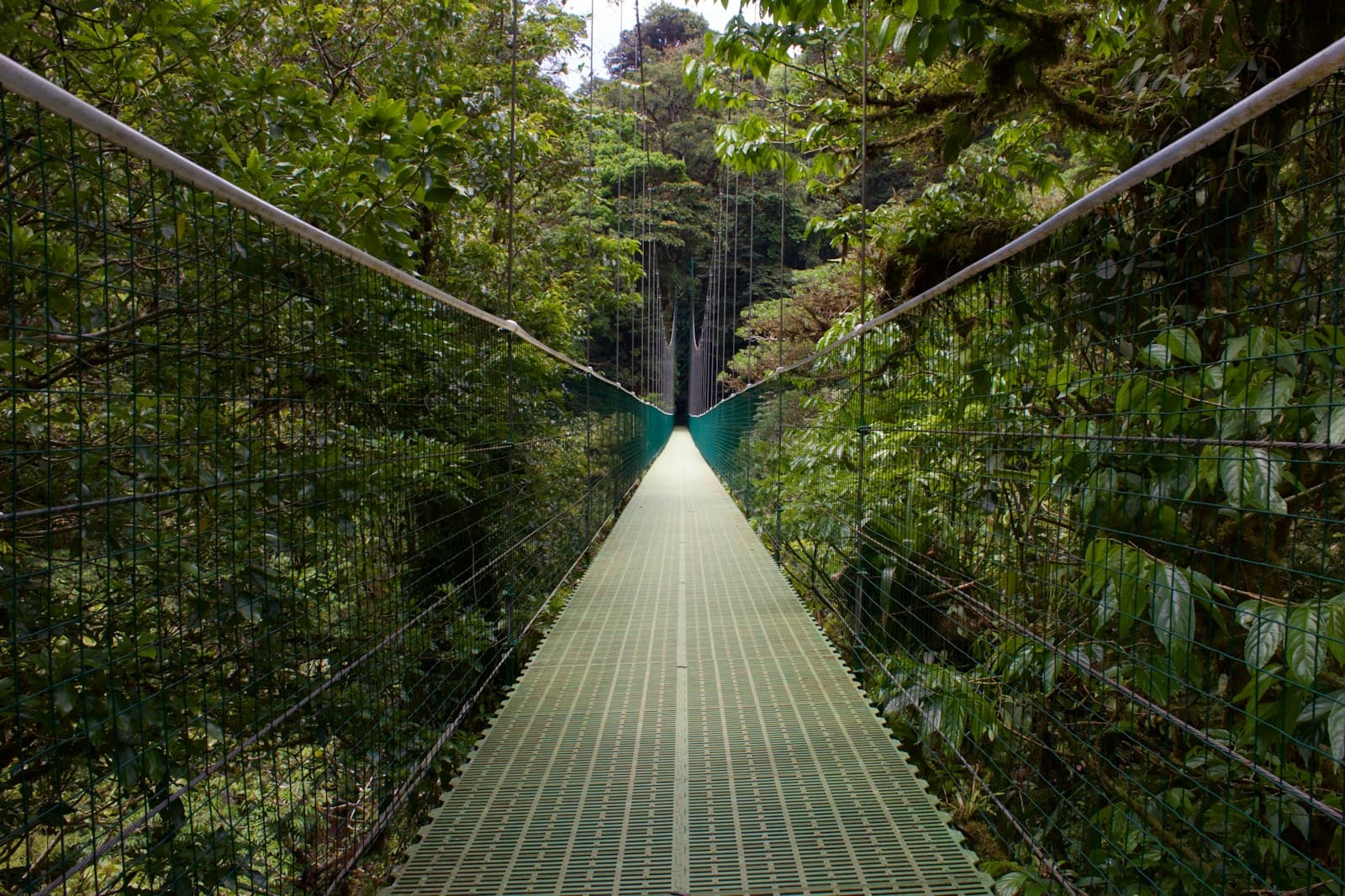
Hanging bridge in Monteverde cloud forest
Puntarenas

Monteverde Cloud Forest

A misty rainforest at 1,400m altitude — quetzals, hummingbirds, the resplendent quetzal (the bird that named the currency in Guatemala). Hanging-bridge canopy walks, zip-line tours. 4 hours from Arenal via the Lake Arenal road or 30 min by speedboat-jeep combo.

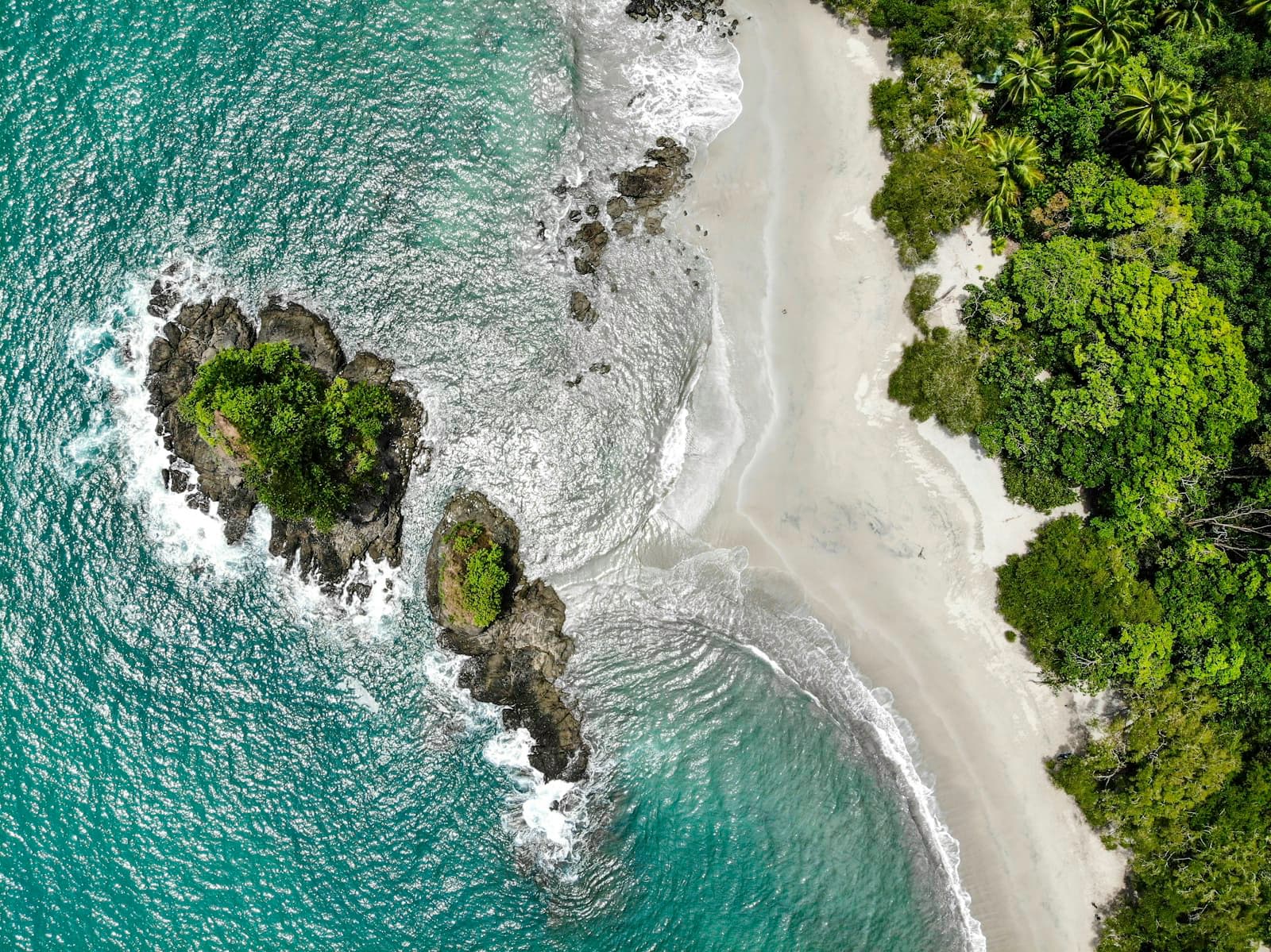
White sand beach at Manuel Antonio with palm trees
Puntarenas Pacific

Manuel Antonio National Park

Small but iconic Pacific-side park — white-sand beaches inside a jungle full of sloths, capuchin and squirrel monkeys, iguanas. The most-visited national park; arrive at opening (7am) to see wildlife before crowds. Tuesdays closed.

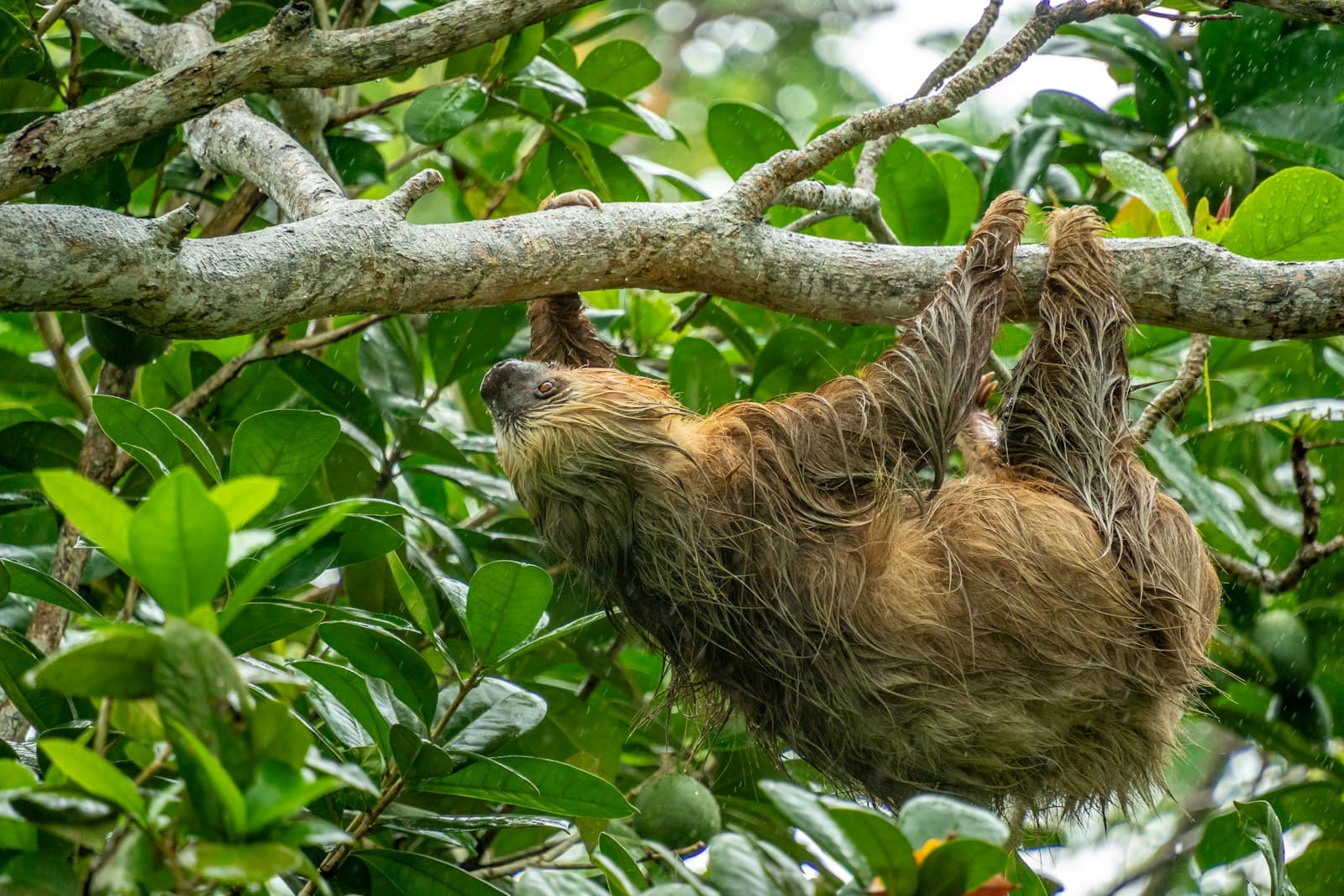
Three-toed sloth hanging in a Costa Rican tree
Whole country

Sloths & wildlife

Costa Rica has both two-toed and three-toed sloths, plus capuchin/howler/spider/squirrel monkeys, anteaters, peccaries, ocelots. The Sloth Sanctuary near Cahuita is a rescue centre with educational tours. Pretty much anywhere with rainforest, you'll see at least one sloth.

Jungle canals of Tortuguero National Park
Limón Caribbean

Tortuguero National Park

Caribbean-side canal-and-jungle park — accessible only by boat or small plane. Green sea turtles nest July–October (the name 'Tortuguero' means turtle catcher). Caimans, sloths, monkeys, the world's most accessible jaguar-watching after Pantanal. 3 days minimum.

Tamarindo beach with surfers and palms
Guanacaste

Tamarindo & Nicoya Pacific

The Pacific surf coast. Tamarindo for beginners + nightlife, Nosara for yoga + intermediate surf, Santa Teresa for the chill end-of-the-road vibe. 4-hour drive from San José; or fly into Liberia (LIR) which is 1 hour from the coast.

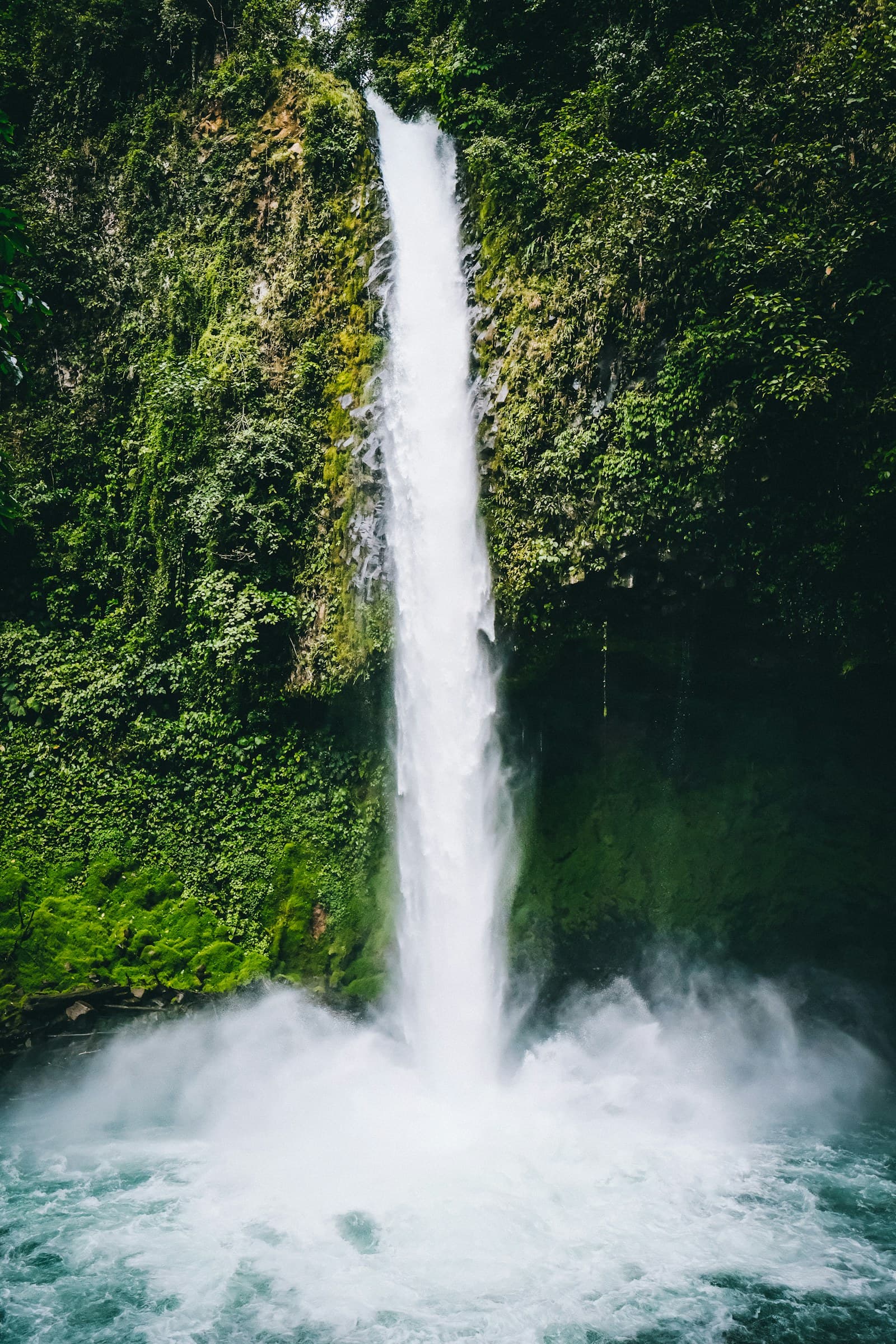
La Fortuna waterfall in Costa Rica rainforest
Alajuela

La Fortuna Waterfall & Rio Celeste

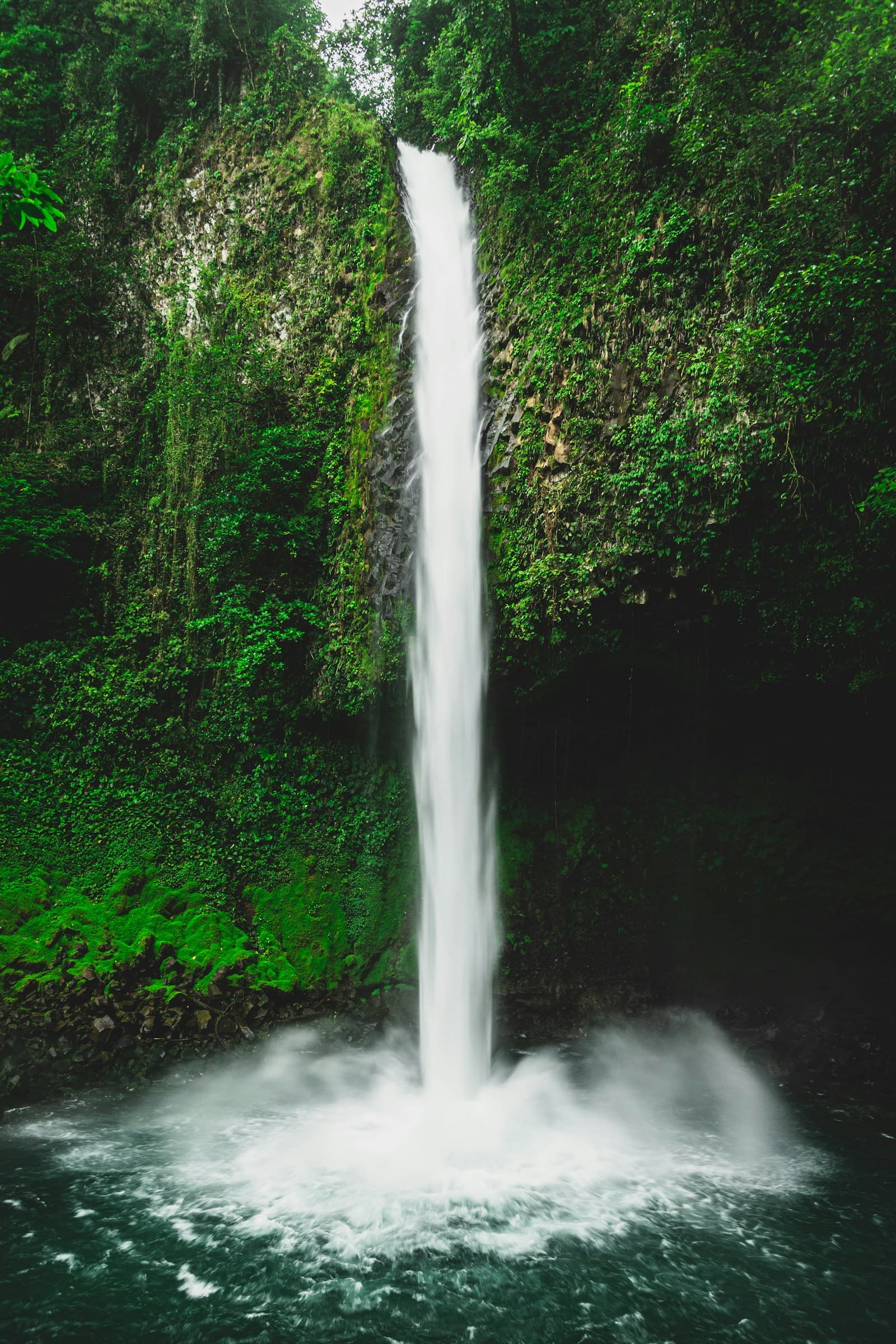
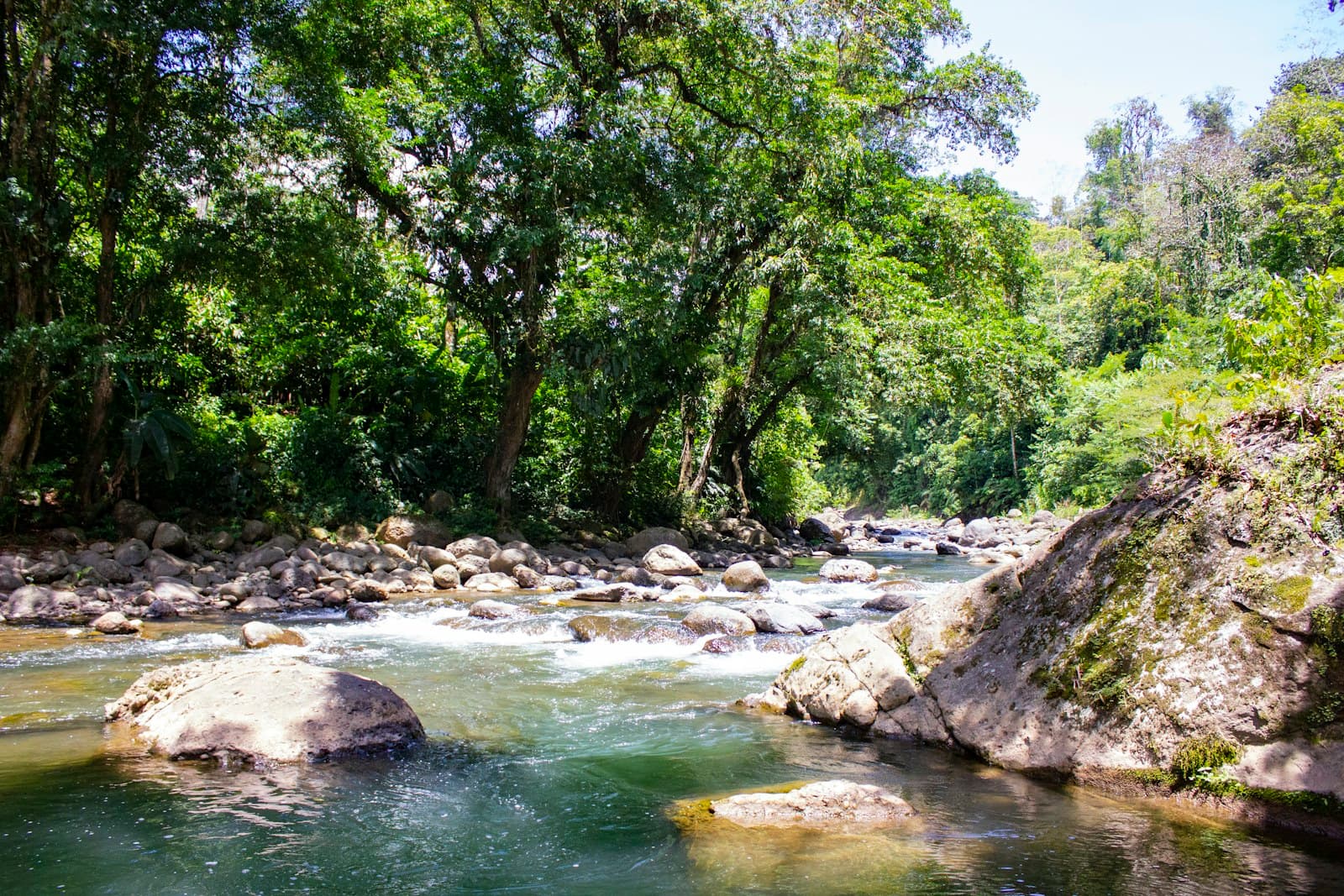
La Fortuna Waterfall is a 75m drop in primary rainforest — climb down 500 steps for the swimming hole. Rio Celeste (1.5hr north) is a sky-blue river caused by volcanic minerals merging two clear streams. Both stunning, both better in dry season.

Dense rainforest of Corcovado National Park
Puntarenas south

Corcovado (Osa Peninsula)

National Geographic called it 'the most biologically intense place on earth'. The wildest jungle in Central America — jaguars, tapirs, all four monkey species, scarlet macaws. Mandatory guide. Get there via Drake Bay or Puerto Jiménez; small-plane flight from San José is the smart play.

Turquoise crater lake of Poás Volcano
Alajuela

Poás Volcano

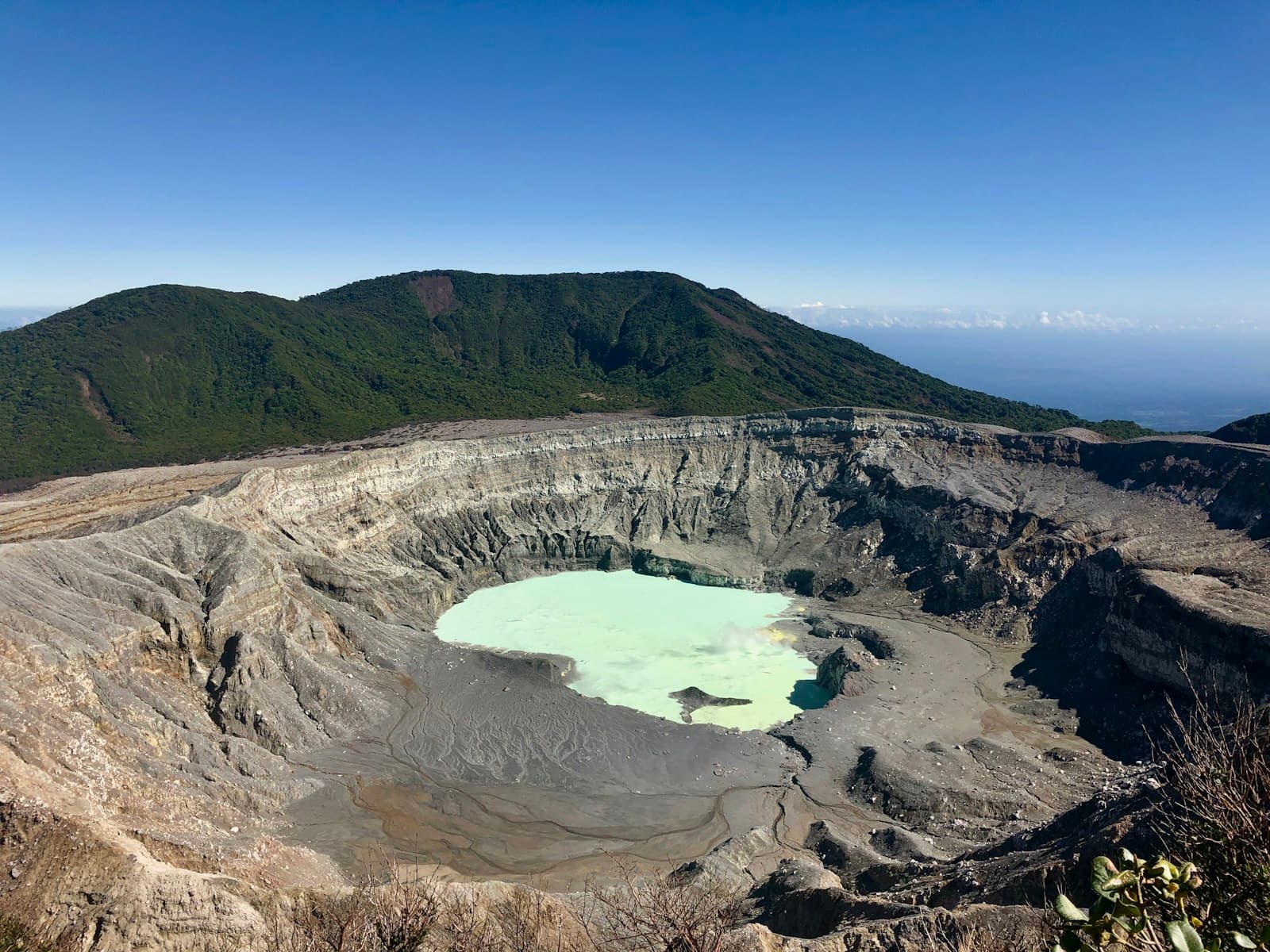
The most accessible active volcano — 1 hour from San José, drive almost to the crater rim (320m wide, 300m deep, turquoise sulfurous lake). Visits limited to 20 minutes due to gas levels; closes during eruption cycles. Pair with the Doka coffee plantation tour below.

Caribbean coast beach with palm trees in Costa Rica
Limón

Caribbean coast (Puerto Viejo)

Costa Rica's Afro-Caribbean side — reggae, rondón fish stew, jerk chicken. Puerto Viejo de Talamanca beach village + Cahuita National Park (free entry, sloths and monkeys). Cooler vibe than the Pacific. Dryer in September-October than the rest of the country.

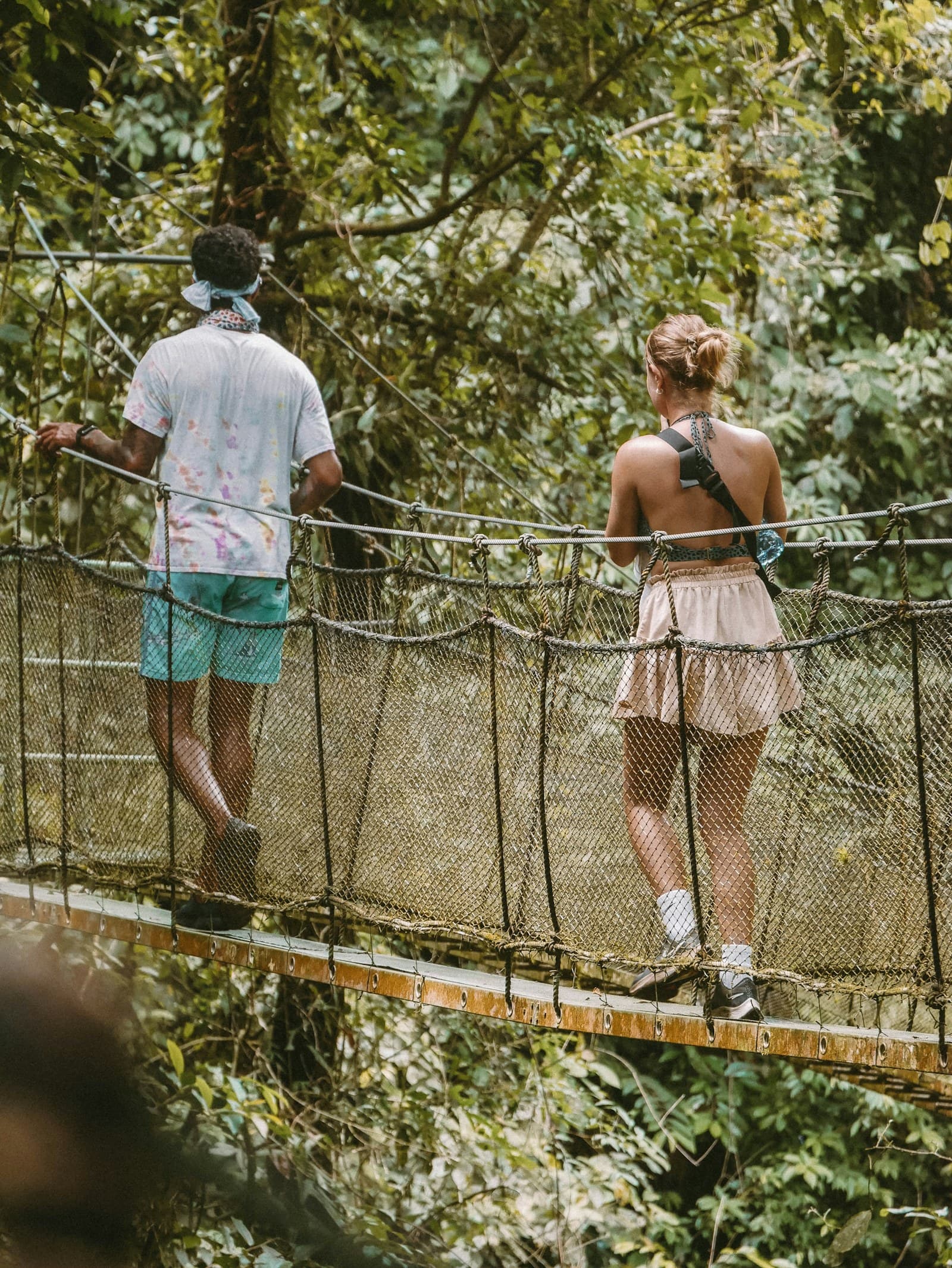
Suspended bridge over rainforest canopy in Costa Rica
Multiple regions

Hanging bridges & canopy

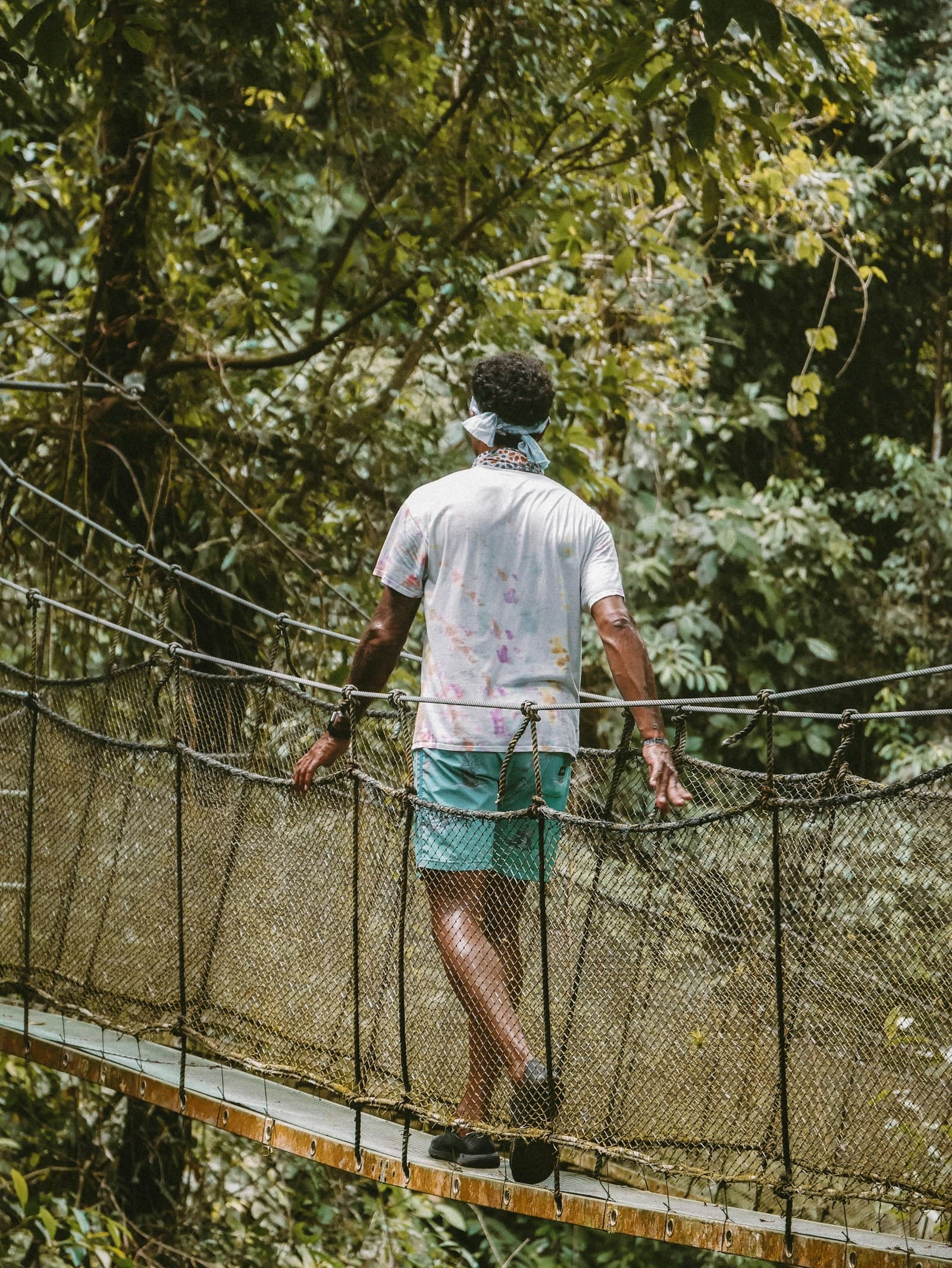
Suspension bridges over the rainforest canopy — Mistico Hanging Bridges (Arenal) is the original, Selvatura Park (Monteverde) is the longest. Walk it slowly: you'll see things from 30m up you'd never see from the ground. Half-day, €30–50.

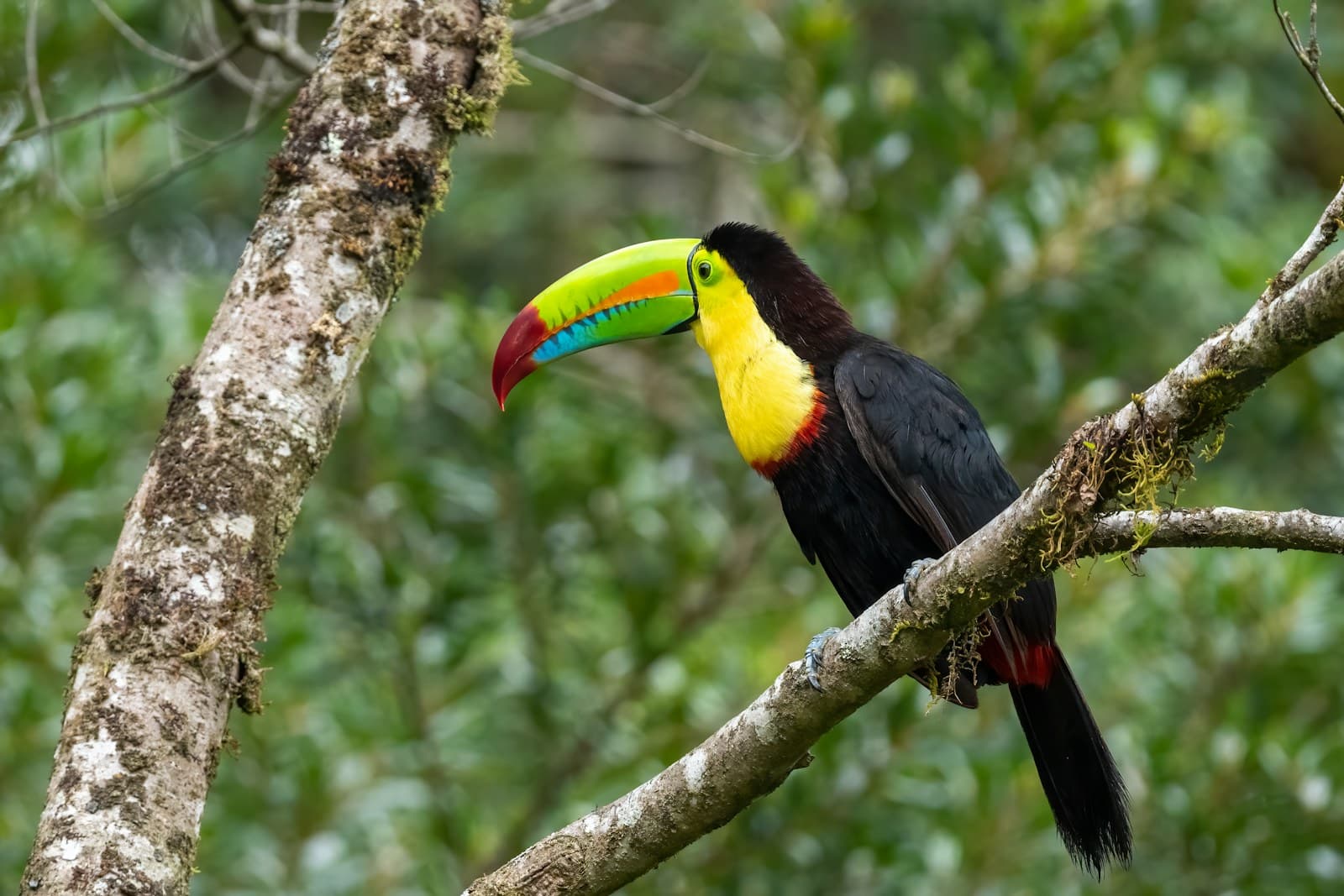
Keel-billed toucan in Costa Rica rainforest
Cloud forest + lowlands

Birdwatching (toucans, quetzals)

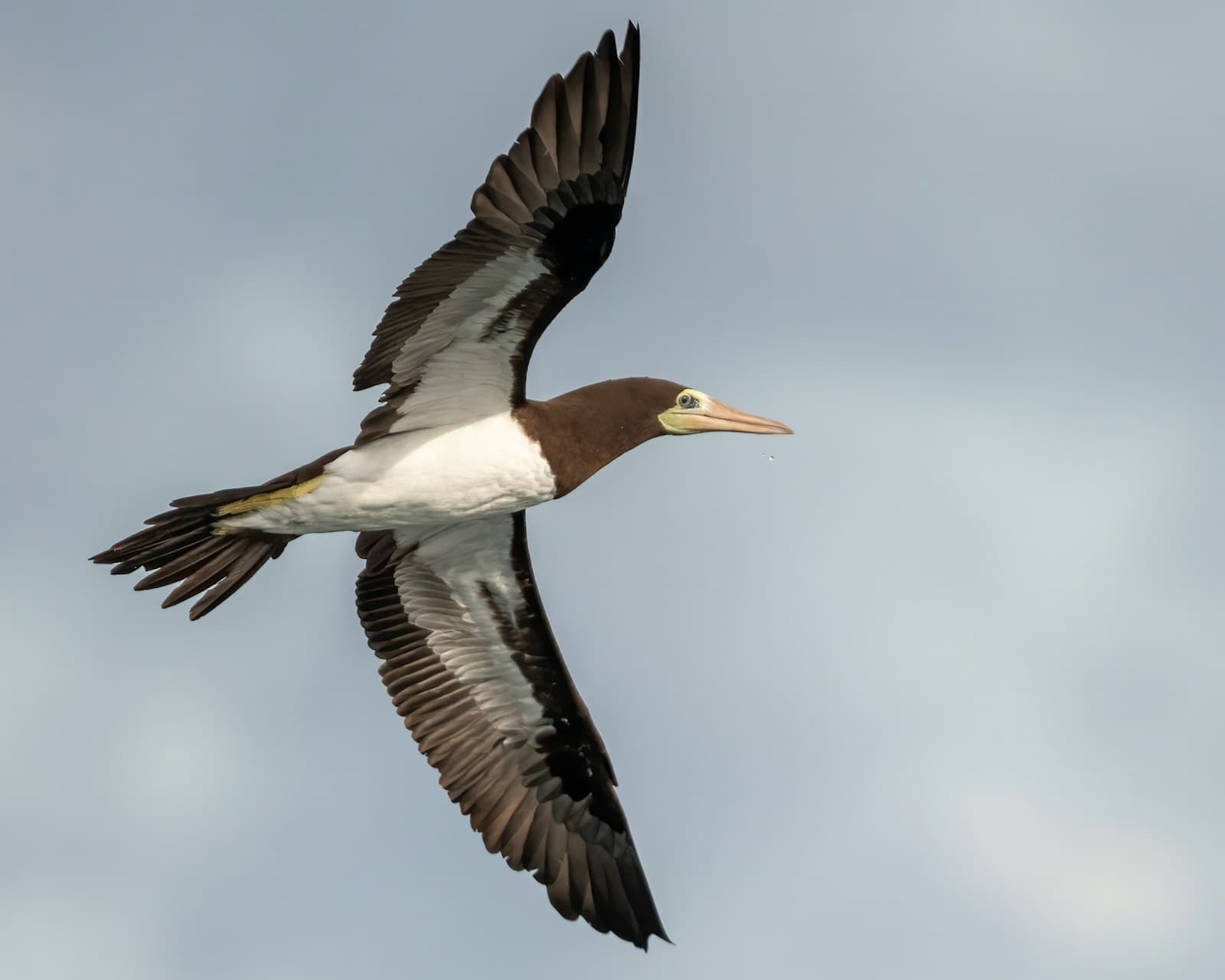
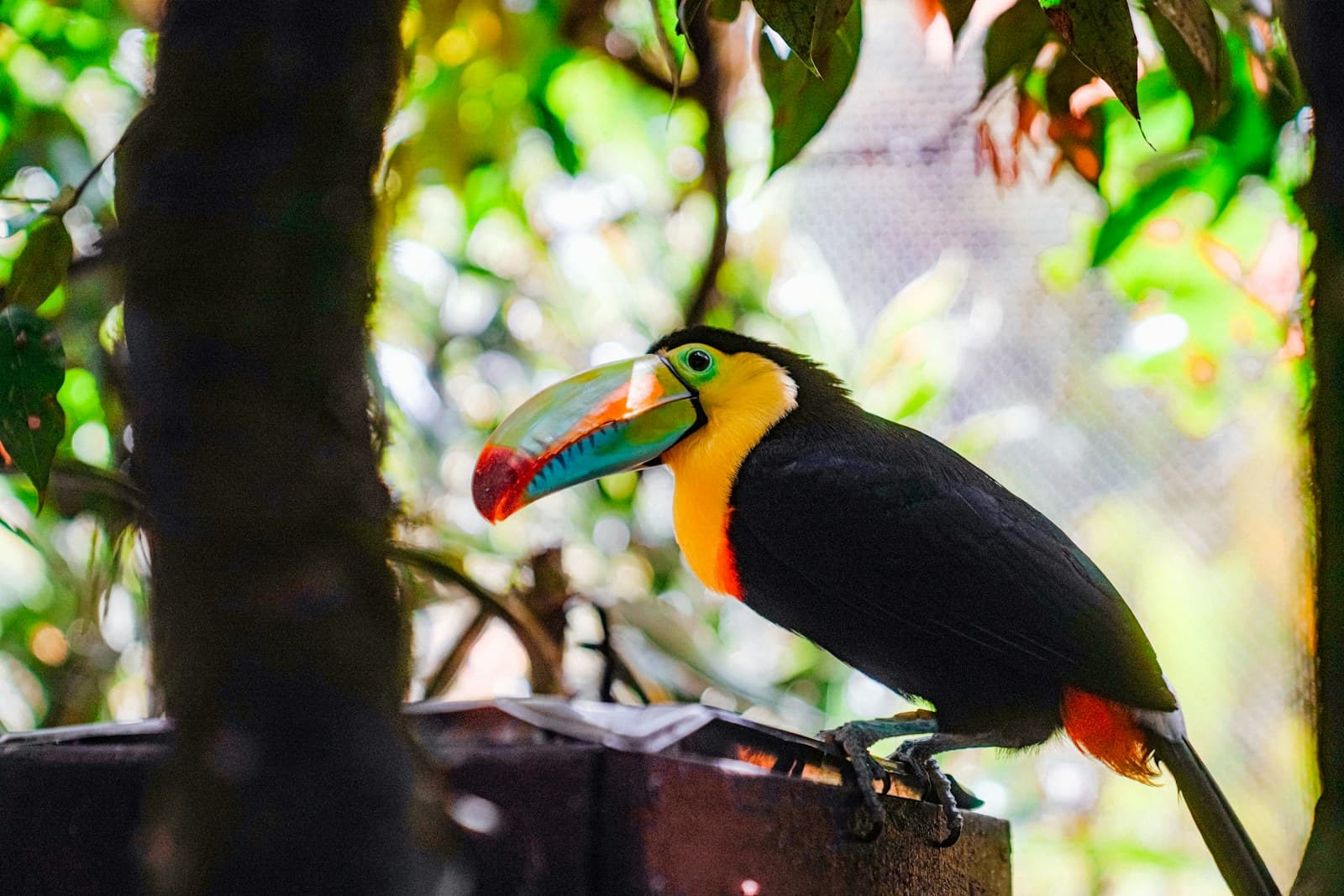
900+ bird species — more than US + Canada combined. The resplendent quetzal is the bucket-list bird (Monteverde and San Gerardo de Dota, dry season). Toucans (keel-billed, chestnut-mandibled) are common across all lowland forest. Bring binoculars; guides spot 3x what you would.

Specialties worth trying

Food, drinks, and experiences this country does better than anywhere else.

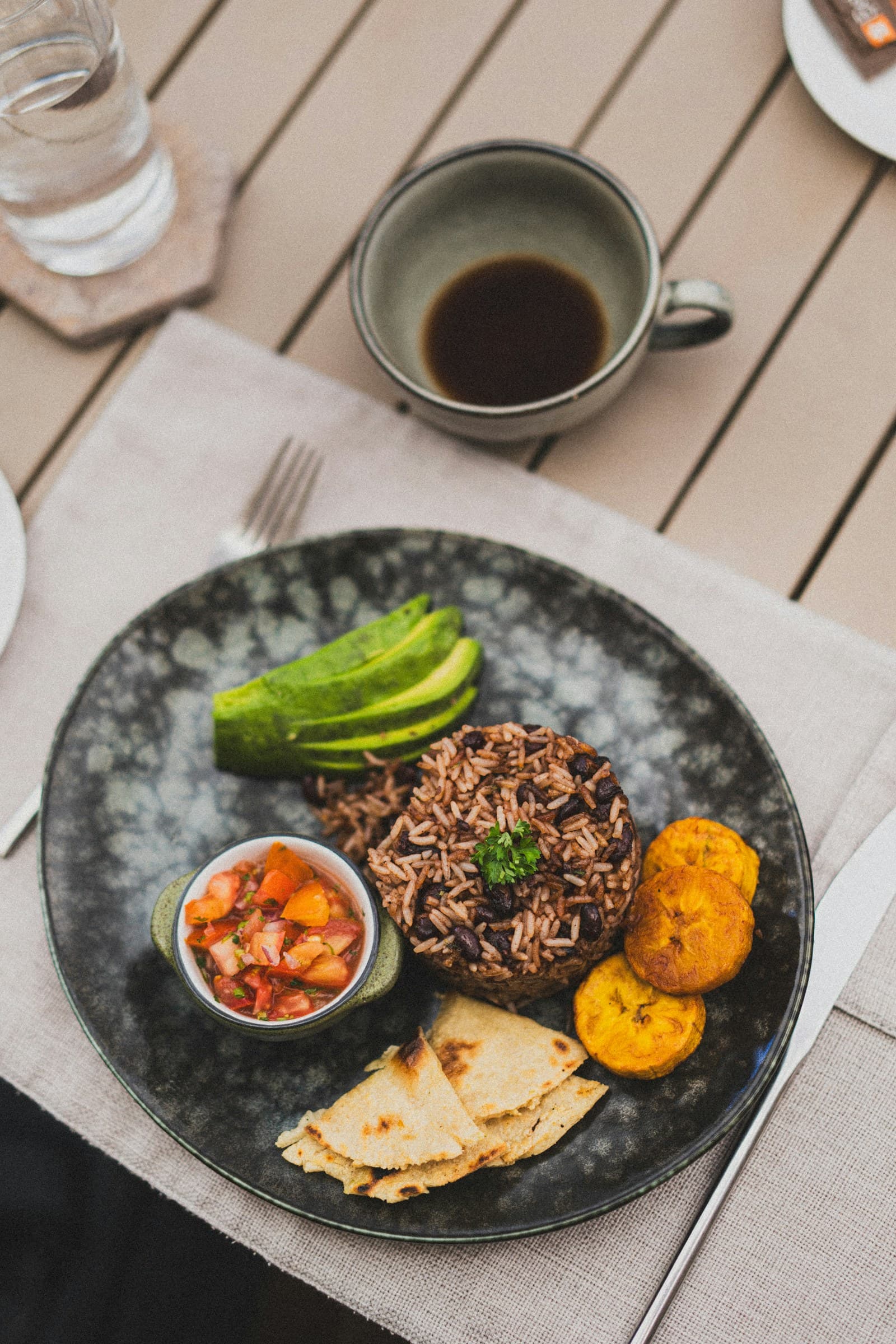
Gallo pinto with fried eggs and plantainFood

Gallo pinto

Rice + black beans + onions + cilantro + Salsa Lizano (the national condiment) — eaten for breakfast with eggs, cheese, sour cream, and fried plantain. The casado lunch plate is similar (with meat + salad). Costa Rican comfort food, €4–6 anywhere.

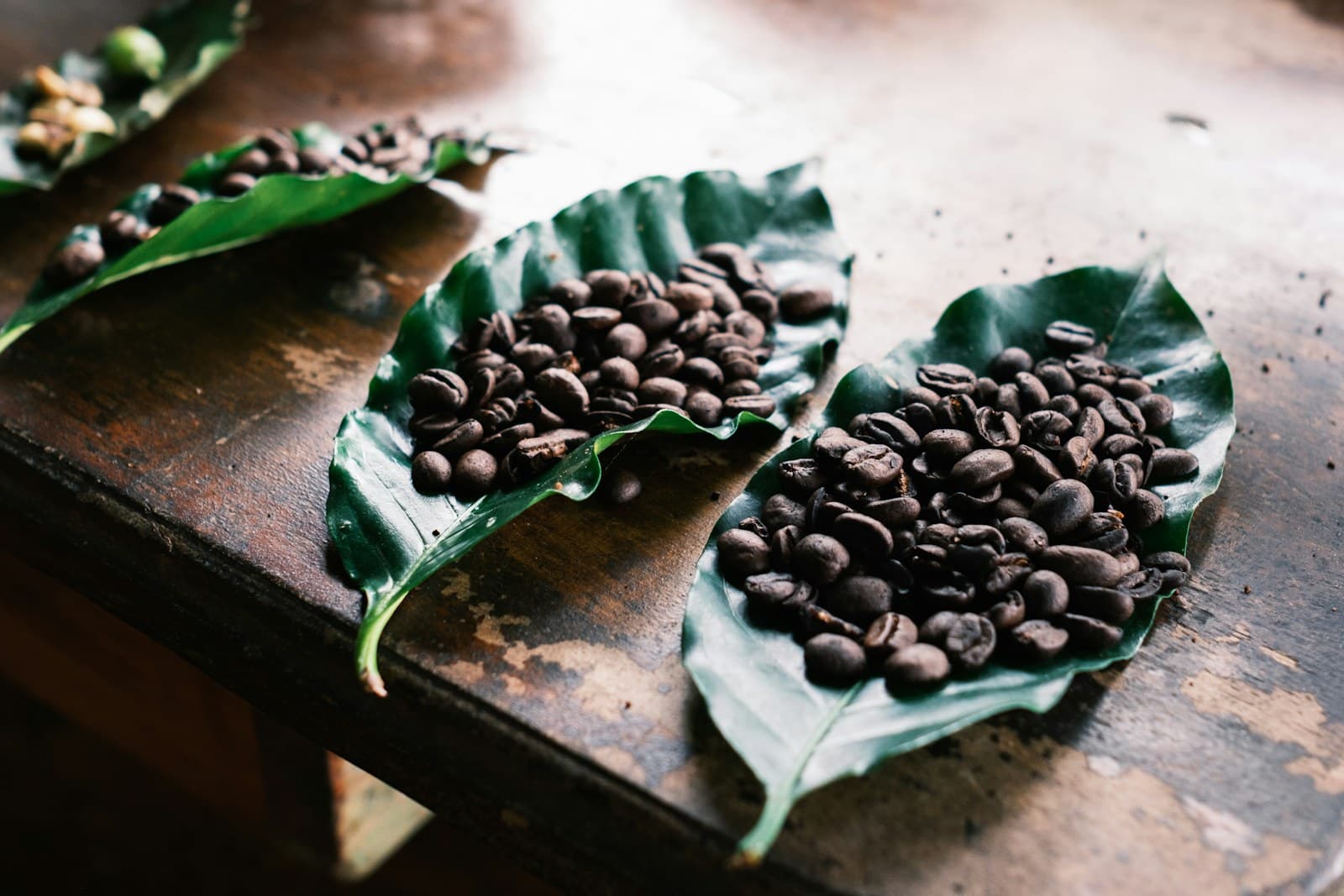
Costa Rican coffee plantation beansDrink

Costa Rican coffee

Volcanic-soil arabica from the Central Valley (Tarrazú is the premium region). Plantation tours (Doka, Britt, Hacienda Alsacia) walk you through bean-to-cup for €30. Coffee comes in a chorreador (cloth filter) — sweet, smooth, never bitter.

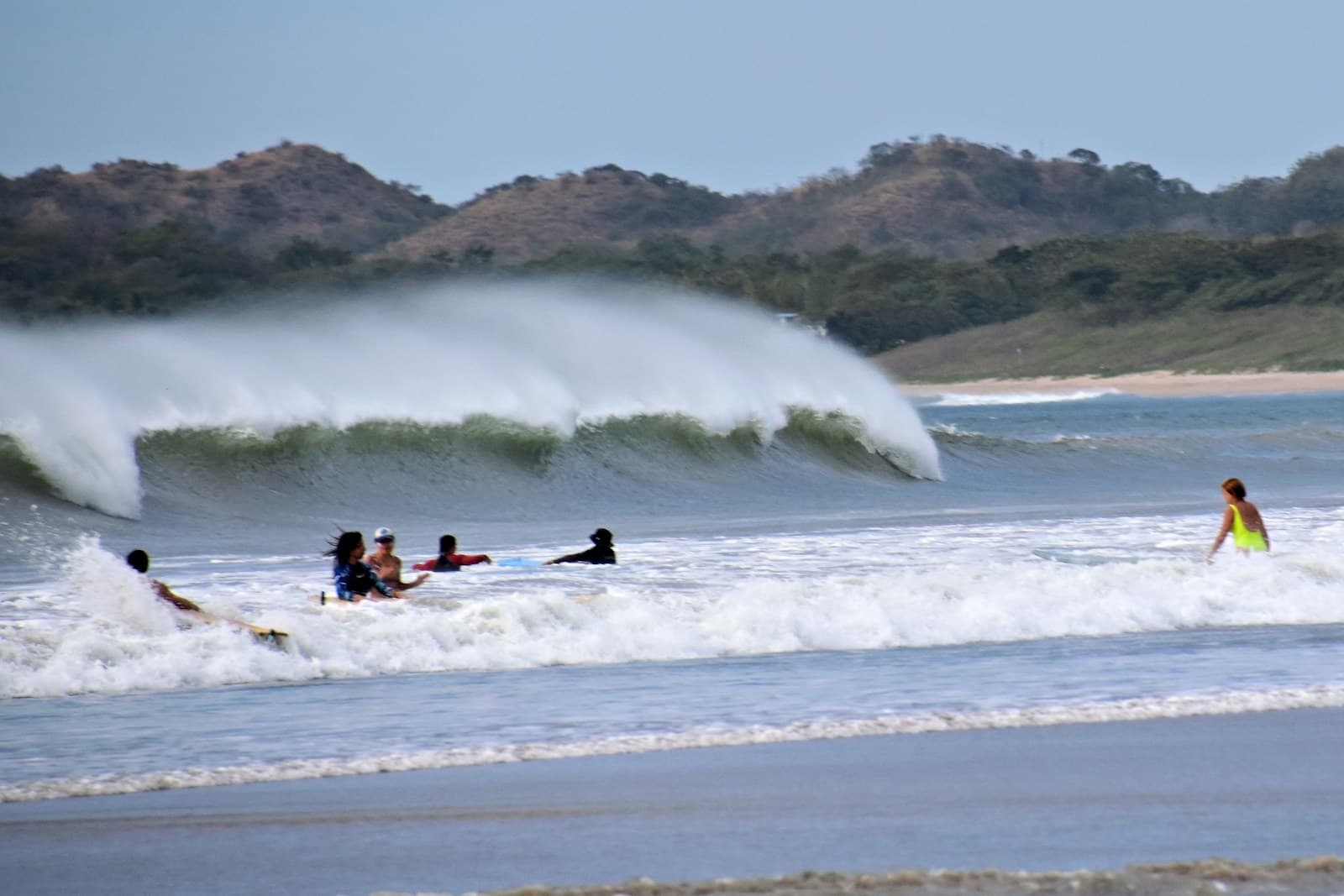
Surfer on a Costa Rican Pacific beachExperience

Pacific surf

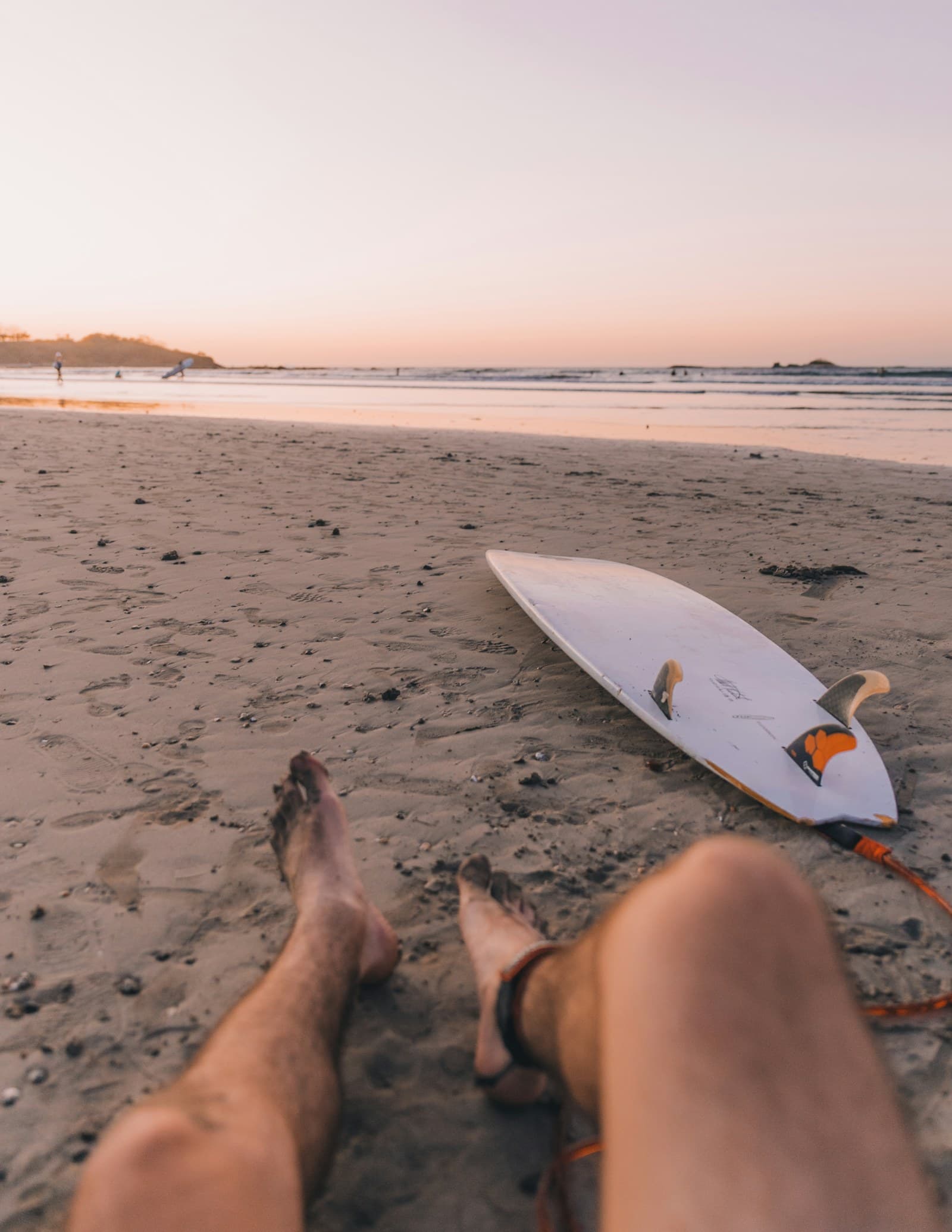
Year-round, beginner-to-expert. Tamarindo for lessons, Playa Avellanas for intermediate point breaks, Playa Hermosa (Jacó) for advanced, Witch's Rock (Ollie's Point, only by boat) for the legends. Group lessons €40–60, board rental €15/day.

Canopy walkway in Costa Rica rainforestExperience

Zipline & canopy

Costa Rica invented commercial zip-line tourism in 1994. Modern courses have 8–12 cables totaling 2–5km, some 200m above the canopy. Monteverde, Arenal, Manuel Antonio all have multiple operators (€60–100). Mistico, Sky Adventures, Selvatura are well-rated.

Quetzal in a Costa Rican cloud forest treeExperience

Hot springs

Volcanic activity = free hot springs everywhere. La Fortuna (Arenal area) has Tabacón (luxury) and free riverside hot springs (just behind it). Rincón de la Vieja (north Pacific) has rough wild springs. The thermal-spa-and-cocktail experience or the wade-into-jungle-river version — both excellent.

Tropical beach with palms on the Costa Rican coastExperience

Pura vida culture

More than a slogan — Costa Rica is the 'happiest country on earth' in repeat Gallup polls, has the world's longest-living men (Nicoya peninsula is one of five Blue Zones). The vibe is low-stress, take-your-time, no military, no income tax. Lean into it.

Sky-blue Rio Celeste waterfall in TenorioExperience

Rio Celeste & natural blues

The Rio Celeste's sky-blue color comes from volcanic aluminosilicates that scatter light — National Geographic-level phenomenon. Tenorio National Park, 2hr from La Fortuna. The waterfall at the source of the color is the postcard. Best after rainless days; muddy after storms.

Regions to know

To frame your trip by what you have time for and what you're after.

Central Valley & San José

San José, Poás, Irazú, Doka coffee tour

Where you land (SJO airport) and not much else. Poás volcano is 1hr north, Doka coffee is on the way. San José city has the Pre-Columbian Gold Museum but isn't a destination — most travelers leave for Arenal or the coast within hours.

Arenal & northern lowlands

Arenal Volcano, La Fortuna, Caño Negro wetlands

The activity capital — volcano + hot springs + waterfalls + zip-lines + hanging bridges + rafting. La Fortuna town has the densest concentration. 3 days minimum.

Monteverde & cloud forests

Monteverde Cloud Forest, Santa Elena, hummingbirds

High-altitude misty forests, cooler temperatures (15–22°C), best birding. The road from Arenal is famously rough (3–4 hours of dirt road); some take the boat-jeep-boat shortcut. 2 days is right.

Pacific Coast (Manuel Antonio, Nicoya)

Manuel Antonio, Jacó, Tamarindo, Nosara, Santa Teresa

The beach circuit. Manuel Antonio for the postcard small park + beach. Nicoya peninsula for surf and Blue-Zone-yoga vibe. Liberia airport (LIR) is the gateway for Guanacaste; SJO works for Manuel Antonio.

Caribbean coast (Limón)

Tortuguero, Cahuita, Puerto Viejo, Manzanillo

Afro-Caribbean culture, reggae, slower pace, jerk chicken and rondón stew. Tortuguero north for turtle nesting; Cahuita and Puerto Viejo south for beach-town reggae vibe. Different country, basically.

Osa Peninsula (Corcovado)

Corcovado, Drake Bay, Puerto Jiménez, Cocos Island offshore

The wildest part of the country — primary rainforest, all four monkey species, scarlet macaws, the elusive jaguar. Hard to reach (small plane from SJO recommended), expensive lodges, mandatory guides in Corcovado. Worth the effort for a second trip.

Suggested itineraries

Three lengths, depending on time. Fork any of them into WePlanify.

7d

Classic loop — 7 days

Arenal + Manuel Antonio + day trip to a coffee plantation.

  • Day 1: Arrive SJO, drive to La Fortuna
  • Day 2–3: Arenal (volcano, hot springs, hanging bridges, La Fortuna falls)
  • Day 4: Drive to Manuel Antonio (5hr)
  • Day 5–6: Manuel Antonio (park + beach)
  • Day 7: Drive back, fly home
10d

Volcanoes + cloud forest + coast — 10 days

Add Monteverde for the highland piece.

  • Day 1: SJO → La Fortuna
  • Day 2–4: Arenal
  • Day 5: Drive to Monteverde
  • Day 6–7: Monteverde (hanging bridges, zip-line, quetzal hunt)
  • Day 8: Drive to Manuel Antonio
  • Day 9–10: Manuel Antonio + back to SJO
14d

Both coasts — 14 days

Add the Caribbean side. Different vibe entirely.

  • Day 1: SJO + Poás Volcano
  • Day 2–4: Arenal
  • Day 5–6: Monteverde
  • Day 7–8: Manuel Antonio
  • Day 9–10: Nicoya peninsula surf town
  • Day 11–13: Caribbean side — Tortuguero + Puerto Viejo
  • Day 14: Back to SJO, fly home

Daily budget

Per person, excluding flights. Three comfort tiers.

Backpacker
60/day

Hostel dorm or basic cabina (€20), soda lunches + market dinners (€15), buses + shared shuttles (€15), one paid activity (€10). Costa Rica isn't cheap by Central American standards — it's the most expensive country in the region.

Mid-range
150/day

Eco-lodge or 3-star with breakfast (€90), one sit-down dinner + casual lunch (€30), rental car or private shuttle (€20), entries and activities (€10). The right tier — eco-lodges are part of the experience.

Comfortable
350/day

Luxury eco-lodge with private guide (€220), fine-dining or chef-prepared meal (€80), 4x4 rental + transfers (€30), private nature guide (€20). Honeymoon and Pacific-resort tier.

Per person, excluding international flights. The country uses both colones and US dollars interchangeably — tourist places quote in USD. Tip 10% at restaurants (usually included as 'servicio' on the bill, so an additional tip is optional). Cards work in most places; cash for small soda restaurants and rural areas.

Cultural do's & don'ts

Small moves that matter — and the ones that make everyone uncomfortable.

  • Rent a 4x4 if you're going beyond Arenal and Manuel Antonio. Many smaller roads and beach access tracks need clearance and traction. Insurance is mandatory through the rental — full coverage is around €25/day extra and worth it on Costa Rica's pothole-ridden roads.

  • Book Manuel Antonio National Park tickets online — they cap daily visitors. Same for Corcovado (mandatory guide + permit). Arenal, Monteverde, and Tortuguero don't require advance tickets, but lodge accommodation should be booked 2–4 months ahead in dry season.

  • Don't feed monkeys or any wildlife. Tourists who feed capuchins make them aggressive and they're now banned from many beaches. Fines exist for park visitors caught feeding animals — and the monkeys carry diseases anyway.

  • Drive only in daylight when possible. Mountain roads, no streetlights, poor signage, wandering wildlife (and farm animals). Arrival at your lodge by 5pm is the rule for first-time visitors.

  • Don't visit during US winter break (Dec 20 – Jan 5) unless you've booked 6 months ahead. Prices double, the best lodges sell out, restaurants are packed. Same for Easter week (Semana Santa).

  • Drink tap water in cities and most towns. Costa Rica has Latin America's best municipal water. Be careful in remote rural areas (Osa, Caribbean coast); bottled water there.

  • Pack quick-dry clothes and rain gear regardless of season. Even dry season has 20-minute downpours; green season is daily. Hiking sandals (Tevas, Chacos) are the universal Costa Rica shoe.

  • Don't underestimate the heat in lowlands (32–35°C + humidity). Cloud forest stays cool (15–22°C); beach Pacific lowlands and the Caribbean are brutal midday. Plan activities for dawn and late afternoon.

Plan your Costa Rica trip with your crew

Bring this guide into WePlanify, invite the group, and build the trip together. Shared map, polls, shared budget — all free.