WePlanify logo
Country guide · Europe

Croatia
travelGuideCountry.hero.titleSuffix

Real Croatia travel guide for 2026: best season, Dubrovnik to Istria, regional food, honest budgets, cultural do's and don'ts.

EuropeEUR80360travelGuideCountry.hero.perDay

travelGuideCountry.hero.ctaNote

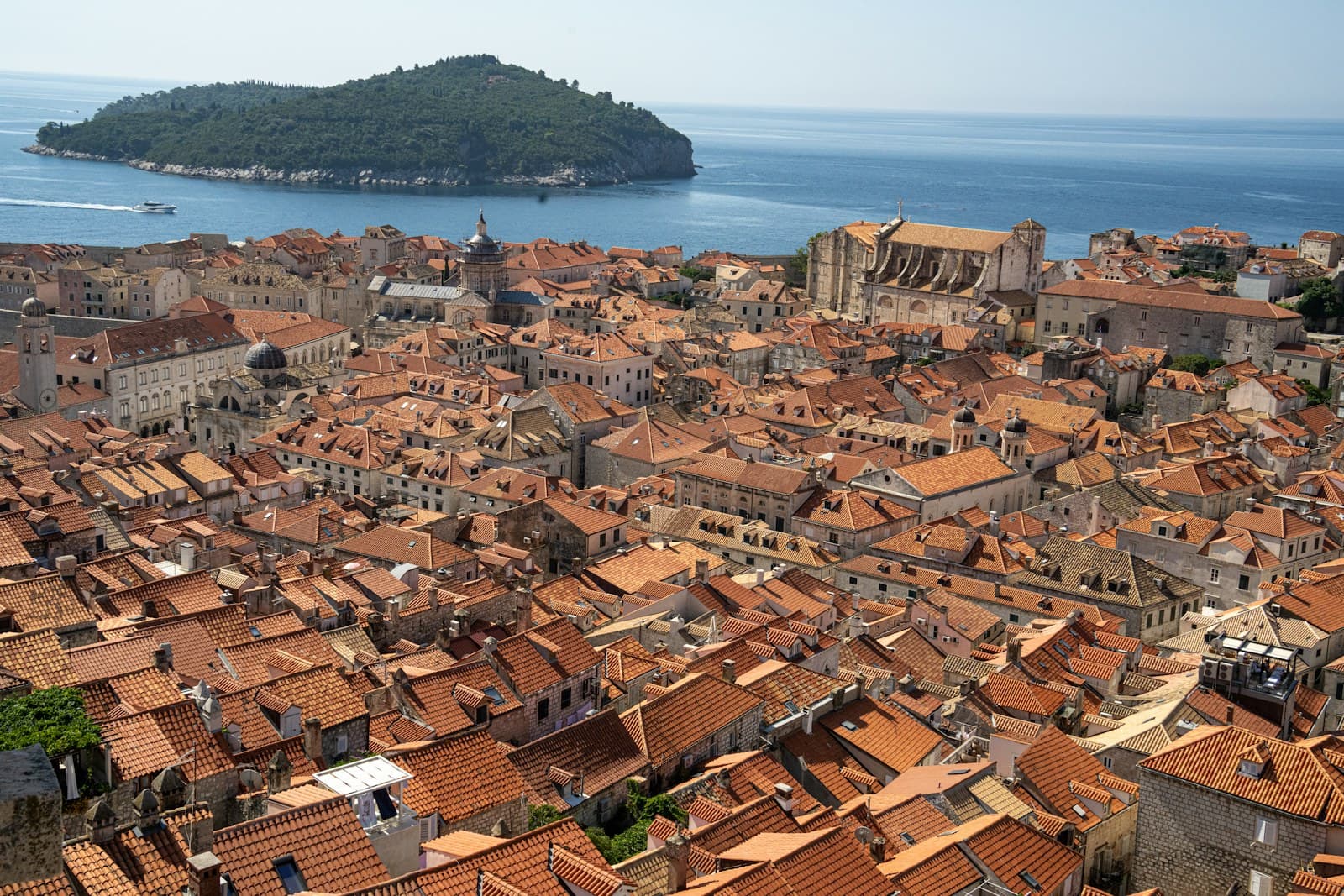
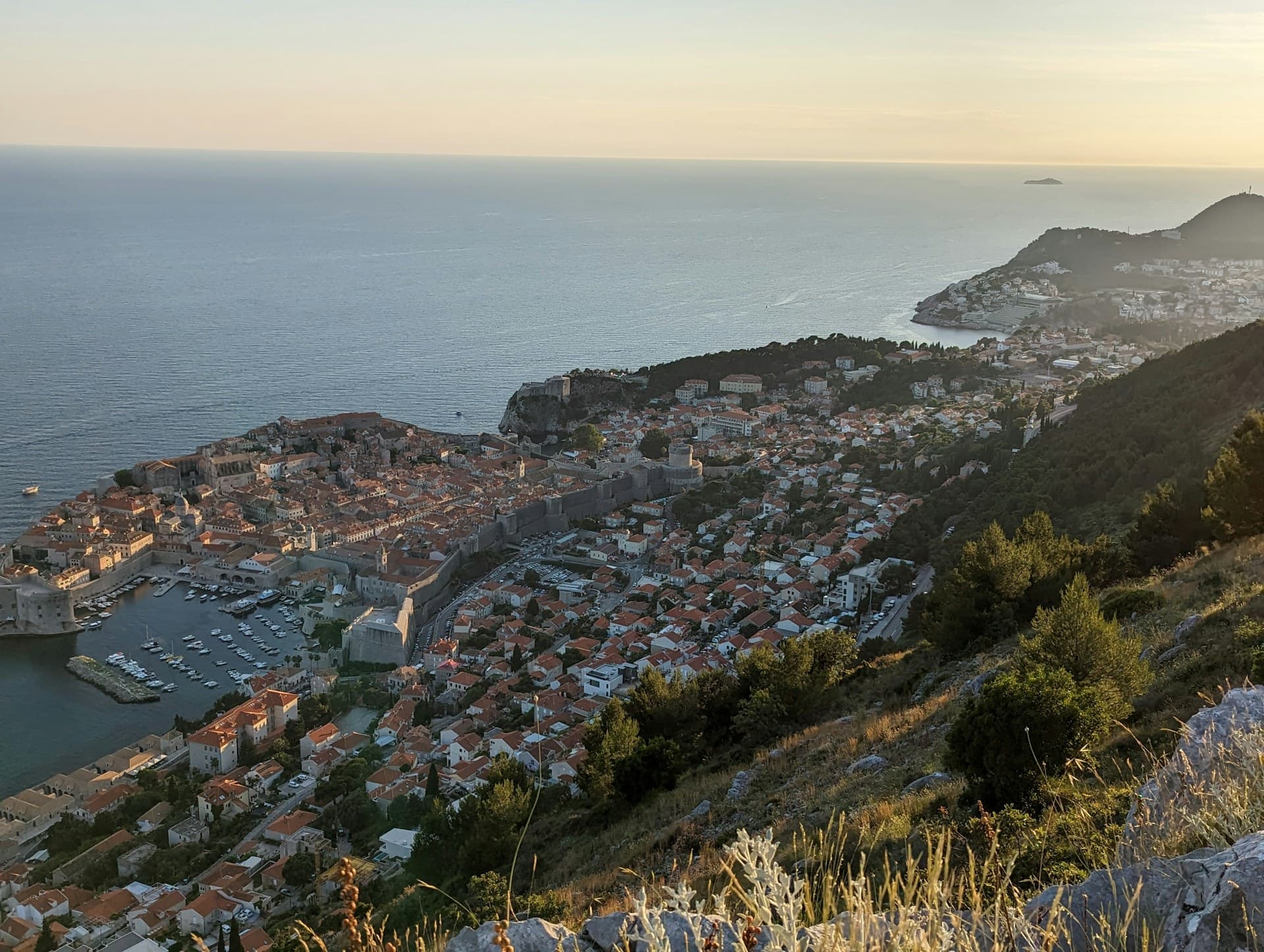
Dubrovnik's terracotta-roofed old town from above

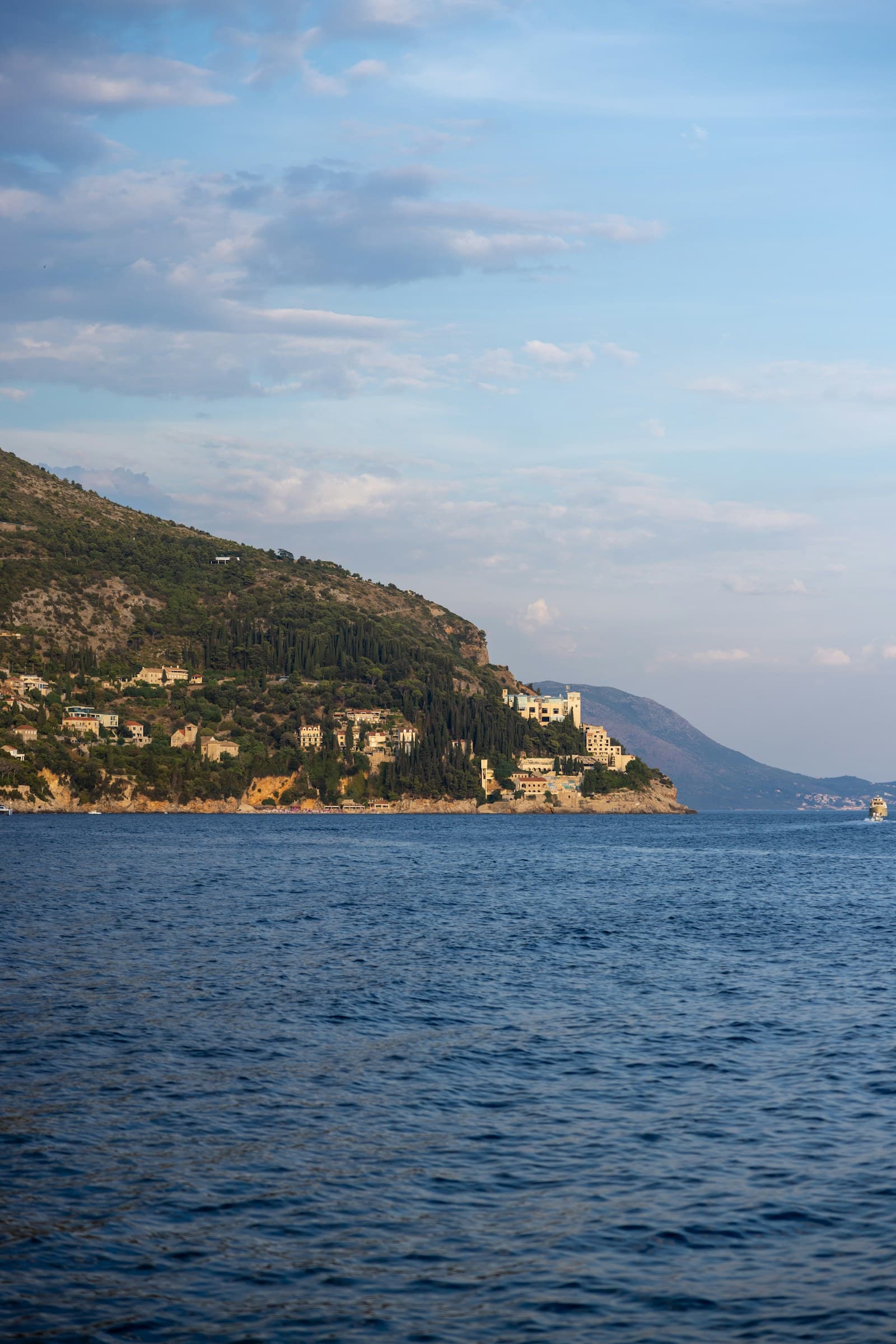
Croatia is 1,800km of Adriatic coastline + 1,200 islands + national parks of impossible green and turquoise. It's the most Mediterranean country no one expected — Italian-influenced food, Slavic stubbornness, prices that used to be cheap and are now European. Game of Thrones used Dubrovnik as King's Landing; that's where the tourist tsunami started.

First trip: the Dalmatian coast — Split (3 days) + Hvar or Brač (2 days) + Dubrovnik (3 days) + Plitvice or Krka national park (1 day). Second trip: Istria (Rovinj, Pula, truffles) and the islands not on cruise routes (Vis, Lastovo). Third trip: inland — Zagreb, Slavonia wine country, the Plitvice region in winter.

Two things to know. The coast is split (no pun intended) into Dalmatia (south, Italian-influenced, blue islands) and Istria (north, peninsula, French/Italian feel, truffles). They're 7-hour drives apart — pick one for a week-long trip. And summer (July–August) is brutally crowded; mid-May to June and September are the sweet spots for cheaper, calmer, still-warm-sea travel.

travelGuideCountry.quickFacts.heading

travelGuideCountry.quickFacts.capitalZagreb
travelGuideCountry.quickFacts.languageCroatian · English widely spoken
travelGuideCountry.quickFacts.currencyEUR €
travelGuideCountry.quickFacts.timezoneCET (UTC+1)
travelGuideCountry.quickFacts.plugType C / F · 230V
travelGuideCountry.quickFacts.drivingtravelGuideCountry.quickFacts.driveRight
travelGuideCountry.quickFacts.visa

Schengen since 2023 — visa-free up to 90 days for EU, UK, US, Canada, Australia passports.

travelGuideCountry.bestSeason.heading

travelGuideCountry.bestSeason.subtitle

travelGuideCountry.bestSeason.best

Mid-May – June · September

Warm sea (22–25°C), long days, prices not yet at peak. Hvar and Dubrovnik manageable, Plitvice green and lush. Book 2–3 months ahead for these windows — Croatia got expensive after the EU/Schengen accession.

travelGuideCountry.bestSeason.shoulder

April · October

Cool but pleasant for cities and parks. Islands have most restaurants and hotels closed, ferry schedules are reduced. Plitvice is dramatic in autumn colours. Half the tourist density of summer.

travelGuideCountry.bestSeason.avoid

July – August

Peak everything. Cruise ships dump 8,000 people on Dubrovnik's old town daily; Hvar's restaurants are unbookable; Plitvice queues are 2 hours. Prices double from June. Locals leave the cities.

travelGuideCountry.mustSee.heading

travelGuideCountry.mustSee.subtitle

Dubrovnik old town from Mount Srdj
Dalmatia

Dubrovnik old town

Walled city on a peninsula — UNESCO since 1979, King's Landing in Game of Thrones. Walk the 2km city walls at 8am opening (€35, expensive but the canonical experience). Stay in the old town for one night to see it after the cruise crowds leave.

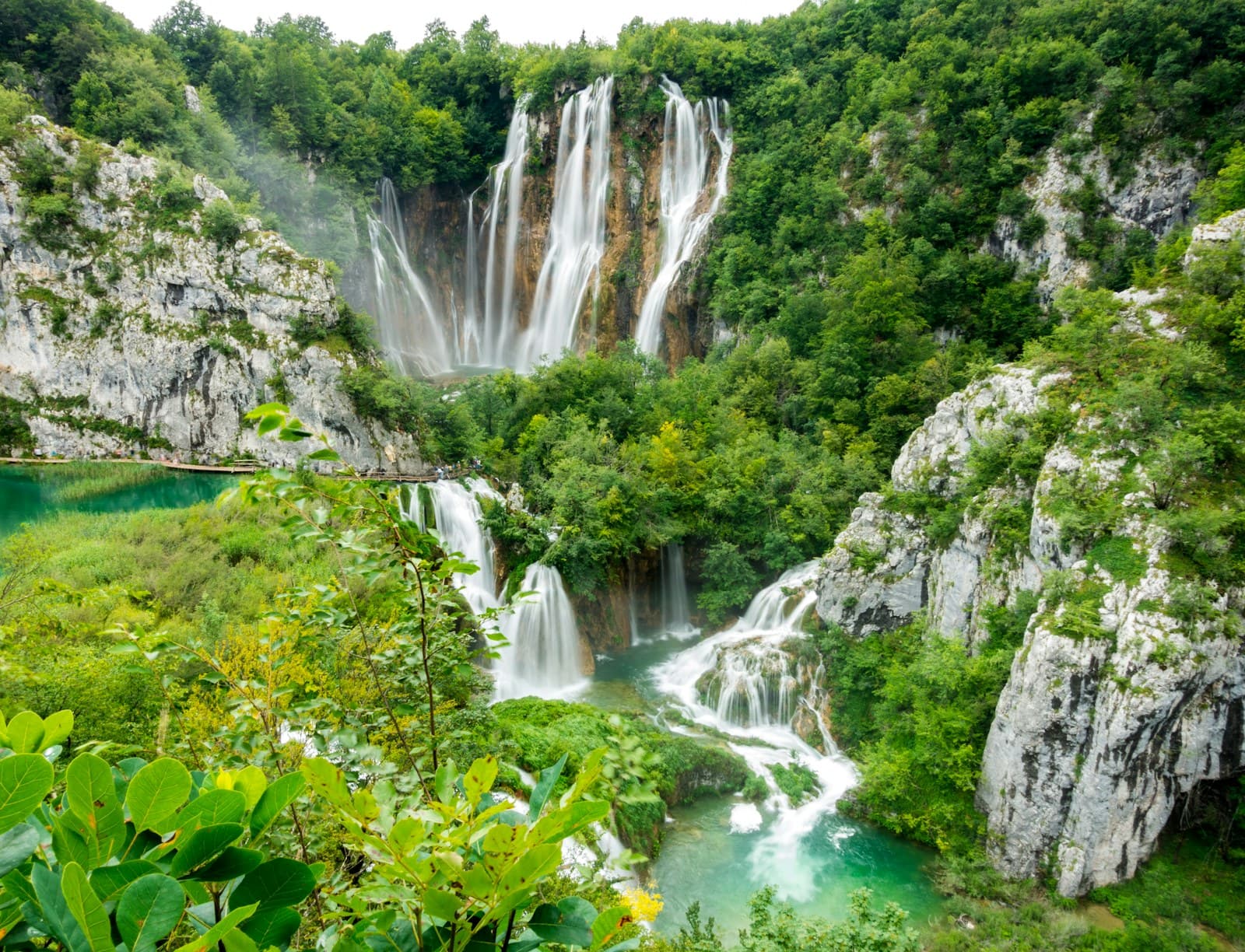
Boardwalk over Plitvice lakes and waterfalls
Lika-Senj

Plitvice Lakes

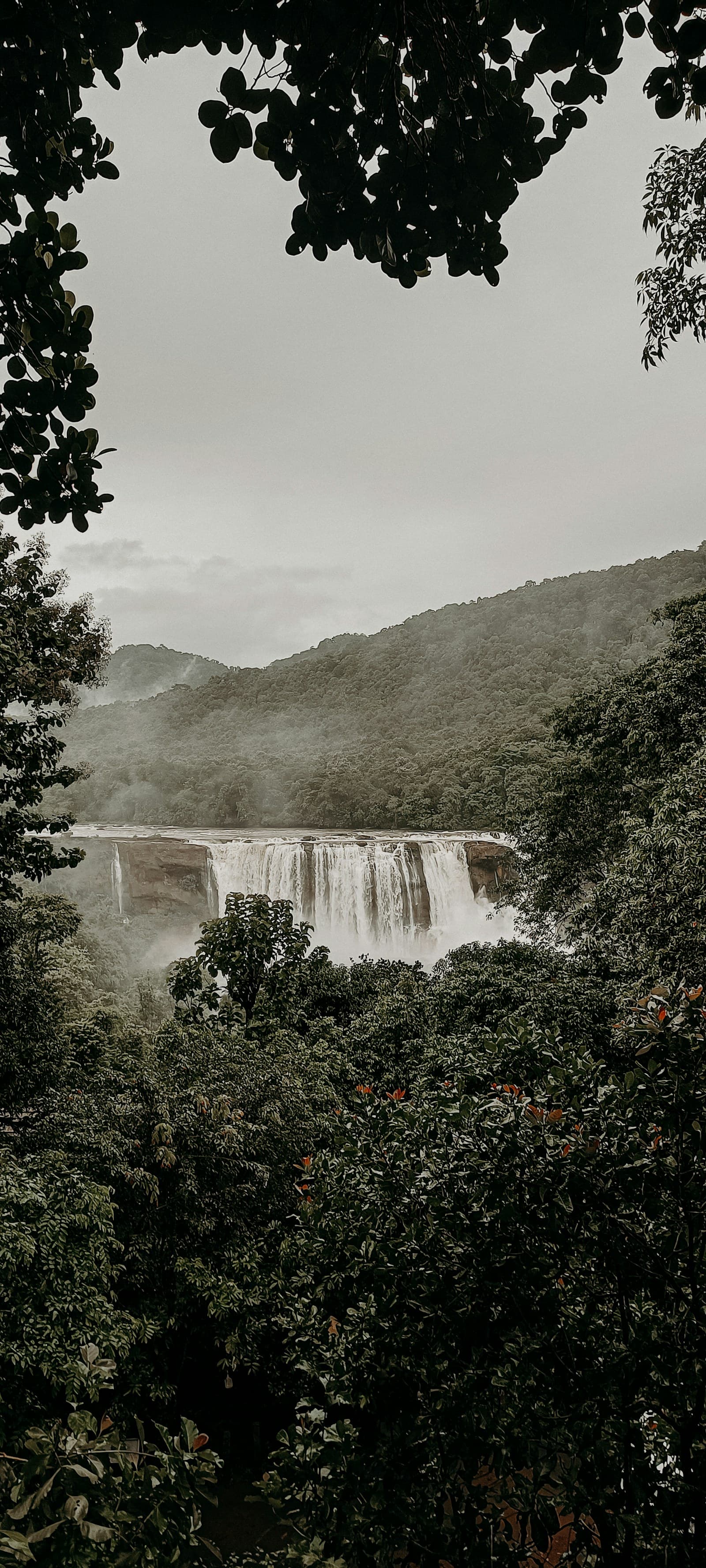
16 terraced lakes connected by waterfalls, UNESCO. 8-hour boardwalk circuit through impossible-looking turquoise water. Best at opening (7am) to avoid the tour buses. 2.5hr drive from Zagreb or Split.

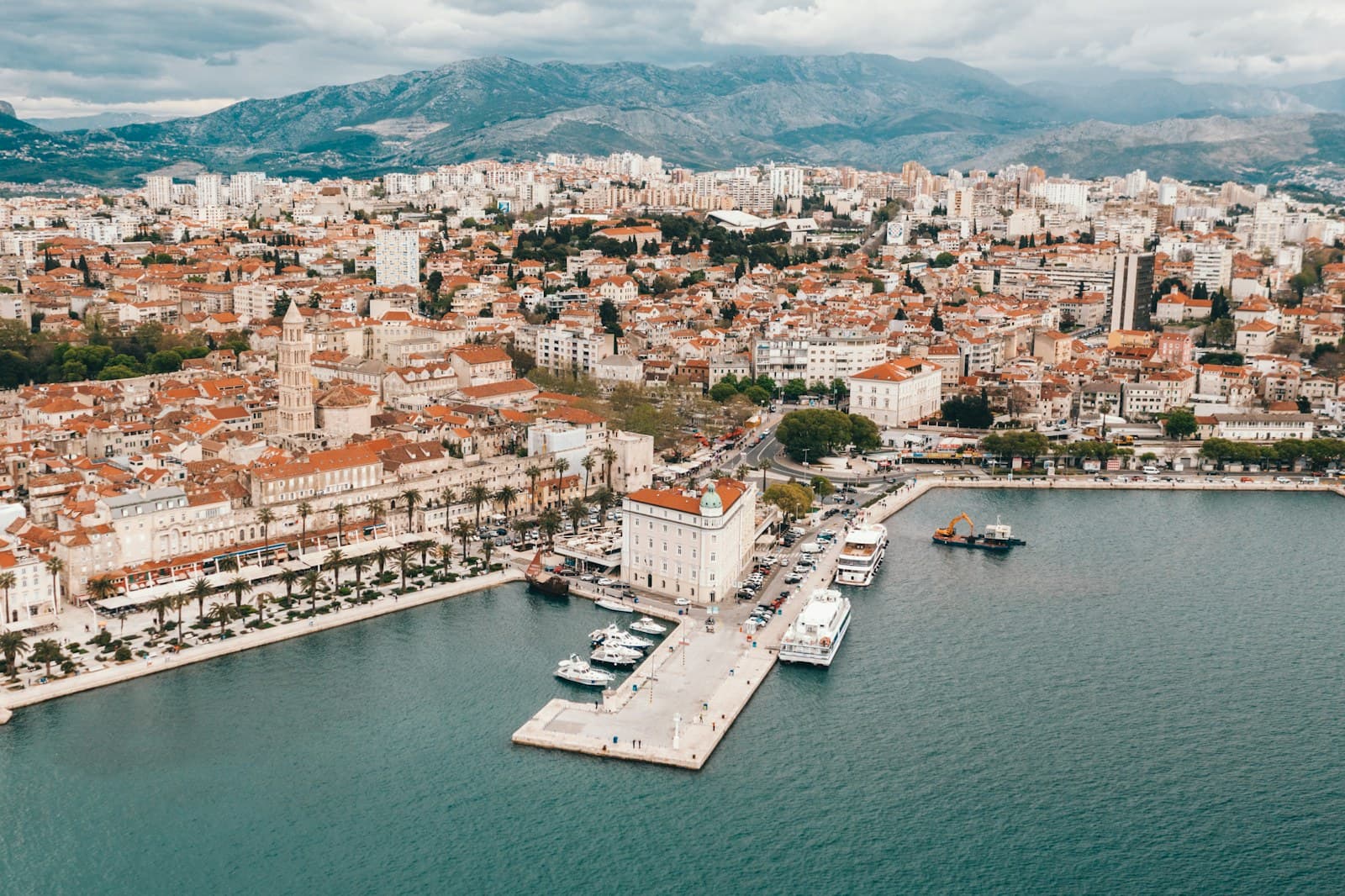
Diocletian's Palace waterfront in Split
Dalmatia

Split & Diocletian's Palace

A Roman imperial palace (built 305 CE) that turned into the city centre — people still live inside the 1,700-year-old walls. Climb the bell tower for the panorama, dinner in the Peristyle Square at sunset. Ferry hub for the Dalmatian islands.

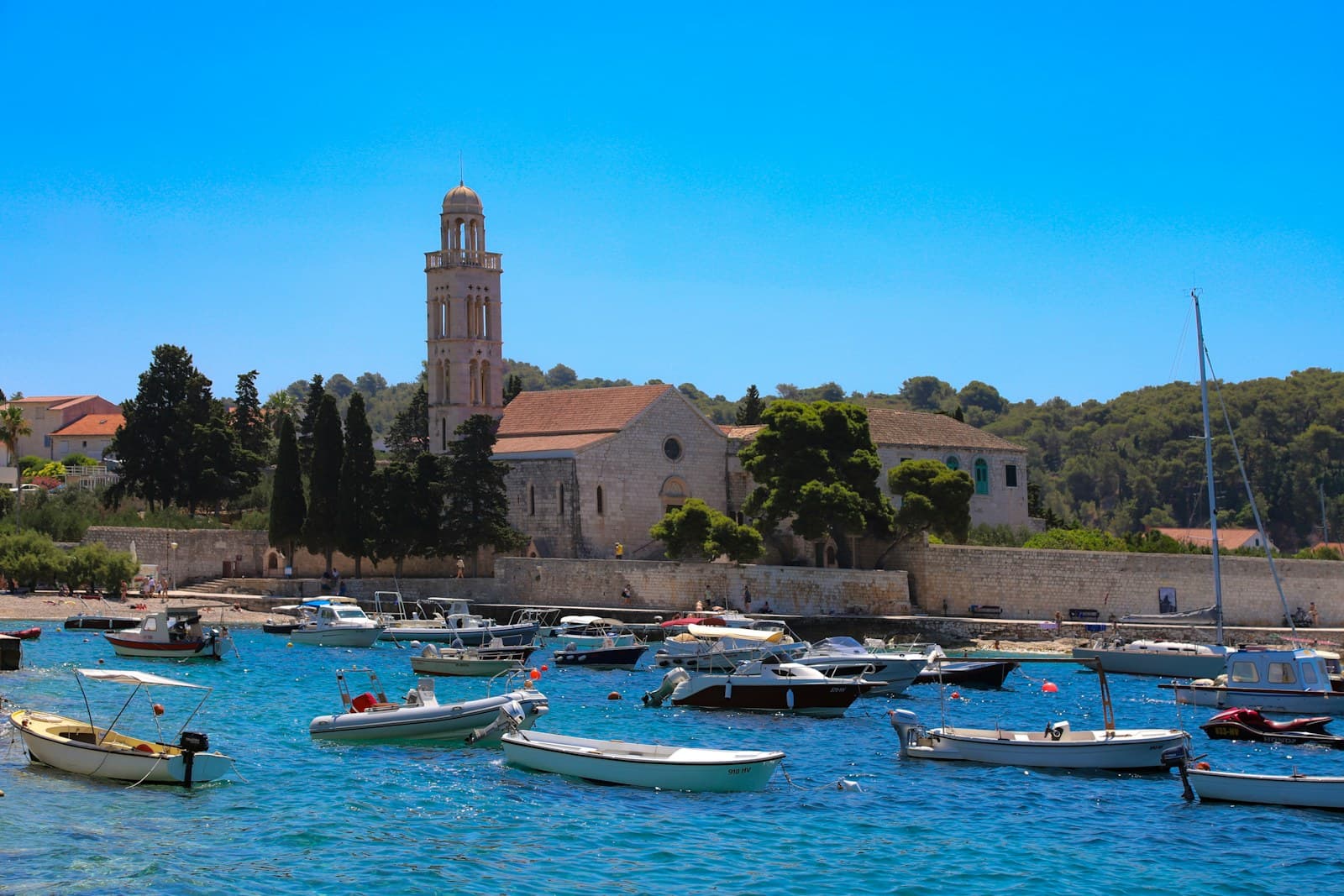
Hvar harbor with sailing boats
Dalmatia islands

Hvar island

The party-and-yacht island. Hvar town's Renaissance harbor + the Pakleni Islands (boat-taxi day trip for swimming). For quieter: Stari Grad on the north side, or the lavender-field interior. Ferry from Split (1hr).

Pastel houses of Rovinj harbor
Istria

Rovinj

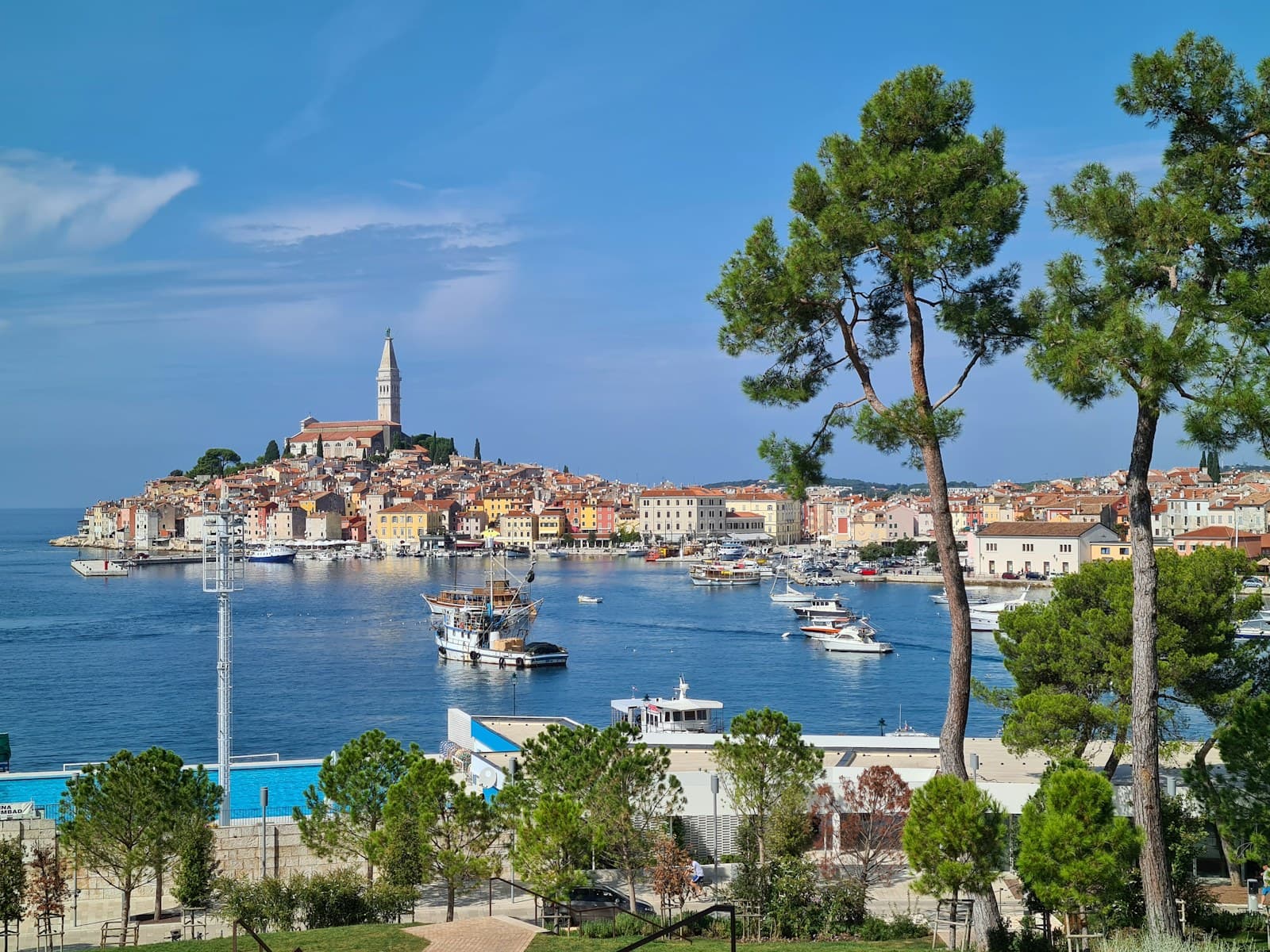
Italian-feeling Venetian harbor town on the Istrian coast — pastel facades, narrow alleys, a bell tower on top of an island that became a peninsula. The most photogenic single street is Grisia, climbing to St Euphemia's. Less crowded than the Dalmatian coast.

St Mark's church tile roof in Zagreb upper town
Continental

Zagreb

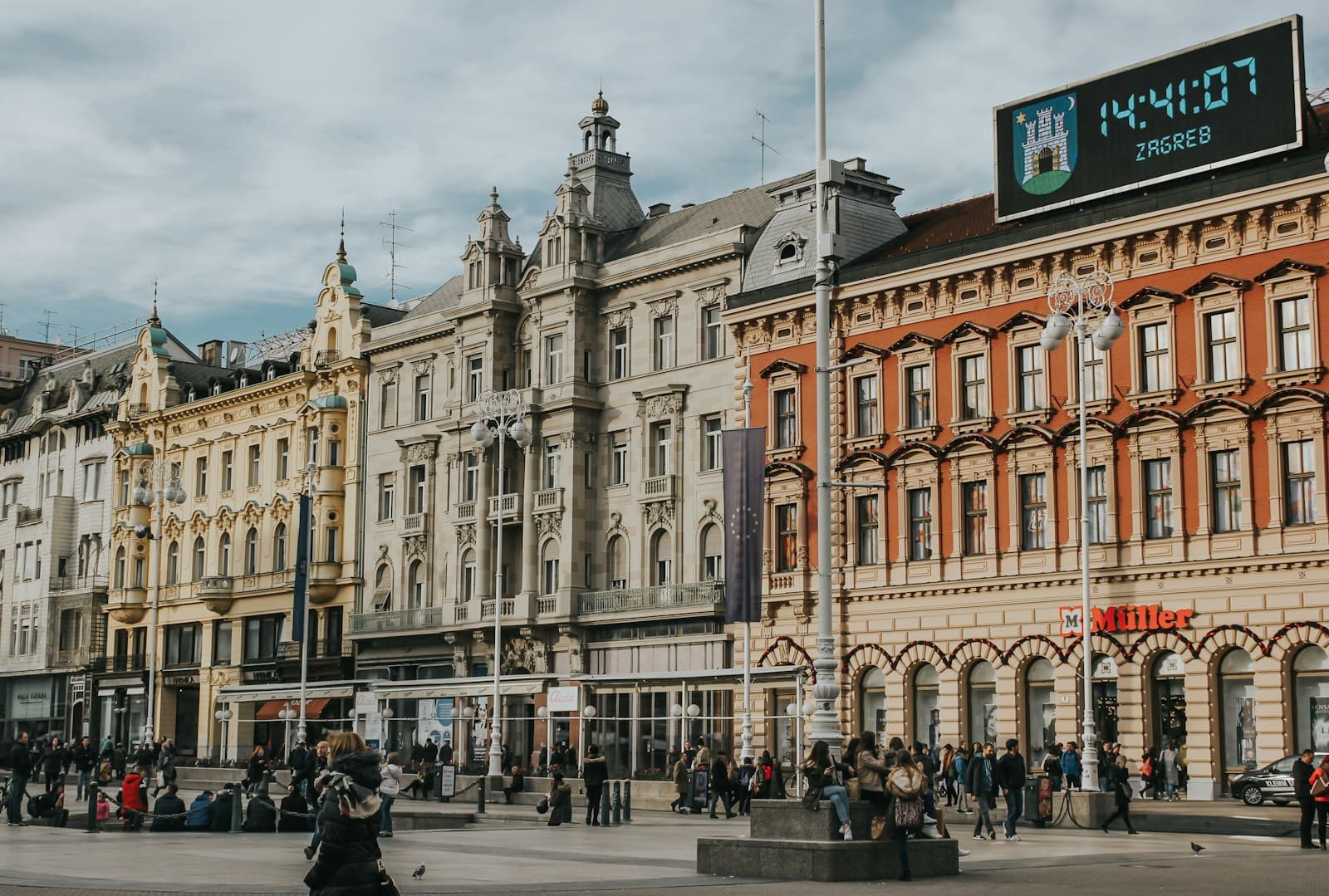
Croatia's underrated capital — Austro-Hungarian baroque, the funicular up to the Upper Town, St Mark's tile-roof church, the world's only Museum of Broken Relationships. 2 days is right; pair with Plitvice on the way south.

Waterfalls and pools at Krka national park
Šibenik-Knin

Krka waterfalls

Plitvice's smaller cousin — fewer lakes, more swimmable waterfalls (until 2021 you could swim at Skradinski Buk; now banned but the lower lakes still allow). Half-day from Split or Šibenik. 90 minutes by car.

Roman amphitheater in Pula, Croatia
Istria

Pula amphitheater

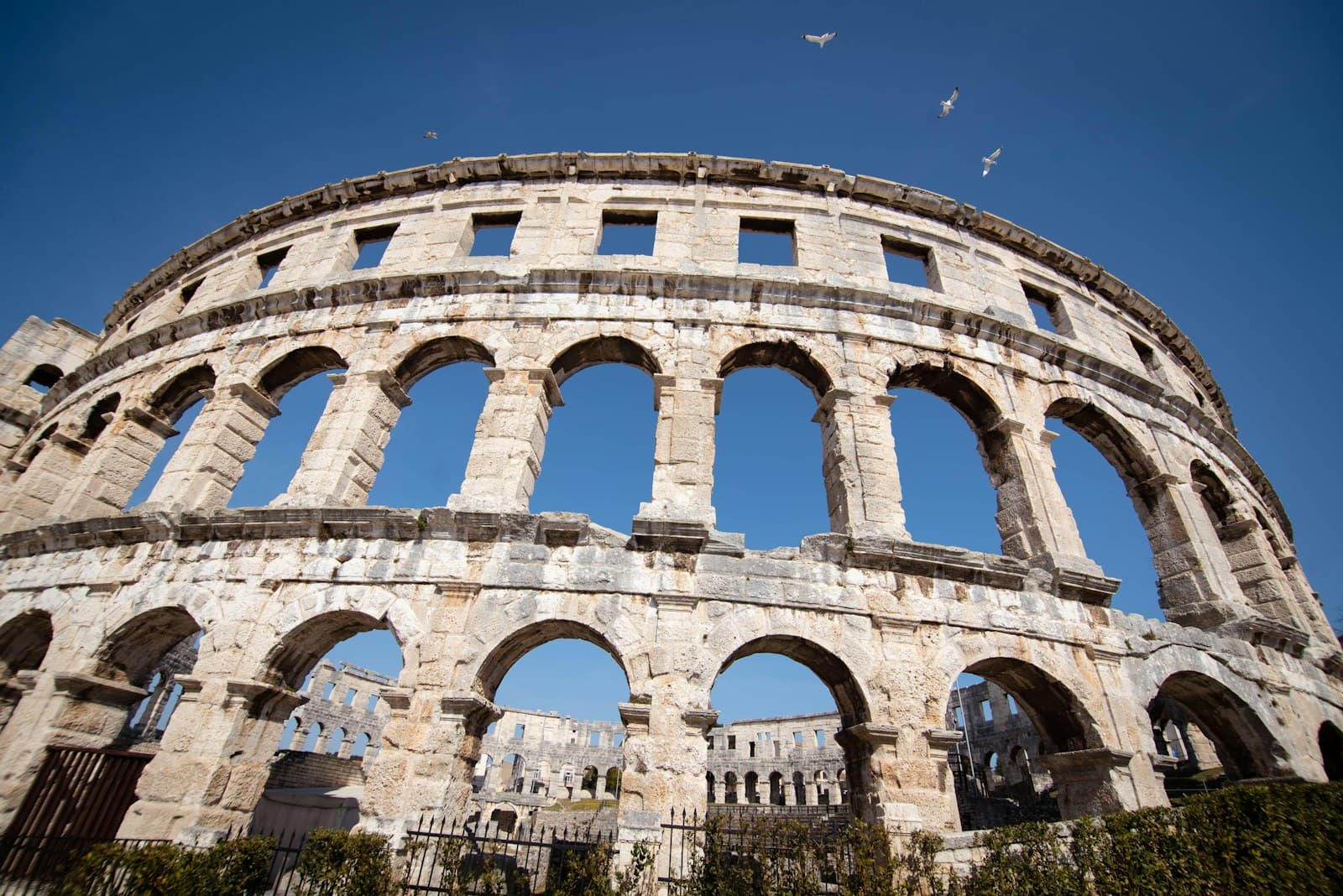
One of the six largest Roman amphitheaters still standing — built in the 1st century AD, holds 23,000, hosted gladiator fights, now hosts the Pula Film Festival (July). The most intact in the world after the Colosseum.

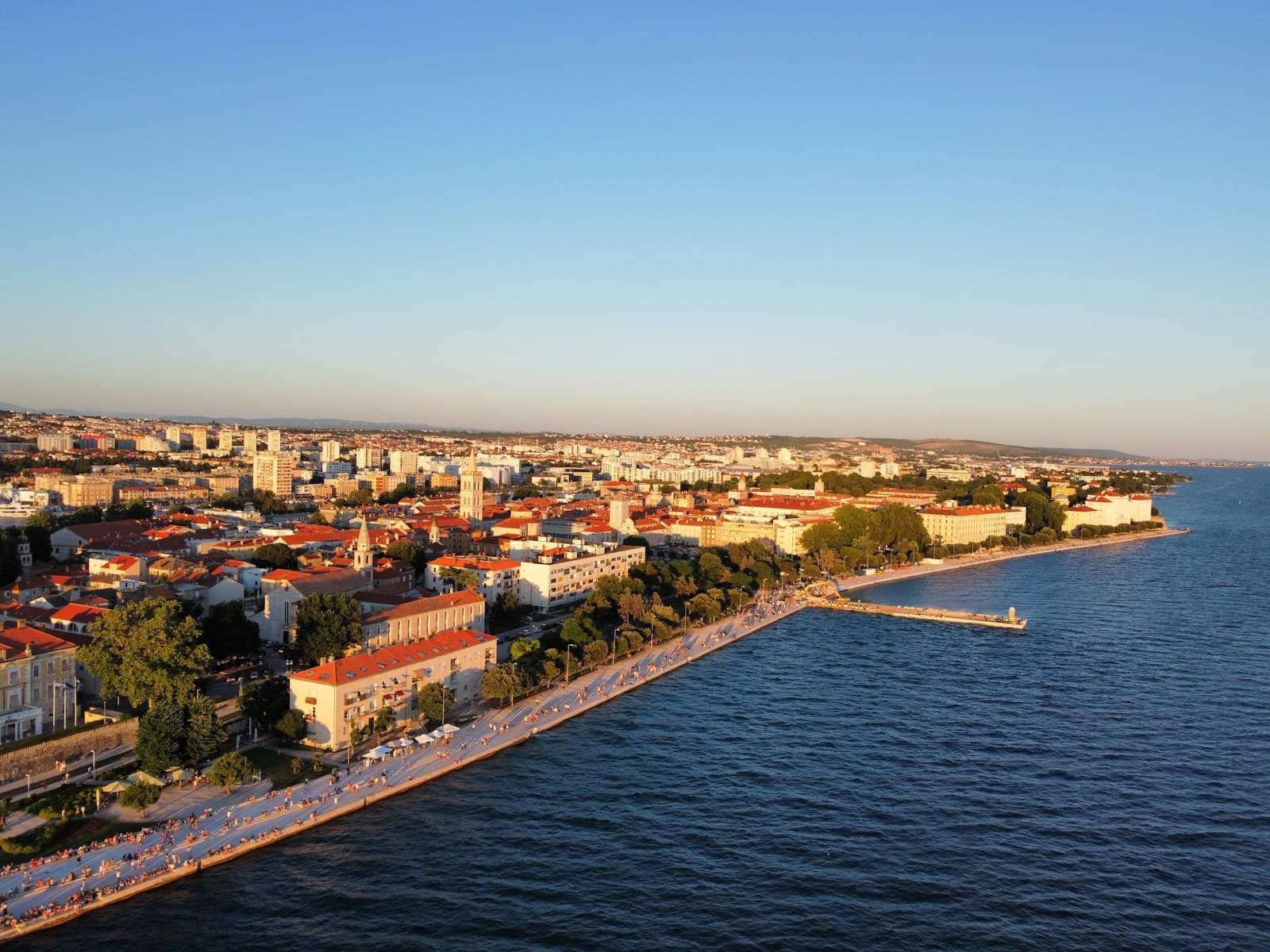
Zadar waterfront at sunset
Dalmatia

Zadar — sea organ & sunset

A sea-front sculpture (the Sea Organ) makes music from waves. Next to it, the Greeting to the Sun, a solar-powered light installation. Alfred Hitchcock called Zadar's sunsets 'the most beautiful in the world'. Underrated city-stop between Plitvice and Split.

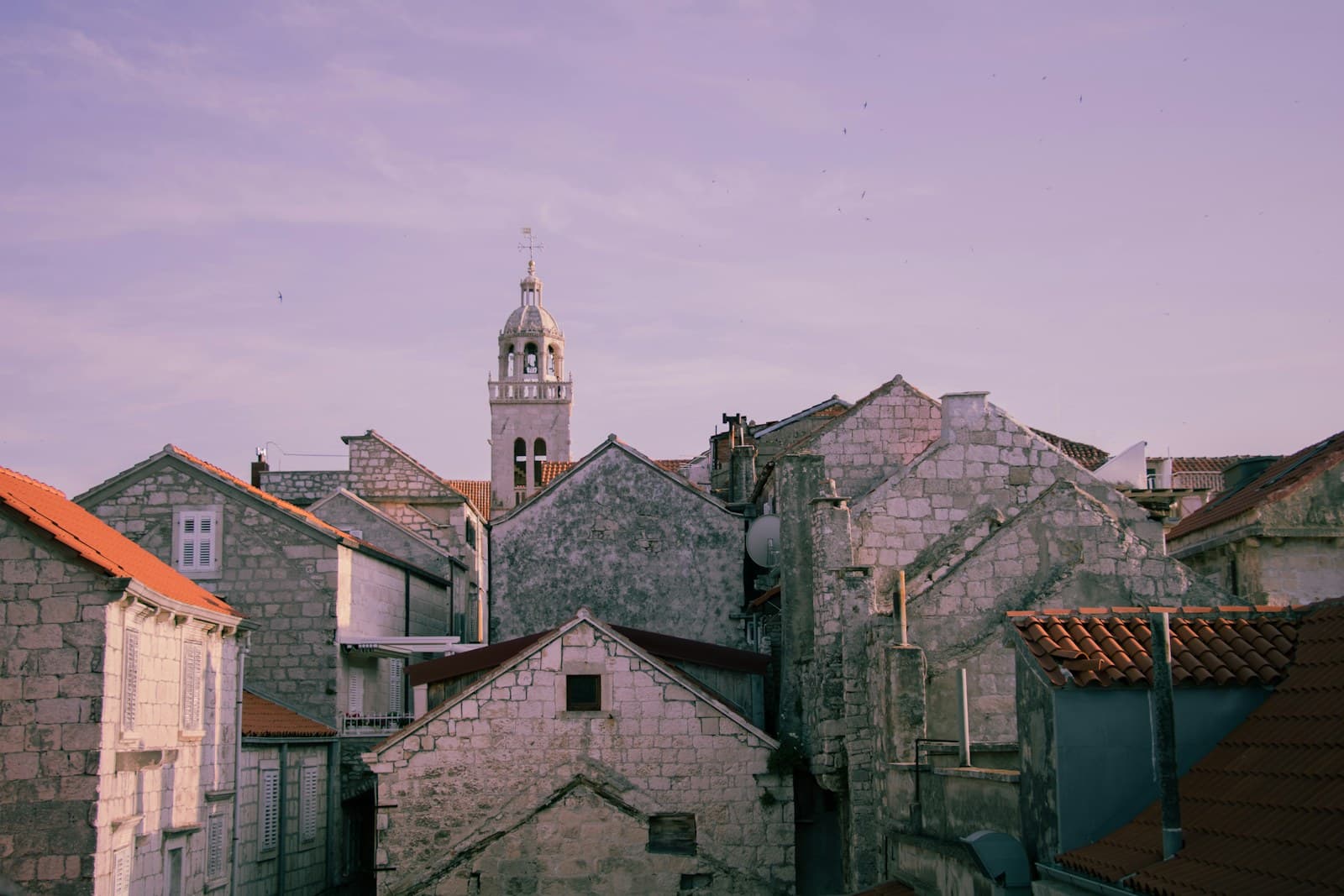
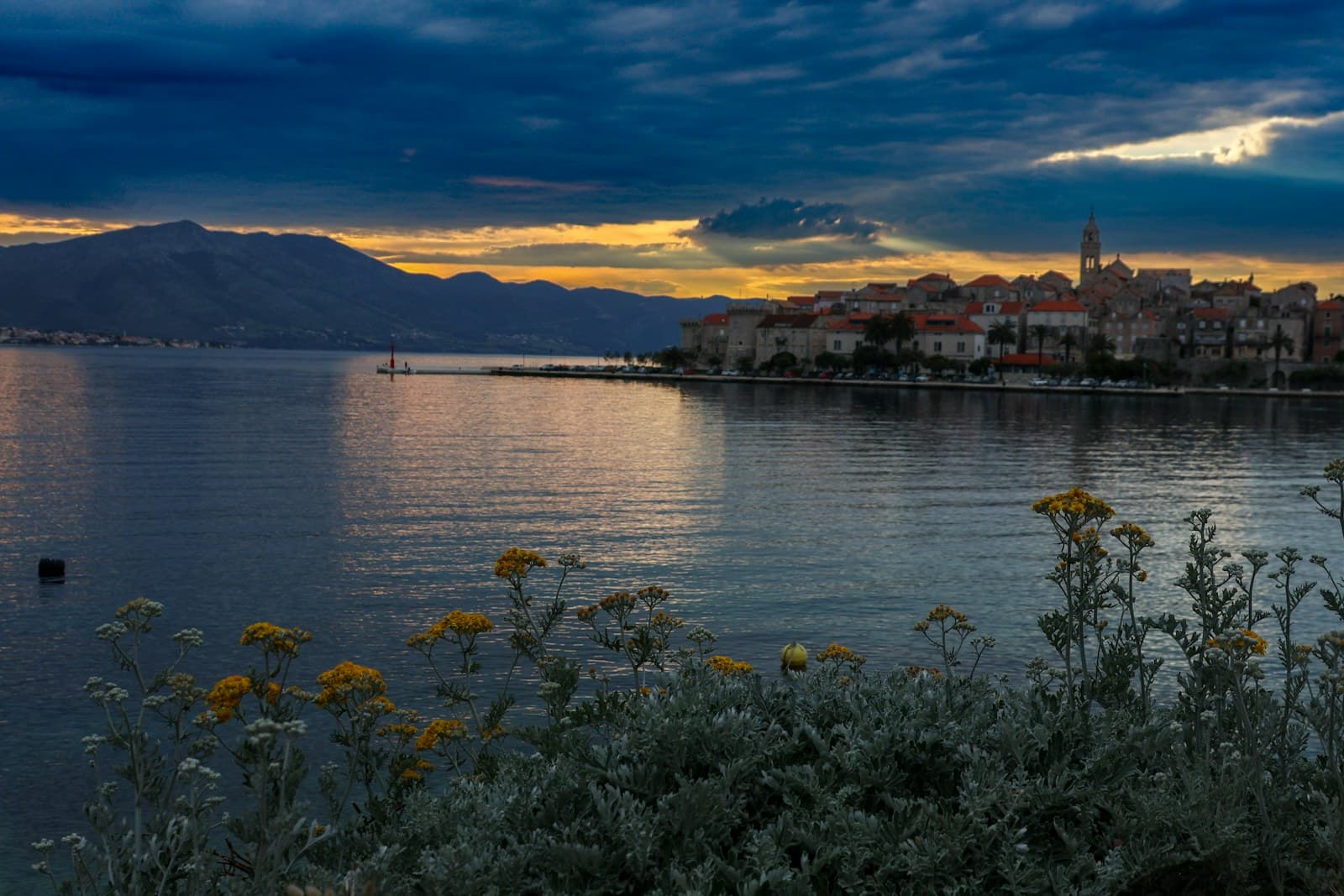
Korčula old town walls and Adriatic sea
Dalmatia islands

Korčula

Marco Polo's (claimed) birthplace — a medieval walled town on the south coast of the island. Quieter alternative to Hvar; same Adriatic-blue water. 3 hours from Split by catamaran. Wineries inland (Pošip and Grk grapes are local).

Wooded coast of Mljet island Croatia
Dalmatia islands

Mljet & national parks

Mljet is 70% national park — saltwater lakes with a Benedictine monastery on an island in a lake on an island in the sea. Walking and cycling only; perfect off-the-radar day. Combine with Korčula or Dubrovnik by catamaran.

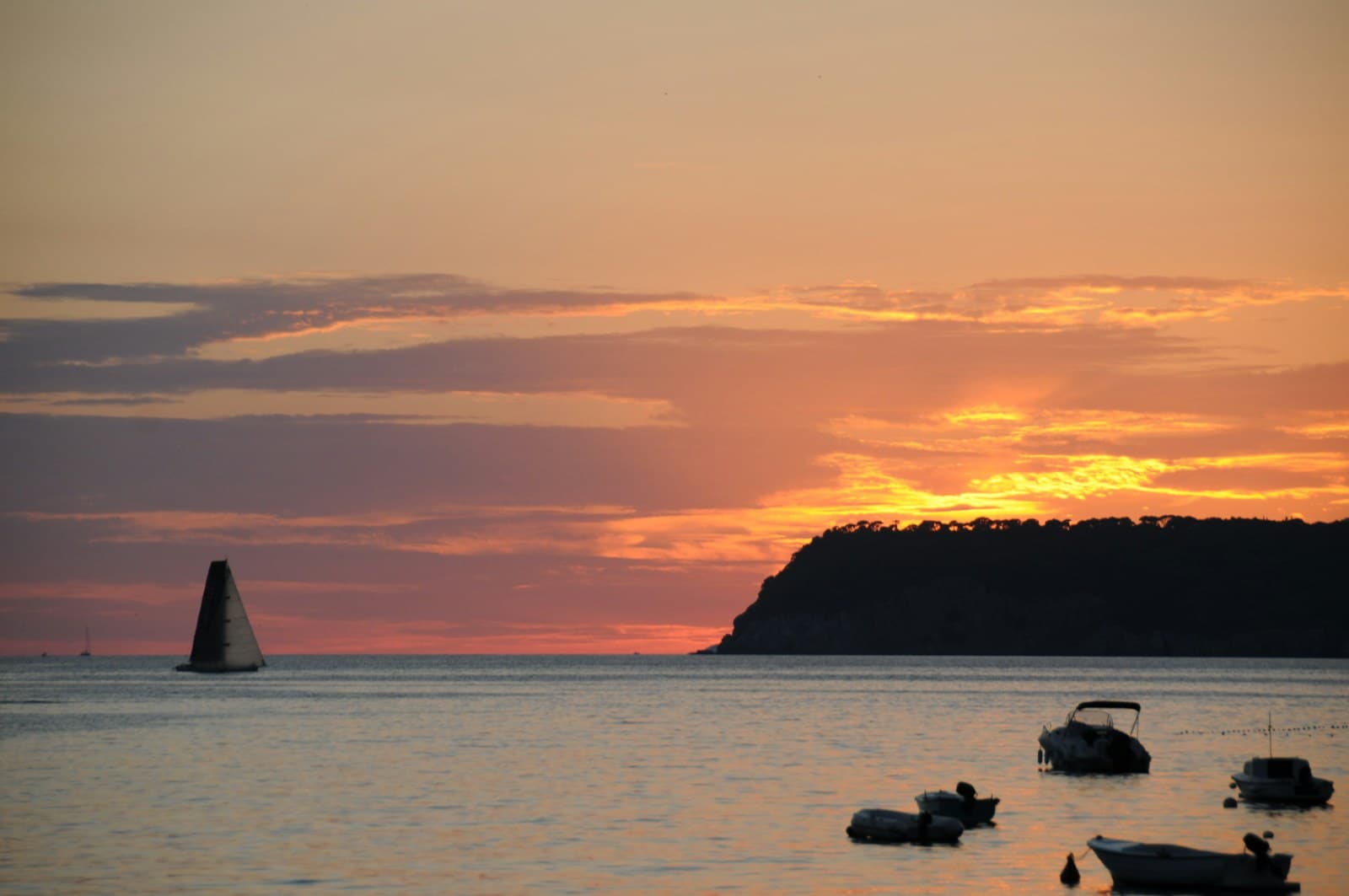
Sailing yacht on the Croatian Adriatic
Coast

Adriatic sailing route

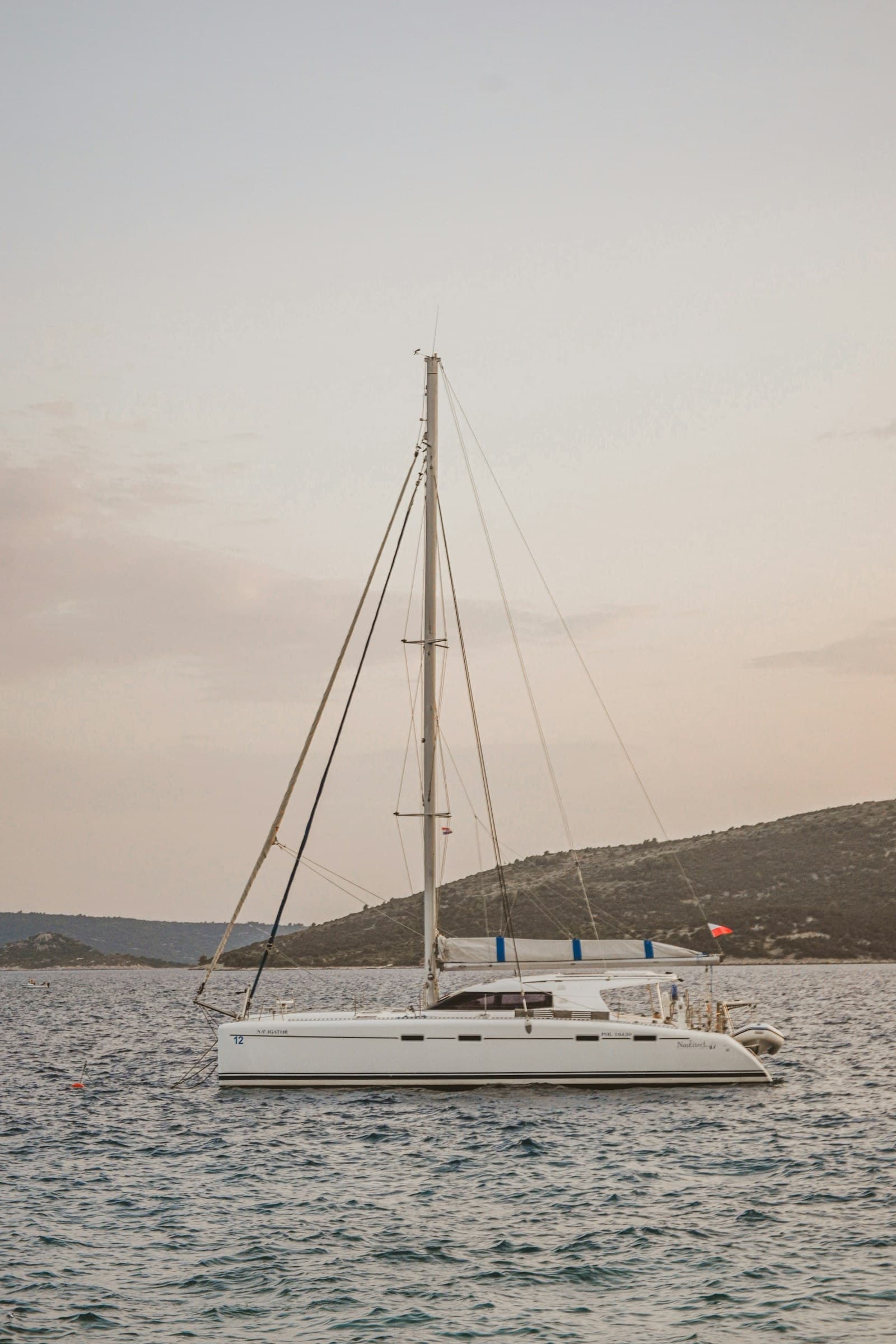
Croatia is one of the world's great sailing destinations — sheltered, island-dense, predictable winds. Charter a skippered or bareboat yacht from Split or Trogir for €1,500–3,500/week per person (mid-range, sharing). Brač + Hvar + Vis + Korčula is the classic 7-day loop.

travelGuideCountry.specialties.heading

travelGuideCountry.specialties.subtitle

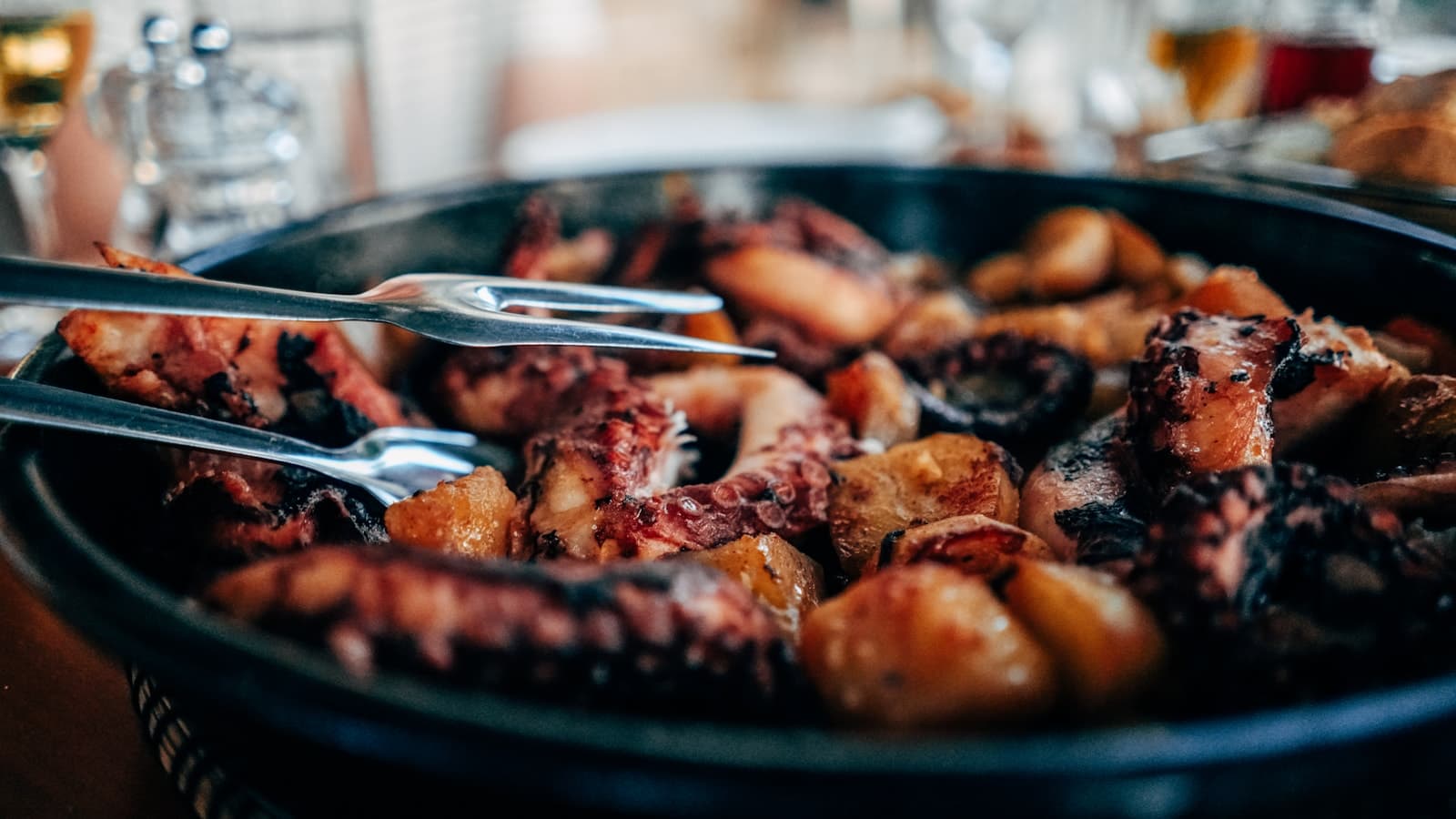
Grilled Adriatic seafood platter in CroatiaFood

Adriatic seafood & peka

Grilled octopus, black risotto (with squid ink), brodet (fisherman's stew), and peka — meat or octopus slow-baked under a bell-shaped iron lid covered in coals. Order peka 2–3 hours in advance at any konoba (traditional tavern).

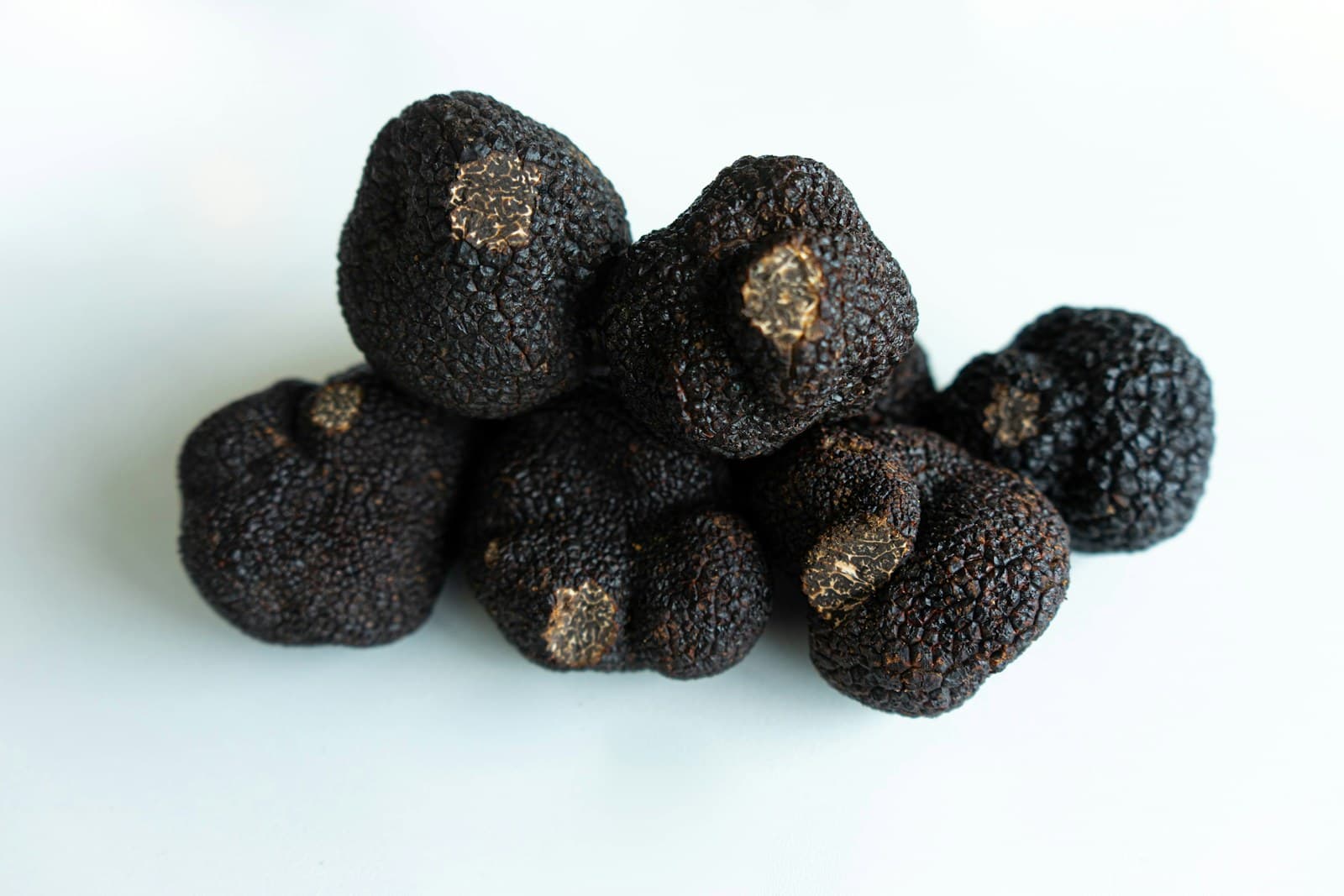
Fresh black truffles on a wooden boardFood

Istrian truffles

Istria's interior produces some of Europe's best white truffles (October–December) and black truffles (year-round). Motovun and Buzet are the truffle-hunting towns; Karlić Tartufi is the established producer. Truffle pasta in any tavern is €15–25.

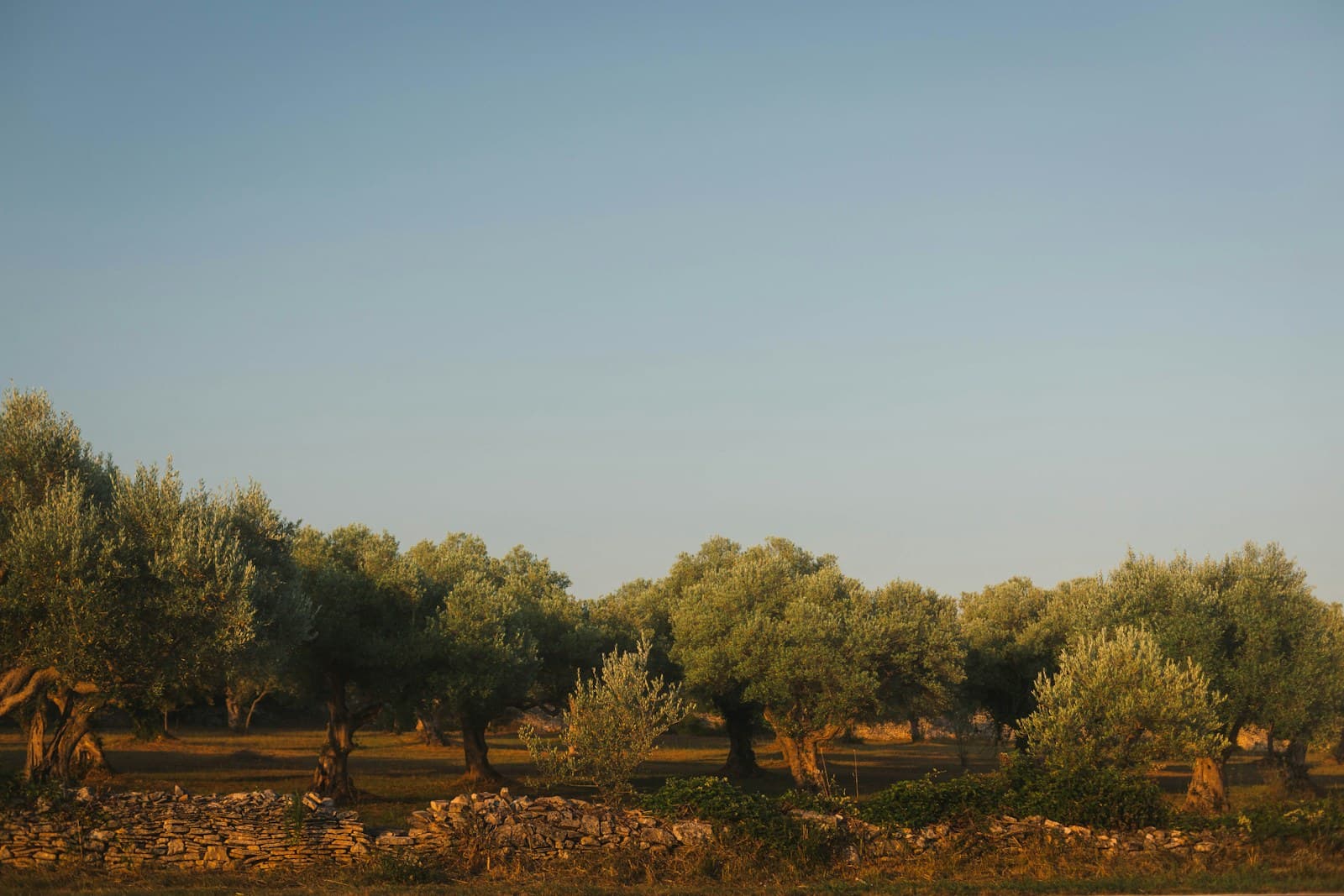
Croatian olive oil and Mediterranean produceFood

Olive oil & Mediterranean produce

Croatian olive oil regularly wins international competitions — Istrian and Dalmatian extra-virgin oils are at the level of the best in Italy and Spain. Buy from cooperative pressings; €15–30 for a 500ml bottle direct from the producer.

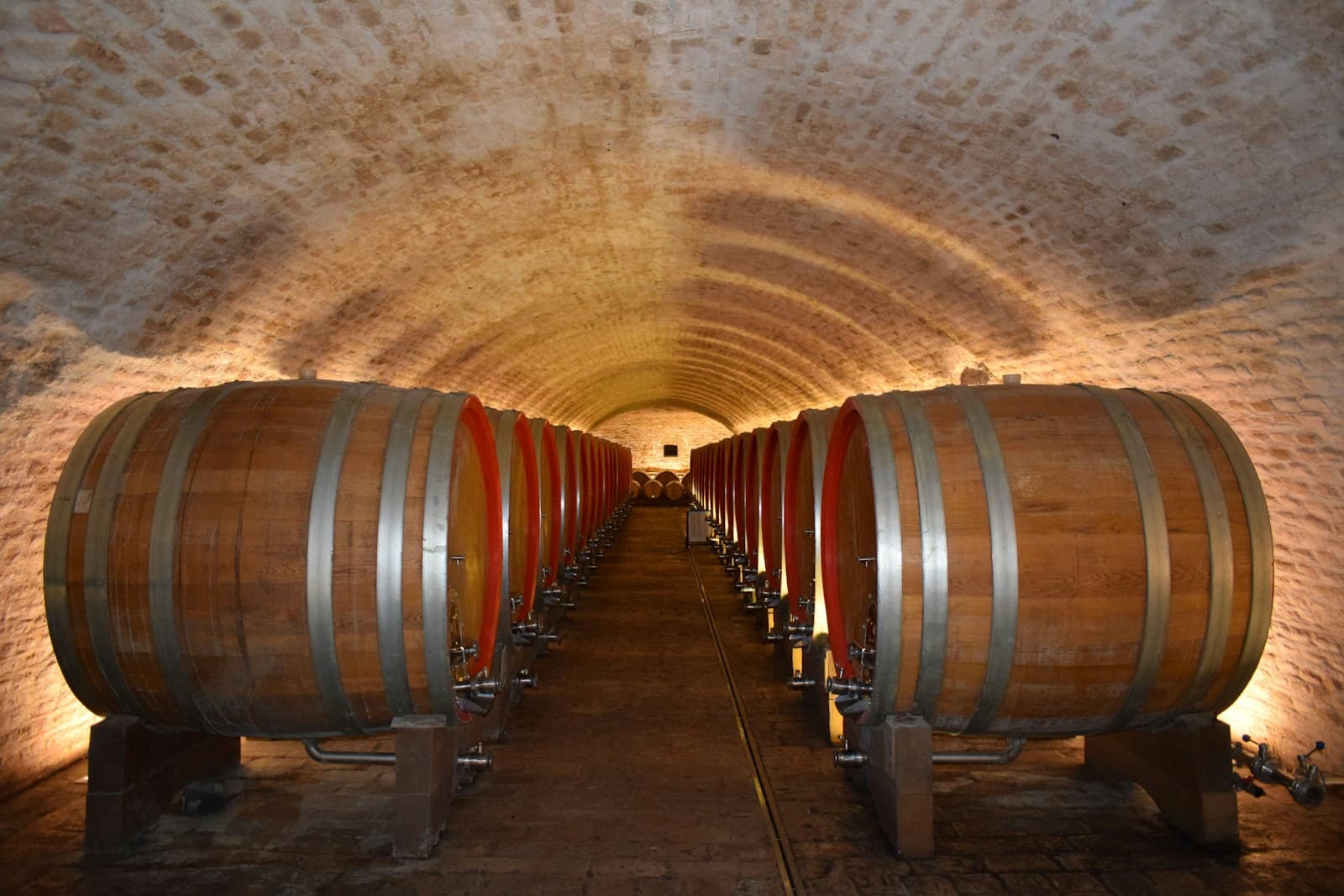
Croatian wine in a glass on a Dalmatian terraceDrink

Croatian wine

Pošip (Korčula white), Plavac Mali (Pelješac red — ancestor of Zinfandel), Malvazija (Istrian white), Teran (Istrian red). House wine in any island konoba is €4–7 a half-litre and shockingly drinkable. Visit Pelješac's wineries by rental car.

Sailing yacht on the Adriatic with islands behindExperience

Sailing & island-hopping

The Croatian coast is the world's most beginner-friendly sailing area — short hops between safe harbors, no big tides, predictable wind. Yacht week is a famous flotilla (Aug). Or hire a private skipper for €150/day on top of a charter.

Dubrovnik medieval walls used as King's Landing in Game of ThronesExperience

Game of Thrones tourism

Dubrovnik = King's Landing. Walking tours hit the Iron Throne fountain, the Walk of Shame steps (Jesuit church), the Red Keep (Lovrijenac fortress). 2 hours, around €25. Tour the Trsteno Arboretum (10km north of Dubrovnik) for the King's Landing gardens.

travelGuideCountry.regions.heading

travelGuideCountry.regions.subtitle

Dalmatia (Split, Dubrovnik)

Split, Dubrovnik, Hvar, Korčula, Mljet, Brač

The classic Croatia — central and south coast. Most flights land at Split (SPU) or Dubrovnik (DBV). Ferry hub at Split connects all the major Dalmatian islands. Sailing capital of the country.

Istria

Rovinj, Pula, Motovun, Poreč, Opatija

The northern peninsula. Italian-feeling (was Venetian and later Italian until WWII), bilingual in places, truffles + olive oil + wine country. Pula airport (PUY) or fly into Trieste (TRS, Italy) — closer to Istria than Zagreb is.

Zagreb & continental

Zagreb, Plitvice, Samobor, Varaždin

Inland Croatia. Zagreb as base, day trip to Plitvice (2hr south), Samobor for weekend wine. Cooler year-round, snow in winter. Most travelers skip; the depth is in the hills.

Kvarner (Rijeka, Krk)

Rijeka, Opatija, Krk island, Cres

Between Istria and Dalmatia. Belle Époque Austro-Hungarian coastal towns (Opatija was the imperial getaway), large islands (Krk, Cres, Rab) reachable by bridge or short ferry. Often skipped — underrated.

Slavonia

Osijek, Vukovar, Đakovo, Kopački Rit

Far east, on the Danube and Drava plains. Wine country (Graševina, Frankovka), wetlands wildlife (Kopački Rit nature park), heavy WWII and Yugoslav-wars history. Slow-travel territory; no coast.

Inland mountains

Velebit, Risnjak, Paklenica climbing

The karst limestone mountains that run parallel to the coast. Paklenica is Europe's main winter rock-climbing destination (December–March); Velebit national park is the deepest trekking area. Day-trippable from Zadar.

travelGuideCountry.itineraries.heading

travelGuideCountry.itineraries.subtitle

7travelGuideCountry.itineraries.daysSuffix

Dalmatian coast — 7 days

Split + Hvar + Dubrovnik + Plitvice on the way south.

  • Day 1–3: Split + Diocletian's Palace + Krka day trip
  • Day 4: Hvar (ferry from Split)
  • Day 5–7: Dubrovnik (3 nights, walls walk, Mljet day trip)
10travelGuideCountry.itineraries.daysSuffix

Plitvice + coast — 10 days

Add Plitvice and Zadar to the south coast loop.

  • Day 1: Zagreb
  • Day 2: Plitvice Lakes (drive from Zagreb)
  • Day 3: Zadar (sunset at the sea organ)
  • Day 4–6: Split + islands
  • Day 7–10: Dubrovnik + Mljet + Korčula day trips
14travelGuideCountry.itineraries.daysSuffix

Coast + Istria — 14 days

Add the Istrian peninsula. Different feel; rental car needed for the loop.

  • Day 1–2: Zagreb
  • Day 3–5: Istria (Rovinj base, Pula day trip, Motovun truffle hunt)
  • Day 6: Drive to Plitvice + overnight
  • Day 7: Zadar
  • Day 8–10: Split + Hvar
  • Day 11–14: Dubrovnik + islands

travelGuideCountry.budget.heading

travelGuideCountry.budget.subtitle

Backpacker
80travelGuideCountry.budget.perDay

Hostel dorm or sobe (private room in a local home) (€30), konoba lunch + supermarket dinner (€20), buses + ferries (€15), park entry or boat trip (€15). Croatia got expensive post-Schengen — Slovenia and Albania are cheaper backpacker alternatives.

Mid-range
170travelGuideCountry.budget.perDay

Boutique B&B or 3-star hotel (€110), one full sit-down dinner + casual lunch (€40), rental car or fast catamaran (€15), entries + day trips (€5). The right tier — Croatia mid-range has caught up with Italy.

Comfortable
360travelGuideCountry.budget.perDay

Luxury boutique hotel in Dubrovnik old town or Hvar (€230), one fine-dining or chef's-counter dinner (€100), private transfer or hired skipper (€20), private boat day or guide (€10). Honeymoon and milestone-trip tier.

Per person, excluding international flights. Euro since 2023 — no more kuna. Cards work everywhere; cash useful in konobas and rural areas. Ferries on Jadrolinija and Krilo; book online in summer 4–6 weeks ahead, especially the catamaran routes from Split.

travelGuideCountry.tips.heading

travelGuideCountry.tips.subtitle

  • Book Plitvice and Krka tickets online with timed entry. Both parks now cap daily visitors; walk-ups can be denied entry on busy days. Plitvice opens at 7am — the first slot is the best for empty boardwalks.

  • Stay in old-town apartments (Dubrovnik, Hvar town, Trogir). Hotels are 30–50% more expensive and farther out. Try Airbnb, Booking, or local agencies — sobe ('rooms') signs in windows are the local equivalent of B&Bs and often cheaper.

  • Don't visit Dubrovnik in July–August unless you're willing to leave the old town by 9am and not come back until after 7pm. Cruise ships dock 2–4 a day, releasing 6,000–10,000 day-trippers at once. Stay outside the walls (Lapad or Pile area) and enter on cruise-free days.

  • Take the catamaran (Krilo, TP Line) over the slower car ferry (Jadrolinija) for island hops if you don't have a car. 1.5hr Split-Hvar by catamaran vs 2hr car ferry — and the catamaran lands you in Hvar town, the car ferry in Stari Grad (1hr from town).

  • Don't book a Game of Thrones tour from a cruise-ship pier. They're rushed and expensive. Walking tours from Pile Gate (€20–25) with a local guide are smaller, more thorough, and you'll actually hear the guide.

  • Drink the tap water. Croatia has excellent water quality, especially in the karst regions; locals drink it everywhere. Saves €5–10/day on bottled water.

  • Tip 10% at restaurants — appreciated but not mandatory. Service is included; rounding up to the next 5 euros is the local norm. Bars and casual cafés: round up only.

  • Don't drive into Dubrovnik or Split old towns. They're pedestrian; the few cars allowed are residents. Park at Pile Gate (Dubrovnik) or in one of Split's underground lots and walk in.

travelGuideCountry.cta.heading

travelGuideCountry.cta.body